MindMap Gallery Blood routine
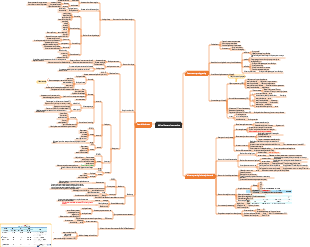
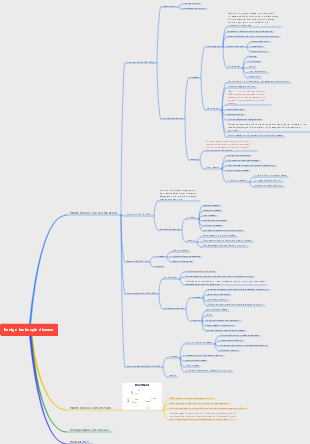
A mind map of blood routine, sharing knowledge about red blood cells, white blood cells, platelets, and reticulocytes (the red blood cell stage after the denucleation of late immature red blood cells). If you are interested, you can take a look.
Edited at 2023-10-13 20:53:30This is a mind map about bacteria, and its main contents include: overview, morphology, types, structure, reproduction, distribution, application, and expansion. The summary is comprehensive and meticulous, suitable as review materials.

This is a mind map about plant asexual reproduction, and its main contents include: concept, spore reproduction, vegetative reproduction, tissue culture, and buds. The summary is comprehensive and meticulous, suitable as review materials.
This is a mind map about the reproductive development of animals, and its main contents include: insects, frogs, birds, sexual reproduction, and asexual reproduction. The summary is comprehensive and meticulous, suitable as review materials.
This is a mind map about bacteria, and its main contents include: overview, morphology, types, structure, reproduction, distribution, application, and expansion. The summary is comprehensive and meticulous, suitable as review materials.
This is a mind map about plant asexual reproduction, and its main contents include: concept, spore reproduction, vegetative reproduction, tissue culture, and buds. The summary is comprehensive and meticulous, suitable as review materials.
This is a mind map about the reproductive development of animals, and its main contents include: insects, frogs, birds, sexual reproduction, and asexual reproduction. The summary is comprehensive and meticulous, suitable as review materials.
Blood routine
red blood cells
Amount of red blood cells and hemoglobin
normal value
red blood cells
Male: (4.0~5.5)×10¹²/L
Female: (3.5~5.0)×10¹²/L
Newborn: (6.0~7.0)×10¹²/L
hemoglobin
Male: 120~160g/L
Women: 110~150g/L
Newborn: 170~200g/L
increase
relative increase
This is because the volume of plasma decreases, resulting in a relative increase in red blood cell volume.
Vomiting, diarrhea, profuse fluid discharge, and extensive burns.
Chronic adrenal insufficiency, diabetic ketoacidosis
hyperthyroidism crisis
absolute increase
secondary polycythemia
The main cause of increased EPO in the blood is lack of oxygen.
primary polycythemia
Myeloproliferative neoplasms.
reduce
Physiological reduction
child
elder
second and third trimester pregnancy
Pathological reduction
Decreased red blood cell production, bone marrow disease
Increased destruction of red blood cells, such as jaundice
Excessive loss of red blood cells, various anemias, or hookworm disease.
Red blood cell morphological changes
Abnormal size
microerythrocytes
Seen in hypochromic anemias such as iron deficiency anemia
large red blood cells
Seen in hemolytic anemia, acute blood loss anemia, and also in megaloblastic anemia.
giant red blood cells
Megaloblastic anemia is common due to deficiencies of folic acid and vitamin B2. Megared blood cells are oval in shape.
Uneven size of red blood cells
Seen in pathological hematopoiesis, the unequal size of red blood cells is especially obvious in megaloblastic anemia.
Abnormal coloring
Hypochromic
Indicates a decrease in the amount of hemoglobin, common in iron deficiency anemia and thalassemia
hyperpigmentation
Increased hemoglobin content, common megaloblastic anemia, and spherical cells are also hyperchromic.
pleochrophilia
Denucleated reticulocytes, most common in hemolytic anemia
Abnormal morphology
Normal red blood cells are biconcave disc-shaped, round in blood smear, and uniform in size.
spherical cells
Seen in hereditary spherocytosis
oval cells
Seen in hereditary elliptocytosis, e.g. with cellular anemia
stoma cells
Disseminated intravascular coagulation, alcoholism, hereditary stomatocytosis.
target cells
Globinogenic anemia (thalassemia)
tear drop cells
Seen in myelofibrosis, thalassemia, anemia, etc.
Spiny cells
Acanthocytosis, abnormal lipid metabolism, post-splenectomy
serrated cells
money-shaped arrangement
Seen in liver disease, uremia
Structural abnormality
Basophilic stippling
Red blood cells contain tiny blue dot-like substances, which can be seen in patients with cell anemia, lead poisoning, etc.
chromatin body
Red blood cells contain round purple-red bodies, which can be seen in hemolytic anemia, megaloblastic anemia, and other proliferative anemias.
kabo ring
A very thin purple-red line appears in mature red blood cells, in a ring or figure-8 shape. It can be seen in severe anemia, severe hemolytic anemia, megaloblastic anemia, lead poisoning and leukemia.
nucleated red blood cells
Mainly seen in various hemolytic anemias.
leukemia
Extramedullary hematopoiesis, such as myelofibrosis.
bone marrow metastasis cancer
The blood filtering and clearance function disappears after splenectomy.
leukocyte
normal value
Adult: (4.0~10.0)×10⁹/L
Newborn: (15.0~20.0)×10⁹/L
Children aged six months to two years old: (11.0~12.0)×10⁹/L
NeutrophilN 50%~70%
Classification
rod nucleus st 0%~5%
lobulated nucleus sg 50%~70%
increase
Physiological increase
newborn
Changes during the day, active eating
Movement, pain, agitation
Late pregnancy and childbirth
Pathological increase
Acute infection, especially pyogenes Note: In some extremely severe infections, too much bone marrow is consumed and white blood cells cannot be replenished in time. Instead of being high, the total number will be reduced.
Severe tissue damage and massive blood cell destruction
acute massive bleeding
acute poisoning Note: In chronic conditions, bone marrow hematopoiesis will be inhibited and the number of white blood cells will decrease.
malignant solid tumors
Leukemia, myeloproliferative neoplasms, immature granulocytes may appear
reduce
type
Granulocytopenia: absolute neutrophil count less than 1.5×10⁹/L
Agranulocytosis: the absolute number of neutrophils is less than 0.5×10⁹/L
Infections (especially Gram-negative bacilli, viral infections, protozoal infections)
Hematological diseases (three-line reduction) such as aplastic anemia, partial megaloblastic anemia, severe iron deficiency anemia, paroxysmal nocturnal hemoglobinuria
Physical and chemical factors damage X-rays, gamma rays, radionuclides, chemical drugs
Hyperfunction of monocyte-macrophage system
Autoimmune diseases, such as systemic lupus erythematosus
Nuclear image changes
Neutrophil nuclear left shift: the percentage of non-lobulated nuclear neutrophils in peripheral blood increases by more than 5%. Common in bacterial infections, acute purulent infections, acute blood loss, acute poisoning, and acute hemolytic reactions
Neutrophil nuclear shift to the right: The nuclei of cells in peripheral blood have 5 or more lobes, and their percentage exceeds 3% It is mainly seen in the decline of megaloblastic cells and hematopoietic function. If it appears suddenly during the progression of the disease, it indicates a poor prognosis.
Abnormal shape P243
eosinophils
Physiological functions: deformation movement and phagocytosis, release of histamine, inhibit the synthesis and release of active substances in mast cells, or inactivate the above substances
increase
allergic diseases
parasitic disease
skin diseases, blood diseases
Certain malignant tumors, certain infectious diseases (scarlet fever)
reduce
Commonly seen in the early stages of typhoid fever, paratyphoid fever, major surgery, burns and other stress states, or after long-term use of adrenocortical hormones
basophils
Physiological functions: No phagocytic function, combines with IgG in immune response to cause allergic reactions
increase
Allergic diseases, blood diseases, malignant tumors, etc.
reduce
no clinical significance
LymphocyteL 20%~40%
Physiological functions: Transform into plasma cells and participate in humoral immunity
increase
Infectious diseases mainly include viral infection, mature lymphocyte tumor, recovery period of acute infectious disease, transplant rejection, and diseases with relatively increased lymphocyte ratio (aplastic anemia)
reduce
Treatment with adrenocortical hormones, alkylating agents, antilymphocyte globulin, etc.
Reactive lymphocyte P245
Mainly CD 8T lymphocytes, found in infectious diseases, drug allergies, blood transfusions and hemodialysis, etc.
monocytes
Physiological functions: deformation movement and phagocytosis function, activation of T and B cells
increase
Physiological increase: infants and children
Pathological increase: certain infections, certain blood diseases
reduce
Generally of no clinical significance
platelets
Physiological functions: hemostasis, coagulation
Normal value: (100-300)×10⁹/L
increase
Primary increase
Myeloproliferative neoplasms
Increased reactivity
Acute infection, acute hemolysis, and cancer patients are mild
reduce
Disorders of platelet production, such as aplastic
Increased platelet destruction and consumption, DIC, SLE
Abnormal platelet distribution such as splenomegaly, massive blood transfusion dilution, etc.
Reticulocytes
It is the erythrocyte stage after the enucleation of late erythrocytes.
normal value
Adults and children: 0.005~0.015
Newborn: 0.03~0.06
clinical significance
increase
Indicates the vigorous proliferation of red blood cells in the bone marrow, common hemolytic anemia, acute blood loss, iron deficiency anemia, megaloblastic anemia and some anemia patients after treatment such as iron or vitamin B12 and folic acid supplementation
reduce
Indicates reduced bone marrow hematopoietic function, seen in aplastic anemia
Generate index RPI
The RPI for a normal person is 2
clinical significance
RPI>3 indicates hemolytic anemia or acute blood loss anemia
RPI <2 indicates anemia caused by bone marrow hypoplasia or red blood cell maturation disorder.