MindMap Gallery Disease distribution
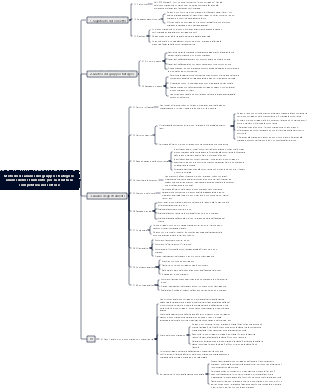
The disease distribution content of preventive medicine statistics includes the form of disease distribution, the concept of disease distribution, and common indicators to describe disease distribution, etc.
Edited at 2024-01-19 16:34:39This is a mind map about bacteria, and its main contents include: overview, morphology, types, structure, reproduction, distribution, application, and expansion. The summary is comprehensive and meticulous, suitable as review materials.
This is a mind map about plant asexual reproduction, and its main contents include: concept, spore reproduction, vegetative reproduction, tissue culture, and buds. The summary is comprehensive and meticulous, suitable as review materials.
This is a mind map about the reproductive development of animals, and its main contents include: insects, frogs, birds, sexual reproduction, and asexual reproduction. The summary is comprehensive and meticulous, suitable as review materials.
This is a mind map about bacteria, and its main contents include: overview, morphology, types, structure, reproduction, distribution, application, and expansion. The summary is comprehensive and meticulous, suitable as review materials.
This is a mind map about plant asexual reproduction, and its main contents include: concept, spore reproduction, vegetative reproduction, tissue culture, and buds. The summary is comprehensive and meticulous, suitable as review materials.
This is a mind map about the reproductive development of animals, and its main contents include: insects, frogs, birds, sexual reproduction, and asexual reproduction. The summary is comprehensive and meticulous, suitable as review materials.
Disease distribution
disease distribution concept
It is a group manifestation of the disease
Including time, space and population distribution, also known as the three distributions of disease
Commonly used metrics to describe disease distribution
Descriptive measures of disease frequency
Incidence
Definition: Indicates the frequency of new cases of a certain disease in a certain population within a certain period of time (usually 1 year)
Exposed population (risk group)
Must be a group of people within the observation range during the observation period, and are likely to develop the disease to be observed
Should not include people who are sick, have been sick, or are immune, etc.
Attack rate
It is often used to measure the frequency of new cases in a population within a short period of time, such as investigating the cause of a disease outbreak in a local area.
The observation unit time can be in days, weeks, ten days, or months.
Renewal rate
Definition: Also known as the second-generation incidence rate, between the shortest incubation period and the longest incubation period of certain infectious diseases, the number of cases among susceptible contacts (secondary cases, second-generation cases) accounts for the percentage of the total number of susceptible contacts
Application: Reflect the strength of the infectious power of infectious diseases, analyze the epidemic factors of infectious diseases and evaluate the effectiveness of epidemic prevention measures
Describes a measure of the frequency of disease presence
Prevalence (prevalence or prevalence)
Definition: refers to the ratio of the number of cases of a certain disease (the number of new and old cases) in a specific population within a specific period of time to the average population in the same period
Key Differences between Incidence and Prevalence
infection rate
Definition: refers to the proportion of people infected with a certain disease among the people examined within a certain period of time
Describe measures of disease mortality frequency
mortality rate
Definition: Indicates the frequency of death among a specific group of people within a certain period of time (usually one year)
case fatality rate
Definition: refers to the proportion of deaths due to a disease among all patients suffering from the disease within a certain period of time
Application: Explain the severity of the disease and the hospital’s diagnosis and treatment level
survival rate
Definition: Usually refers to the proportion of patients who are still alive after n years of follow-up (usually 1, 3, or 5 years)
Application: Important for evaluating long-term outcomes in chronic, high-mortality diseases index
Potential years of life lost (PYLL)
Definition: Refers to the sum of the differences between the life expectancy and the actual age of death of a certain group of people, that is, the amount of life lost in the group caused by death.
Application: An indicator of population disease burden
Disability-adjusted life years (DALY)
Definition: refers to all years of healthy life lost from onset to death, including years of life lost due to premature death (YLL) and years of healthy life lost (YLD) caused by disability due to disease.
Application: Quantitative measurement of comprehensive indicators of loss of healthy lifespan due to premature death and disability due to disease
epidemic intensity of disease
Refers to the changes in the number and characteristics of a certain disease in a certain place or among a certain group of people within a certain period of time
Describe indicators
Distribute
It means that the incidence rate of a certain disease in a certain area is at the historical level (generally the average incidence level of the disease in the local area in the previous three years), and there is no obvious mutual transmission relationship between cases.
reason
The disease is prevalent all year round and residents have certain immunity or the immunity level of the population is maintained due to vaccination, such as measles;
Infectious diseases dominated by latent infections, such as poliomyelitis;
Infectious diseases with difficult transmission mechanisms, such as epidemic relapsing fever;
Diseases with long incubation period
outbreak
Refers to the phenomenon that many identical cases suddenly appear among people in a short period of time and in a small area (such as collective units and kindergartens)
Popularity
It means that the incidence rate of a certain disease in a certain area and period is significantly 3-10 times higher than the local sporadic level of the disease over the years.
Pandemic
Refers to a situation where a disease spreads rapidly at an epidemic level, covers a wide area, and crosses provincial, national or even continental boundaries in a short period of time.
Distribution pattern of disease
Three rooms distributed
Local distribution
Refers to describing the frequency of a disease in different areas
How to divide regions
By administrative region
Divided according to natural geographical conditions and environmental characteristics
endemicity of disease
Due to the influence of natural environment and social factors, the incidence rate of some diseases in one area is often higher than that in other areas, or it only exists in a certain area.
type
statistical locality
natural endemic
natural pathogenicity
Time Distribution
Short term fluctuations (outbreaks)
Seasonal
The phenomenon that the incidence of disease changes with seasons
cyclical
It refers to the situation where the frequency of some diseases changes regularly after a considerable time interval. Mainly seen in respiratory infectious diseases
The periodic distribution of diseases can be artificially changed through planned immunization
long term variation
Crowd distribution
age
is the most important factor in population distribution
Reason for difference
①Differences in immune levels
②Different exposure opportunities and levels
③The role of vaccination or certain prevention and control measures
Research purposes
① Provide clues to the cause of the disease and explore the cause; ② Determine the high-risk groups and key protection targets of the disease; ③ Understand the changing patterns of population immunity levels and determine the targets of planned immunization and vaccination; ④ Develop preventive measures and evaluate their effects
Analytical method
cross-sectional analysis
Analyze incidence, prevalence and mortality rates by age group
For analysis of acute diseases and infectious diseases
Explain the changes in mortality rates of different ages in the same period and the changes in mortality rates of each age group in different years.
shortcoming
The biggest disadvantage is that it cannot show the relationship between causative factors and age.
It cannot explain the mortality trends of various age groups born in different years;
The relationship between the causative factors of chronic diseases and age cannot be shown.
Because the time between exposure and onset of disease may be long, and the intensity of the causative agent may vary at different times.
birth cohort analysis
It is an analysis of the incidence or mortality of a certain disease in different birth cohorts at different ages by taking people born in the same era as a birth cohort.
Suitable for analyzing age distribution of chronic diseases
advantage
Evaluate long-term trends in disease age and provide clues to the cause of the disease
Elucidate the relationship between pathogenic factors and age
gender
Profession
race and ethnicity
genetic factors
life and customs
The natural and social environment in which ethnic settlements are located
bad behavior, lifestyle
Comprehensive description of disease distribution
Comprehensive description and analysis of three aspects: time, space and crowd distribution
immigration epidemiology
It is to explore the role of genetic and environmental factors in the cause of the disease by observing the differences in disease incidence or mortality of a certain disease among immigrants, immigrants' country (region) people, and people in the country of origin.
birth cohort analysis
The method of comprehensive analysis of onset time and age is often used in the analysis of age-specific mortality.