 Wondershare EdrawMind
MindMap Gallery 1A42100 Organizational Management
- 23
1A42100 Organizational Management
Construction practice: 1A42100 Construction organization and management, including construction site layout, temporary electricity use for construction, temporary water use for construction, environmental protection and occupational health, etc.
Edited at 2024-01-17 10:16:22
- bacteria
This is a mind map about bacteria, and its main contents include: overview, morphology, types, structure, reproduction, distribution, application, and expansion. The summary is comprehensive and meticulous, suitable as review materials.
- Plant asexual reproduction
This is a mind map about plant asexual reproduction, and its main contents include: concept, spore reproduction, vegetative reproduction, tissue culture, and buds. The summary is comprehensive and meticulous, suitable as review materials.
- Reproductive development of animals
This is a mind map about the reproductive development of animals, and its main contents include: insects, frogs, birds, sexual reproduction, and asexual reproduction. The summary is comprehensive and meticulous, suitable as review materials.
1A42100 Organizational Management
- bacteria
This is a mind map about bacteria, and its main contents include: overview, morphology, types, structure, reproduction, distribution, application, and expansion. The summary is comprehensive and meticulous, suitable as review materials.
- Plant asexual reproduction
This is a mind map about plant asexual reproduction, and its main contents include: concept, spore reproduction, vegetative reproduction, tissue culture, and buds. The summary is comprehensive and meticulous, suitable as review materials.
- Reproductive development of animals
This is a mind map about the reproductive development of animals, and its main contents include: insects, frogs, birds, sexual reproduction, and asexual reproduction. The summary is comprehensive and meticulous, suitable as review materials.
- Recommended to you
- Outline
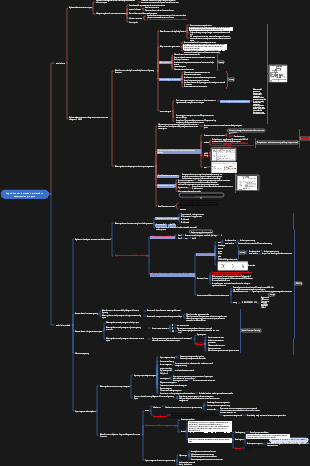
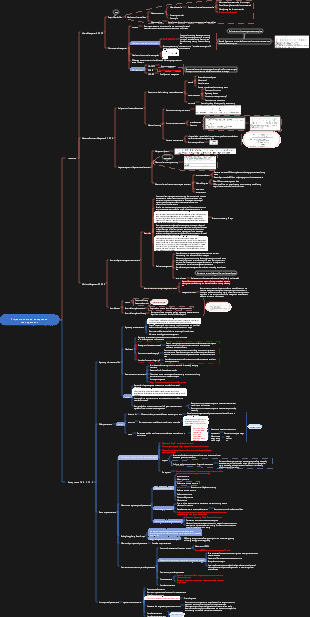
Project organization management
Construction site layout
Construction plan design
Design principles of construction master plan
The layout is scientific and reasonable, and the construction site occupies a small area.
Reasonably organize transportation and reduce secondary handling
Comply with the overall construction deployment and avoid mutual interference between the construction area and temporary construction facilities.
Make full use of existing buildings and facilities to reduce temporary construction costs
Temporary construction is convenient for production and life, and office, living and production areas should be divided into regions.
Comply with energy saving, environmental protection, fire protection and safety requirements
Comply with the relevant regulations of local authorities and construction units on safe and civilized construction on site
Key points in construction plan design
It is advisable to consider more than two gates
The dangerous goods warehouse is set up separately and the distance from the project under construction is greater than 15m. Main road width: one-way street >=4m, two-way street >=6m, There are 6-meter-wide passages on both sides of the timber factory, with a 12m*12m return yard at the end, a truck radius of not less than 15m, and a fire lane not less than 4m.
The indoor clear height of the dormitory is not less than 2.5m, the width of the passage is not less than 0.9m, and each room <=16 people
Living, office and construction areas are relatively independent
Office space is set up at the entrance and exit
Layout of large machinery and equipment
Tower crane
lift
concrete pump
content
Gates, leading off-site roads
Arrange large machinery and equipment
Arrange warehouses and yards
Laying out the processing plant
Temporary traffic on site
The transportation volume is minimal and vertical transportation equipment plays a greater role.
temporary housing
Water, electricity pipeline network and other power facilities
The pipe network is laid along the road and avoid being located on one side with other pipes.
Construction plane management
General requirements for site management of construction master plan
Meet construction needs, be civilized on site, safe and orderly, clean and hygienic, not disturb people, not harm public interests, and be green and environmentally friendly. (safety, civilization, construction; no, raw, no, color)
construction site management
Fence height: 2.5m in urban areas, 1.8m in general road sections
Road enclosures are occupied within 20m of traffic intersections, and permeable enclosures are used for parts above 0.8m.
Access and road management requirements
A guard post is set up at the on-site gate and is on duty 24 hours a day.
Vehicle washing equipment
Standardize site capacity
On-site roads and main sites are hardened (concrete hardening, asphalt hardening)
Concrete, steel plate, gravel
, Exposed site: covering, solidification or greening measures, dust prevention measures for earthwork operations
Impact of engineering construction on the environment
Water, earth, sound, light, garbage, air, air
Health and epidemic prevention: The canteen must have a health license, the cooking staff must hold a health certificate and the clothing must meet the requirements, and the cooking utensils should meet the requirements of relevant regulations to ensure health and epidemic prevention and prevent the occurrence of infectious diseases and food poisoning accidents
Temporary electricity for construction
Temporary power management
Basic provisions for temporary power organization design
Personnel working with certificates
Installation, inspection, maintenance and dismantling should be completed by electricians and should be supervised by someone
For more than 5 temporary electrical equipment or a total capacity of more than 50kw, prepare an electricity organization design;
The following is a compilation of safe electricity and electrical fire prevention measures:
The temporary power organization design is prepared by electrical engineering technicians, submitted to the technical director of the enterprise with legal person status for approval, and implemented after on-site supervision signs off.
The same review procedures are required for safe electricity use and electrical fire prevention measures.
For decoration projects or other special construction stages, supplementary preparation of individual construction electricity plans
Periodic inspections of temporary electricity use should be carried out by division and sub-project. Safety hazards must be dealt with in a timely manner and reviewed for acceptance.
For PE line protection lines, it is forbidden to set up switches and fuses, and it is strictly forbidden to break the line.
Outdoor 220v lamps should not be lower than 3.0m, indoor should not be lower than 2.5m (clear height of dormitory)
Three-level power distribution: main distribution-distribution-switch box
TNS zero connection system
Two-level protection: The main distribution box and switch box are equipped with leakage protection
Power supply sequence, power outage sequence
It is strictly prohibited to use plugs and sockets for movable connections at the power incoming ends of distribution boxes and switch boxes.
Supply voltage requirements
12v, 24v, 36v
Risk level from high to low
Distribution line management
Basic requirements for overhead line laying
Insulated wires, special poles
The distance between the pole and the stack is greater than 1.5 times the height of the pole
Short circuit protection. When the fuse is used for short circuit protection, the rated current of the melt is less than or equal to 1.5 times the allowable carrying capacity.
Overload protection, when the fuse or circuit breaker is overload protected, the allowable carrying capacity of the conductor shall not be less than 1.25 times the rated current of the melt or the tripping current.
Basic requirements for cable laying
Light blue N wire, green and yellow PE wire
Five-core cable, all functional working core wires and core wires used as protective neutral wires
Indoor wiring requirements
The main line shall have a clear height of not less than 2.5m from the ground
Short circuit protection and overload protection must be provided
Cables: buried underground across walls, aisles, and temporary facilities, should be protected by steel pipes
Distribution box requirements
The main distribution box is set near the incoming power supply, and the distribution box is set at a location where the load is relatively concentrated.
The distribution box should be no more than 30m away from the switch box, and the switch box should be no more than 3 meters away from the equipment.
The switch box is separate and cannot be used for two or more devices.
(The distance between the center point and the ground) The distance between the fixed switch box and the ground is 1.4~1.6m; the distance between the mobile switch box and the ground should be 0.8~1.6m
The electrical installation board of the distribution box must be equipped with N and PE wire terminal boards; the N wire terminal board is insulated from the metal electrical appliance mounting plate; the PE wire terminal board is electrically connected to the metal electrical appliance mounting plate.
Metal box doors and metal boxes must be electrically connected with braided soft copper wires
Temporary water for construction
Interim water management
Temporary water consumption content
Construction water consumption, construction machinery water consumption, domestic water consumption at the construction site, domestic water consumption in living areas, and fire-fighting water consumption
It is generally divided into three aspects: construction, daily life, and fire protection. The "water leakage loss" is taken into account when calculating.
The water supply system includes: water intake location, water intake facilities, water purification facilities, water storage devices, water transmission pipes, water distribution pipe network and terminal configuration.
Water supply pipe network layout principles
Arranged in a ring, branch lines can be set up at isolated points
To meet the requirements, the length of the pipe network should be as short as possible
Consider movable construction pipe network
Make full use of existing or pre-built permanent pipelines
The pipe diameter is calculated
Temporary water requirements
The distance between fire hydrants should not be greater than 120m, the distance from the proposed house should not be less than 5m and not greater than 25m, and the distance from the roadside should not be greater than 2m
The length of fire water pipe shall not be less than 25m
Fire pipe diameter should not be less than DN100
The pipeline is buried 0.6 meters underground to prevent heavy pressure and is set with iron pipes.
Temporary water pipes for winter must be buried below the freezing line or insulation measures must be taken
Drainage ditches should be arranged along both sides of the road with a slope of not less than 0.2%. Culverts should be installed at crossings. Flood control facilities should be provided during mountainous construction.
Temporary water consumption calculation
Water consumption calculation
The minimum fire water consumption q5 is 10L/s; Construction site > Within 250000 (25hm2 hectares) square meters, no more than 15L/s (not included in 22 textbooks)
Total water consumption Q
q1 q2 q3 q4<=q5,Q=q5 q1~4/2
q1 q2 q3 q4>q5, Q=sum of q1~4
The area is less than 5hm2 and q1~4<q5, Q=q5
Water consumption: Increase water leakage loss by 10%
Temporary water pipe diameter calculation
Q=water consumption
Combined calculation
Environmental protection and occupational health
Green Building and Green Construction
Green building evaluation and classification
evaluate
Four Festivals and One Environmental Protection
Water saving, energy saving, material saving, land saving and environmental protection
Single building or building complex
Evaluation division
pre-evaluation
After construction drawings are completed
Green building evaluation
To be carried out after completion (one year)
Evaluation index
Safety and durability, health and comfort, convenience of life, resource conservation, and livable environment
Basic branch of control items, improvement and bonus points full score
Σ7 items/10
The party applying for evaluation is responsible for the completeness and authenticity of the data
grade
Rating 30%
green construction
Organizational management
For projects managed by general contractors, the general contractor shall manage the green construction of professional subcontractors, and the professional subcontractors shall be responsible for the green construction of professional projects.
The first person responsible for the project manager, green construction management system
Develop management systems, be responsible for organizing implementation, conducting education and training, and regularly conducting self-inspections, joint inspections, and evaluations
Key points of environmental protection
Establish environmental protection related systems and keep inspection records
Construction within the urban area must be reported to the environmental protection management department of the local people's government at or above the county level where the project is located 15 days before the start of construction.
Noise reduction measures; night construction permit and notification to nearby community residents
Reduce light pollution
Adding lampshades to outdoor lights and welding and shielding measures
To discharge sewage, you must sign a temporary sewage discharge permit agreement with the municipal management department at or above the county level and apply for a "Temporary Drainage Permit"; rainwater is discharged into the municipal rainwater pipe network, and sewage must be sedimented in a sewage tank for secondary use or discharged into the sewage official site.
Mud and sewage shall not be discharged directly into urban drainage facilities, rivers, lakes, and ponds without treatment
Save material
Decorative veneers, typesetting in advance
With the combination of permanent construction and temporary construction, the reuse rate of temporary construction materials reaches 70%.
Save water
water recycling device
The drainage of foundation pit excavation exceeds 500,000 m³, and groundwater recharge should be carried out to avoid contamination of groundwater.
Try not to use municipal tap water for machinery, equipment, green irrigation, vehicle washing, etc.
The reuse rate of non-traditional water sources and recycled water is greater than 30%
Energy saving
The illumination does not exceed 20% of the minimum illumination; reduce the use of air conditioners; rationally configure related energy-consuming equipment
Electricity consumption control indicators
Index control of production, living, office and construction equipment
Regular management content: calculation, accounting, comparative analysis, preventive and corrective measures
Save space
Optimize the foundation pit construction plan to reduce the amount of earth excavation and backfilling
For temporary land occupation outside the red line, try to use wasteland and abandoned land and occupy less farmland and cultivated land.
Principles for the combined use of temporary roads and permanent roads at the construction site
Four new (technology, materials, processes, equipment)
Textbook P178~180
Construction site hygiene and epidemic prevention
On-site dormitory management
A place with openable windows, no more than two floors of beds, and a place to dry clothes.
The indoor clear height of the on-site dormitory is ≥2.5m, the width of the passage is ≥0.9m, the per capita area is ≥2.5 m2, and the number of residents in each dormitory is ≤16 people.
Canteen: more than 100 people dining, grease trap
(2) The on-site canteen should be equipped with independent production rooms and storage rooms (refrigeration facilities). A rat-proof baffle of no less than 0.2m should be installed under the door leaf, and equipped with necessary exhaust facilities and refrigeration facilities. Gas tanks should be stored separately. The storage room should be well ventilated and other items are strictly prohibited. (3) Ceramic tiles should be laid on and around the stove in the production room of the on-site canteen, and the height of the tiles should not be less than 1.5m. (4) The distance between the grain storage platform in the on-site canteen storage room and the wall and floor should be greater than 0.2m. (6) The on-site canteen must apply for a health permit, and the cooking staff must hold a health certificate when working. They should wear clean work clothes, work caps and masks when working. They should maintain personal hygiene. They are not allowed to leave the canteen wearing work clothes. Non-cooking staff are not allowed to enter the production facility at will. between.
Food Hygiene and Epidemic Prevention
Infectious diseases, food poisoning or acute occupational diseases, etc.: report to the construction administrative department and health and epidemic prevention department where the construction site is located within 2 hours; isolate in a timely manner and handle by the epidemic prevention and health department
bathroom
Hardened floors, complete doors and windows
Flush or portable toilets, the number to meet the needs of personnel
Dedicated personnel are responsible for cleaning and disinfection; septic tanks are cleaned in a timely manner
Shower room
Water-saving sanitary ware
Shower heads and wash basins that meet your needs
Cultural and sports activity room
Equipped with televisions, books, newspapers, magazines and other cultural and sports facilities and supplies
Civilization Construction
Main contents of on-site civilized construction safety management
Project culture construction, standardization of site capacity, reduction of adverse impacts on residents and the environment, and safe production conditions;
Control points for civilized construction safety management on site
The entrances and exits of the construction site should be marked with the company name or company logo. A project overview board should be set up at the main entrance and exit. A general plan of the construction site and a list of production safety, fire protection, environmental protection, civilized construction and management personnel, and a supervision telephone number should be set inside the gate. System card. (Five cards and one picture)
Organization management related
Occupational disease prevention
Types of occupational diseases prone to occur
Waterproofing, anti-corrosion, and painting operations: xylene poisoning and benzene-induced leukemia
Manual arc welding
Welding pneumoconiosis, carbon dioxide poisoning, electro-optical dermatitis, electro-optical ophthalmia
prevention
Occupational health protection and management requirements in the workplace
Related facilities, national standards and requirements
Hygiene protection and management requirements during production
Occupational health training before and during employment
Occupational health examinations for workers who are engaged in operations exposed to occupational disease hazards before starting work, during work and when leaving work.
Workers’ rights to occupational health protection
Fire protection at construction sites
Follow in 2022
Construction site fire protection requirements
volunteer fire brigade
10% of the total number of people
Fire approval system
Level 1: Prohibited fire, oil tanks, and dangerous altitude welding operations
The project leader organizes the preparation of fire safety technical plans
Approved by the enterprise safety management department
Level 2: non-fire-prohibited areas, small fuel tanks, altitude welding
The project responsible engineer organizes fire safety measures
Approval by the project leader and project safety management department
Level three
The fire work team fills out the fire work application form
Approval by the project responsible engineer and the project safety management department
Valid on the same day, location change, re-application
Construction site fire protection requirements
No temporary buildings or combustible materials must be erected under high-voltage lines. The stacking distance between dangerous goods shall not be less than 10m, and the stacking distance between dangerous goods and flammable and explosive materials shall not be less than 30m. The storage distance between acetylene bottles and oxygen bottles shall not be less than 2m, and the distance when in use shall not be less than 5m; the distance from the fire source shall not be less than 10m
Construction site fire management
Fire management during construction
Apply for hot work permit, electrician, gas welder (operation certificate)
It is prohibited to store oxygen bottles and acetylene bottles in construction projects, and it is prohibited to use liquefied petroleum gas "cylinders".
Equipment of fire fighting equipment
Linjian 100㎡ is equipped with two 10L fire extinguishers
130 square meters with 4 pcs
Temporary facilities with an area of more than 1,200 square meters are equipped with fire-fighting safety buckets, water buckets, and yellow sand pools, and flammable materials are not allowed to be piled around them.
Temporary wood room, paint room, woodworking machine room, 25㎡/fire extinguisher
There should be no less than two fire water inlets, and the distance between fire hydrants should not be greater than 120m.
The length of the water pipe in the fire box should not be less than 25m
Fire interface spacing: multi-layer should not be greater than 50m, high-rise should not be greater than 30m
Fire extinguisher setting requirements
The portable type can be placed in the fire box, the top height from the ground is not more than 1.5m, and the bottom height from the ground is not less than 0.15m
Nameplate facing outward
Easy to access and moisture-proof
Fire protection in key areas
Warehouse, electric welding workplace, paint Material warehouse and seasoning room, woodworking machine room
The flammable materials warehouse has a large storage capacity and is equipped with more than two gates. It is arranged separately from the living area and assisted living area. The distance from the open fire is not less than 30m.
0.8m width gate
For open-air warehouses of flammable materials, the fire escape must not be less than 6m wide
The distance between dangerous goods should not be less than 10m, and the distance between flammable and explosive goods should not be less than 30m.
For warehouses that are prone to fire, firewalls should be set up within 500 square meters inside and outside the warehouse and divided into fire protection units.
The area of a single room in the combustible material warehouse should not be larger than 30㎡
The area of a single room in the flammable and explosive warehouse should not be larger than 20㎡
The distance from any point to the nearest evacuation door is less than 10m,
Iodine tungsten lamps are not allowed to be used
The stacking distance of electric poles is greater than 1.5 times the height of the electric poles.
The distance between switch boxes and distribution boxes should not be less than 1.5m from stacking
Keep a distance of at least 1m between lighting fixtures used in warehouses or stockpiling areas and flammable stacks
downwind zone
Case
Technology application management
Construction testing and inspection management
Basic regulations on construction inspection and test management
The construction unit shall be responsible for the organization, management and implementation of construction site inspection and testing; When general contracting for construction is carried out, he is responsible for the organization, management and implementation, and subcontractors are responsible for their own responsibilities as determined in the contract.
The project technical leader inspects the implementation of the management system
The system includes: job responsibilities, on-site sample preparation and maintenance management system, instrument and equipment management system, ~safety management system, ~report management system
technology management program
(1) Formulate testing and testing plans; (2) Prepare samples; (3) Register ledgers; (4) Submit inspections; (5) Testing and testing; (6) Management of testing and testing reports
Construction Inspection Test Plan
Prepared separately according to test projects
Before the construction of the project, the technical person in charge of the construction project shall organize the preparation of relevant personnel and submit it to the supervision unit for review and supervision of implementation.
content
(1) Name of the testing project; (2) Testing parameters; (3) Sample specifications; (4) Representative batch size; (5) Construction location; (6) Planned testing time.
Construction process quality inspection test
Building energy saving
building envelope
Air tightness of exterior windows, energy-saving construction of exterior walls
Foundation pit support
soil nail wall
Soil nail pullout resistance
Anchor rod, anchor cable
locking force
Backfilling
Optimum moisture content, maximum dry density, compaction coefficient
steel structure
Weld quality
Weld flaw detection
Post-anchoring
Pull-out bearing capacity
Witness and sample delivery
Witness changes in personnel, the supervisor will notify relevant units, and go through written change procedures
Witnesses shall witness the entire process of sampling and inspection and fill in the witness record.
The testing agency receives the sample and checks the witness and witness record. If the witness does not meet the requirements, it will not be accepted.
Witnesses witness and verify relevant testing items, quantities, etc.
read
Seasonal construction technology management
Reading P191~201
Winter construction division
The average temperature has been stable below 5 degrees for 5 consecutive days
Prepare special winter construction plan
winter construction
Earthwork
Winter construction requirements for masonry projects
The test block was kept for 28 days under the same conditions.
Transfer to normal temperature inspection
<=-15°, the mortar strength grade is one level higher than normal temperature.
Chloride salt mortar is used for construction, and the daily masonry height does not exceed 1.2m.
Normal 1.5m or scaffolding step distance
Greenhouse maintenance
5, 10, 15, 20°, curing for 6, 5, 4, 3 days
Rebar
Winter construction requirements for concrete projects
Use Portland or ordinary Portland cement (high heat of hydration)
critical strength
Smaller water-to-cement ratio and slump
Raw material preheating
Increase, no less than 2 sets of test blocks maintained under the same conditions, and conduct testing after thawing
Cement must not be in direct contact with water above 80°C
steel structure
water proof
Winter construction requirements for thermal insulation projects
The minimum temperature of the exterior wall should not be lower than -5 degrees; during construction and 24 hours after completion, the temperature of the base and ambient air should not be lower than 5 degrees.
Roofing: Dry paving can be carried out at negative temperatures; the minimum temperature for asphalt bonded insulation layer is -10 degrees; cement, lime or other cementing materials should not be lower than 5 degrees
Decoration
Construction requirements during rainy season
The height of masonry construction shall not exceed 1.2m per day
Welding steel bar head to avoid rapid cooling
concrete
Monitor the moisture content of coarse and fine aggregates in real time and adjust the mix ratio
Waterproofing projects are not allowed to be constructed
No construction is allowed in winds above level 5
High temperature weather construction
The temperature of the masonry project is 30 degrees, and it should be used up within 2 hours.
Normally use up within 3 hours
The temperature of the concrete entering the mold should not be lower than 5 degrees and should not be higher than 35 degrees; pouring should be done continuously in the morning and evening
Rigid waterproof material does not exceed 30 degrees Celsius
Concrete: low cement content, partially replaced by fly ash
White tank truck transportation
Wind protection
New technology application management
Foundation and underground space technology, reinforced concrete, formwork scaffolding, prefabricated concrete, steel structure, mechanical and electrical installation engineering technology, green construction technology, waterproofing and envelope energy saving, earthquake resistance, reinforcement and monitoring technology, information technology
Prefabricated concrete structure technology. It includes: prefabricated concrete shear wall structure technology, prefabricated concrete frame structure technology, concrete laminated floor slab technology, precast concrete exterior wall hanging panel technology, sandwich insulation wall panel technology, laminated shear wall structure technology, prefabricated prestressed Concrete component technology, steel sleeve grouting connection technology, prefabricated concrete structure building information model application technology, prefabricated component factory production and processing technology
read
More than 6 demonstration projects
Project management informatization
Project management information system content
BIM model quality control measures
Compliance check between the model and the engineering project; check on the interrelationship between different model elements; model and related Check compliance with standards; check accuracy and completeness of model information.
Building Information Model Application