MindMap Gallery breathe
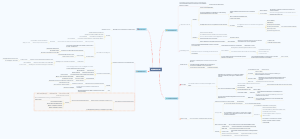
Physiological mind map, breathing chapter, Including lung ventilation and tissue ventilation, gas transportation in the blood, regulation of respiratory movements, pulmonary ventilation, etc.
Edited at 2024-01-14 23:23:49This is a mind map about bacteria, and its main contents include: overview, morphology, types, structure, reproduction, distribution, application, and expansion. The summary is comprehensive and meticulous, suitable as review materials.
This is a mind map about plant asexual reproduction, and its main contents include: concept, spore reproduction, vegetative reproduction, tissue culture, and buds. The summary is comprehensive and meticulous, suitable as review materials.
This is a mind map about the reproductive development of animals, and its main contents include: insects, frogs, birds, sexual reproduction, and asexual reproduction. The summary is comprehensive and meticulous, suitable as review materials.
This is a mind map about bacteria, and its main contents include: overview, morphology, types, structure, reproduction, distribution, application, and expansion. The summary is comprehensive and meticulous, suitable as review materials.
This is a mind map about plant asexual reproduction, and its main contents include: concept, spore reproduction, vegetative reproduction, tissue culture, and buds. The summary is comprehensive and meticulous, suitable as review materials.
This is a mind map about the reproductive development of animals, and its main contents include: insects, frogs, birds, sexual reproduction, and asexual reproduction. The summary is comprehensive and meticulous, suitable as review materials.
breathe
Lung ventilation and tissue ventilation
Basic principles of gas exchange
diffusion of gas
The premise of gas exchange: pulmonary ventilation continuously renews bubbles to maintain the relative stability of alveolar gas PO2 and PCO2
Definition: Gas molecules are constantly moving in an undirected manner. When there is a pressure difference in different areas, there will be a net transfer of gas molecules from high pressure to low pressure.
partial pressure difference of gas
Refers to the pressure generated by each gas component in the mixed gas
When the temperature is constant, the partial pressure difference of a certain gas = the total pressure of the mixed gas × the percentage of the volume of the gas in the mixed gas
It is the driving force for gas diffusion and the key factor that determines the direction of gas diffusion.
Molecular weight and solubility of gases
The relative diffusion rate of gas molecules is inversely proportional to the square root of the gas molecular weight
Gases with smaller molecular weights diffuse faster
Diffusion occurs between a gas and a liquid, and the rate of diffusion is also proportional to the solubility of the gas in the solution
Solubility: The amount of gas dissolved in unit volume under unit partial pressure
Temperature (can be ignored)
Diffusion area and distance
The larger the diffusion area, the larger the total number of molecules diffused. The greater the diffusion distance, the longer it takes to diffuse
Partial pressure of respiratory gases and gases in different parts of the human body
Composition and partial pressure of respiratory air and alveolar air
The volume percentage of each gas in the air generally does not vary from region to region The partial pressure can change due to changes in the total atmospheric pressure. The atmospheric pressure on the plateau is lower, and the partial pressures are also lower.
Partial pressure of blood gases and tissue gases
The partial pressure of gas in blood is also called the tension of gas
lung ventilation
lung ventilation process
When blood flows through 1/3 of the total length of pulmonary capillaries, pulmonary ventilation is basically completed.
Under normal circumstances, the oxygen partial pressure of systemic arterial blood is slightly lower than that of pulmonary venous blood, mainly because a small amount of venous blood from bronchial veins is mixed in.
Factors affecting pulmonary ventilation
thickness of respiratory membrane
That is, the alveolar-capillary membrane, and the respiratory membrane is also called the air-blood barrier (6-layer structure)
The liquid layer of alveolar surfactant, the alveolar epithelial cell layer, the epithelial basement membrane layer, the gap between the epithelial basement membrane and the capillary basement membrane
The gas diffusion rate is inversely proportional to the thickness of the respiratory film. The thicker the respiratory film, the longer it takes for diffusion and the less amount of gas exchanged per unit time.
Any disease that increases the thickness of the respiratory membrane or increases the diffusion distance will reduce the gas diffusion rate
respiratory membrane area
The gas diffusion rate is proportional to the diffusion area
The total area of the two lungs of a normal adult is about 70 square meters. In a quiet state, the respiratory membrane area used for gas diffusion is about 40 square meters, which has a considerable reserve area.
ventilation/blood flow ratio
The ratio of alveolar ventilation per minute to pulmonary blood flow per minute, normal adults at rest -0.84
An increased ratio means hyperventilation or relative insufficient blood flow, part of the alveolar gas cannot be fully exchanged with blood gas, and the alveolar dead space increases.
When the ratio is abnormal, the main reason is hypoxia.
The difference in oxygen partial pressure between arterial and venous blood is much greater than the difference in carbon dioxide partial pressure
The diffusion coefficient of carbon dioxide is about 20 times that of oxygen, so carbon dioxide diffuses quickly and is not easily retained.
When the partial pressure of arterial oxygen decreases and the partial pressure of carbon dioxide increases, it can stimulate breathing, increase alveolar ventilation, and help discharge carbon dioxide.
lung diffusion capacity
The number of milliliters of gas that diffuses through the respiratory membrane per minute under the action of unit partial pressure.
tissue ventilation
Gas exchange between blood and tissue cells in body capillaries
Influencing factors
The distance between tissue cells and capillaries
Tissue metabolism level and intracapillary blood flow velocity
Transport of gases in the blood
oxygen transport
Carrier of oxygen - red blood cells (molecular structural characteristics of hemoglobin in red blood cells)
Both oxygen and carbon dioxide are transported in two new forms, physically dissolved and chemically combined.
The amount of gas dissolved in a solution is directly proportional to its partial pressure and solubility, and inversely proportional to temperature
Molecular structure of hemoglobin (Hb)
It is composed of 1 globin and 4 hemes. The center of the heme group is a divalent iron that can combine with oxygen.
Characteristics of Hb binding to oxygen
Binding reaction is rapid and reversible
Fast binding and dissociation. Binding does not require the participation of enzymes and can be affected by oxygen partial pressure.
The binding reaction is oxygenation rather than oxidation
Does ferrous iron react with oxygen or is it ferrous iron?
The amount of Hb combined with oxygen
One molecule of Hb can combine with 4 molecules of oxygen
Evaluate the amount of Hb bound to oxygen
Hb oxygen capacity: the maximum amount of oxygen that Hb can combine with in 100ml of blood
Hb oxygen content: the amount of oxygen actually combined with Hb in 100ml of blood
Hb oxygen saturation: the percentage of Hb oxygen content and Hb oxygen capacity
HbO2 is bright red and Hb is purple-red. When the Hb content in the blood reaches more than 5g/100ml, the skin and mucous membranes will appear dark purple - cyanosis.
The oxygen dissociation curve is S-shaped
The S shape is related to the allosteric effect of Hb
Hb is compact type (T type)
HbO2 is loose type (R type)
Hb combines with oxygen, the salt bond gradually breaks, and the T type becomes R type.
When HbO2 releases oxygen, Hb gradually changes from R type to T type
oxygen dissociation curve
Curve showing the relationship between blood oxygen partial pressure and Hb saturation
segmentation
Upper section (oxygen partial pressure 60 to 100)
The curve is flatter,
Middle section (40~60)
The curve is steep, reflecting the oxygen supply of blood to tissue fluid in a quiet state.
Lower section (15~40)
The curve is the steepest, indicating that small changes in blood oxygen partial pressure can cause significant changes in Hb saturation, reflecting the reserve capacity of blood oxygen supply.
Factors Affecting Oxygen Dissociation Curve
Effects of blood pH and carbon dioxide partial pressure
When the pH decreases or the carbon dioxide partial pressure increases, the affinity of Hb for oxygen decreases and the curve shifts to the right.
Bohr effect: affinity of blood acidity and carbon dioxide partial pressure for Hb and oxygen
The acidity decreases, which causes the salt bond to break and release H+, causing Hb to transform into R form and increasing its affinity for oxygen.
significance
Promote oxygen uptake by pulmonary capillary blood (promote oxygen binding)
Promote oxygen binding and shift the curve to the left
Promote the release of oxygen from tissue capillary blood (promote oxygen dissociation)
Promote oxygen dissociation and shift the curve to the right
Effect of temperature
As the temperature increases, the affinity decreases and shifts to the right, promoting the release of oxygen; as the temperature decreases, the affinity shifts to the left
The effect of temperature on the oxygen dissociation curve may be related to H+,
As the temperature increases, H+ activity increases, affinity decreases, and shifts to the right
Hypothermic anesthesia - low temperature helps reduce tissue oxygen consumption
2,3-Diphosphoglycerate (2,3-DPG) in red blood cells
2,3-DPG is a product of glycolysis
Under conditions such as chronic hypoxia, anemia, and high mountain hypoxia, glycolysis is strengthened, 2,3-DPG increases in red blood cells, and the oxygen dissociation curve shifts to the right, which is conducive to the release of more oxygen.
Store blood-citrate-glucose solution for more than three weeks
Effects of carbon monoxide
At very low PCO, CO can replace oxygen from HbO2
When CO combines with one heme of Hb, it can increase the affinity of the other three hemes for oxygen, and the curve shifts to the left.
Hb combined with CO gives cherry color
other factors
Affected by its own properties and content, ferrous iron is oxidized to trivalent iron → loses its ability to transport oxygen
transport of carbon dioxide
Transport forms of carbon dioxide
5% shipped in physically dissolved form
95% shipped chemically bound
Bicarbonates
In plasma or red blood cells, dissolved carbon dioxide combines with water to form carbonic acid, which dissociates into carbonate ions and hydrogen ions. The reaction is reversible and requires carbonic anhydrase.
The direction of the reaction depends on the level of PCO2. In tissues, the reaction is to the right; in the lungs, the reaction is to the left.
Lack of carbonic anhydrase in plasma and slower reaction
Acetazolamide - increases tissue PCO2 from 46 to 80
carbamoyl hemoglobin
No enzyme catalysis required, rapid and reversible
The main factor regulating this reaction-oxygenation
CO2 dissociation curve
A curve representing the relationship between CO2 and PCO2 in blood
CO2 in blood can increase with the increase of PCO2, and the CO2 dissociation curve is close to linear, not S-shaped, and has no saturation point.
Factors affecting CO2 transport
Whether Hb combines with oxygen is the main factor affecting CO2 transport
Holden effect: The combination of Hb and O2 can promote the release of CO2. After releasing O2, Hb easily combines with CO2.
Regulation of respiratory movements
The respiratory center and the formation of respiratory rhythm
respiratory center
Definition: A group of neuronal cells that produce respiratory rhythms in the central nervous system and regulate respiratory movements.
The respiratory center includes
spinal cord
Motor neurons in the spinal cord that control respiratory muscles
The spinal cord itself and respiratory muscles cannot produce rhythmic breathing. The respiratory neurons of the spinal cord are relay stations that connect the high-level respiratory center and respiratory muscles, as well as the primary center that integrates certain respiratory reflexes.
lower brainstem
refers to the pons and medulla oblongata
The upper part of the pons - the respiratory regulation center, which inhibits the long-breathing center
Lower part of the pons - the long inhalation center, which exerts a tonic and facilitative effect on inhalation activities and prolongs inhalation
Distribution of respiratory neurons
Dorsal respiratory group dorsomedial to medulla oblongata. Excites phrenic motor neurons in the spinal cord, causing the diaphragm to contract and inhale.
Ventral respiratory group in the ventrolateral medulla. Excites spinal respiratory motor neurons, strengthens inhalation and causes active exhalation, increases pulmonary ventilation, regulates the activity of auxiliary respiratory muscles in the throat, and regulates airway resistance
The pontine respiratory group on the dorsal aspect of the rostral pons. Together with the adjacent KF nucleus, it is called the PBKF nucleus, which is where the respiratory adjustment center is located. It restricts inhalation and promotes inhalation to expiration.
Biorespiratory disease - crisis symptoms that appear before death, possibly because the disease has invaded the respiratory center of the medulla oblongata
higher brain
Above the pons, such as hypothalamus, limbic system, cerebral cortex, etc.
The cerebral cortex can control the activity of respiratory neurons in the spinal cord and lower brainstem at will through the corticospinal tract and cortical brainstem tract.
Respiratory movement is dually regulated by the voluntary nature of the cerebral cortex and the autonomy of the lower brainstem. The descending pathways of these two systems are separate. Sometimes the phenomenon of separation of spontaneous breathing and voluntary breathing can be observed.
The mechanism of respiratory rhythm
Pacemaker cell theory, neuron network theory
reflex regulation of breathing
chemoreceptive respiratory reflex
The regulation of respiratory movement by chemical factors is a reflex regulation
chemoreceptors
peripheral chemoreceptors
Peripheral chemoreceptors located in the carotid and aortic bodies
Arterial blood PO2 decreases, and peripheral chemoreceptors feel stimulation when PCO2 or H+ concentration increases.
central chemoreceptor
The superficial part of the ventrolateral medulla oblongata is a chemically sensitive area that affects the respiratory activity center.
It is divided into three areas: head, middle and tail. The head and tail areas have chemoreceptive lines, while the middle area does not have chemoreceptivity.
The physiological stimulation of central chemoreceptors is H+ in cerebrospinal fluid and local extracellular fluid, which deepens respiratory movement and accelerates pulmonary ventilation.
H+ in the blood cannot easily pass through the blood-brain barrier, and changes in pH in the blood have a weak stimulating effect on central chemoreceptors.
Adaptability exists in respiratory excitatory response
Kidneys regulate blood pH
Bicarbonate ions in the blood can slowly pass through the blood-brain barrier and blood-cerebrospinal fluid barrier, causing the OH in the cerebrospinal fluid and local extracellular fluid to rise, weakening the stimulating effect of H+ on respiratory movement.
Regulation of respiratory movement by CO2, H+, and O2
CO2 level
CO2 is the most important physiological chemical factor in regulating respiratory movements
A certain level of PVO2 is necessary to maintain the basic activities of the respiratory center. Hyperventilation can also inhibit respiratory movement due to increased CO2 discharge.
Two ways to stimulate breathing
Stimulates central chemoreceptors and then excites respiratory center
Stimulates peripheral chemoreceptors, and the impulses are transmitted to the medulla oblongata through the sinus nerve and vagus nerve, which reflexively deepens and speeds up breathing and increases pulmonary ventilation.
H+concentration
The increase in H+ concentration causes respiratory movements to deepen and accelerate, and pulmonary ventilation increases.
Central chemoreceptors are more sensitive to H+ than peripheral chemoreceptors, but H+ passes through the blood-brain barrier more slowly, which limits its effect on central chemoreceptors.
H+ in blood mainly works by stimulating peripheral chemoreceptors
H+ in cerebrospinal fluid is the most effective stimulus to central chemoreceptors
O2 level
When the oxygen partial pressure of the inhaled gas decreases and pulmonary ventilation or pulmonary ventilation dysfunction occurs, PO2 in the arterial blood decreases, which reflexively deepens and accelerates respiratory movements and increases pulmonary ventilation.
The stimulation of peripheral chemoreceptors by hypoxia becomes the main stimulating factor driving respiratory movements.
Interaction of CO2, H+, and O2 in the regulation of respiratory movement
CO2 has the strongest stimulating effect on breathing >H+>O2
Pulmonary stretch reflex (Black-Berry reflex)
lung expansion reflex
Refers to the reflex that inhibits inspiratory activity when the lungs expand (generally not involved in the regulation of respiratory movements)
Receptors located in: smooth muscles from trachea to bronchioles (stretch receptors) Low threshold, slow to adapt
Physiological significance: Accelerates the conversion of inhalation to exhalation and increases respiratory frequency
lung collapse reflex
Receptors: within airway smooth muscle
Function: Prevent breathing too deeply
defensive breathing reflex
cough reflex
The mucosa of the larynx, trachea, and bronchi is mechanically or chemically irritated
sneeze reflex
Stimulates: receptors in the nasal mucosa
The afferent nerve is: trigeminal nerve. Reflex effect: the palatal velum descends, the tongue presses against the soft palate instead of closing the glottal cavity, and the exhaled air is mainly ejected from the nasal cavity
ventilator proprioceptive reflex
Muscle spindles and tendon organs are proprioceptors of skeletal muscles
Respiratory movement and its regulation under special conditions
Breathing regulation during exercise
During exercise, breathing deepens and accelerates, pulmonary ventilation increases, oxygen inhalation and carbon dioxide discharge increase
Breathing regulation under low pressure (high altitude) conditions
The higher the altitude, the lower the atmospheric pressure
The partial pressure of oxygen in the inhaled gas decreases, initially stimulating peripheral chemoreceptors, which then excites the respiratory center, deepens and accelerates respiratory activity, and increases pulmonary ventilation.
Breathing Regulation in Hyperbaric (Diving) Conditions
Gas pressure and volume in a closed container are inversely proportional
Breathing will become deeper and slower as pressure increases
Physiological parameters and significance of clinical monitoring of respiratory status
blood oxygen saturation
arterial blood gas analysis
pulmonary ventilation
breathe
Definition: It is the process of gas exchange between the body and the external environment
Realize lung ventilation organs: respiratory tract, alveoli, pleural cavity, diaphragm, thorax, etc.
process
External respiration: the process of gas exchange between pulmonary capillary blood and the external environment
Pulmonary ventilation: the process of gas exchange between the alveoli and the external environment
Pulmonary ventilation The process of gas exchange between the alveoli and pulmonary capillary blood
Gas transport refers to the transport of oxygen and carbon dioxide in the blood
Internal respiration: gas exchange between tissue cells and tissue capillaries and the oxidative metabolic process within tissue cells
The process of gas exchange between tissue cells and tissue capillaries - tissue ventilation
The main function of the respiratory system: to absorb oxygen required for body metabolism from the external environment and to discharge carbon dioxide produced by metabolism to the outside world.
Principles of pulmonary ventilation
The power of pulmonary ventilation
The pressure difference between the alveoli and the external atmospheric pressure is the direct driving force for lung ventilation.
The rhythmic breathing movement caused by the contraction and relaxation of the ventilator is the driving force behind lung ventilation.
respiratory movement
Definition: Rhythmic expansion and contraction of the thorax caused by contraction and relaxation of respiratory muscles
Main inspiratory muscles: diaphragm and external intercostal muscles Main expiratory muscles: internal intercostal muscles and abdominal muscles
Accessory inspiratory muscles: scalenes, sternocleidomastoid
process of breathing movements
Inhalation is an active process
Exhalation is a passive process
Breathing exercise patterns
Abdominal breathing and chest breathing
Abdominal breathing: Breathing movement based on diaphragm relaxation and contraction activity
The contraction of the diaphragm can cause the displacement of organs in the abdominal cavity, resulting in significant rise and fall of the abdomen.
Chest breathing: Breathing movement based on the contraction and relaxation of the external intercostal muscles
Normal person: abdominal and thoracic mixed breathing Women in late pregnancy-chest breathing Pleural effusion, patients with pleurisy, infants - abdominal breathing
Breathe calmly and breathe hard
Calm breathing: A breathing pattern in which inhalation is active and exhalation is passive.
Forced breathing: The respiratory tract is blocked or the pulmonary ventilation resistance increases during physical labor or exercise, deepening the accelerated breathing pattern.
intrapulmonary pressure
Definition: The pressure of gas in the alveoli, which changes periodically during breathing
Inhalation increases lung volume and decreases intrapulmonary pressure
Influencing factors: the speed and depth of respiratory movements and whether the respiratory tract is unobstructed
intrapleural pressure
Pleural space: A closed, potential, airless, and only small amount of serous fluid space between the visceral pleura on the surface of the lungs and the parietal pleura lining the inner wall of the thorax.
The role of serous fluid in the pleural cavity
The cohesive force between the serous molecules makes the two layers of pleura stick together and are difficult to separate, participating in the formation of negative pressure in the pleural cavity.
The serous fluid acts as a lubrication between the two layers of pleura and can reduce the friction between the two layers of pleura during respiratory movements.
Measurement methods
direct method, indirect method
Intrapleural pressure is negative pressure
The formation of negative pressure is related to intrapulmonary pressure (expanding alveoli) and pulmonary retraction pressure (condensing alveoli) - mainly
significance
Expand the lungs so that they can expand and contract with the expansion and contraction of the thorax
Conducive to the return of venous blood and lymph fluid
Prerequisite: The pleural cavity must maintain its airtightness
resistance to pulmonary ventilation
Elastic resistance and compliance
Elastic resistance (lung elastic resistance and thoracic elastic resistance)
Definition: The force of an elastic body against deformation caused by external forces
Representation-compliance
Definition: The ease with which elastic tissue deforms under the action of external forces
The greater the compliance, the stronger its deformation ability.
The greater the compliance, the smaller the elastic resistance
Lung elastic resistance and lung compliance
When the lungs are expanded, they produce an elastic recoil force in the opposite direction to the direction of lung expansion - resistance to inhalation, power to expiration
Lung compliance measurement: step inhalation/step expiration
Pressure-volume curve (S-shaped)
Larger slope means greater lung compliance
Effect of total lung volume on lung compliance
Total lung capacity: the maximum amount of air the lungs can hold
People with larger total lung capacity have greater lung expansion, smaller elastic recoil, require smaller transpulmonary pressure, and have greater compliance.
Sources of lung elastic resistance - from the elastic component of the lungs and alveolar surface tension (mainly)
Elastic components: own elastic fibers and collagen fibers, etc.
The greater the lung expansion, the stronger its pulling effect, and the greater the lung's retraction force and elastic resistance.
The surface tension of the lungs comes from the force at the liquid-air interface on the inner surface of the lung alveoli that reduces the surface area of the liquid.
The surface tension coefficient (T) remains unchanged, and the retraction force of the alveoli is inversely proportional to the alveolar radius.
Alveoli of different sizes are connected to each other, and the gas in the small alveoli flows into the large alveoli, causing the small alveoli to collapse and close and the large alveoli to overexpand, causing the alveoli to lose stability.
pulmonary surfactant
A mixture of lipids and proteins synthesized and secreted by alveolar type II epithelial cells
The main lipid is dipalmitoyl lecithin (DPPC)
Amphiphilic molecule with a non-polar hydrophobic fatty acid at one end - insoluble in water One end is polar - easily soluble in water
Main function-reduce alveolar surface tension and reduce alveolar retraction force
physiological significance
Reduce inspiratory resistance and reduce inspiratory work
Maintain the stability of alveoli of different sizes
Prevent pulmonary edema
Regulate alveolar retraction force to facilitate breathing
Premature infants may develop neonatal respiratory distress syndrome due to immature alveolar type II cells.
Pulmonary congestion: When pulmonary tissue fibrosis or pulmonary surfactant decreases, pulmonary compliance decreases, elastic resistance increases, and patients experience difficulty in inhaling.
Emphysema: The elastic components of the lungs are greatly destroyed, the retraction force of the lungs is reduced, the compliance is increased, the elastic resistance is reduced, and the patient has difficulty exhaling.
Thoracic elastic resistance and thoracic compliance
Elastic component derived from the ribcage
When the rib cage is in its natural position - the rib cage does not deform and does not show elastic resistance
Lung capacity < 67% of total lung capacity - the thorax is pulled inward and shrinks, and the elastic resistance is outward, which is the driving force for inhalation and the resistance for exhalation
Lung capacity > 67% of total lung capacity - the thoracic cage is pulled outward and expanded, its elastic resistance is inward, the resistance of inhalation, the power of expiration
Total elastic resistance and total compliance of the lungs and thorax
The total elastic resistance of the lungs and thorax = lung elastic resistance + thoracic elastic resistance
inelastic resistance
Including: airway resistance, inertial resistance, tissue viscous resistance
Airway resistance = difference between atmospheric pressure and intrapulmonary pressure/gas flow per unit time
Airway resistance is affected by airflow speed, airflow pattern, airway diameter, etc.
Main factors affecting airway caliber
Transmural pressure: the difference in pressure between the inside and outside of the respiratory tract
High pressure within the respiratory tract → high transmural pressure, passive expansion of airway caliber, and reduced airway resistance
Traction of the lung parenchyma on the airway wall
Maintains normal bronchioles without cartilage support
Regulation of the autonomic nervous system
Parasympathetic nerves contract airway smooth muscles, making the diameter smaller and airway resistance increased.
Sympathetic nerves enlarge the diastolic diameter of airway smooth muscles and reduce airway resistance
The influence of chemical factors
Catecholamines - airway smooth muscle relaxation Among prostaglandins, PGF2a-airway smooth muscle contraction PGE2-airway smooth muscle relaxation
Evaluation of pulmonary ventilation function
lung volume and lung volume
lung volume
The amount of gas that the lungs can hold under different conditions changes with respiratory movement
Tidal volume: the amount of air inhaled or exhaled with each breath (400 to 600)
The size depends on the strength of the ventilator contraction, the mechanical characteristics of the chest and lungs, and the metabolic level of the body.
Supplementary inhalation volume: Calm down at the end of inhalation, then inhale as hard as you can to inhale the amount of gas you can (1500~2000)
Reflects the inspiratory reserve
Supplementary expiratory volume: The amount of air that can be exhaled after calming down at the end of expiration and then exhaling as hard as possible (900~1200)
Reflects expiratory reserve volume
Maximum residual volume is the amount of gas that remains in the lungs at the end of expiration and cannot be exhaled (1000~1500)
It can prevent alveoli from collapsing under low lung volume conditions. Collapse requires extremely large transmural pressure to achieve alveolar re-expansion.
Patients with bronchial asthma and emphysema have increased residual air volume due to difficulty in exhalation
Lung capacity
The combined gas volume of two or more items in lung volume
Deep inspiratory volume: the amount of air that can be inhaled during maximum inhalation from the end of quiet exhalation
Tidal volume + supplementary inspiratory volume
One of the indicators of maximum ventilation potential
Functional residual volume: the amount of air remaining in the lungs at the end of quiet expiration
Residual volume + supplementary expiratory volume
Physiological significance: buffering the amplitude of oxygen partial pressure and carbon dioxide partial pressure in the alveoli during inhalation
vital capacity
The maximum amount of air that can be exhaled from the lungs after inhaling as hard as possible
= tidal volume + supplementary inspiratory volume + supplementary expiratory volume
Forced vital capacity: The maximum amount of air that can be exhaled as quickly as possible after one maximum inhalation.
Forced expiratory volume: the amount of gas that can be exhaled within a certain period of time after one maximum inhalation and exhalation as quickly as possible.
FEV1/FVC is a commonly used indicator in clinical differentiation between obstructive pulmonary disease and restrictive pulmonary disease.
Total lung capacity: the maximum amount of air the lungs can hold
= vital capacity + remaining air volume
Determination of functional remaining air volume
Pulmonary ventilation and alveolar ventilation
pulmonary ventilation
The total volume of air inhaled or exhaled per minute = tidal volume × respiratory rate
Labor or exercise → Increased pulmonary ventilation
Maximum voluntary ventilation: the maximum amount of air that can be inhaled or exhaled per minute when breathing deeply and quickly as hard as possible
Influencing factors: reduced lung or thoracic compliance, weakened respiratory muscle strength, increased airway resistance → reduced maximum voluntary ventilation
alveolar ventilation
Anatomical Dead Space Part of the inhaled gas remains in the respiratory tract between the nose or mouth and the terminal bronchioles, and does not participate in the gas exchange between the alveoli and blood. The volume of this part of the conductive respiratory tract
related to weight
Alveolar dead space: All the gas entering the alveoli cannot be exchanged with the blood due to uneven distribution of blood flow in the lungs. This part of the alveolar volume that cannot be exchanged
Normal people are close to 0
Effective gas exchange volume - alveolar ventilation
Shallow and fast breathing is detrimental to the body’s respiration Deep and slow breathing increases alveolar ventilation and respiratory muscle work
Maximum expiratory flow-volume curve
The ascending limb of the MEFV curve is steeper, and when the lung volume is larger, the expiratory flow rate increases with the increase in muscle force.
The descending branch of the MEFV curve is relatively flat, showing the maximum expiratory flow rate for different lung volumes during expiration.
Airway reactivity measurement (bronchial provocation test)
Breathing work
Refers to the work done by the ventilator to overcome ventilation resistance and achieve lung ventilation during exercise.
Work of breathing = change in transmural pressure × lung volume, unit: Joule