Wondershare EdrawMind
MindMap Gallery AI/ML
AI/ML
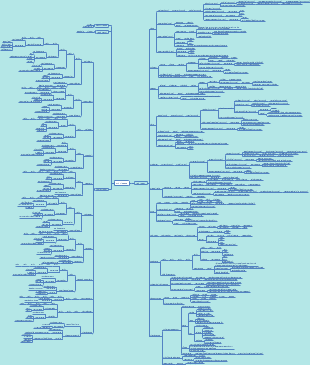
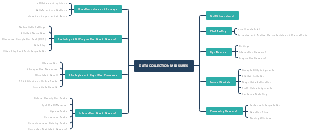
This is a clear mind map involving the type of data, how to build AI, pre-processing techniques, etc. It elaborates on how to handle different types of data, how to build artificial intelligence systems, and how to use pre-processing techniques to optimize data. This is very important for data scientists and AI researchers.
Edited at 2024-06-12 12:07:12
- AI/ML
This is a clear mind map involving the type of data, how to build AI, pre-processing techniques, etc. It elaborates on how to handle different types of data, how to build artificial intelligence systems, and how to use pre-processing techniques to optimize data. This is very important for data scientists and AI researchers.
- Personal Development Plan
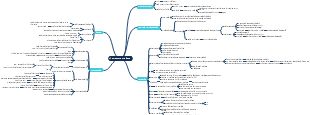
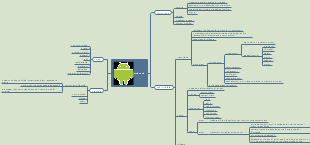
Personal development plan refers to the long-term or short-term goals set for oneself, as well as the planning and efforts made to achieve these goals. Developing a personal development plan has multiple functions: firstly, it can help us clarify our career or life goals, making us no longer confused. With direction, we will have self motivation. Secondly, personal development plans can drive our continuous learning and growth, whether it is professional knowledge, skills, or other soft power. In this rapidly changing era, if we don't advance, we will retreat. Personal development plans encourage us to keep up with the pace of the times. Finally, it can enhance our self-management ability, improve work efficiency, and more effectively achieve our goals. In summary, a personal development plan is crucial for a person's growth and development. This is a mind map about personal development plans. The map contains four main branches, namely: Data Engineering, Data Analytics, AI with Gen AI, and Data Science. Suitable for people interested in personal development plans.
- Basic Engineering, Production and Event Control
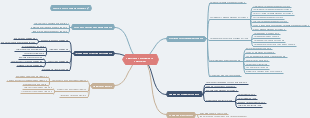
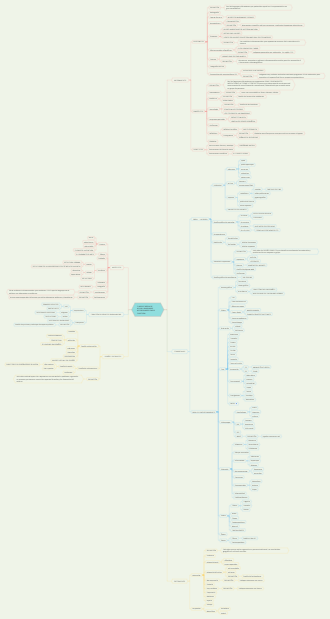
BEPEC (Basic Engineering, Production and Event Control) is a foundational course that involves data engineering, data analysis, and data science. This course aims to provide students and practitioners with a basic understanding and skills in the fields of data science and engineering, including data collection, cleaning, processing, storage, querying, analysis, and visualization. In this course, students will learn how to apply various tools and techniques for data engineering, such as database management, data warehousing, data lakes, etc. At the same time, students will also learn the basic concepts and methods of data analysis, such as descriptive analysis, predictive analysis, and normative analysis, as well as how to use statistical analysis, machine learning, and artificial intelligence technologies for data mining and prediction. In addition, the course will also introduce the basic principles and methods of data science, including data preprocessing, feature engineering, model selection and evaluation, as well as how to apply data science knowledge to solve practical problems. This is a mind map about BEPEC. The map contains three main branches, namely: Data Engineering, Data Analytics, Data Science, and AI with Gen AI. Except for Data Analytics, all other main branches have detailed descriptions of multiple branches. Suitable for people who are interested in this.
AI/ML
- AI/ML
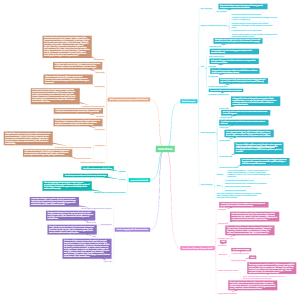
This is a clear mind map involving the type of data, how to build AI, pre-processing techniques, etc. It elaborates on how to handle different types of data, how to build artificial intelligence systems, and how to use pre-processing techniques to optimize data. This is very important for data scientists and AI researchers.
- Personal Development Plan
Personal development plan refers to the long-term or short-term goals set for oneself, as well as the planning and efforts made to achieve these goals. Developing a personal development plan has multiple functions: firstly, it can help us clarify our career or life goals, making us no longer confused. With direction, we will have self motivation. Secondly, personal development plans can drive our continuous learning and growth, whether it is professional knowledge, skills, or other soft power. In this rapidly changing era, if we don't advance, we will retreat. Personal development plans encourage us to keep up with the pace of the times. Finally, it can enhance our self-management ability, improve work efficiency, and more effectively achieve our goals. In summary, a personal development plan is crucial for a person's growth and development. This is a mind map about personal development plans. The map contains four main branches, namely: Data Engineering, Data Analytics, AI with Gen AI, and Data Science. Suitable for people interested in personal development plans.
- Basic Engineering, Production and Event Control
BEPEC (Basic Engineering, Production and Event Control) is a foundational course that involves data engineering, data analysis, and data science. This course aims to provide students and practitioners with a basic understanding and skills in the fields of data science and engineering, including data collection, cleaning, processing, storage, querying, analysis, and visualization. In this course, students will learn how to apply various tools and techniques for data engineering, such as database management, data warehousing, data lakes, etc. At the same time, students will also learn the basic concepts and methods of data analysis, such as descriptive analysis, predictive analysis, and normative analysis, as well as how to use statistical analysis, machine learning, and artificial intelligence technologies for data mining and prediction. In addition, the course will also introduce the basic principles and methods of data science, including data preprocessing, feature engineering, model selection and evaluation, as well as how to apply data science knowledge to solve practical problems. This is a mind map about BEPEC. The map contains three main branches, namely: Data Engineering, Data Analytics, Data Science, and AI with Gen AI. Except for Data Analytics, all other main branches have detailed descriptions of multiple branches. Suitable for people who are interested in this.
- Recommended to you
- Outline