MindMap Gallery agriculture and the environment
This is a clear mind map covering increasing agricultural yields, impact of agriculture, etc. It elaborates on how to increase agricultural yields through different methods and techniques, as well as the impact of agriculture on the environment and society. This is important for agricultural workers and policymakers seeking to improve agricultural production and mitigate its negative impacts.
Edited at 2024-06-13 00:19:073. AGRICULTURE AND THE ENVIRONMENT
3.1 Soil composition
Mineral particles: combination of rock fragments and other inorganic substances.
Organic content: mixture of living plants, animals, microorganisms and their dead remains.
Air: held within the pore spaces (between the mineral particles and organic content).
Water: held within the pore spaces (water that is available for plant growth). o Water enters the soil when there’s precipitation or when the soil is irrigated.
The proportion of these components depends on
Local climatic conditions
Way it has been managed
Type of soil;
Size of the mineral particles
Soil can be classified into three groups
3.2 Soils for plant growth
Soil is the cheapest and most abundant medium in which water, mineral nutrients, anchorage and oxygen can be supplied to a plant.
Plants require a supply of nitrogen, phosphorus, potassium and a range of other elements to construct proteins and carry out life processes.
Organic content: decomposers that produce humus (rich in nutrients)
High levels of organic matter
Soil pH
Drainage: capacity of the soil to drain water must be medium (no water loss; no surplus amount of water).
Ease of cultivation: how easily the soil can be ploughed.
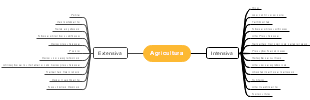
3.3 Agriculture types
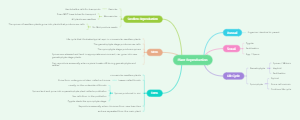
3.4 Increasing agricultural yields
Crop rotation: the principle of growing different types of plants in different plots each year.
Legumes: have nitrogen-fixing bacteria in their root nodules.
Leafy crops: vegetables that are required for their leaves (require a lot of nitrogen left by legumes).
Root crops: have deep root systems.
SubtopicFallow: the land is ploughed but left barren for a period to restore soil fertility and to avoid surplus production.
Advantages of crop rotation:
Diseases in the soil affecting the plant are left behind;
Pests need to find a new site ؞ their population is reduced;
SubtThe soil in the new plot is likely to have the essential nutrients;opic
Crops ready to harvest at different times ؞ less potential waste, less labour and machinery needed.
Fertilisers: contain minerals such as nitrogen, potassium and phosphorus. Add on to the nutrients available in the soil.
Irrigation: supplying water to the crops.
Pest: an animal that attacks or feeds upon a crop plant.
Pesticide: used to control pests.
Weed control: weed-killing chemicals are known as herbicides.
A crop disease is caused by fungi, bacteria or viruses (pathogens).
Insect control: insect-controlling chemicals are called insecticides.
Subtopic
Subtopic
Subtopic
Subtopic
Subtopic
3.5 Impact of agriculture
Overuse of herbicides and insecticides: oRegular use of one insecticide can cause resistance within the pest population. Solution: use a range of different pesticides.
Overuse of fertilisers:
Addition of extra mineral nutrients is waste of money and resources if the soil has reached its maximum level; o Heavy rain can dissolve the nutrients and cause leaching; o Excess water containing dissolved fertilisers drain into nearby lakes and rivers, leading to eutrophication; o Nitrates from fertilisers if consumed can cause diseases such as blue-baby syndrome; o Large quantities can affect the pH of the soil and in turn, the availability of minerals; o Too much of trace elements can be toxic to the plant. o Too much fertiliser dehydrates the plant (scorching); o Imbalance of nutrient makes the plant produce lots of foliage, but no flower.
Solution: strict limits on where, when and how the fertilisers must be applied; can replace with organic fertilisers.
Mismanagement of irrigation causing salinisation and water logging:
Overproduction and waste:
Waste from overproduction: the unsold proportion of the crop.
Waste of storage space: may take longer to sell a crop; some crops need special conditions.
Waste of transportation: to sell a crop, a farmer may need to travel longer distances.
Exhaustion of mineral ion content:
Soil erosion:
Cash crops replacing food crops:
3.6 Causes and impacts of soil erosion
Causes of soil erosion:
Impacts of soil erosion:
3.7 Managing soil erosion
Terracing: prevents the erosion of soil by rainwater on steep slopes.
Contour ploughing: ploughing of land along the contour in a parallel way.
Bunds: artificial banks at the edges of growing spaces tohold back water. oUseful for crops that require moist soils e.g. rice. oThe water is retained on the terrace. oIncreases the quantity and fertility of the soil
Windbreaks: a permeable barrier used to reduce the impact of wind on an area.
Maintaining vegetation cover
No dig’ method
Addition of organic matter to improve soil structure
Provides additional air gaps in the soil ؞ improves soil structure;
Increases decomposers in the soil as they feed on the matter;
Adds nutrients to the soil after decomposition.
Acts like a sponge, holding the extra water, preventing dehydration of the soil;
Reduces soil erosion as the organic matter acts like a base to smaller particles.
Planting trees:
Mixed cropping
Intercropping:
Crop rotation
3.8 Sustainable agriculture Topic
Aims of sustainable agriculture:
Meeting the needs of the population for agricultural products;
Making efficient use of non-renewable resources;
Supporting the natural ecosystem by following natural processes with farming techniques;
Sustaining the economic independence of farmers
Organic fertilisers
Are slow acting ؞ reduces the risk of eutrophication;
Are a waste product ؞ using them saves on disposal costs;
Are already present on many farms ؞ minimal transport costs;
Do not require energy for their manufacture;
Also improve soil structure.
Managed grazing:
Prevention of overgrazing;
Ensure sufficient grazing;
Maintaining appropriate soil fertility by animal waste;
Maintaining good drainage prevents compaction of the soil.
Crop rotation:
Use of pest-resistant varieties of crops: reduces pesticide use.
Use of drought-resistant varieties of crops: reduces water usage for irrigation.