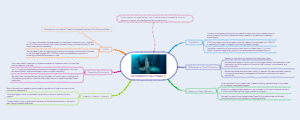
A. Primitive chordates and their affinities.
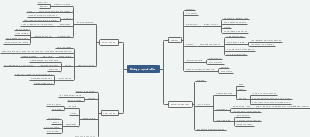
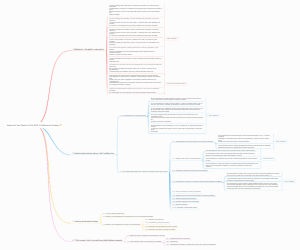
B. General Characteristics and Classification of ProtochordataC. Type study: AmphioxusA. General Characteristics and Classification of CyclostomesAffinities of cyclostomeComparative account of Petromyzon and MyxineB. General Characteristics, Classification and Basic organization of Pisces Migration in fishesParental care in fishes A. General Characteristics and Classification of AmphibiaB. Origin of TetrapodaC. Parental care in amphibiaD. Adaptability to dual mode of lifeA. General Characteristics and Classification of ReptiliaC.Poisonous and non-poisonous snake, Poison apparatus, biting mechanism and snake venomA. General CharacteristicsandClassificationofAves,Archaeopteryx,Adaptation for aerial mode of life,Migration in birds,
General Characteristics and Classification of Protochordata
Protochordates are primitive chordates that lack a backbone.
They include three major groups: Tunicates, Cephalochordates, and Hemichordates.
Tunicates are marine organisms with a sac-like body structure and a filter-feeding lifestyle.
Cephalochordates, represented by Amphioxus, have a close resemblance to the ancestral form of vertebrates.
Hemichordates, such as acorn worms, exhibit features both of chordates and non-chordate invertebrates.
Type study: Amphioxus
Amphioxus is a small marine animal commonly known as the "lancelet."
It possesses several key characteristics of chordates, including a notochord, dorsal hollow nerve cord, and pharyngeal gill slits.
The body of Amphioxus is elongated and fish-like, with segmentation and myotomes.
It has a filter-feeding mode of nutrition and a simple circulatory system.
General Characteristics and Classification of Cyclostomes
Cyclostomes are jawless fish-like vertebrates.
They include two extant groups: Hagfishes (Myxine) and Lampreys (Petromyzon).
Affinities of cyclostome
Cyclostomes are considered to be the most primitive vertebrates.
They lack jaws and paired appendages.
Their body is covered with a slimy secretion generated by specialized glands.
The skeleton of cyclostomes is cartilaginous.
Comparative account of Petromyzon and Myxine
Petromyzon, also known as lamprey, is a parasitic cyclostome that attaches to other fishes and feeds on their blood.
Myxine, commonly known as hagfish, is a scavenger that feeds on dead animals.
Both Petromyzon and Myxine have similar body features, such as a cartilaginous skeleton, no paired fins, and a sucker-like mouth.
General Characteristics, Classification, and Basic organization of Pisces
Pisces refers to the fish, a group of cold-blooded vertebrates.
They are classified into two major groups: Chondrichthyes (cartilaginous fish) and Osteichthyes (bony fish).
Migration in fishes
Many fish species exhibit migratory behavior, traveling long distances for spawning, feeding, or adapting to changing environmental conditions.
Fish migration may involve complex navigational abilities and physiological adaptations.
Parental care in fishes
Some fish species display parental care, which includes guarding eggs, providing shelter, or protecting the young until they can fend for themselves.
General Characteristics and Classification of Amphibia
Amphibia are cold-blooded vertebrates that undergo a metamorphic life cycle.
They include frogs, toads, salamanders, and caecilians.
Origin of Tetrapoda
Amphibia are considered the transitional group between aquatic and terrestrial vertebrates.
They evolved limbs with digits, allowing them to move efficiently on land.
Parental care in amphibia
Some amphibians exhibit parental care, such as guarding eggs, providing shelter, or carrying tadpoles on their back.
Adaptability to dual mode of life
Amphibians have adaptations that allow them to survive both in water and on land.
They have gills during their larval stage and develop lungs or other breathing mechanisms as adults.
General Characteristics and Classification of Reptilia
Reptiles are cold-blooded, scaly-skinned vertebrates.
They include turtles, snakes, lizards, crocodiles, and alligators.
Poisonous and non-poisonous snake, Poison apparatus, biting mechanism, and snake venom
Some snake species possess venomous glands and specialized fangs to inject venom into their prey.
The venom helps in immobilizing or killing the prey.
Non-venomous snake species rely on constriction or swallowing the prey whole.
General Characteristics and Classification of Aves
Aves refers to birds, warm-blooded vertebrates with feathers and beaks.
They are adapted for aerial mode of life, possessing wings and a lightweight skeleton.
Archaeopteryx is considered the ancestor of modern birds.
Adaptation for aerial mode of life
Birds have numerous adaptations for flight, including hollow bones, streamlined bodies, and efficient respiratory and circulatory systems.
Migration in birds
Many bird species undergo seasonal migrations to find suitable feeding and breeding grounds.
 Wondershare EdrawMind