Definition and Types
Immune cells are cells that play a crucial role in the immune response.
There are various types of immune cells, including
1. T cells: These cells coordinate the immune system and directly attack infected cells.
2. B cells: These cells produce antibodies that can neutralize pathogens.
3. Natural killer cells: These cells can kill virus-infected or cancerous cells.
4. Macrophages: These cells engulf and destroy pathogens.
5. Dendritic cells: These cells capture and present antigens to activate other immune cells.
Remember that this is just a brief outline of immune cells, and there is much more to explore within this topic.
Importance of Immune Cells
Immune cells are vital for maintaining the body's defense against pathogens and foreign substances.
Understanding immune cell functions and interactions can help develop treatments for immune-related disorders and diseases.
Factors Impacting Immune Cell Function
Several factors can influence immune cell function
1. Age: Immune cell function may decline with age, making older individuals more susceptible to infections and diseases.
2. Stress: Chronic stress can impair immune cell activity and increase susceptibility to illness.
3. Nutrition: Proper nutrition is essential for optimal immune cell function.
4. Exercise: Regular exercise can enhance immune cell activity and improve overall immune response.
5. Diseases: Certain diseases, like cancer or autoimmune disorders, can disrupt immune cell function.
Immune Cell Interactions
Immune cells communicate and interact with each other to mount an effective immune response.
1. T cell-B cell interaction: T cells help activate B cells, which then produce antibodies.
2. T cell-Macrophage interaction: T cells can stimulate macrophages to enhance their pathogen-killing abilities.
3. Antigen presentation: Dendritic cells present antigens to T cells, initiating an immune response.
4. Cytokine signaling: Immune cells release cytokines to communicate and coordinate immune activities.
Functions of Immune Cells
1. Recognition: Immune cells can recognize foreign antigens and differentiate them from body's own cells.
2. Activation: Once activated, immune cells initiate an immune response against the detected antigens.
3. Regulation: Immune cells help regulate the immune response to maintain balance and avoid excessive reactions.
4. Destruction: Immune cells can directly kill infected or abnormal cells through various mechanisms.
5. Memory: Certain immune cells, such as memory B and T cells, remember specific pathogens for faster response in future encounters.
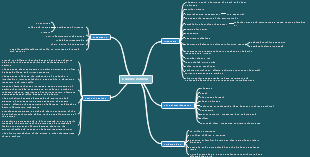
Immune Cells: These are the body's defense system against pathogens and foreign substances .
Triggers: Immune cells can be activated by various factors like infections, injuries, or the recognition of abnormal cells .
Infections, injuries, and abnormal cells can activate immune cells .
Immune cells respond to triggers such as infections or injuries .
Various factors can activate immune cells, including infections and injuries .
Abnormal cells recognition activates immune cells .
Immune cells are triggered by factors like infections, injuries, and abnormal cell recognition.
Responses: Once triggered, immune cells can eliminate pathogens, coordinate inflammation, and even remember pathogens for future protection .
Understanding the interplay between immune cells, triggers, and responses is crucial for developing therapies and vaccines.
1. Immune cells, triggers, and responses are intertwined in a complex dance, influencing the effectiveness of therapies and vaccines .
2. Unlocking the interplay between immune cells, triggers, and responses holds the key to advancing treatments and preventive measures .
3. A comprehensive understanding of immune cells, their triggers, and responses is essential for the successful development of therapies and vaccines.
 Wondershare EdrawMind