MindMap Gallery managing employees'performance
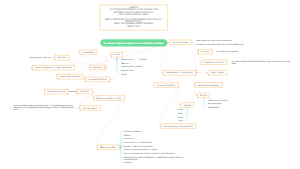
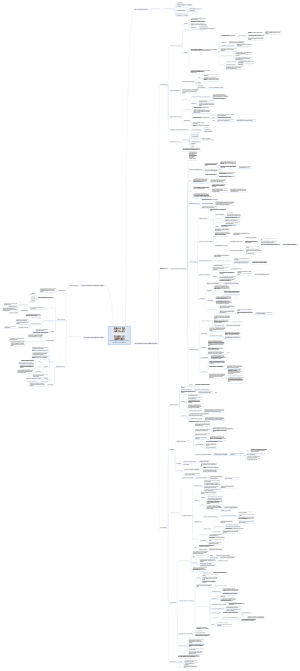
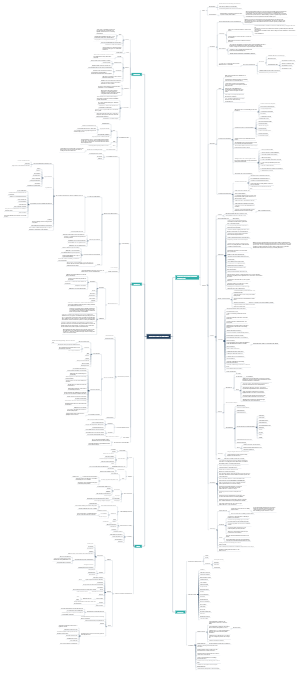
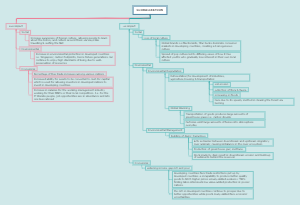
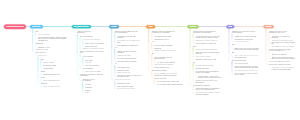
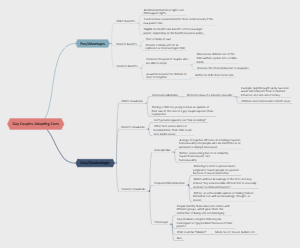
This mind map clearly displays content such as Purpose of Performance Management, Raters Errors and Bias, Types of Rating Errors. By analyzing these core issues related to organizational behavior and human resource management, the map further reveals how to improve the accuracy and fairness of performance evaluations.
Edited at 2024-07-03 04:34:54Managing Employees' Performance
Performance management
Process through which managers ensure that employees' activities and outputs contribute to the organization goals.
This process requires:
Knowing desired activities & outputs
Observing whether they occur
Providing feedback to help employees meet expectation
Steps of Performance Management Process
Step 1: Define performance outcomes for company division & departments
Step 2: Develop employee goals, behavior and actions to achieve outcomes
Step 3: Provide support and ongoing performance discussion
Step 4: Evaluate performance
Step 5: Identify improvements needed
Step 6: Provide consequences for performance results
Purpose of Performance Management
Strategic purpose
Effective performance management helps the organization achieve its business objectives
Administartive purpose
Use the system to provide information for day to day decisions about salary, benefits and recognition programs
Developmental Purpose
Serve as a basis for developing employees' knowledge and skills
Types of Rating Errors
Contarst error: Rater compares an individual, not against an objective standard, but against other employees
Distributional error: Rater tends to use one part of rating scale
Leniency: The reviewer rates everyone near the top
Strictness: The rater favors lower ranking
Central Tendency: The rater puts everyone near the middle of the scale
Raters Errors and Bias
Rater bias: Rater often let their opinion of one quality color their opinion of others
Halo error: When bias is in favorable direction. This can mistakenly tell employees they don't need to improve in any area.
Horns error: When bias involves negative ratings. This can cause employees to feel frustrated and defensive.
Political Behavior in Performance Appraisal
Technique to minimize appraisal politics: Calibration Meeting
Meeting at wchi managers discuss employee performance ratings
Provide evidence supporting their ratings with the goal of eliminating influence of rating errors.
Sorces of Performance Information
360-Degree Performance Appraisal
Performance measurement that combines information from employees
Managers
Peers
Subordinates
Self
Customers
Performance management is critical for executing a talent managment system
Involves one-on-one contact with managers to ensure that proper training and development are taking place
Methods for Measuring Performance
Comparative
Simple Ranking
Requires manager to rank employees from highest to lowest performer in the group
Quality of work
Communication skills/ Leadership
Job Knowledge
Initiative
Follow directions/ Policy
Forced Distribution: Assigns a certain percentage of employees to each category in a set of categories
Paried Comparisons: Compares each employee with each other employee to establish rankings
Attribute
Graphic Ranking Scale: List traits and provide a rating scale for each traits
Mixed-Standard Scale: Uses several statements describing each trait to produce a final score for that trait
Behavior
Critical-Incident Method
Based on managers' records of specific examples of employees acting in ways that are either effective or ineffective
Employees receive feedback about what they do well and what they do poorly and how they are helping the organization achieve its goal
Behaviorally Anchored Rating Scale (BARS)
Rates behavior in terms of a scale showing specific statements of behavior that describe different levels of performance
Behavioral Observation Scale (BOS)
Variation of BARS
Asks the manager to rate frequency with which the employee has exhibited the e behavior during rating period
Organizational Behavir Modification (OBM)
Managing behavior of employees through a formal system of feedback and reinforcement
Results
Productivity
Measure of success because getting more done with a smaller amount of resources (money or people) increase the company's profits
Management by Objectives (MBO)
People at each level of organization set goals from top to bottom level so that all levels are contributing to achieve organization goals.
These goals are the standards for evaluating each employee's performance
Quality
Total Quality Management (TQM): Provides methods for performance measurement and management
Performance measurement combines measurements of attributes and results
2 kinds of feedback in TQM
Subjective feedback
Statictical quality control
Coaches provide feedback to their team just as managers provide feedback to their employee
Individuals know what they are doing well and what areas they may need to work on based on feedback
Criteria for Effective Performance Management
Fit with strategy
Validity
Reliability
Acceptability
Specific feedback
Managing Employees' Performance
6 Ways to Structure Communication
Focus on goals
Listen as well as talk
Be honest and positive
Prevent surprises and prepare for success
Use the specific concrete example
Treat employees with respects
Giving Performance Feedback
Scheduling Performance Feedback
Should be regular, expected management activity
Annual feedback is not enough
Employee should receive feedback so often that they know what the manager will say during their annual performance review
Prepairing for a Feedback Session
Managers should be prepared for each formal feedback session
Tell-and-Sell: Managers tell employees their ratings and then justify those ratings
Tell-and-Listen: Managers tell employees their ratings and then let employees explain view
Problem-Solving: Managers and employees work together to solve performance problem
Legal Requirements for performance Management
To protect against discrimination and unjust dismissal of lawsuit, it is important to have a leggally defensible performance system
A Legally Defensible performance management system:
Based on valid job requirements, with requirements for job success clearly communicated to employees
Evaluates behaviors or results, rather than traits
Multiple raters (including self-appraisal) used
All performance ratings reviewed by upper-level managers
Appeals mechanism for employees
Legal and Ethical Issues in Performance Management
Legal: Perfromance management processes are often scrutinized in cases of discrimination or dismmissal.
Ethical: Employee monitoring via electronic devices and computers may raise concerns over employee privacy