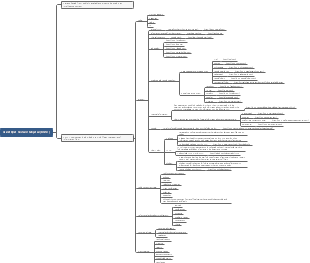
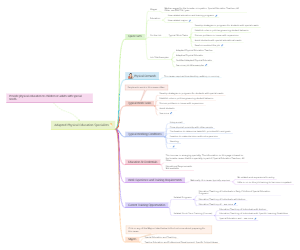
The model was originally published in 1978 by Walter Dick and Lou Carey in their book entitled The Systematic Design of Instruction. The model addresses instruction as an entire system, focusing on the interrelationship between context, content, learning and instruction. According to Dick and Carey, "Components such as the instructor, learners, materials, instructional activities, delivery system, and learning and performance environments interact with each other and work together to bring about the desired student learning outcomes".
Identify Instructional Goal(s)
Conduct Instructional Analysis:
2. Identify what a learner must recall and identify what learner must be able to do to perform particular task .
Analyze Learners and Contexts:
3. Identify general characteristics of the target audience including prior skills, prior experience, and basic demographics; identify characteristics directly related to the skill to be taught; and perform analysis of the performance and learning settings.
Write Performance Objectives:
4. Objectives consists of a description of the behaviour, the condition and criteria. The component of an objective that describes the criteria that will be used to judge the learner's performance.
Develop Assessment Instruments
5. Purpose of entry behaviour testing, purpose of pretesting, purpose of post-testing, purpose of practice items/practice problems
Develop Instructional Strategy
6. Pre-instructional activities, content presentation, Learner participation, assessment.
Develop and Select Instructional Materials
7. Develop and Select Instructional Materials
Design and Conduct Formative Evaluation of Instruction:
8. Design and Conduct Formative Evaluation of Instruction: Designer try to identify areas of the instructional materials that are in need of improvement
Revise Instruction:
9. Revise Instruction: To identify poor test items and to identify poor instruction
Design and Conduct Summative Evaluation
10. Design and Conduct Summative Evaluation
 Wondershare EdrawMind