Wondershare EdrawMind
MindMap Gallery annual increase in rio tinto's output with oyu tolgoi and simandou fully active
annual increase in rio tinto's output with oyu tolgoi and simandou fully active
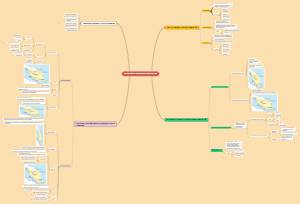
The mind map delves into the impact of China's economic slowdown, the Oyu Tolgoi copper mine, and the Simandou Mountains. It analyzes the potential effects of these phenomena on the global economy, international trade, and resource development, while also exploring response strategies and long-term trends.
Edited at 2024-07-18 17:14:44
Recent works
View more works>>
annual increase in rio tinto's output with oyu tolgoi and simandou fully active
Recent works
View more works>>
- Recommended to you
- Outline
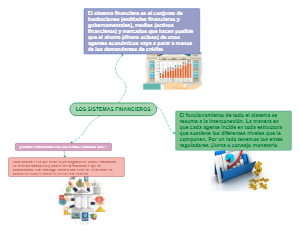
Understanding Financial Systems: Components, Functions, and Regulatory Bodies
- 164