MindMap Gallery setting up a neighborhood alarm monitoring company
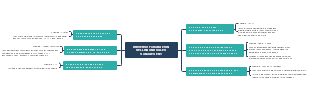
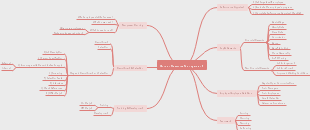
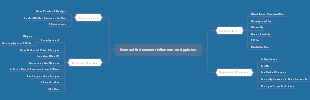
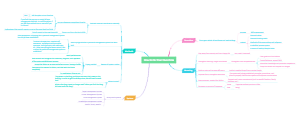
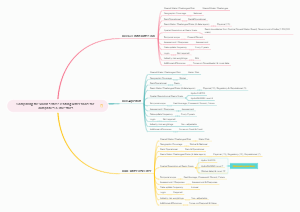
This is a mind map about setting up a neighborhood alarm monitoring company, a vital venture aimed at enhancing community safety. It elaborately explains the two vital organizational management areas of "code of conduct implementation" and "contracts administration." Each area is further detailed across different levels.
Edited at 2024-07-24 08:12:44Setting up a neighborhood alarm monitoring company:

Legal considerations
Comply with relevant laws and regulations.
Stay updated on local, state, and federal laws related to alarm monitoring and security.
Ensure the company's operations and contracts align with legal requirements.
Protect customer privacy and data security.
Implement measures to protect customer information from unauthorized access or disclosure.
Comply with data protection laws and regulations.
Obtain necessary insurance coverage.
Assess the company's risks and liabilities and obtain appropriate insurance coverage.
Consider coverage for property damage, liability claims, and employee injuries.
Code of conduct implementation
Develop a code of conduct for employees.
Define the expected behaviors, ethics, and values of the company.
Communicate the code of conduct to employees and require their acknowledgement and compliance.
Enforce the code of conduct.
Establish a process for reporting and addressing code of conduct violations.
Take appropriate disciplinary actions when violations occur, ensuring fair treatment.
Conduct regular reviews and updates of the code of conduct.
Monitor the effectiveness of the code and make improvements as necessary.
Seek employee feedback to ensure the code remains relevant and aligned with the company's values.
Identify the target market and location for the company.
Conduct market research to understand the demand for alarm monitoring services in the neighborhood.
Analyze the competitive landscape and identify potential competitors.
Develop a business plan for the company.
Define the mission, vision, and goals of the company.
Determine the pricing strategy for the services offered.
Create a budget for the initial setup and ongoing operations.
Register the company and obtain necessary licenses and permits.
Research the legal requirements for starting an alarm monitoring company in the target location.
Register the company with the appropriate government agencies.
Obtain necessary permits and licenses to operate legally.
Contracts administration
Define the types of contracts required for the company.
Identify the different types of contracts needed such as customer contracts, vendor contracts, and employee contracts.
Determine the terms and conditions that should be included in each contract.
Draft contracts that protect the interests of the company.
Consult with a legal professional to ensure that the contracts comply with the relevant laws and regulations.
Include terms related to payment terms, service level agreements, and termination clauses.
Review and negotiate contracts with customers, vendors, and employees.
Conduct thorough reviews of contracts to ensure they meet the company's requirements.
Negotiate terms and conditions with the parties involved to reach a mutual agreement.
Set up an office and purchase required equipment.
Find a suitable location for the office that is easily accessible.
Purchase alarm monitoring equipment such as surveillance cameras, motion detectors, and security systems.
Install alarm monitoring and security systems in the office.
Marketing strategies
Develop a marketing plan to promote the company's services.
Identify the target audience and understand their needs and preferences.
Define the unique selling propositions and competitive advantages of the company.
Determine the most effective marketing channels to reach the target audience.
Implement digital marketing strategies.
Create a professional website that showcases the company's services and provides relevant information to potential customers.
Utilize search engine optimization techniques to improve the website's visibility in search engine results.
Utilize social media platforms to engage with the target audience and promote the company's services.
Implement traditional marketing strategies.
Create brochures, flyers, and business cards to distribute in the neighborhood and other targeted areas.
Advertise in local newspapers, magazines, and community bulletin boards.
Participate in local events and sponsor community initiatives to increase brand awareness.
Finance management
Establish a financial management system.
Set up accounting software to manage the company's financial transactions.
Hire or consult with a professional accountant to handle financial matters.
Develop a financial plan and budget.
Determine the startup costs and ongoing expenses of the company.
Allocate funds for marketing, operations, and staffing requirements.
Monitor and analyze financial performance.
Track income and expenses on a regular basis to ensure profitability.
Conduct financial analysis to identify areas for improvement and cost-saving opportunities.
Cash flow management
Manage cash flow effectively.
Create a cash flow forecast to project the expected income and expenses.
Implement strategies to ensure timely payments from customers and manage outgoing payments to vendors.
Establish credit control procedures.
Implement credit policies to manage customer credit and minimize bad debts.
Monitor accounts receivable and follow up on overdue payments.
Maintain a cash reserve for emergencies and unexpected expenses.
Set aside a portion of the company's income as a contingency fund.
Use the cash reserve to cover unforeseen expenses or bridge temporary cash flow gaps.
Accounts management
Set up an efficient accounts management system.
Create a chart of accounts that accurately reflects the company's financial transactions.
Assign account codes to different types of income and expenses for easy tracking and reporting.
Manage accounts receivable and payable.
Create invoices for services rendered and track payments received.
Monitor accounts payable and ensure timely payment of vendors.
Reconcile accounts regularly.
Conduct regular bank reconciliations to match records with bank statements.
Verify that all transactions are accurately recorded and identify any discrepancies.
Operations processes
Establish standardized operating procedures.
Define the step-by-step processes for alarm monitoring and response.
Train employees on these procedures to ensure consistent and efficient operations.
Implement a robust incident management system.
Develop protocols for handling emergencies and alarms.
Have a designated team responsible for monitoring and responding to alarms.
Regularly review and update operations processes.
Continuously improve the efficiency and effectiveness of operations.
Seek feedback from customers and employees to identify areas for improvement.
Staffing requirements
Determine the staffing needs of the company.
Identify the roles and responsibilities required for alarm monitoring and response.
Consider the need for administrative staff, sales and marketing personnel, and technical support.
Recruit and hire qualified employees.
Advertise job openings and conduct interviews to find suitable candidates.
Conduct background checks and verify credentials.
Provide training and development opportunities.
Train employees on alarm monitoring processes, customer service, and other relevant skills.
Offer ongoing training to keep employees updated on the latest technology and industry trends.