MindMap Gallery democratic political coliation
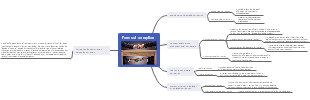
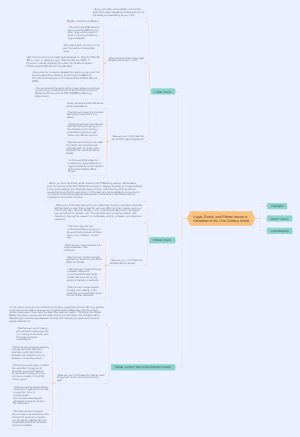
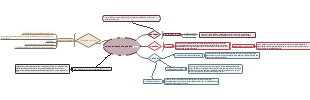
This mind map elaborately explains the two core themes of "objectives" and "human rights protection," further analyzing them on different levels. The objectives section focuses on clear pursuits and expected outcomes; human rights protection delves into safeguard measures under the framework of international law and their implementation challenges.
Edited at 2024-07-26 07:27:41DEMOCRATIC POLITICAL COLIATION (DPC)
Objectives
Implementation of Federal System based in Democracy
Advocating for Transitional Constitution
The coalition must push for Transitional Constitution to ensure that future political situation and allowing all parties to participate and political consensus.
Engaging with Civil Society
Building alliances with civil society organizations can help mobilize grassroots support and foster a culture of democratic engagement among citizens
International Advocacy
The DPC should work with international bodies such as the United Nations and ASEAN to apply diplomatic pressure on the military junta to relinquish power
National Reconciliation and Peacebuilding
Inclusive Dialogue
The DPC should facilitate dialogue among various ethnic groups, including armed factions, to address grievances and seek common ground for peace
Federalism as a Solution
Advocating for a federal system that grants autonomy to ethnic states can help address long-standing issues related to governance and representation
Transitional Justice Mechanisms
Establishing mechanisms for accountability regarding past human rights abuses will be essential for building trust among communities
Human Rights Protection
Monitoring Violations
The coalition should work with international human rights organizations to document abuses and hold perpetrators accountable
Promoting Freedom of Expression
Ensuring that media outlets can operate freely is vital for fostering an informed citizenry capable of participating in democratic processes
Supporting Vulnerable Populations
Special attention must be given to marginalized groups, including women, children, and ethnic minorities who face heightened risks during conflicts
Economic Recovery and Development
Sustainable Development Goals (SDGs)
Aligning economic policies with SDGs can promote inclusive growth while addressing poverty alleviation
International Economic Partnerships
The DPC should seek partnerships with foreign governments and NGOs to attract investment focused on rebuilding infrastructure and creating jobs.
Support Local Economies
Encouraging local entrepreneurship through microfinance initiatives can empower communities economically while reducing dependency on external aid
Strengthening Democratic Institutions
Judicial Independence
Advocating for an independent judiciary will help ensure that laws are applied fairly without political interference
Capacity Building for Governance
Training programs aimed at enhancing the skills of public servants can improve governance quality at all levels
Civic Education Programs
Educating citizens about their rights and responsibilities within a democratic framework will encourage active participation in governance processes
International Solidarity and Support
Building Alliances with Global Democracies
Forming coalitions with other democratic nations can amplify efforts against authoritarianism in Myanmar
Utilizing Sanctions Wisely
Targeted sanctions against military leaders may pressure them into negotiations while minimizing harm to ordinary citizens
Humanitarian Aid Coordination
Collaborating with international organizations to provide humanitarian assistance will address immediate needs while maintaining pressure on the junta regarding human rights issues
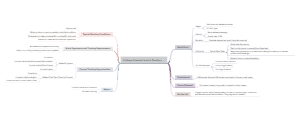
Key Components of the Coalition
Advisory Committees
Formed around specific issues such as human rights, economic policy, foreign relations, and social justice.
Include experts and activists who can provide insights and recommendations
Leadership Council
Comprised of representatives from major political parties, ethnic armed organizations (EAOs), civil society organizations (CSOs),youth movements and minority groups.
Responsible for strategic decision-making and overall direction.
Policy Development Unit
Tasked with drafting policy proposals based on research and community input
Collaborate with advisory committees to ensure policies are comprehensive and inclusive
Communication Team
Manage internal communication among coalition members.
Develop external messaging strategies to engage with the public and international community
Regional Representatives
Ensure that all regions of Myanmar are represented within the coalition
Focus on local issues and mobilize grassroots support
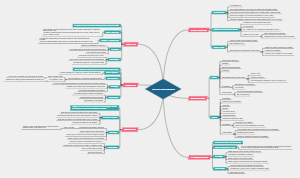
Key Components of the Coalition Structure
Inclusion of Diverse Political Parties
Emerging Political Movements
Civil Disobedience Movement Organization
Regional Based Organization
Political Parties
Minority Group
Establishment of a Central Leadership Council
A Central Leadership Council could be formed to facilitate decision-making and coordination among coalition members. This council should consist of representatives from each major faction within the coalition, ensuring equitable representation.
Regional Representation
Given Myanmar’s diverse geography and ethnic composition, regional representatives should be included in decision-making processes. This can help address local issues effectively and foster trust among different communities.
Civil Society Engagement
Involving civil society organizations (CSOs) is crucial for grassroots mobilization and advocacy efforts. CSOs can provide valuable insights into public sentiment and help bridge gaps between political leaders and citizens.
International Support and Advocacy
The coalition should actively seek support from international organizations, foreign governments, and NGOs to apply pressure on the military junta while promoting democratic values globally.
Roles and Responsibilities
Leadership Council
Guides the coalition’s vision, sets priorities, coordinates efforts between different factions, and represents the coalition in negotiations or discussions with external entities
Policy Development Unit
Engages with communities to gather input on pressing issues; drafts policies that address these concerns; ensures alignment with democratic principles
Communication Team
Crafts messages that resonate with both domestic audiences and international stakeholders; manages public relations efforts; utilizes social media platforms for outreach
Advisory Committees
Provide specialized knowledge on critical areas affecting Myanmar; facilitate discussions among diverse groups to build consensus on policy matters
Regional Representatives
Act as liaisons between local communities and the central leadership; ensure that regional voices are heard in national dialogues
Implementation Strategy
Conduct workshops to educate members about democratic principles and collaborative governance
Establish regular meetings for coordination among different units within the coalition
Create feedback mechanisms allowing constituents to voice their opinions on policies being developed
Strategies for Coalition Effectiveness
Clear Communication Channels
Establishing transparent communication channels within the coalition will help prevent misunderstandings and conflicts among members.
Consensus-Building Mechanisms
Implementing consensus-building mechanisms will allow for collaborative decision-making while respecting differing viewpoints within the coalition.
Public Awareness Campaigns
Launching public awareness campaigns about the coalition’s goals can enhance legitimacy and garner broader support from citizens who may feel disenfranchised or disconnected from traditional politics.
Conflict Resolution Frameworks
Creating frameworks for conflict resolution will be essential given Myanmar’s history of ethnic tensions; this will help manage disputes within both the coalition itself and between different communities.
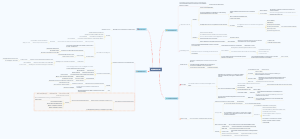
political activities
Advocacy for Human Rights and Democracy
Raising Awareness
Conducting campaigns to inform both domestic and international audiences about human rights abuses occurring in Myanmar, particularly those perpetrated by the military regime
Lobbying International Bodies
Engaging with organizations such as the United Nations, ASEAN, and other international bodies to push for sanctions against military leaders and support for democratic movements
Supporting Civil Society Organizations
Collaborating with local NGOs and civil society groups that work on human rights issues to amplify their voices and provide them with resources
Building a Unified Opposition Front
Coalition Building
Facilitating dialogues between different ethnic groups, political parties, and civil society organizations to form a cohesive opposition front against military rule
Establishing Common Goals
Working towards a shared vision for a democratic Myanmar that respects diversity and promotes inclusivity among all ethnicities
Promoting Political Education
Workshops and Training Programs
Organizing educational initiatives aimed at teaching citizens about democracy, governance, and how to participate effectively in political processes
Utilizing Digital Platforms
Leveraging social media and online platforms to disseminate information widely, especially given restrictions on traditional media
Supporting Nonviolent Resistance
Promote Peaceful Protests
Organizing peaceful demonstrations that highlight calls for democracy while ensuring participants’ safety
Training in Nonviolent Strategies
Providing training sessions on nonviolent protest tactics, civil disobedience, and community organizing
Engaging with the International Community
Diplomatic Outreach
Establishing relationships with foreign governments to advocate for policies that support democracy in Myanmar
International Solidarity Campaigns
Partnering with global organizations to create campaigns that raise awareness about the situation in Myanmar
Economic Initiatives
Supporting Local Economies
Encouraging investment in local businesses that align with democratic values while avoiding companies linked to the military regime
Promoting Fair Trade Practices
Advocating for fair trade initiatives that empower local communities economically without supporting oppressive structures
Fostering Regional Cooperation
Regional Dialogues
Initiating discussions with ASEAN members regarding collective responses to the crisis in Myanmar
Cross-Border Support Networks
Establishing networks of support across borders where refugees or displaced persons from Myanmar can receive assistance