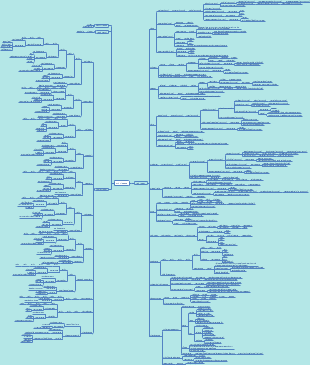
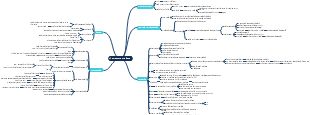
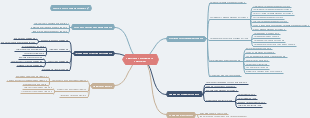
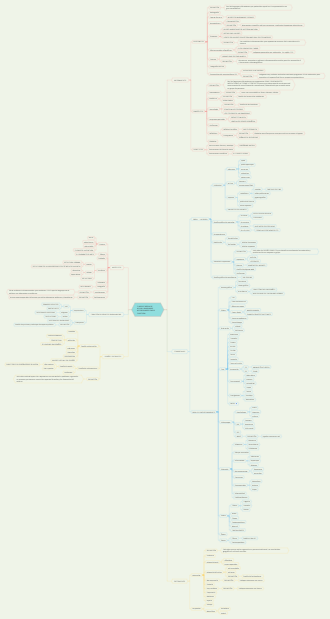
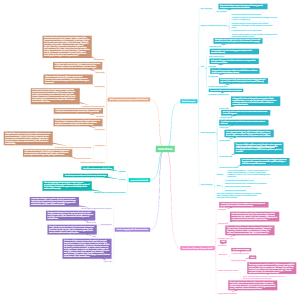
Why should you learn Angular?
History and background of Angular
Key features and benefits of using Angular
Overview of Angular architecture
The basic building blocks of an Angular application
Modules and their role in Angular applications
Components and their lifecycle in Angular
Services and their importance in Angular
Directives and their usage in Angular
Pipes and their function in Angular
Setting up development environment
Installing Node.js and npm
Creating a new Angular project
Configuring the development environment
Installing IDEs and useful development tools
Getting started with Angular CLI
Creating components, modules, services, and other Angular artifacts with CLI commands
Running development server with Angular CLI
Building and deploying Angular application using Angular CLI
Understanding and customizing Angular CLI configuration
Understanding Angular components
What are Angular components?
Component lifecycle hooks in Angular
Creating and using components in Angular applications
Communicating between components using inputs and outputs
Using component decorators for data binding and event handling
Working with Angular templates
Creating templates in Angular using HTML and Angular template syntax
Binding data and properties to templates
Using template expressions and template statements
Structural directives and their usage in templates
Template reference variables and their importance
Data binding in Angular applications
Understanding the concept of data binding in Angular
One-way data binding and two-way data binding
Property binding and attribute binding
Event binding and event handling in Angular
Class and style binding in Angular
Handling events in Angular
Event handling in Angular components
Using event binding and event emitters
Capturing and reacting to DOM events
Understanding event propagation and event modifiers
Handling keyboard and mouse events in Angular
Understanding Angular directives
What are Angular directives?
Built-in directives in Angular
Custom directives and their usage
Structural directives and attribute directives in Angular
Directives vs components in Angular
Working with Angular forms
Creating and handling forms in Angular
Template-driven forms vs reactive forms
Form validation and error handling in Angular
Using Angular forms with HTML5 validation
Custom form controls and form control decorators
Implementing routing in Angular applications
Introduction to Angular Router
Configuring routes in Angular
Navigating between routes in Angular
Passing data between routes in Angular
Guarding routes in Angular for authentication and authorization
Working with services and dependency injection
Creating and using services in Angular applications
Understanding the dependency injection mechanism in Angular
Hierarchical injectors and provider scope in Angular
Using dependency injection to share data and functionality in Angular
Creating custom injectable services in Angular
Managing state with RxJS in Angular
Introduction to reactive programming with RxJS
Using observables and subjects in Angular
Managing state and handling asynchronous operations in Angular
Combining multiple observables and using operators
Using RxJS with Angular for data streams and event handling
Understanding Angular modules and lazy loading
What are Angular modules?
Creating and using modules in Angular
Lazy loading modules in Angular for optimized performance
Sharing modules and components between different parts of an Angular application
Feature modules vs shared modules in Angular
Handling HTTP requests in Angular applications
Making HTTP requests in Angular using HttpClient module
Sending different types of requests (GET, POST, PUT, DELETE)
Using HTTP interceptors for request and response handling
Handling errors and retries in HTTP requests in Angular
Testing HTTP requests in Angular applications
Implementing authentication and authorization in Angular
User authentication and authorization concepts in Angular
Implementing authentication with JSON Web Tokens (JWT)
Creating and securing routes based on user roles and permissions
Handling login and logout functionality in Angular
Persisting authentication state in Angular applications
Working with Angular animations
Introduction to Angular animations
Animating component properties and styles in Angular
Creating complex animations with keyframes and transitions
Triggering animations based on user interactions in Angular
Animating route transitions in Angular applications
Unit testing in Angular applications
Introduction to unit testing in Angular
Setting up testing environment with Karma and Jasmine
Writing unit tests for Angular components, services, and pipes
Mocking dependencies and using test doubles in Angular tests
Running and analyzing unit test results in Angular
Optimizing Angular application performance
Performance optimization techniques for Angular applications
Lazy loading and code splitting for faster application loading
AOT compilation and tree shaking for smaller bundle sizes
Optimizing rendering performance with Angular change detection strategies
Profiling and analyzing performance bottlenecks in Angular applications
Deployment and hosting of Angular applications
Deploying Angular applications to different hosting platforms
Building and packaging Angular application for production deployment
Configuring server-side routing for Angular applications
Continuous integration and deployment for Angular applications
Monitoring and scaling Angular applications in production environments
 Wondershare EdrawMind