Wondershare EdrawMind
MindMap Gallery electricity
electricity
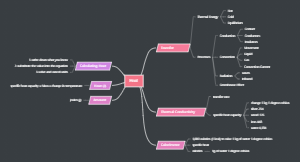
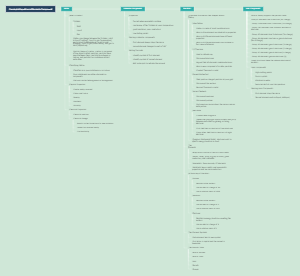
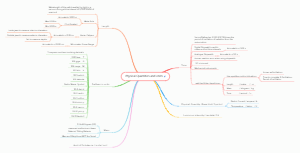
This mind map comprehensively analyzes three fundamental concepts in electrical engineering: "resistance, electric power, current". The section on "resistance" covers the principles and measurement methods of resistance; "electric power" discusses the calculation and practical applications of electrical power; "current" explains the formation and control techniques of electric current. These are crucial for understanding circuitry and power systems, laying a solid foundation for learning and application in related fields.
Edited at 2024-08-02 06:10:07
- magnetic effect of current
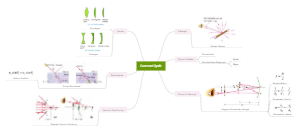
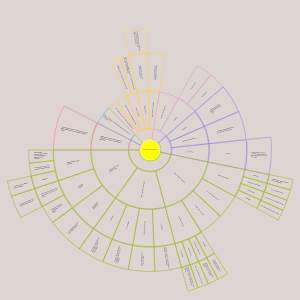
This mind map delves into the magnetic field created by an electric current and the force exerted on charged particles within a magnetic field. The layer-by-layer analysis of physical phenomena makes complex concepts accessible. This step-by-step approach not only aids students in mastering the relevant knowledge but also enhances their understanding of electromagnetism at deeper levels.
- electricity
This mind map comprehensively analyzes three fundamental concepts in electrical engineering: "resistance, electric power, current". The section on "resistance" covers the principles and measurement methods of resistance; "electric power" discusses the calculation and practical applications of electrical power; "current" explains the formation and control techniques of electric current. These are crucial for understanding circuitry and power systems, laying a solid foundation for learning and application in related fields.
electricity
- magnetic effect of current
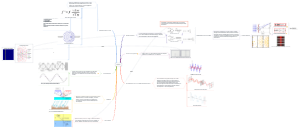
This mind map delves into the magnetic field created by an electric current and the force exerted on charged particles within a magnetic field. The layer-by-layer analysis of physical phenomena makes complex concepts accessible. This step-by-step approach not only aids students in mastering the relevant knowledge but also enhances their understanding of electromagnetism at deeper levels.
- electricity
This mind map comprehensively analyzes three fundamental concepts in electrical engineering: "resistance, electric power, current". The section on "resistance" covers the principles and measurement methods of resistance; "electric power" discusses the calculation and practical applications of electrical power; "current" explains the formation and control techniques of electric current. These are crucial for understanding circuitry and power systems, laying a solid foundation for learning and application in related fields.
- Recommended to you
- Outline