MindMap Gallery NERVOUS SYSTEM
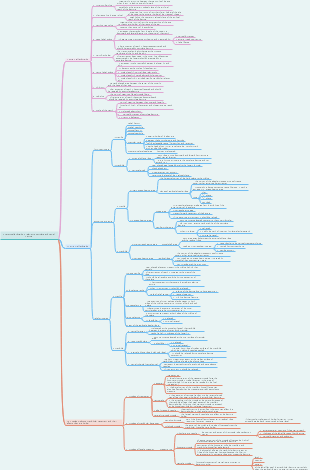
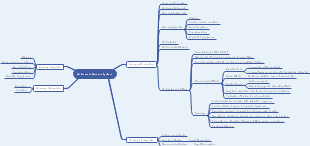
The nervous system comprises CNS and PNS, the latter including: 1) Motor neurons (skeletal muscle control); 2) Autonomic nerves (sympathetic/parasympathetic regulation); 3) Sensory neurons. Autonomic dysfunction causes 200+ clinical conditions like arrhythmia, while motor neuron damage drives ALS, making these mechanisms key to neurodegenerative disease research.
Edited at 2024-10-26 02:19:12The nervous system includes motor neurons, autonomic nerves, and somatic nerves. Motor neurons transmit signals from the brain and spinal cord to muscles, controlling body movements such as muscle contraction and posture maintenance. Autonomic nerves regulate the functions of internal organs, blood vessels, and smooth muscles, with the sympathetic and parasympathetic nervous systems maintaining a balance to stabilize the internal environment. Somatic nerves are responsible for transmitting skin sensations and skeletal muscle movements, enabling the body to perceive external stimuli and respond accordingly.

The nervous system comprises CNS and PNS, the latter including: 1) Motor neurons (skeletal muscle control); 2) Autonomic nerves (sympathetic/parasympathetic regulation); 3) Sensory neurons. Autonomic dysfunction causes 200+ clinical conditions like arrhythmia, while motor neuron damage drives ALS, making these mechanisms key to neurodegenerative disease research.
The nervous system includes motor neurons, autonomic nerves, and somatic nerves. Motor neurons transmit signals from the brain and spinal cord to muscles, controlling body movements such as muscle contraction and posture maintenance. Autonomic nerves regulate the functions of internal organs, blood vessels, and smooth muscles, with the sympathetic and parasympathetic nervous systems maintaining a balance to stabilize the internal environment. Somatic nerves are responsible for transmitting skin sensations and skeletal muscle movements, enabling the body to perceive external stimuli and respond accordingly.
The nervous system comprises CNS and PNS, the latter including: 1) Motor neurons (skeletal muscle control); 2) Autonomic nerves (sympathetic/parasympathetic regulation); 3) Sensory neurons. Autonomic dysfunction causes 200+ clinical conditions like arrhythmia, while motor neuron damage drives ALS, making these mechanisms key to neurodegenerative disease research.
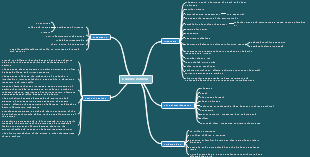
NERVOUS SYSTEM:This system detects and responds to changes inside and outside of the body and it coordinates and controls vital aspects of body functions.
PNS(PERIPHERAL NERVOUS SYSTEM
The peripheral nervous system consists of cranial nerves and spinal nerves. The peripheral nervous system consists of all nerves belonging to both somatic and autonomic nervous system. Cranial nerves which originates in the base of the brain and flow out through foramina in the base of the skull. Peripheral nerves can be sensory(carrying impulses from the brain to skeletal, smooth or cardiac muscles and glands) or it can also be mixed(containing both sensory and motor fibres.)
MOTOR NEURONS
Output from the central nervous system. Involves the movement of the skeletal muscles. Transmits impulses from the central nervous system or affector organs. Essentail for an adequate and appropriate reaction to environment or stimuli. Motor signals are transmitted to the body via the corticospinal tracts of the spinal cord.
AUTONOMIC NERVES
Facilitates the involuntary movements of muscles. It is divided into parasymphathetic and symphathetic systems. Involved in a range of involuntary functions including cardiac and smooth muscle contraction and glandularsecretion.
SYMPATHETHIC STIMULATION
Prepares the body for activity and is concerned with the fight and flight mechanism.Symphathetic activity predominates in stressful situations as it equips the body to respond when exertion and exercise are required.
The student nurse will have abnormalities in her eye by symphathetic stimulation because her pupils will dilate as she is going to open her eyes widely giving the appearance of alertness and shock, and she might experience eye discomfort also which can reduce tear production. The effect on the student skin by symphathetic stimulation will contract the muscles in the hair follicles giving appearance of goose flesh and the peropheral blood vessels will constrict increasing bllod supply available to active organs and activata sweat glands.
SOMATIC NERVES
Facilitates voluntary movement of the skeletal muscles. Refllex skeletal muscle contraction. Glandular secretion. It has one neurone and it is called lower motor neurone
PARASYMPATHETHIC STIMULATION
Conserve bodily energy and maintains visceral functions at basal levels. Homeostasis.
SENSORY NEURONS
.Input into the central nervous system. These neurons help to transmit impulses towards the brain and transmits information via the brain via the spinal cord. This involves sensory receptors that stimulate pain, heat, cold and touch on the skin. The receptors generates impulses which are conducted by three neurons to sensory area where sensation and location is percieved. sensory receptor in tendons, muscles and joints are called proprioceptors and are stimulated by stretch. Together with impulses from the eyes and ears they contribute to the maintainance of balance and posture,and wth perception of the position of the body in space. neurons are specialiized cells that transmit chemical and electrical signals to facilitate communication between the brain and the body.
CNS (CENTRAL NERVOUS SYSTEM
THhis system consists of brain and spinal cord.these structures are both protected from injury and damage. The brain is a large organ which lies in the cranial cavity. Brain is the bodies control centre and consists of cerebrum, the brain stem with medulla oblongata, pons and midbrain then the celebellum. Spinal cord is an elongated almost cylindrical part of the central nervous system. Spinal cord is the nervous system tissue link between the brain and the rest of the body.