MindMap Gallery Inflammation of female reproductive system
Inflammation of the female reproductive system is a common health problem for women, mainly including vaginitis, cervicitis, pelvic inflammatory disease, etc. These inflammations can be caused by different pathogens and can bring with them a range of symptoms and complications. The following is a detailed analysis of inflammation in the female reproductive system.
Edited at 2024-10-13 10:16:21Lezione 12 della storia, l'ascesa della democrazia nazionale in Asia, Africa e America Latina, questa mappa del cervello ti aiuta a familiarizzare con i punti chiave della conoscenza e rafforzare la memoria. Gli studenti bisognosi possono aggiungere un segnalibro.
Questa è una mappa mentale sull'introduzione alla competenza di Chat GPT.
Questa è una mappa mentale sulla condivisione di profonde abilità di utilizzo.
Lezione 12 della storia, l'ascesa della democrazia nazionale in Asia, Africa e America Latina, questa mappa del cervello ti aiuta a familiarizzare con i punti chiave della conoscenza e rafforzare la memoria. Gli studenti bisognosi possono aggiungere un segnalibro.
Questa è una mappa mentale sull'introduzione alla competenza di Chat GPT.
Questa è una mappa mentale sulla condivisione di profonde abilità di utilizzo.
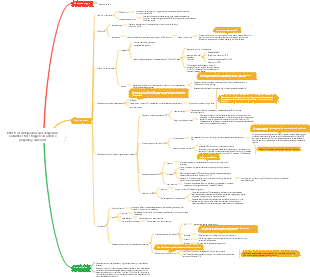
Inflammation of female reproductive system
physiological defense mechanism
Anatomical mechanism-reproductive tract closed state
vaginal ecological balance
Self-purification effect (estrogen + Lactobacillus)
Vaginal pH (3.8~4.4)
Lactobacilli (produce H2O2 bacteriocins)
normal vaginal flora
G+ aerobic bacteria and facultative anaerobic bacteria
Lactobacillus Corynebacterium Enterococcus Staphylococcus epidermidis
G-aerobic bacteria and facultative anaerobic bacteria
Gardnerella Escherichia Escherichia Morganella
obligate anaerobic bacteria
Peptococcus/Streptococcus Fusobacterium
other
Mycoplasma Candida
Vaginitis
Trichomonas vaginitis
Trichomonas vaginalis direct transmission indirect transmission
Clinical manifestations-increased leucorrhea, vulvar itching, thin purulent, foamy
Vaginal mucosa congestion and edema, strawberry cervix
diagnosis
Trichomonas found in vaginal secretions
Avoid sexual intercourse 24 to 48 hours before removal. Use medication. Do not use lubricant for the speculum. Keep warm after removal and send for examination in time.
Treatment-systemic medication, couples treated together, metronidazole
Metronidazole can be used during pregnancy and tinidazole should be avoided
Cure - Trichomonas was not found after three consecutive menstrual examinations
Vulvovaginal candidiasis
Candida autoinfection opportunistic disease
Clinical manifestations - acidic vaginal pH, itching of the vulva, excessive secretions, thick white, curd-like or tofu-like appearance
Vulvar erythema with scratches, vaginal mucosa redness and swelling, and white membrane attached
Diagnosis - wet mount or G staining to detect blastospores and pseudohyphae
Treatment-Remove susceptible factors Miconazole Itraconazole Nystatin
Initial treatment-7~14d
Consolidation treatment - 6 months
bacterial vaginosis
Disturbances of normal vaginal flora, decrease in lactobacilli, increase in anaerobic bacteria (Gardnerella), autoinfection
Clinical manifestations - Mild vulvar pruritus, fishy smell and thin vaginal discharge, gray leucorrhea Mean
Vaginal mucosa normal
Diagnosis-3/4
Homogeneous thin white vaginal discharge
Vaginal secretions pH>4.5
Amine odor test positive
Positive clue cells >20%
treat
Systemic medication - metronidazole, tinidazole, clindamycin
Topical – Breastfeeding Clindamycin Ointment
atrophic vaginitis
Low estrogen levels, seen in young girls and the elderly, self-infected
Clinical manifestations - vulva burning and discomfort, itching, thin vaginal discharge, yellowish or bloody abscess
Vaginal mucosal atrophy, congestion, edema, erosion
Diagnosis - medical history + clinical manifestations: Microscopic examination of vaginal secretions shows a large number of white blood cells but no Trichomonas
Treatment-antibacterial drugs (metronidazole, norfloxacin), estrogen supplementation (estriol ointment)
Cervicitis
acute cervicitis
Causes and pathogens
Sexually transmitted disease pathogens - Neisseria gonorrhoeae Chlamydia trachomatis
Endogenous Pathogens - Bacterial Vaginosis Pathogens Mycoplasma
clinical manifestations
Increased vaginal discharge, thick and purulent
Discharge irritates vulva itching and burning sensation
Bleeding between periods and bleeding after intercourse may occur
Combined with urinary tract infection, frequent urination, urgent urination and painful urination
Cervical congestion and edema, purulent discharge
diagnosis
One characteristic sign + one evidence of leukocytosis
Characteristic signs
Purulent or mucopurulent secretions visible to the naked eye on cervical canal or endocervical swab specimens
Wiping the cervical canal with cotton swabs can easily induce intracervical bleeding
White blood cell test
Gram stain of purulent secretions from cervical canal, neutrophils>30/HP
Vaginal secretion wet film examination: white blood cells >10/HP
Identify the pathogen
Neisseria gonorrhoeae
Secretion Gram stain G-diplococci Bacterial culture (gold standard) Nucleic acid detection PCR
Chlamydia trachomatis
Chlamydia culture Enzyme-linked immunosorbent assay to check for antibodies (commonly used) Nucleic acid detection (sensitive and specific)
treat
Timely, sufficient, standardized and thorough treatment of sexual partners at the same time
Empirical antibiotic treatment - suitable for patients with high-risk factors (<25 years old, multiple sexual partners, unprotected intercourse)
Azithromycin doxycycline
targeted antibiotic treatment
Simple acute Neisseria gonorrhoeae - high dose single dose ceftriaxone third generation cephalosporin
Chlamydia trachomatis-Tetracycline Erythromycin Fluoroquinolone
Gonococcus combined with Chlamydia trachomatis - ceftriaxone + doxycycline
chronic cervicitis
pathology
Chronic cervical mucositis - limited to cervical mucosa and submucosal tissue, increased cervical mucus, purulent discharge
Cervical polyps - cervical canal gland stromal hyperplasia protruding from the external cervical os, rarely malignant transformation
Cervical hypertrophy-glandular stromal hyperplasia Cervical hypertrophy and toughness
Cervical gland cyst is a physiological change
treat
chronic cervical mucositis
Asymptomatic - Observation and treatment based on the cause
Physical therapy for those with symptoms who are ineffective with medication
laser freezing microwave
Cervical hypertrophy - generally no treatment required
Cervical polyps - surgical removal and sent to pathology
pelvic inflammatory disease
acute pelvic inflammatory disease
Causes of disease
Infection after intrauterine surgical procedures Sexual activity - more common in women who are sexually active Age - most common between 15 and 25 years old Lower genital tract infection-cervicitis vaginosis Poor sexual hygiene - vaginal douching during menstrual intercourse Severe spread to adjacent organs - appendicitis
route of infection
Ascending spread of the reproductive tract - gonococcus and chlamydia are more common during non-pregnancy and non-puerperium period
Lymphatic system spread-anaerobic bacteria Escherichia coli Puerperal infection Post-abortion infection Post-IUD infection
Hematogenous spread-tuberculosis infection
Direct spread - appendicitis
Pathological type
Acute endometritis and uterine myositis - massive leukocyte infiltration under microscope
Acute salpingitis, fallopian tube pyometra, fallopian tube ovarian abscess
Acute pelvic peritonitis - the abscess can accumulate in the depression and can rupture into the rectum to relieve symptoms. It can rupture into the abdominal cavity and cause peritonitis.
Acute pelvic connective tissue inflammation-local thickening, soft texture, unclear boundary
Sepsis and Sepsis-Confirmed by Blood Culture
Perihepatitis-inflammation of the liver capsule without substantial damage
clinical manifestations
Lower abdominal pain and increased vaginal discharge
Fever, chills, headache, lack of appetite
Increased menstrual flow, prolonged menstrual period
Urinary system infection - frequent urination, urgent urination and painful urination
Abscess formation-mass Bladder irritation Rectal irritation
Gynecological examination-cervical tenderness, uterine body tenderness, adnexal area tenderness, vaginal purulent discharge, cervical congestion and edema
diagnosis
Medical history (abortion, ring, unclean sex) Symptoms (fever, lower abdominal pain, excessive discharge) Signs (positioning and pathological type) Auxiliary examination (CRP ESR B-ultrasound, hysteroscopy)
Basic criteria - uterine tenderness/adnexal tenderness/cervical tenderness
Additional diagnostic criteria
Body temperature ≥38.3℃ Abnormal mucopurulent discharge from the cervix becomes brittle A large number of white blood cells appear in the wet film of vaginal secretions ESR↑ CRP↑ Laboratory confirmed positive cervix for gonococcus or chlamydia
Specific standards
Endometrial pathology - confirmed inflammation Laparoscopy - signs of pelvic inflammatory disease Vaginal ultrasound or MRI showing fallopian tube effusion Pelvic effusion Tuboovarian mass
treat
Antibiotics and surgical treatment if necessary
outpatient treatment
General condition is good, symptoms are mild
non-intravenous antibiotics
Third generation cephalosporins are preferred
Covering Anaerobic Bacteria-+Metronidazole
Covers Chlamydia Mycoplasma - + Doxycycline Minocycline Azithromycin
Resistance to the above - quinolone + metronidazole
hospitalization
Supportive therapy - semi-recumbent position, nutritional supplementation, avoidance of unnecessary gynecological examinations
intravenous antibiotics
Scheme A-cephamycin + cephalosporin (cephalosporin doxycycline)
Plan B-Clindamycin + aminoglycoside (gentamicin)
Plan C-Penicillin + Tetracycline
Plan D-fluoroquinolone + metronidazole (levofloxacin)
Chronic pelvic inflammatory disease (sequelae of pelvic inflammatory disease)
clinical manifestations
Infertility Tubal pregnancy Chronic pelvic pain Recurrent inflammation
physical signs
Hydrosalpinx - Cord-like thickened fallopian tubes are palpable on both sides of the uterus with mild tenderness.
Fallopian tube ovarian cyst - cystic masses palpable on both sides of the pelvis with limited movement
Pelvic connective tissue inflammation - limited uterine movement, adhesion fixation, thickening and tenderness of ligaments on both sides of the uterus, thickening, hardness and tenderness of uterosacral ligaments
treat
Infertility-Assisted Reproductive Technology
Chronic pelvic pain - no effective treatment Symptomatic treatment Traditional Chinese medicine physiotherapy
Recurrent attacks - surgery based on antibiotics
Hydrosalpinx - surgical treatment
prevention
Pay attention to sexual hygiene
Prompt treatment of lower reproductive tract infections
public health education
Strictly grasp surgical indications and perform aseptic procedures
Prompt treatment of pelvic inflammatory disease