MindMap Gallery Effects of endogenous and exogenous oxidative stress triggers on adverse pregnancy outcomes
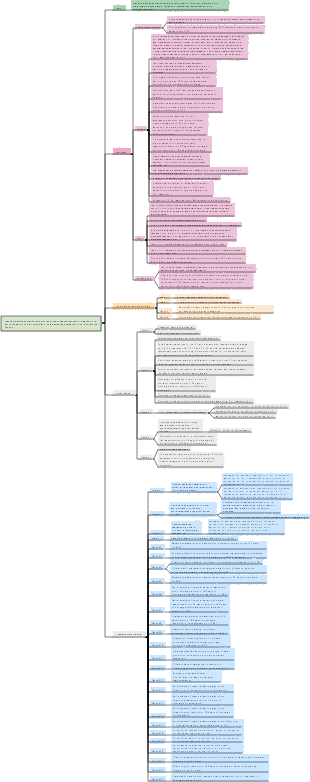
Review of Medical Literature Gynecology, this mind map comprehensively and in-depth explores the impact of oxidative stress on adverse pregnancy outcomes, providing a valuable reference for research in related fields.
Edited at 2024-11-02 15:58:20This is a mind map about the annual work plan of the three pillars of human resources. The main contents include: strategic human resources planning, talent recruitment and allocation, employee performance management, employee training and development, employee relationships and communication, employee welfare and care, human resources information system construction, regulatory compliance and risk management, and organizational culture construction.
This is a mind map for the diagnosis and treatment of acute cerebral hemorrhage in patients with hemodialysis. The annual incidence of acute cerebral hemorrhage in patients with hemodialysis is (3.0~10.3)/1000, and the main cause is hypertension. Compared with non-dialysis patients, the most common bleeding site is the basal ganglia area, accounting for 50% to 80%; but the bleeding volume is large and the prognosis is poor, and the mortality rate is 27% to 83%. Especially for patients with hematoma >50ml, hematoma enlarged or ventricular hemorrhage on the second day after onset, the prognosis is very poor.
The logic is clear and the content is rich, covering many aspects of the information technology field. Provides a clear framework and guidance for learning and improving information technology capabilities.
This is a mind map about the annual work plan of the three pillars of human resources. The main contents include: strategic human resources planning, talent recruitment and allocation, employee performance management, employee training and development, employee relationships and communication, employee welfare and care, human resources information system construction, regulatory compliance and risk management, and organizational culture construction.
This is a mind map for the diagnosis and treatment of acute cerebral hemorrhage in patients with hemodialysis. The annual incidence of acute cerebral hemorrhage in patients with hemodialysis is (3.0~10.3)/1000, and the main cause is hypertension. Compared with non-dialysis patients, the most common bleeding site is the basal ganglia area, accounting for 50% to 80%; but the bleeding volume is large and the prognosis is poor, and the mortality rate is 27% to 83%. Especially for patients with hematoma >50ml, hematoma enlarged or ventricular hemorrhage on the second day after onset, the prognosis is very poor.
The logic is clear and the content is rich, covering many aspects of the information technology field. Provides a clear framework and guidance for learning and improving information technology capabilities.
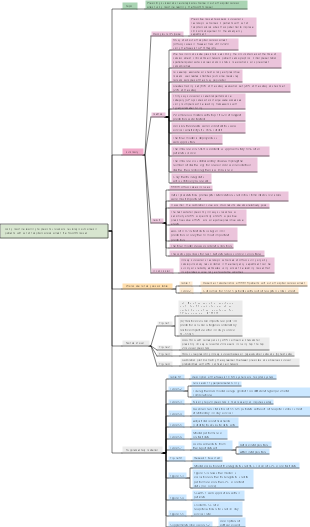
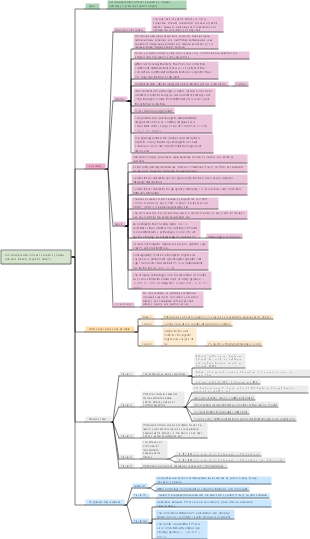
Effects of endogenous and exogenous oxidative stress triggers on adverse pregnancy outcomes
Document type
literature review
Topic content
Definition of key terms
ROS definition
Under pathological conditions, oxygen may be incompletely reduced to another form, which we call ROS
oxidative stress definition
Adverse physiological processes caused by an imbalance between the production of reactive oxygen species (ROS) and biological antioxidant capacity in cells and tissues
ROS source
external source
Radiation, chemicals, etc. in the external environment promote the body's production of ROS
endogenous
Various intracellular compartments are involved in ROS production
Mainly mitochondria
A series of events occur during oxidative phosphorylation, causing electrons to leak from the mitochondrial membrane, react with oxygen, and form free radicals such as superoxide, ultimately damaging the redox balance.
In the process of generating ATP
Effects of oxidative stress
Negative
Induces inflammatory response
Damage cellular systems
Leads to early senescence of the placenta at the DNA and RNA levels
Reduce the function of the placenta
leading to abnormal pregnancy outcomes
Preeclampsia (PE)
Fetal Growth Restriction (FGR)
Gestational diabetes mellitus (GDM)
Preterm birth (PTB)
DNA damage may cause eggs or sperm to inevitably mutate or undergo apoptosis, leading to infertility, impaired embryonic development, or pregnancy-related diseases.
positive
Regulate the proliferation, differentiation and invasion of trophoblast cells and promote placental angiogenesis
Triggers an apoptotic cascade in peripheral villi and helps the placenta return to its defined disc-like morphology
Reactive oxygen species and programmed apoptosis play important roles in maintaining endometrium homeostasis during embryo implantation
Elevates superoxide levels, which play a role in increasing vascular permeability
Oxidative stress indicator measurement
ROS level
Reference values for ROS and NOS in pregnant women and even their minimum and safe concentrations or physiologically beneficial concentrations remain to be determined
Assess protein, lipid and DNA damage and indirectly measure oxidative stress
By-products produced through losses
antioxidant status
Measurement of oxidative stress in vivo is a controversial issue because the sensitivity and specificity of various oxidative stress markers remain uncertain
Oxidative stress linked to major pregnancy abnormalities
Pregnancy-induced hypertension (PE)
basic pathology
Vascular endothelial injury mediated by increased placental ROS or reduced antioxidant activity
Rough physiological process
Free radical oxidation of polyunsaturated fatty acids to lipid peroxides limits remodeling of the decidual segment of the spiral artery, whereas the myometrial segment of the artery remains narrowed and constricted. Therefore, in PE, increased vascular resistance of the placenta results in decreased uteroplacental perfusion and increased blood pressure
intrauterine growth restriction (FGR)
Common causes
Uteroplacental dysfunction, resulting in reduced maternal uteroplacental blood flow
It is hypothesized that placental insufficiency originates in early pregnancy when trophoblast cells invade the spiral arteries in the placental bed to produce ROS and trigger oxidative stress. The incompletely developed spiral arteries lead to ischemia-reperfusion, exacerbating oxidative stress and damaging the placenta. organize
This process requires a high energy supply to support cell growth, proliferation and metabolic activity
Detection indicators (impact)
Increased MDA (end product of fatty acid oxidation)
Telomere shortening and telomerase activity are absent or reduced, and the expression of telomere-induced senescence markers p21 and p16 is increased, while the level of the anti-apoptotic protein Bcl-2 is reduced in FGR placenta.
Reflects the increased oxidative stress response of the body
Gestational diabetes (GDM)
definition
Hormones secreted by the placenta prevent the body from using insulin effectively
similar to type 2 diabetes
Influence
Higher incidence of congenital malformations among offspring of diabetic women
Reactive oxygen species (ROS) are overproduced and free radical scavenging mechanisms are impaired in women with GDM
Women with GDM face increased risk of complications including endothelial dysfunction and cardiovascular disease
Controlling lipid profiles during GDM prevents impairment of placental endothelial function
body response
Antioxidant enzymes are either up-regulated to compensate for oxidative imbalance or down-regulated due to increased ROS levels
Preterm birth (PTB)
definition
Giving birth before 37 weeks of pregnancy
The pathogenesis of oxidative stress
Oxidative stress causes DNA damage and telomere shortening, accelerates telomere-dependent senescence of fetal membranes, and triggers aging-related inflammatory activation, which may promote labor
Increased levels of oxidative stress may lead to placental dysfunction or other damage, thereby inducing preterm labor and may lead to complications in preterm neonates due to direct exchange of metabolites within the placenta.
Antioxidants
Principle of action
Antioxidants prevent tissue damage caused by free radicals by preventing their formation or promoting their breakdown
type
enzyme
There are various principles, but ultimately they all reduce or inhibit and increase free radicals.
trace elements
Transfer electrons in redox reactions
non-enzymatic substances
Transfer electrons in redox reactions
Treatment effects for various pregnancy abnormalities
Directly exert antioxidant effects
ALA
gestational diabetes, premature birth
Lycopene
Only a reduced risk of fetal growth restriction was found
L-arginine supplementation accelerates fetal weight gain and improves biophysical characteristics of gestational hypertension
Vitamin C, E
Preventing pregnancy-induced hypertension, but there is lack of strong evidence of effectiveness
folic acid
Not beneficial for gestational hypertension
Restore mitochondrial function
More effective than typical antioxidants at similar concentrations
MitoTEMPO (mitochondria-targeted SOD antioxidant mimetic)
MitoQ (orally active antioxidant consisting of fat-soluble triphenylphosphate cation and coenzyme Q10)
Significantly reduces cellular superoxide production, normalizes mitochondrial function, and reduces inflammatory cell infiltration
in conclusion
Oxidative stress is primarily caused by high metabolic activity in the placental-fetal part
Excessive production of reactive oxygen species may lead to abnormal placental implantation and severe cell damage, leading to apoptotic changes within the placenta by destroying normal protein, lipid, and DNA structures. For women at risk of developing these conditions, managing oxidative stress may have benefits both prenatally and postpartum