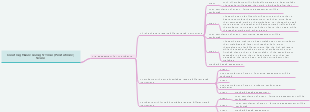
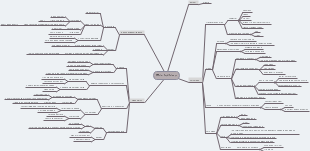
Purpose: Guarantees access to adequate food to reduce hunger and malnutrition.
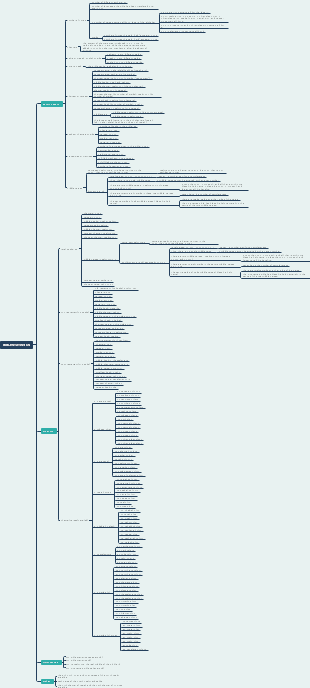
Transparency Measures:
One Nation, One Ration Card (ONORC) for portability.
Coverage: Legal entitlement to subsidized food for approximately two-thirds of India's population.
Target Beneficiaries (Vulnerable groups)
Implementation and Accountability
Public Distribution System (PDS): Availability of food through Fair Price Shops.
Grievance Redress Mechanism: Channels for beneficiaries to report issues.
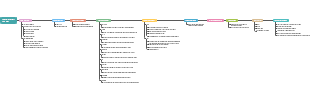
Key Provisions of the Food Security Bill
Entitlement to Subsidized Food Grains
Priority Households: 5 kg per person/month at subsidized rates.
Antyodaya Anna Yojana (AAY): 35 kg per household/month for the poorest.
Nutritional Support Initiatives ️
Pregnant and Lactating Women: Daily free meal and maternity benefits.
Children’s Nutrition:Mid-Day Meal Scheme for schoolchildren.
Integrated Child Development Services (ICDS) for children under six and expectant mothers.
The NFSA primarily focuses on ensuring access to food for India's vulnerable populations by setting up entitlements through the Public Distribution System (PDS) and related government mechanisms.
Ensure food security as a legal right.
Improve nutritional status, especially among women and children.
Reduce the burden of food insecurity on low-income households.
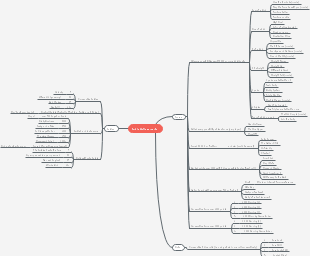
The Farmers' Produce Trade and Commerce (Promotion and Facilitation) Act, 2020 (repealed in 2021): This law initially aimed to allow private entities, including multinational companies, to procure produce directly from farmers outside government-regulated markets (mandis). However, this law was repealed due to significant opposition from farmer groups.
National Food Security Act, 2013
 Wondershare EdrawMind