MindMap Gallery IELTS Reading
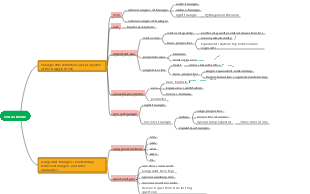
This is a mind map about IELTS reading. The main content includes: question types, positioning words, and question settings. Reveal an effective path to high scores for candidates. Very worth learning!
Edited at 2024-11-19 07:27:13魯米:靈性覺醒的10個維度。當你停止尋找自己,便會找到整個宇宙,因為你正在尋找的東西,也在尋找你。任何你每天持之以恆在做的事情,都可以為你打開一扇通向精神深處的門。靜默中,我滑入祕境,萬般皆妙樂觀察身邊的神奇,不要聲張。你生而有翼,為何喜歡爬行?靈魂擁有了它自己的耳朵,能夠聽到頭腦無法理解的事情。向內尋求一切的答案吧,宇宙中的一切都在你體內。情人們並不最終相遇某處,這個世界沒有離別。傷口是光進入你內心的地方。
慢性心力衰竭,不僅僅是心率的快慢問題!它源於心肌收縮與舒張功能的下降,導致心輸出量不足,進而引發肺循環充血和體循環淤血。從病因、誘因到代償機制,心衰的病理生理過程複雜多樣。通過控制水腫、減輕心臟前後負荷、改善心臟舒縮功能,以及防治基本病因,我們可以有效應對這一挑戰。了解心衰的機制與臨床表現,掌握防治策略,才能更好地守護心臟健康。
缺血再灌注損傷是器官或組織恢復血液供應後,細胞功能代謝障礙和結構破壞反而加重的現象。其主要機制包括自由基生成增多、鈣超載以及微血管和白細胞的作用。心臟和腦是常見的受損器官,表現為心肌代謝和超微結構變化、心功能下降等。防治措施包括清除自由基、減輕鈣超載、改善代謝和控制再灌注條件,如低鈉、低溫、低壓等。理解這些機制有助於製定有效治療方案,減輕缺血性損傷。
魯米:靈性覺醒的10個維度。當你停止尋找自己,便會找到整個宇宙,因為你正在尋找的東西,也在尋找你。任何你每天持之以恆在做的事情,都可以為你打開一扇通向精神深處的門。靜默中,我滑入祕境,萬般皆妙樂觀察身邊的神奇,不要聲張。你生而有翼,為何喜歡爬行?靈魂擁有了它自己的耳朵,能夠聽到頭腦無法理解的事情。向內尋求一切的答案吧,宇宙中的一切都在你體內。情人們並不最終相遇某處,這個世界沒有離別。傷口是光進入你內心的地方。
慢性心力衰竭,不僅僅是心率的快慢問題!它源於心肌收縮與舒張功能的下降,導致心輸出量不足,進而引發肺循環充血和體循環淤血。從病因、誘因到代償機制,心衰的病理生理過程複雜多樣。通過控制水腫、減輕心臟前後負荷、改善心臟舒縮功能,以及防治基本病因,我們可以有效應對這一挑戰。了解心衰的機制與臨床表現,掌握防治策略,才能更好地守護心臟健康。
缺血再灌注損傷是器官或組織恢復血液供應後,細胞功能代謝障礙和結構破壞反而加重的現象。其主要機制包括自由基生成增多、鈣超載以及微血管和白細胞的作用。心臟和腦是常見的受損器官,表現為心肌代謝和超微結構變化、心功能下降等。防治措施包括清除自由基、減輕鈣超載、改善代謝和控制再灌注條件,如低鈉、低溫、低壓等。理解這些機制有助於製定有效治療方案,減輕缺血性損傷。
IELTS Reading
topic set up
Real questions
3 articles; 40 questions; 2 to 4 question types per article; there are few questions in regular order, and more than half of them are out of order.
question type
Write questions for the full text
Heading; Paragraph Matching
Detailed questions
Summary;TFNG;
propositional approach
synonymous substitution
Synonymous substitution; double antonym design; full text summary
Labeling method
Double underline marks the positioning word, underline marks all substitutions, and the circle is the answer.
positioning word
Eye-catching vocabulary - capital letters, names of people, places, etc.
Simple level vocabulary-cold, hand
Logical vocabulary - juxtaposition, transition, cause and effect
Fast, unique, combinable search
question type
Summary
part of speech
Nouns account for 80%; verbs 10%; remaining 10%
Do the questions Skill
Sandwich biscuit principle; don’t doubt new words; questions may be given out of order
The summary is relatively simple, but it does not mean that you don’t read the article carefully. You still need to carefully understand the meaning of each sentence, and then do the questions carefully to find as many substitution relationships as possible. Sometimes you need to summarize or understand the meaning.
TFNG
law
Accounting for 30% of the total question types, T40%, F32%, NG26%; The last question should be less refuted, and the first question should be less NG; the question stem should be read twice carefully
proposition
True Question 1: Single sentence synonymous rewriting True question 2: Summarize adjacent sentences True question 3: Induction of non-adjacent sentences
False Question 1: Antonym settings False question 2: Relational refutation
Not Given Question 1: The information of A or B in the question stem does not exist Not Given Question 2: A<->B, the relationship in the middle does not exist
Heading
law
Question types that appear before the article, 6 of the 40 questions, one article Cross out the example sentences first; cross them at any time if you have selected them; give up if you are not sure; do the detailed questions first
Solve problems
central sentence
First sentence; opinion sentence before the example; turning sentence; emphasis sentence; definition sentence; the beginning of the next paragraph summarizes the previous paragraph;
keywords
A keyword in heading only appears once in the paragraph, so do not select it.
If a keyword appears more than twice in the paragraph (synonymous), select
If two or more keywords appear in heading, select
match
proposition
Question types: paragraph matching and relationship matching; an average of 8 out of 40 questions; out of order
Paragraph matching
Mark out all the keywords at once and simply find them in the original text first Then do the detailed questions and memorize the keywords for the next question type. Note NB, some paragraphs are selected twice, but never three times. Find more than two keywords with the same meaning, optional
relationship matching
word match
Underline all the keywords and simply find them in the original text first Read the sentences before and after keywords, read one more sentence
sentence matching
Ignore the options and look directly at the question keywords
choose
proposition
Question type: single-choice, multiple-choice title; does not appear every time
Single choice
Single choice is a True question, use the question stem to position it, do not use options Correct option: Rewrite one sentence of the original text; summarize the context
Multiple choice
Ask questions about parallel structures
topic
Generally read the last paragraph, because the IELTS reading is long, the first paragraph usually introduces
Fill in the picture
proposition
Click on the picture to search for clues and receive sub-questions; it does not appear every time you start. Pay attention to filling in the