 Wondershare EdrawMind
MindMap Gallery Rheumatism immunity
- 49
Rheumatism immunity
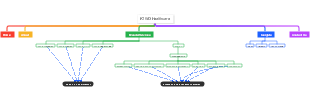
The five treatments and methods of rheumatism and immunity, as well as their mechanisms of action, include treatment from the perspective of traditional Chinese medicine, treatment from the perspective of Western medicine, treatment from the rehabilitation perspective, treatment from the psychological perspective, and nutritional support.
Edited at 2024-11-28 08:21:44
- 12. L'ascesa della democrazia nazionale in Asia, Africa e America Latina
Lezione 12 della storia, l'ascesa della democrazia nazionale in Asia, Africa e America Latina, questa mappa del cervello ti aiuta a familiarizzare con i punti chiave della conoscenza e rafforzare la memoria. Gli studenti bisognosi possono aggiungere un segnalibro.
- Chat gpt che inizia a padronanza
Questa è una mappa mentale sull'introduzione alla competenza di Chat GPT.
- SUGGERIMENTI DI UTILIZZO DI CHEAT
Questa è una mappa mentale sulla condivisione di profonde abilità di utilizzo.
Rheumatism immunity
- 12. L'ascesa della democrazia nazionale in Asia, Africa e America Latina
Lezione 12 della storia, l'ascesa della democrazia nazionale in Asia, Africa e America Latina, questa mappa del cervello ti aiuta a familiarizzare con i punti chiave della conoscenza e rafforzare la memoria. Gli studenti bisognosi possono aggiungere un segnalibro.
- Chat gpt che inizia a padronanza
Questa è una mappa mentale sull'introduzione alla competenza di Chat GPT.
- SUGGERIMENTI DI UTILIZZO DI CHEAT
Questa è una mappa mentale sulla condivisione di profonde abilità di utilizzo.
- Recommended to you
- Outline



Rheumatism immunity
Western medicine perspective
drug treatment
Nonsteroidal anti-inflammatory drugs (NSAIDs): such as ibuprofen, aspirin, etc., mainly inhibit the activity of cyclooxygenase (COX) and reduce prostaglandin synthesis, thereby reducing inflammatory reactions and pain. It is suitable for relieving joint pain, swelling and other symptoms in patients with rheumatic immune diseases, but it cannot change the course of the disease. However, long-term use may cause gastrointestinal adverse reactions, such as gastric ulcers and bleeding.
Glucocorticoids: like prednisone, dexamethasone, etc., have powerful anti-inflammatory and immunosuppressive effects. It can quickly reduce inflammation and improve patients' symptoms, and is used to treat a variety of rheumatic and immune diseases, such as the acute attack phase of systemic lupus erythematosus and the active phase of rheumatoid arthritis. However, long-term heavy use can lead to a series of side effects, such as osteoporosis, elevated blood sugar, and increased risk of infection.
Disease-modifying antirheumatic drugs (DMARDs): including methotrexate, leflunomide, etc. These drugs can slow or stop joint destruction and progression of rheumatic immune diseases. For example, methotrexate is an anchor drug for the treatment of rheumatoid arthritis. It works by inhibiting cell proliferation and immune response, but may cause adverse reactions such as liver and kidney damage and bone marrow suppression.
Biological agents: such as tumor necrosis factor-alpha (TNF-alpha) antagonists (etanercept, infliximab, etc.) and interleukin-6 (IL-6) antagonists, etc. They can specifically block the effects of inflammatory factors and have a good effect on diseases such as rheumatoid arthritis and ankylosing spondylitis. They can effectively alleviate the disease and improve the patient's quality of life, but the price is relatively high and may increase Risk of infection, such as tuberculosis infection.
surgical treatment
Synovectomy: Suitable for diseases such as rheumatoid arthritis. When drug treatment is ineffective and joint synovial inflammation persists and causes severe damage to joint function, the diseased synovial tissue can be surgically removed to reduce joint inflammation. Delay the process of joint destruction.
Joint replacement surgery: For severe joint deformity and loss of function caused by advanced rheumatoid arthritis, ankylosing spondylitis and other diseases, such as hip and knee replacement surgery, it can effectively improve joint function and improve the patient's self-care ability and daily life. quality.
Traditional Chinese Medicine Perspective
Chinese medicine treatment
Syndrome differentiation and treatment: Traditional Chinese medicine differentiates syndrome based on the patient's symptoms, signs, tongue, pulse, etc. For example, for rheumatic immune diseases with wind-cold-dampness paralysis type, Duhuo Jisheng Decoction is commonly used. Duhuo, Asarum and other drugs in the prescription can dispel wind and dampness, dissipate cold and relieve pain; for rheumatism-heat paralysis type, Baihujia Guizhi Decoction is commonly used, Gypsum, Zhizhi Decoction, etc. Drugs such as mother can clear away heat, purge fire, unblock meridians and relieve pain. Traditional Chinese medicine treatment focuses on overall conditioning, improving symptoms and controlling the condition by regulating the balance of yin and yang and the movement of qi and blood in the body.
Applications of Chinese patent medicines: Tripterygium wilfordii polyglycoside tablets, for example, have anti-inflammatory and immunosuppressive effects and can be used to treat various rheumatic and immune diseases such as rheumatoid arthritis. However, Tripterygium wilfordii polyglycosides also have certain side effects, such as possible adverse effects on the reproductive system, liver and kidney function, etc.
Acupuncture and massage
Acupuncture treatment: regulating qi and blood in meridians by acupuncture at acupoints. For example, acupuncture at Zusanli, Yanglingquan, Xuehai and other acupoints can strengthen the body, remove evil, unblock meridians and relieve pain. In the treatment of rheumatic immune diseases, acupuncture can improve joint pain, swelling and other symptoms, and can also regulate the body's immune function.
Massage: It can promote local blood circulation and relieve muscle tension. It has a good relieving effect on joint and muscle pain in patients with rheumatic immune diseases. For example, gentle massage on affected joints in patients with rheumatoid arthritis can reduce joint stiffness and improve joint mobility.
Rehabilitation
physical therapy
Heat therapy: including hot compress, infrared irradiation, hot spring bath, etc. Heat therapy can dilate local blood vessels, promote blood circulation, and relieve muscle spasms and joint pain. For example, for patients with rheumatoid arthritis who have hand joint pain, hot compresses can relieve symptoms and improve hand flexibility.
Cold therapy: During the acute inflammation period of joints, appropriate cold compress can reduce inflammation, congestion and swelling. For example, in an acute attack of gouty arthritis, cold compress can relieve the redness, swelling, heat and pain of the joints.
exercise therapy
Including joint mobility training, muscle strength training, etc. For patients with rheumatic immune diseases, appropriate exercise can maintain joint mobility and prevent muscle atrophy and joint deformity. For example, patients with ankylosing spondylitis can perform spinal stretching exercises to maintain spinal mobility and prevent spinal ankylosis.
occupational therapy
Help patients restore their daily activities. For example, for patients with rheumatic immune diseases whose hand joints are affected, occupational therapists can design targeted fine-movement training of the hands, such as pinching beans, knitting and other activities, to improve the function of the patients' hands so that the patients can better Complete activities of daily living such as dressing and eating.
psychotherapy
Cognitive behavioral therapy (CBT)
Patients with rheumatic immune diseases are prone to negative emotions such as anxiety and depression due to long-term illness, physical pain, limited activity and other factors. CBT can help patients understand their own emotions and behavioral patterns and change irrational cognitions. For example, patients may think that their disease cannot be cured and have lost hope of life. CBT can help patients realize that although the disease cannot be completely cured, active treatment can effectively control the disease and improve the quality of life.
supportive psychotherapy
Provide emotional support to patients by listening to them. Medical staff, family members, etc. can create an understanding and supportive environment for patients, so that patients can feel cared for and encouraged, and enhance patients' confidence in overcoming the disease. For example, patients are organized to participate in patient exchange meetings, allowing patients to share their treatment experiences and life feelings, and support and encourage each other.
nutritional support
Reasonable meal combination
Patients with rheumatic immune diseases should ensure adequate intake of protein, carbohydrates, fats, vitamins and minerals. For patients with diseases such as rheumatoid arthritis, due to the possible consumption of inflammation, it is necessary to appropriately increase the intake of high-quality protein, such as lean meat, fish, beans, etc. At the same time, attention should be paid to controlling fat intake and avoiding obesity, because obesity may increase the burden on joints.
Special nutritional supplements
Some studies have shown that certain nutrients may have an auxiliary effect in the treatment of rheumatic immune diseases. For example, omega-3 fatty acids can reduce inflammation, and patients can appropriately supplement nutritional supplements rich in omega-3 fatty acids such as deep-sea fish oil. In addition, vitamin D is important for maintaining bone health, especially in patients taking long-term glucocorticoids, which may cause osteoporosis and vitamin D supplementation can help prevent this complication.
genetic factors
Many rheumatic immune diseases have a genetic predisposition.
For example, rheumatoid arthritis (RA) has familial aggregation, and studies have shown that specific human leukocyte antigen (HLA) genes such as HLA-DR4 are closely related to the onset of RA. Individuals who carry these genes have a relatively higher risk of developing RA. Systemic lupus erythematosus (SLE) is also related to multiple gene loci. Genes such as HLA-DR2 and HLA-DR3 appear more frequently in SLE patients. These genes may affect the regulation of the immune system and make the body more susceptible to autoimmunity. reaction, mistakenly attacking one's own tissues and organs, thereby causing rheumatic immune diseases.
environmental factors
physical factors
Long-term exposure to ultraviolet radiation can induce systemic lupus erythematosus. Ultraviolet rays can cause skin cells to undergo apoptosis and release autoantigens, activating the immune system to produce autoantibodies, which in turn triggers immune-inflammatory responses throughout the body, affecting multiple organ systems such as skin, joints, and kidneys. Cold and humid environments are related to the onset and exacerbation of diseases such as rheumatoid arthritis. This may be because low temperature and humidity can affect local blood circulation and nerve regulation in joints, making joint synovium and other tissues more sensitive to inflammatory stimuli. It can easily induce joint inflammation and aggravate symptoms such as pain and swelling.
chemical factors
Certain chemicals such as organic solvents and chemicals in hair dyes may affect the body's immune system. Long-term exposure to these chemicals may cause immune cell dysfunction and destroy the immune tolerance mechanism, thereby increasing the risk of autoimmune reactions and inducing rheumatic immune diseases. For example, some studies have found that people who work in chemical environments for a long time have a relatively higher probability of developing rheumatic immune diseases.
Infectious factors
viral infection
Epstein-Barr virus is closely linked to the onset of systemic lupus erythematosus. The level of Epstein-Barr virus antibodies in patients is often significantly elevated. Its gene products are similar to host cell components. When the immune system attacks the virus, it is easy to accidentally attack its own tissues. Parvovirus B19 can infect a variety of cells. In patients with rheumatoid arthritis, its infection may aggravate joint inflammation, promote the release of inflammatory factors by activating T cells and B cells, and affect tissues such as joint synovium.
bacterial infection
Group A B-hemolytic Streptococcus infection is the main cause of rheumatic fever. Its cell wall antigen is similar to the antigens of human myocardium, joint synovium and other tissues. When the immune system clears Streptococcus, it will mistakenly attack its own tissues, causing arthritis, carditis, etc. Rheumatic fever symptoms. Helicobacter pylori infection can cause chronic inflammation and activate the immune system to produce a variety of inflammatory mediators, which may be related to the activity of diseases such as rheumatoid arthritis and involve mechanisms such as changes in the function of antigen-presenting cells and the production of autoantibodies.
Mycoplasma infection
Mycoplasma pneumoniae infection is related to reactive arthritis. It can induce the body's immune response, activate T lymphocytes to release cytokines such as interleukin-1, tumor necrosis factor-α, etc., stimulate the proliferation of joint synovial cells, and lead to joint inflammation and pain. , some of its antigenic components may also cross-react with joint tissue antigens, aggravating joint damage.
endocrine factors
sex hormones
The incidence of systemic lupus erythematosus in women is much higher than that in men, about 1:9, and estrogen plays an important role. Estrogen can regulate the immune system, promote the proliferation and activation of B lymphocytes, increase the production of autoantibodies, and also affect the balance of cytokines, such as increasing the production of inflammatory factors such as interleukin-6. Androgens have the opposite effect and can suppress autoimmune reactions. In animal experiments, castrated male animals given estrogen increased their susceptibility to autoimmune diseases.
Glucocorticoids
Changes in endogenous glucocorticoid levels affect rheumatic immune diseases. Normally, glucocorticoids suppress inflammation and autoimmune reactions. When the body's hypothalamic-pituitary-adrenal axis is dysfunctional, glucocorticoid secretion is reduced, immune system suppression is weakened, and autoimmune reactions are enhanced. For example, under chronic stress, the function of this axis is affected, and glucocorticoid secretion is relatively insufficient, increasing the risk of disease.
immune abnormalities
production of autoantibodies
In rheumatoid arthritis, rheumatoid factor (RF) and anti-cyclic citrullinated peptide antibodies (anti-CCP antibodies) are key diagnostic markers. RF targets antibodies against the Fc segment of human or animal IgG, which can form immune complexes with self-IgG, deposit in tissues such as joint synovium, and activate the complement system to trigger an inflammatory response. Anti-CCP antibodies have high specificity for diagnosing rheumatoid arthritis and can recognize citrullinated protein antigens, which are mainly present in joint synovial tissue. After binding, they initiate an immune response and cause joint synovial inflammation and destruction.
Immune cell dysfunction
T lymphocytes play a key role in pathogenesis. For example, in systemic lupus erythematosus, the number of regulatory T cells (Tregs) is reduced or the function is defective. Tregs can inhibit the activation of self-reactive T cells and B cells. Their insufficient function reduces the tolerance of the immune system to self-antigens, leading to the occurrence of autoimmune reactions. . At the same time, the balance of helper T cell (Th) subsets is disrupted, such as Th1/Th2 imbalance, Th17 cell overactivation, etc. Th17 cells secrete interleukin-17 and other cytokines, recruit neutrophils and other inflammatory cells, aggravate the inflammatory response, and play an important role in joint and tissue inflammation in multiple rheumatic immune diseases.
Complement system abnormalities
The complement system can be activated via the classical, alternative, and lectin pathways. In systemic lupus erythematosus, a large number of autoantibodies and self-antigens form immune complexes, which activate complement through the classic pathway, producing active fragments such as C3a and C5a, triggering inflammatory reactions and causing tissue damage. Overactivation of the complement system leads to the consumption of complement components, which makes the body Defensive functions such as anti-infection decline, aggravating the condition.
Traditional Chinese Medicine Rheumatism and Immunity
method
Oral administration of traditional Chinese medicine
Syndrome differentiation and treatment
Wind-cold-dampness type: The main symptoms are joint and muscle pain, aches and pains, which are aggravated by cold and become comfortable when warm, thin white tongue coating, stringy and tight pulse. The treatment method is mainly to dispel wind and cold, remove dampness and unblock meridians. Commonly used prescriptions include Duhuo Jisheng Decoction, in which Duhuo can dispel wind and dampness, relieve numbness and relieve pain; Mulberry can nourish the liver and kidneys, strengthen muscles and bones, and remove rheumatism; Asarum, Fangfeng and other medicines can help Duhuo dispel wind and dispel cold. This prescription is suitable for the early stages of diseases such as rheumatoid arthritis and osteoarthritis, when wind, cold and dampness invade the meridian joints.
Rheumatism-heat arthralgia type: manifests as joint redness, swelling, heat and pain, fever, thirst, restlessness, yellow and greasy tongue coating, and slippery and rapid pulse. Treatment is to clear away heat and unblock meridians, dispel wind and remove dampness. Baihu plus Guizhi Decoction is a commonly used prescription. Gypsum and Anemarrhena clear away heat and purge fire; Guizhi soothes wind and unblocks meridians; Japonica rice, licorice and stomach protect the middle. This type is more common in acute attacks of gouty arthritis and rheumatoid arthritis.
Phlegm and blood stasis type: prolonged joint pain, swelling, stiffness and deformation, difficulty in flexion and extension, or subcutaneous nodules, dark purple tongue or ecchymosis, white and greasy coating, stringy and astringent pulse. The treatment method is to resolve phlegm, remove blood stasis, and unblock meridians. The combination of Shetong Zhuyu Decoction and Erchen Decoction is more commonly used. The peach kernel, safflower, Chuanxiong, etc. in the body pain Zhuyu decoction promote blood circulation and remove blood stasis; the Erchen decoction (pinellia, tangerine peel, poria, etc.) resolves phlegm and removes dampness. The combination of the two prescriptions can dissolve phlegm and blood stasis and unblock the meridians. It is suitable for patients with rheumatoid arthritis, ankylosing spondylitis and other diseases in the later stages, joint deformation, phlegm and blood stasis.
Liver and kidney deficiency type: longer course of disease, joint pain, soreness of waist and knees, muscle atrophy, dizziness and tinnitus, red tongue with less coating, and thready and rapid pulse. Treatment is to nourish the liver and kidneys, unblock collaterals and relieve pain. Commonly used prescriptions include Liuwei Dihuang Pills and Duhuo Jisheng Decoction. Liuwei Dihuang Pill nourishes the yin of the liver and kidneys, while Duhuo Jisheng Decoction nourishes the liver and kidneys, strengthens the muscles and bones, and dispels rheumatism. The two prescriptions are used in combination to strengthen the body and dispel evils. It is used for patients with late-stage rheumatic immune diseases, liver and kidney yin deficiency, and muscle and bone malnutrition.
Application of proprietary Chinese medicines
Tripterygium wilfordii polyglycoside tablets: have anti-inflammatory and immunosuppressive effects. It inhibits T lymphocyte function and reduces the production of inflammatory mediators. It is commonly used in the treatment of diseases such as rheumatoid arthritis and systemic lupus erythematosus. However, Tripterygium wilfordii polyglycoside tablets have certain toxicity and may cause adverse reactions such as menstrual disorders in women, decreased sperm count in men, and damage to liver and kidney function. The dosage and duration of treatment need to be strictly controlled during use.
Zhengqing Fengtongning Tablets: The main ingredient is Qingfengteng extract, which has the effects of dispelling wind and removing dampness, activating blood circulation and unblocking collaterals, reducing swelling and relieving pain. It can be used to treat rheumatism and rheumatoid arthritis in patients with wind-cold-dampness syndrome. Some patients may experience allergic reactions such as skin itching and rash, as well as adverse reactions such as leukopenia after taking it.
Traditional Chinese medicine for external use
Traditional Chinese Medicine Fumigation: Using the warmth and medicinal effects of Chinese medicine steam, it penetrates through the skin and reaches the hospital directly. For example, using frankincense, myrrh, papaya, parsnip and other medicines for fumigation can dispel wind and dampness, relax muscles and activate collaterals. It has a good relieving effect on joint pain and stiffness caused by rheumatoid arthritis, ankylosing spondylitis, etc. During fumigation, the pores of the skin expand, allowing drugs to be better absorbed, promoting local blood circulation, and reducing inflammation and muscle spasms.
Chinese medicine collapse stains: After crushing the Chinese medicine, mix it into a paste with an appropriate solvent (such as wine, vinegar, etc.) and apply it to the affected area. For example, a paste made from rhubarb, cork, turmeric and other drugs can be applied to red, swollen and painful joints to clear away heat, detoxify, reduce swelling and relieve pain. Traditional Chinese medicine can make the medicine continue to work locally. For acute attacks of gouty arthritis, it can effectively reduce the redness, swelling, heat and pain of joints.
Traditional Chinese medicine ion introduction: Traditional Chinese medicine ions are introduced into the diseased parts of the human body through direct current. For example, iontophoresis solutions containing drugs such as Aconite and Aconite are used on the joints of patients with rheumatic immune diseases. The drug ions enter the body under the action of an electric field, which can improve local blood circulation, regulate neuromuscular excitability, and relieve joint pain. and muscle tension.
acupuncture treatment
Principle of acupoint selection: Select acupoints based on syndrome differentiation of meridians and viscera. For example, for joint pain, acupoints near the diseased joints are often selected, which is called "local acupoint selection." For example, for knee joint pain, use acupoints such as Dubi, Zusanli, and Xuehai; for wrist joint pain, use acupoints such as Yangchi, Yangxi, and Waiguan. At the same time, "distance acupoint selection" will be carried out based on systemic symptoms. For example, for patients with rheumatism and immune diseases who have symptoms of liver and kidney deficiency such as soreness and weakness in the waist and knees, dizziness and tinnitus, Taixi acupoint on the Kidney Meridian of Foot Shaoyin and Liver Meridian of Foot Jueyin will be selected. Taichong point and so on for adjustment.
Acupuncture operation: During acupuncture, different acupuncture methods are used according to the different acupuncture points and the needs of the condition. Such as the lifting and reinforcing method, the twisting and reinforcing method, etc. For patients with wind-cold-dampness paralysis, after acupuncture to obtain Qi, warm acupuncture can be used appropriately, that is, moxa is inserted into the needle handle and lit, and the warming power of moxibustion is used to enhance the effects of warming the meridians, dispersing cold and dehumidification. Acupuncture treatment can regulate the movement of qi and blood in the body's meridians, stimulate the body's self-regulatory function, and have the effect of strengthening the body, removing evil, unblocking meridians and relieving pain.
Massage
Massage on joints: For patients with rheumatism and immune diseases, massage can play a very good role in relieving joint pain and stiffness. For example, in the hand joints of patients with rheumatoid arthritis, the masseur first relaxes the hand muscles by kneading, rolling, pressing, holding and other techniques, and then performs gentle flexion, extension, rotation and other passive activities on the metacarpophalangeal joints and interphalangeal joints. To improve joint mobility and reduce pain and stiffness.
Meridian Massage: Massage along the meridians. For example, massage along the bladder meridian of Foot Taiyang, from the neck to the lumbosacral region, can regulate the human body's yang energy and improve the circulation of qi and blood throughout the body. It is helpful for spinal pain, limited movement and other symptoms caused by ankylosing spondylitis and other diseases. Therapeutic effect. Massage can promote local blood circulation, relieve muscle tension, and relax the muscles and ligaments around joints, thereby reducing joint pressure and relieving pain.
Thought
overall concept
The unity of man and nature: Traditional Chinese medicine believes that man and nature are an organic whole. The occurrence of rheumatic immune diseases is closely related to external environmental factors. For example, during seasonal changes and climate abnormalities (such as cold and wet or hot and humid weather), the human body is susceptible to invasion by external evils and causes disease. For the treatment of such diseases, traditional Chinese medicine emphasizes following the laws of nature. For example, in the long summer season, when the humidity is heavy, for patients with rheumatism and immune diseases, traditional Chinese medicine will focus on removing dampness and adjust the patient's daily life, diet, etc. to adapt to environmental changes. At the same time, different treatment methods are adopted according to the characteristics of different seasons. For example, in summer, the method of warming yang and transforming dampness can be appropriately used, while in winter, the focus is on warming and replenishing kidney yang to enhance the body's ability to resist external evils.
The human body itself is a whole: the various organs, meridians, and qi and blood of the human body are interrelated and influence each other. Although rheumatic immune diseases mainly manifest symptoms in joints, muscles and other parts of the body, Chinese medicine believes that they are closely related to organ dysfunction. For example, the kidneys govern the bones, and the liver governs the tendons. When the liver and kidneys are deficient, the muscles and bones will lose their support, and symptoms such as joint pain and difficulty in moving may easily occur. During treatment, we do not simply treat joint pain, but consider the overall situation and improve the condition by regulating the functions of the organs. For example, drugs that nourish the liver and kidneys can be used to treat rheumatic and immune diseases caused by liver and kidney deficiency, so that the muscles and bones can be nourished, thereby relieving joint symptoms. At the same time, poor circulation of Qi and blood is also an important pathogenesis of rheumatism and immune diseases. Qi is the leader of blood, and blood is the mother of Qi. Qi and blood are interdependent. When Qi and blood are blocked in the meridians, symptoms such as pain and swelling will result. Therefore, traditional Chinese medicine treatment often uses methods of activating blood circulation, removing blood stasis, regulating qi and unblocking collaterals to improve the movement of qi and blood, so as to achieve the purpose of treating diseases.
Syndrome differentiation and treatment
Identifying syndrome types: Traditional Chinese medicine uses the four diagnostic methods of inspection, smelling, asking, and cutting to identify the syndrome types of rheumatic and immune diseases. For example, observe the patient's joint shape and color (whether it is red and swollen), ask about the nature of the pain (whether it is stinging, sore, or distended), the time of onset (whether the pain is worse at night or is aggravated by cold), and check the tongue appearance (tongue body color, Tongue coating thickness, moistening, etc.) and pulse condition (whether it is stringy, slippery or thin, etc.). Based on this information, rheumatic immune diseases are divided into different syndrome types, such as wind-cold-damp paralysis type, rheumatic-heat paralysis type, phlegm and blood stasis paralysis type, liver and kidney deficiency type, etc. Different syndrome types reflect the pathological changes at different stages of the disease and the overall state of the body.
Treatment and medication: targeted treatment based on syndrome differentiation results. For wind-cold and damp-type paralysis, the main treatment methods are to dispel wind and cold, remove dampness and dredge collaterals, and prescriptions such as Duhuo Jisheng Decoction are commonly used. The drugs such as Duhuo and Asarum in the prescription can dispel wind and dampness, disperse cold and relieve pain, which embodies the treatment idea for wind, cold and dampness. For rheumatism and heat paralysis, the treatment is to clear away heat, dredge collaterals, dispel wind and remove dampness, such as Baihu plus Guizhi Decoction, which uses gypsum and anemarrhena to clear away heat and purge fire, and cinnamon twigs to soothe wind and dredge collaterals to achieve the purpose of clearing away heat evil, dredging collaterals and relieving pain. During the treatment process, the dosage and compatibility of the medication will also be adjusted based on the individual differences of the patient, such as physical strength, age, gender and other factors. At the same time, as the condition changes, the syndrome type may also change, and the treatment methods will be dynamically adjusted accordingly.
Strengthen the body and eliminate evil
Strengthening: Patients with rheumatic immune diseases often have insufficient righteousness, which is an intrinsic factor in the disease. Righteous qi includes the human body’s yang qi, yin fluid, qi and blood, and organ function. In treatment, strengthening is to enhance the body's resistance and self-repair ability. For example, for patients with weak constitution and liver and kidney yin deficiency, prescriptions such as Liuwei Dihuang Pills can be used to nourish the yin of the liver and kidneys, so that the body's yin fluid is sufficient and the functions of the internal organs can be restored to normal, thereby enhancing the ability to resist external evils. Through strengthening, the internal environment of the body can be adjusted, the immune function of the body can be improved, the patient's physical condition can be fundamentally improved, and the recurrence of the disease can be reduced.
Eliminating evil spirits: The invasion of external evil spirits is an important cause of rheumatic immune diseases, such as wind-cold-dampness evil, rheumatic-heat evil, etc. Eliminating evil means using drugs or other treatments to eliminate these pathogenic factors. For example, drugs with the functions of dispelling wind, removing dampness, clearing away heat and cooling blood are used to remove external evils. In the acute phase of the disease, eliminating evil spirits is often the focus of treatment to quickly relieve symptoms. For example, when a rheumatism-heat-type disease breaks out, drugs that clear away heat and dampness, cool blood and detoxify can be used to clear away heat and poison and relieve symptoms such as redness, swelling, heat and pain in joints. Strengthening the body and dispelling evil are interrelated and serve each other. During the treatment process, the primary and secondary relationship between strengthening the body and eliminating evil should be reasonably adjusted according to the rise and fall of good and evil. For example, in the early stage of the disease, when the evil is strong, the focus is on removing evil and supporting the body; in the later stage of the disease, when the health is deficient, then Mainly to strengthen the body, and also to dispel evil.
Western medicine rheumatism and immunity
method
drug treatment
Nonsteroidal anti-inflammatory drugs (NSAIDs)
Mechanism of action: By inhibiting the activity of cyclooxygenase (COX), it reduces prostaglandin synthesis, thereby reducing inflammation and pain. COX has two isoenzymes, COX-1 and COX-2. COX-1 mainly exists in normal tissues and is involved in maintaining the normal physiological functions of gastric mucosa, platelets, etc.; COX-2 is mainly induced and produced in inflammatory sites. Traditional NSAIDs have poor selectivity for COX-1 and COX-2. While exerting anti-inflammatory and analgesic effects, they may affect COX-1-related physiological functions.
Common drugs and applications: Aspirin is the most classic NSAIDs. Small doses (such as 75-100mg/d) are mainly used for anti-platelet aggregation, while larger doses (such as 3-5g/d) can be used for anti-inflammatory, antipyretic, and analgesia. . Drugs such as ibuprofen and naproxen are also commonly used and are suitable for relieving joint pain, swelling and other symptoms in patients with rheumatic immune diseases. However, long-term use of NSAIDs may cause gastrointestinal adverse reactions, such as gastric ulcers and bleeding, and may also affect kidney function.
Glucocorticoids
Mechanism of action: It has powerful anti-inflammatory and immunosuppressive effects. It can inhibit the activity of inflammatory cells (such as macrophages, neutrophils, etc.), reduce the production of inflammatory mediators (such as prostaglandins, leukotrienes, tumor necrosis factor-α, etc.), and can also inhibit immune cells (such as T cells, B cells) proliferation and function. Glucocorticoids can enter cells through the cell membrane, bind to glucocorticoid receptors, and regulate gene transcription, thereby affecting the expression of a variety of inflammation-related genes.
Common drugs and applications: Prednisone, dexamethasone, etc. are commonly used glucocorticoids. In the acute attack phase of systemic lupus erythematosus, high-dose glucocorticoids (such as prednisone 1-2 mg/(kg·d)) can be used for shock treatment to quickly control the disease and reduce the impact of inflammation on important organs (such as kidneys, heart, etc.) damage. During the active phase of rheumatoid arthritis, moderate doses of glucocorticoids can also be used to relieve joint inflammation. However, long-term heavy use can lead to a series of side effects, such as osteoporosis, elevated blood sugar, increased risk of infection, central obesity, skin thinning, etc.
Disease-modifying antirheumatic drugs (DMARDs)
Mechanism of action: It can delay or prevent joint destruction and progression of rheumatic immune diseases. These drugs have diverse targets. For example, methotrexate mainly interferes with DNA synthesis by inhibiting dihydrofolate reductase, thereby inhibiting the proliferation of immune cells such as T cells and B cells; leflunomide mainly inhibits pyrimidine synthesis and affects cells. growth and function, exerting immunosuppressive effects.
Common drugs and applications: Methotrexate is the anchor drug for the treatment of rheumatoid arthritis. It is generally administered at a dose of 7.5 - 25 mg per week and is administered orally or subcutaneously. The usual dose of leflunomide is 20 mg/d, which can be used alone or in combination with methotrexate. Other DMARDs include sulfasalazine, hydroxychloroquine, and others. The use of DMARDs may cause adverse reactions such as liver and kidney damage, bone marrow suppression, and rash.
biologics
Mechanism of action: It can specifically block the effects of inflammatory factors. For example, tumor necrosis factor-alpha (TNF-alpha) antagonists (etanercept, infliximab, etc.) can bind to TNF-alpha and prevent TNF-alpha from interacting with its receptors, thereby inhibiting the inflammatory response. Interleukin-6 (IL-6) antagonists have a similar effect, reducing inflammation by blocking IL-6 signaling.
Common drugs and applications: Biological agents have good effects on diseases such as rheumatoid arthritis and ankylosing spondylitis, especially for patients whose traditional drug treatments are ineffective. Etanercept is given as a subcutaneous injection of 25 mg twice a week; infliximab is given as an intravenous infusion, and the dose and interval are determined according to the condition. Biological agents can effectively alleviate the condition and improve the quality of life of patients, but they are relatively expensive and may increase the risk of infection, such as tuberculosis infection, and relevant screening is required before use.
surgical treatment
synovectomy
Principles and indications of surgery: It is suitable for diseases such as rheumatoid arthritis, when drug treatment is ineffective and joint synovial inflammation persists and causes severe damage to joint function. The synovium is the first tissue in the joint to be invaded by inflammation. The diseased synovium will secrete a large amount of inflammatory mediators and erode articular cartilage and bone tissue. Synovectomy surgically removes diseased synovial tissue to reduce joint inflammation and delay the process of joint destruction. It is generally used for large joints such as knee joints and wrist joints. When these joints have persistent pain and swelling that are ineffective after 3 to 6 months of drug treatment, and the joint function has not been completely lost, synovectomy can be considered.
Postoperative rehabilitation and precautions: Postoperative joint functional rehabilitation training is required, including joint range of motion training and muscle strength training. Excessive activity should be avoided in the early stage to prevent joint bleeding and further injury. At the same time, attention should be paid to preventing infection, because surgery will destroy the normal structure of the joint and increase the risk of infection.
joint replacement surgery
Principles and indications of surgery: For severe joint deformity and loss of function caused by advanced rheumatoid arthritis, ankylosing spondylitis and other diseases, such as hip and knee replacement, it can effectively improve joint function. Joint replacement surgery replaces the diseased joint surface with an artificial joint prosthesis to rebuild the normal structure and function of the joint. When the patient's joint pain is severe and cannot be relieved by drugs and other conservative treatments, the joint deformity affects daily life (such as walking, going up and down stairs, etc.), and the patient's physical condition can tolerate surgery, joint replacement surgery may be considered.
Postoperative rehabilitation and precautions: Postoperative rehabilitation is crucial, including early bed activities, joint range of motion training, and later weight-bearing training. Pay attention to prevent complications such as loosening and dislocation of the prosthesis. Patients need to follow the doctor's instructions and avoid excessive bending and twisting of joints. At the same time, attention should be paid to preventing infection, because once infection occurs, it may cause the operation to fail and require another operation to remove the prosthesis.
theory
precision medicine theory
Gene-targeted therapy: With the in-depth research on the genetics of rheumatic immune diseases, it has been discovered that many genetic variations are closely related to the occurrence and development of the disease. For example, in rheumatoid arthritis (RA), specific alleles of certain human leukocyte antigen (HLA) genes such as HLA-DRB1 are associated with disease susceptibility. Based on this, precision medicine attempts to correct or modify these disease-causing genes through gene editing technology (such as CRISPR-Cas9), or to develop targeted drugs for gene products. Taking ankylosing spondylitis (AS) as an example, it is highly related to the HLA-B27 gene. Although it is not yet possible to directly treat the gene, research on the immune pathways affected by related genes provides ideas for the development of new treatment methods.
Personalized drug treatment: Precision medicine emphasizes selecting the most appropriate drugs and treatment options based on the individual patient's genes, protein expression, metabolism and other characteristics. For example, polymorphisms in genes related to drug metabolism (such as cytochrome P450 enzyme genes) can be used to predict patients' response and tolerance to disease-modifying antirheumatic drugs (DMARDs) such as methotrexate. For those patients who may metabolize methotrexate poorly, the dose can be adjusted or the drug changed in advance to improve treatment effectiveness and reduce adverse reactions. At the same time, for the use of biological agents, the most effective drugs can also be selected based on the expression profile of inflammatory factors in the patient's body. For example, for patients with rheumatoid arthritis who have high expression of tumor necrosis factor-alpha (TNF-alpha), the use of TNF-alpha antagonists may achieve better efficacy.
New target theory of immune regulation
Expansion of cytokine-targeted therapy: In addition to the currently widely used TNF-α antagonists and interleukin-6 (IL-6) antagonists, research on other cytokines has also made progress. For example, IL-17 plays an important role in the pathogenesis of various rheumatic immune diseases (e.g., psoriatic arthritis, ankylosing spondylitis). IL-17 antagonists (such as secukinumab) can effectively inhibit IL-17 activity and reduce joint inflammation and skin lesions. In addition, IL-23 is also an emerging target, which plays a key role in regulating the differentiation and function of T cell subsets (such as Th17 cells). Antibody drugs targeting IL-23 are in the development and clinical trial stages.
The application prospects of regulatory T cells (Tregs): Tregs play a key role in maintaining autoimmune tolerance. In rheumatic immune diseases, the reduction in the number or functional defects of Tregs is an important factor in the development of the disease. Current research is focused on amplifying the patient's own Tregs in vitro and then infusing them back into the body to enhance the body's immunosuppressive function and restore immune balance. At the same time, drugs are also being explored to activate or enhance the function of Tregs in the body, such as using certain immune modulators to promote the proliferation and activation of Tregs, thereby suppressing autoimmune responses.
The theory of association between microbiome and rheumatic immune diseases
Regulation and treatment of intestinal flora: More and more studies have shown that intestinal flora is closely related to the occurrence and development of rheumatic immune diseases. In a healthy state, intestinal flora interact with the host immune system to maintain immune homeostasis. In patients with rheumatic immune diseases, the composition and diversity of intestinal flora often change. For example, in patients with rheumatoid arthritis, the number of certain beneficial bacteria (such as Bifidobacteria and Lactobacilli) decreases, while the number of potentially harmful bacteria (such as Prevotella) increases. Based on this, treating rheumatic immune diseases by regulating intestinal flora has become a new research direction. This includes using probiotics to supplement beneficial bacteria and regulate the intestinal microecological environment; or using fecal bacterial transplantation to transplant intestinal flora from healthy people into patients to rebuild the normal intestinal flora structure and thereby regulate immunity. System, improve symptoms of rheumatic immune diseases.
Exploring the role of microbial metabolites: Gut flora can produce a variety of metabolites, such as short-chain fatty acids (SCFAs), which can affect rheumatic immune diseases by regulating the function of immune cells. SCFAs mainly include acetic acid, propionic acid, and butyric acid, which can promote the proliferation and function of Tregs and inhibit the activity of inflammatory T cells (such as Th1, Th17 cells). Studying the mechanism of action of these microbial metabolites is expected to develop new drugs based on microbial metabolites to treat rheumatic immune diseases.
Rehabilitation Rheumatism and Immunity
method
physical therapy
electrotherapy
Transcutaneous electrical nerve stimulation (TENS): Electrical stimulation of a specific frequency and intensity is delivered to the skin surface through electrodes to stimulate sensory nerve fibers, thus interfering with the transmission of pain signals and achieving analgesia. This method can effectively relieve joint and muscle pain in patients with rheumatic immune diseases. When using TENS, adjust the intensity of the current based on the patient's pain level and tolerance, with each treatment lasting 20 - 30 minutes, 1 - 2 times a day.
Interference electric therapy: Two sets of medium-frequency currents of different frequencies are cross-inputted into the human body to generate an interference electric field at the intersection, causing endogenous currents to be generated in deep tissues, stimulating local muscle contraction and promoting blood circulation. It is helpful to improve muscle atrophy and joint mobility in patients with rheumatic immune diseases. During treatment, the current intensity should be as tolerated by the patient. Each treatment lasts 20-30 minutes, 3-5 times a week.
cold therapy
Cold compress: In the period of acute joint inflammation, such as an acute attack of gouty arthritis, appropriate cold compress can reduce inflammation, congestion and swelling. Cold compresses can constrict local blood vessels and reduce the leakage of inflammatory mediators, thereby relieving pain. An ice pack or cold towel is usually applied to the painful area for about 10-15 minutes each time, 3-4 times a day. It should be noted that when applying cold compress, do not let the ice pack directly contact the skin to avoid frostbite.
Cold water immersion: For some patients with obvious joint redness, swelling, heat and pain, appropriate cold water immersion can also relieve symptoms if the condition permits. The temperature of cold water is generally 10-15 degrees Celsius, and the soaking time should not be too long, about 5-10 minutes each time.
Hyperthermia
Hot compress: transfer heat to joints and muscles through hot towels, hot water bottles, etc. Hot compress can dilate local blood vessels, promote blood circulation, bring more oxygen and nutrients to damaged tissues, and take away metabolic waste. For example, in patients with rheumatoid arthritis, applying heat to the hand joints can relieve pain and stiffness and improve hand mobility. The temperature of hot compress is generally controlled at 40-50 degrees Celsius, 15-20 minutes each time, and can be performed 3-4 times a day.
Infrared irradiation: Use the thermal effect of infrared rays to penetrate the skin and penetrate deep into joints and muscles. This method can increase the temperature of local tissues and play an anti-inflammatory and analgesic role. Infrared irradiation is often used on painful areas of the spine in patients with ankylosing spondylitis, and can effectively relieve muscle spasms and pain. When performing infrared irradiation, the irradiation distance is generally 30 - 50 cm, each irradiation time is about 20 - 30 minutes, and can be performed 3 - 5 times a week.
Hot spring bath: Hot spring water contains a variety of minerals, such as sulfur, calcium, magnesium, etc. When patients soak in hot springs, the warm spring water and minerals work together to relax muscles and relieve joint pain. It has a good auxiliary therapeutic effect on diseases such as osteoarthritis. The water temperature of hot spring baths is generally 38-42 degrees Celsius, and each soaking time is 15-30 minutes, 2-3 times a week is appropriate.
Ultrasound therapy
Ultrasound waves can transfer energy deep into human tissue, producing mechanical effects, warming effects and cavitation effects. In the treatment of rheumatic immune diseases, it can promote local blood circulation, improve tissue nutrition, and soften scar tissue. For example, for patients with rheumatoid arthritis who have adhesions around joints, ultrasound therapy can help loosen adhesions and increase the range of joint motion. The frequency of ultrasound treatment is generally 1-3MHz, and the intensity depends on the treatment site and the patient's condition. Each treatment lasts 5-10 minutes, 3-4 times a week.
exercise therapy
aerobics
Proper aerobic exercise can enhance cardiopulmonary function, improve the body's endurance and immunity. For patients with rheumatic immune diseases, such as those with stable rheumatoid arthritis or ankylosing spondylitis, they can engage in aerobic exercise such as walking, swimming, and cycling. Take swimming as an example. The buoyancy of the water during swimming can reduce the burden on the joints, and at the same time, the muscles of the whole body can be exercised. Each exercise time can be controlled at about 20-30 minutes according to the patient's physical condition, and can be performed 3-5 times a week.
strength training
Isometric training: The patient contracts the muscles and maintains muscle tension without moving the joints. For example, when a patient with rheumatoid arthritis has pain in the hand joints but can still move slightly, the patient can be asked to make a fist, maintain a certain grip strength, contract the muscles for 5-10 seconds each time, and then relax, repeating 10-15 times in a group , perform 3 - 4 sets every day. This type of training builds muscle strength without putting excessive stress on the joints.
Isotonic training: During muscle contraction, joints move and muscle tension remains basically unchanged. For example, patients with lower limb joint involvement can be asked to sit on a chair and perform straightening and bending movements of the calf. During the movement, the calf muscles will produce isotonic contractions. According to the patient's muscle strength, resistance is gradually increased, such as using sandbags and other auxiliary tools to further enhance muscle strength.
joint range of motion training
Active movement: Encourage patients to actively perform joint flexion, extension, rotation and other activities. For example, for patients with rheumatic immune diseases with knee joint involvement, the patient can sit on the edge of the bed or on a chair and actively perform flexion and extension exercises of the knee joint, repeating 10-15 times each time, 3-4 groups per day. This active movement can maintain the normal range of motion of the joints and prevent joint contractures.
Passive movement: When the patient's joint movement is limited and he is unable to complete sufficient joint movement, he needs the help of a rehabilitation therapist or family member to perform passive movement. For example, for patients with frozen shoulder, the rehabilitation therapist can hold the patient's arm and help them perform passive activities such as abduction, adduction, forward flexion, and back extension of the shoulder joint. The range of activity should be as mild as the patient can tolerate. . After each passive exercise, take appropriate rest to avoid injuries caused by excessive stretching.
occupational therapy
Activities of daily living training (ADL training): Help patients regain their ability to perform daily activities. For example, for patients with rheumatic immune diseases whose hand joints are affected, occupational therapists can design targeted fine motor training of the hands, such as pinching beans, knitting, buttoning and other activities, to improve the function of the patient's hands so that the patient can Better complete daily life activities such as dressing and eating. At the same time, patients with limited joint movement can also be trained in the use of assistive devices, such as long-handled combs, special tableware, etc., to facilitate the patient's life.
Occupational rehabilitation training: For patients with rheumatic immune diseases who have work requirements, occupational therapists will design corresponding vocational rehabilitation training programs based on the patient’s occupational characteristics and physical condition. For example, for patients who need to use computers for a long time, functional training of hands and wrists, as well as correct sitting and computer operation posture training will be carried out to help patients adapt to work requirements, improve work efficiency, and reduce the impact of disease on work.
environment and expectations
The relationship between rehabilitation treatment environment and expected results
A comfortable environment promotes physical and mental relaxation: Appropriate temperature, humidity, good ventilation and air quality, soft light, low noise levels and other factors can make patients with rheumatic immune diseases feel physically and mentally comfortable during rehabilitation treatment. When patients are in a relaxed state, the body's secretion of stress hormones decreases, which helps reduce inflammation. For example, when physical therapy is performed in a comfortable temperature and quiet environment, the patient's muscles are more likely to relax, allowing heat therapy, massage and other methods to better promote blood circulation and relieve muscle tension, thereby more effectively relieving joint pain. Pain and stiffness.
Reasonable space layout and facilities ensure the implementation of treatment: A spacious and reasonable space layout and complete rehabilitation facilities are important conditions for ensuring the smooth progress of rehabilitation treatment. Sufficient space allows patients to freely perform various exercise therapies, such as joint range of motion training and muscle strength training. The provision of professional facilities, such as training equipment and assistive devices suitable for different rehabilitation stages, can help patients better achieve their rehabilitation goals. For example, when performing hand fine movement training, appropriate grip balls, finger trainers and other tools can accurately exercise hand muscle strength and flexibility. It is expected to gradually improve the hand function of patients damaged by disease, allowing patients to Complete more activities of daily living.
Expected recovery process in different rehabilitation treatment environments
Physical therapy environment
Heat therapy environment: Treatment is carried out in a heat therapy room with suitable temperature and good ventilation, such as infrared irradiation or hot spring bath. Patients are expected to experience significant improvements in blood circulation to joints and muscles and a reduction in joint pain and stiffness after regular heat therapy over a period of time (e.g., 3 to 5 times per week for 2 to 4 weeks). For example, in people with rheumatoid arthritis, morning joint stiffness may be reduced and pain relief after activity may be increased.
Cold therapy environment: Cold therapy, such as cold compress or cold water immersion, is performed in a clean, tidy and temperature-controlled environment. During the acute inflammation phase, when cold therapy is used appropriately, temporary relief of joint swelling and pain can be expected within 1 to 2 hours after each treatment. For patients with acute attacks of gouty arthritis, this relief effect may be more obvious, helping to control the inflammatory response and provide better conditions for subsequent treatment.
Electrotherapy and ultrasound treatment environment: Electrotherapy (such as transcutaneous electrical nerve stimulation, interference electrotherapy) and ultrasound treatment are performed in a quiet, interference-free environment, and the equipment is reasonably placed and easy to operate. After a course of treatment (generally 3 - 4 times a week for 3 - 6 weeks), it is expected that the patient's pain symptoms will be relieved to a certain extent, the muscle atrophy may be improved, and the adhesions around the joints may also be It will gradually loosen under the action of ultrasound, and the range of joint movement will increase.
Sports therapy environment
Joint range of motion training environment: Active and passive joint range of motion training is conducted in an environment with spacious space, non-slip floors, and safety facilities such as handrails around. If the patient continues to perform moderate amounts of exercise every day, he or she can expect a gradual increase in the joint's range of motion within 1 to 2 months. For the spinal joints of patients with ankylosing spondylitis, through targeted spinal extension exercise training, the flexibility of the spine may be improved, and the development of deformities such as kyphosis may be delayed.
Strength training environment: Perform strength training in an environment equipped with suitable equipment (such as dumbbells, elastic bands) and space allows. As training continues (e.g., 3 to 5 times per week for 3 to 6 months), patients are expected to experience progressive gains in muscle strength. For patients with rheumatic immune diseases who have muscle atrophy due to long-term illness, the muscle atrophy will be improved, and the body's balance ability and endurance will also be improved, thereby reducing the risk of accidents such as falls caused by muscle weakness.
occupational therapy environment
Daily life activities training environment: Daily life activities training is carried out in a place that simulates a home environment and has various assistive devices. After a period of targeted training (such as 2 - 3 times a week for 2 - 3 months), the patient's self-care ability in daily life activities such as dressing, eating, and washing is expected to be significantly improved. For example, patients with impaired hand joint function are more proficient in using assistive devices to complete basic daily tasks.
Vocational rehabilitation training environment: a rehabilitation training environment designed according to the patient’s occupational characteristics and equipped with corresponding work simulation equipment. After systematic vocational rehabilitation training, patients are expected to gradually adapt to work requirements. For patients who need to work at their desks for long periods of time, hand and wrist function training and correct working posture training can reduce fatigue and pain caused by diseases during work, improve work efficiency, and help patients return to work better.
psychological perspective therapy
method
Cognitive-Behavioral Therapy (CBT)
Cognitive restructuring: Helps patients identify and change negative thought patterns and automatic thoughts. Patients with rheumatic immune diseases are prone to negative thoughts such as "My disease will never be cured" and "I will become a burden to my family" due to long-term pain, limited activity and other symptoms. The therapist will guide the patient to examine the plausibility of these thoughts, for example by asking, "Is there any evidence to support this thought?" to make the patient aware that these thoughts may be excessive worries. Then, help the patient replace it with more positive and objective thinking, such as "Although my disease cannot be completely cured, the disease can be effectively controlled through active treatment."
Behavior change techniques: including setting goals, developing activity plans, etc. For example, set a goal for a patient who has been reduced in activity due to joint pain to gradually increase the amount of activity, such as starting with walking for 5 minutes a day and increasing the amount of time each week. At the same time, patients are taught behavioral techniques to cope with pain and stress, such as deep breathing, relaxation training, etc. When patients feel joint pain or emotional tension, take deep breaths (inhale slowly to expand the abdomen, then exhale slowly, repeat several times) to relax the body and reduce anxiety.
Supportive Psychotherapy
Emotional support: Provide a safe environment for patients to express their emotions, such as fear, anxiety, depression, etc. The therapist or medical staff will listen carefully to the patient and provide understanding and sympathy. For example, when a patient talks about being unable to take care of his family as before due to illness, the therapist can say, "It's really not easy for you to be in poor health now and still think about taking care of your family all the time" to make the patient feel cared for.
Information provision: Provide patients with knowledge about rheumatic immune diseases, including the cause of the disease, treatment methods, prognosis, etc. Many patients' anxiety stems from their lack of understanding of the disease. When they know that the disease can be controlled and understand the functions and effects of various treatments, their anxiety will be relieved. For example, explaining to patients that although a certain drug may have side effects is important in controlling the condition, the patient can better cooperate with treatment.
Encourage social support: Help patients establish and utilize social support networks. Patients are encouraged to communicate with family and friends about their illness and feelings, and patients can also be organized to attend patient meetings. At patient meetings, patients can share each other’s treatment experiences, strategies for coping with the disease, and support and encourage each other. This kind of sympathetic social support can boost patients' confidence and make them feel that they are not alone in their illness.
Psychodynamic Therapy
Exploring subconscious conflicts: This therapy believes that the patient's emotional and behavioral problems may be related to conflicts in the subconscious mind. For patients with rheumatoid arthritis, there may be subconscious unresolved emotions surrounding certain stressors in life or past traumatic events. Therapists will explore these subconscious conflicts by analyzing patients' dreams, free association, and other methods. For example, if a patient frequently dreams of being trapped in a small space, the therapist may guide the patient to think about whether this dream is related to the reality that his activities are limited due to the disease, or whether it symbolizes the fear of life changes brought about by the disease. .
Emotional catharsis and understanding: In the process of exploring the subconscious mind, patients have the opportunity to vent their long-suppressed emotions and gain understanding of their own emotions and behaviors. When patients realize the relationship between their subconscious emotional conflicts and the disease, and if they find that their anxiety about the disease partly stems from their past fear of losing their health, they can better handle these emotions, adjust their mentality, and thereby alleviate their psychological distress. burden, and the ability to cope with the disease will also be improved.
Relaxation Training
Progressive muscle relaxation: Instructs the patient to systematically tighten and relax muscle groups in various parts of the body. Starting from the feet, tighten the foot muscles for a few seconds, then suddenly relax, feeling the difference in muscle tension and relaxation, and then do the same to the muscles of the calves, thighs, buttocks, abdomen, chest, arms, neck and face in sequence. operation. In this way, patients can learn to actively control body tension and relieve muscle tension and anxiety caused by the disease.
Meditation and imagination relaxation method: guide the patient to enter a meditative state, close his eyes, concentrate, and imagine himself in a quiet and comfortable scene, such as walking on the beach, resting in the forest, etc. At the same time, combined with deep breathing, the patient can relax in the beautiful scene imagined. This method can help patients divert attention from disease symptoms, reduce psychological stress, and improve their emotional state.
expected
Emotional regulation and mental health maintenance
Alleviating negative emotions: In the long term, psychological treatment can significantly reduce anxiety, depression and other negative emotions in patients with rheumatic immune diseases. For example, through cognitive behavioral therapy, patients learn to identify and correct their negative thought patterns. In the months and even years after treatment, patients are able to cope with disease-related stressors (such as recurring illness, medication side effects, etc.) with a more positive attitude. A long-term follow-up study found that patients with rheumatic immune diseases who received cognitive behavioral therapy had approximately 30% to 40% lower rates of anxiety and depression after 1 to 2 years than those who did not receive treatment.
Improve psychological resilience: Psychotherapy helps patients build psychological resilience and enhance their ability to cope with the challenges of the disease. Supportive psychotherapy helps patients feel that they are not alone in the long-term illness process by providing emotional support, information and social support. This kind of psychological support can help patients better adapt to the life changes brought about by the disease. For example, after experiencing many fluctuations in illness, patients can still maintain a relatively stable emotional state and actively cooperate with treatment. Moreover, the improvement in psychological resilience may also extend to other aspects of life, such as when facing work and family pressure. Can be more calm.
Impact on disease treatment compliance
Promote medication compliance: Long-term psychotherapy can improve patients' attitudes toward medication. When patients relieve their fear and anxiety about the disease through psychotherapy, they are more willing to follow their doctor's orders and take their medications on time. For example, with the help of psychodynamic therapy, patients understand the importance of medication in controlling their condition and accept the treatment plan from the inside. Studies have shown that during a 1-year observation period, medication compliance in patients who received psychotherapy improved by about 20% - 25% compared with patients who did not receive treatment, which is of great significance for controlling the progression of rheumatic immune diseases.
Improve participation in rehabilitation treatment: Psychotherapy can also increase patients' enthusiasm for participation in rehabilitation treatment (such as physical therapy, exercise therapy, etc.). Take relaxation training as an example. After patients learn to relieve pain and anxiety through progressive muscle relaxation or meditation relaxation, they will become more actively involved in rehabilitation activities. Long-term adherence to rehabilitation treatment can effectively improve patients' joint function and quality of life. For example, after long-term combined psychological and rehabilitation treatment, the patient's joint mobility can be better maintained and muscle atrophy can also be improved.
Improved quality of life and social functioning
Improve quality of life: Psychotherapy can improve the quality of life of patients with rheumatic immune diseases in many aspects. On the basis of improved mood, patients' satisfaction with life will increase. For example, through supportive psychotherapy and cognitive behavioral therapy, patients can better cope with the inconveniences caused by the disease in daily life, such as dressing, eating and other activities, even if the joints are painful, they can also be more active. mentality to complete these actions. Long-term follow-up found that the scores of patients receiving psychotherapy on the quality of life assessment scale improved significantly after 2 to 3 years, especially in the dimensions of physical function, psychological function, and social function.
Restoration of social functions: It also has positive long-term effects on the recovery of patients’ social functions. After undergoing psychological treatment, patients become more emotionally stable, have enhanced self-confidence, and are able to get along better with family, friends, and colleagues. For example, after some emotional conflicts in the subconscious are resolved through psychodynamic therapy, patients behave more naturally and confidently in social situations. They are more willing to participate in social activities and return to work, thereby reintegrating into social life and reducing social isolation caused by illness.
nutritional support
method
Proper meal planning
Ensure balanced nutrition: The diet of patients with rheumatic immune diseases should contain sufficient protein, carbohydrates, fats, vitamins and minerals. Protein is a key nutrient for the body to repair and maintain immune function. Patients can choose high-quality protein such as lean meat (such as chicken, beef), fish (such as salmon, cod), beans (such as soybeans, black beans), eggs and dairy products. source. Carbohydrates should be mainly complex carbohydrates, such as whole wheat bread, brown rice, oats, etc. They can provide stable energy and avoid violent fluctuations in blood sugar. Fat intake should be mainly unsaturated fats. The fatty acids in olive oil and fish oil can help reduce inflammation and reduce the intake of saturated fats (such as animal fats) and trans fats to reduce the risk of cardiovascular disease.
Adjust the diet structure according to the condition: For example, for patients with gout, purine intake needs to be strictly controlled. High-purine foods such as animal offal (liver, kidney, etc.) and seafood (sardines, shrimp, etc.) should be avoided as much as possible to reduce the production of uric acid and prevent gout attacks. People with rheumatoid arthritis may benefit from antioxidant-rich foods such as fresh vegetables (spinach, broccoli, etc.) and fruits (blueberries, oranges, etc.), which can help reduce the inflammatory response. For patients with systemic lupus erythematosus, protein and salt intake need to be adjusted based on renal function due to possible renal involvement. If renal insufficiency occurs, protein intake should be appropriately reduced to avoid increasing the burden on the kidneys, and salt intake should be controlled to prevent edema.
Special nutritional supplements
Omega-3 fatty acid supplements: Omega-3 fatty acids have anti-inflammatory effects and are beneficial for patients with rheumatic immune diseases. Deep-sea fish oil is a common source of omega-3 fatty acids, and patients can supplement appropriately with the advice of their doctor. Studies have shown that daily supplementation of a certain dose (such as 1-3 grams) of omega-3 fatty acids with long-term persistence can reduce the levels of inflammatory factors in the body, reduce joint pain and swelling, and improve symptoms such as morning stiffness. Especially for patients with rheumatoid arthritis and ankylosing spondylitis, omega-3 fatty acid supplementation may be one of the effective means of adjuvant treatment.
Vitamin and mineral supplements: Vitamin D is essential for maintaining bone health. Many patients with rheumatic immune diseases are prone to vitamin D deficiency due to the disease itself, side effects of medications (such as glucocorticoids), or reduced outdoor activities. Appropriate supplementation of vitamin D (such as 800-1000IU daily) can promote calcium absorption and prevent osteoporosis. In addition, antioxidant vitamins such as vitamins C and E can also help reduce inflammation. In terms of minerals, calcium and magnesium supplementation are important for bone and muscle function. Patients can consume calcium-rich foods (such as dairy products and soy products) through their diet, and can also supplement calcium if necessary; magnesium can be obtained from green leafy vegetables, nuts and other foods, and magnesium supplements can also be used when necessary.
Dietary considerations
Avoid food allergies and intolerances: Some patients with rheumatic immune diseases may be allergic or intolerant to certain foods, such as milk, wheat, etc. Food allergies or intolerances may trigger an immune response and worsen the condition. Patients need to carefully observe their body's reactions to identify possible allergenic foods and avoid them. For example, in patients with suspected food allergies, food allergy testing, such as skin prick testing or blood-specific IgE testing, may be performed to identify the allergen.
Control additives and preservatives in your diet: Some synthetic food additives and preservatives may have adverse effects on the immune system. Patients should try to choose fresh, natural foods and reduce the intake of processed foods. For example, reduce the consumption of foods containing preservatives such as sodium nitrite and sodium benzoate, as well as snacks containing artificial colors and flavors, to reduce potential harm to the body.
idea
Anti-inflammatory concept
Reduce pro-inflammatory food intake: Many food ingredients have been found to promote inflammatory responses. For example, saturated fatty acids and trans fatty acids increase the production of inflammatory mediators in the body. Rheumatic immune disease itself has an inflammatory process, and excessive intake of these unhealthy fats in red meat, fried foods, and processed foods will aggravate inflammation. Therefore, in nutritional support treatment, one of the ideas is to reduce the intake of such pro-inflammatory foods and guide patients to choose foods rich in unsaturated fatty acids, such as olive oil and fish oil. These healthy fats can help reduce inflammatory reactions.
Increase your intake of anti-inflammatory foods: Some foods have anti-inflammatory properties. For example, omega-3 fatty acids can competitively inhibit arachidonic acid metabolism and reduce the production of inflammatory factors such as interleukin-1 (IL-1) and tumor necrosis factor-alpha (TNF-alpha). Therefore, patients are encouraged to eat more deep-sea fish, chia seeds and other foods rich in omega-3 fatty acids. At the same time, antioxidants in vegetables and fruits, such as vitamin C, vitamin E and carotenoids, can also neutralize free radicals in the body, reduce inflammation caused by oxidative stress, and provide anti-inflammatory support to patients.
immune modulation concept
Balance immune function: Rheumatic immune diseases are diseases caused by immune system disorders. Nutritional support aims to regulate immune function through food. For example, protein is an important component of the immune system. High-quality protein (such as protein from lean meat, fish, and beans) can provide raw materials for the synthesis and repair of immune cells and help maintain the normal function of the immune system. Some nutrients, such as zinc, selenium and other trace elements, participate in the metabolism and immune regulation process of immune cells. Zinc can promote the proliferation and differentiation of T lymphocytes, and selenium is an important component of antioxidant enzymes and plays an important role in maintaining the antioxidant defense capabilities of immune cells. Proper intake of these nutrients can help balance immune function and avoid overactivation or suppression of the immune system.
Improve intestinal immunity: The intestine is the largest immune organ in the human body, and intestinal flora plays a key role in the regulation of the immune system. Maintaining intestinal health through nutritional support can indirectly regulate systemic immunity. For example, consuming foods rich in dietary fiber (such as whole grains, vegetables, fruits, etc.) can promote the growth of beneficial intestinal flora. Probiotics (such as Bifidobacterium and Lactobacillus) can regulate the activity of intestinal immune cells, enhance intestinal barrier function, prevent pathogens and harmful substances from entering the body, thereby reducing the triggering of immune responses and playing a role in the immune status of patients with rheumatic immune diseases. Positive regulating effect.
Organ protection concept
Protect joints and bones: Rheumatological and immune diseases often involve joints and bones, and nutritional support focuses on the protection of these organs. Calcium and vitamin D are important nutrients for maintaining bone health. Vitamin D can promote the absorption and utilization of calcium and prevent osteoporosis. For patients who take glucocorticoids for a long time, it is even more important to ensure adequate calcium and vitamin D intake because these drugs can accelerate bone loss. In addition, collagen is an important component of articular cartilage. Eating foods rich in collagen (such as pig trotters, fish skin, etc.) or supplementing collagen peptides can help maintain the integrity of articular cartilage and reduce joint pain to a certain extent. and damage.
Protect other organs such as kidneys: Some rheumatic and immune diseases can affect kidney function. In nutritional support, it is an important concept to adjust protein and electrolyte intake according to renal function. For patients with impaired renal function, reduce protein intake appropriately to avoid the production of excessive nitrogen-containing waste and reduce the burden on the kidneys. At the same time, control the intake of salt and potassium to prevent complications such as edema and hyperkalemia, and protect the kidneys. For rheumatic immune diseases that may affect the heart, liver and other organs, the functions of these organs will also be maintained through reasonable nutritional intake, such as ensuring adequate intake of B vitamins to support the metabolic functions of the heart and liver.