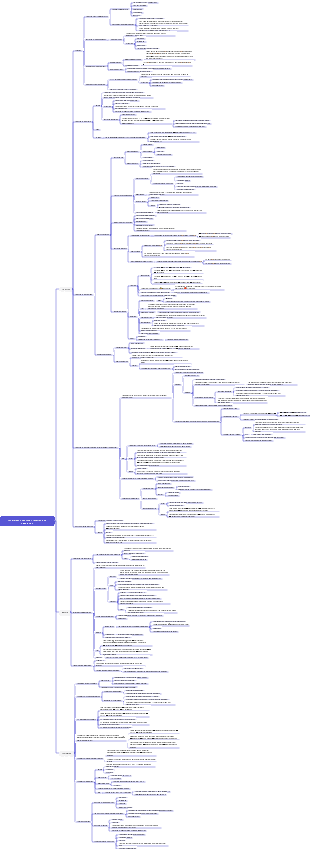
MindMap Gallery Summary of The Strongest Physical Constitution
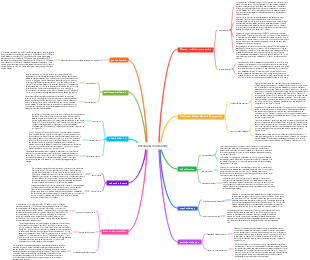
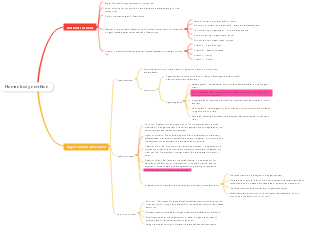
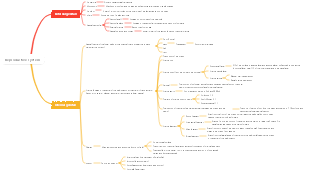
This is a mind map summarized by "The Strongest Physical Constituent", a healthy diet guide book integrating scientificity, practicality and readability. By introducing antioxidant, anti-saccharification and anti-inflammatory dietary strategies, we will help readers break the vicious circle of "obesity → aging → illness" and develop a good physique that is not easy to get sick or aging. If you focus on healthy eating and lifestyle, this book will be a great choice.
Edited at 2025-03-09 12:14:50Rumi: 10 dimensions of spiritual awakening. When you stop looking for yourself, you will find the entire universe because what you are looking for is also looking for you. Anything you do persevere every day can open a door to the depths of your spirit. In silence, I slipped into the secret realm, and I enjoyed everything to observe the magic around me, and didn't make any noise. Why do you like to crawl when you are born with wings? The soul has its own ears and can hear things that the mind cannot understand. Seek inward for the answer to everything, everything in the universe is in you. Lovers do not end up meeting somewhere, and there is no parting in this world. A wound is where light enters your heart.
Chronic heart failure is not just a problem of the speed of heart rate! It is caused by the decrease in myocardial contraction and diastolic function, which leads to insufficient cardiac output, which in turn causes congestion in the pulmonary circulation and congestion in the systemic circulation. From causes, inducement to compensation mechanisms, the pathophysiological processes of heart failure are complex and diverse. By controlling edema, reducing the heart's front and afterload, improving cardiac comfort function, and preventing and treating basic causes, we can effectively respond to this challenge. Only by understanding the mechanisms and clinical manifestations of heart failure and mastering prevention and treatment strategies can we better protect heart health.
Ischemia-reperfusion injury is a phenomenon that cellular function and metabolic disorders and structural damage will worsen after organs or tissues restore blood supply. Its main mechanisms include increased free radical generation, calcium overload, and the role of microvascular and leukocytes. The heart and brain are common damaged organs, manifested as changes in myocardial metabolism and ultrastructural changes, decreased cardiac function, etc. Prevention and control measures include removing free radicals, reducing calcium overload, improving metabolism and controlling reperfusion conditions, such as low sodium, low temperature, low pressure, etc. Understanding these mechanisms can help develop effective treatment options and alleviate ischemic injury.
Rumi: 10 dimensions of spiritual awakening. When you stop looking for yourself, you will find the entire universe because what you are looking for is also looking for you. Anything you do persevere every day can open a door to the depths of your spirit. In silence, I slipped into the secret realm, and I enjoyed everything to observe the magic around me, and didn't make any noise. Why do you like to crawl when you are born with wings? The soul has its own ears and can hear things that the mind cannot understand. Seek inward for the answer to everything, everything in the universe is in you. Lovers do not end up meeting somewhere, and there is no parting in this world. A wound is where light enters your heart.
Chronic heart failure is not just a problem of the speed of heart rate! It is caused by the decrease in myocardial contraction and diastolic function, which leads to insufficient cardiac output, which in turn causes congestion in the pulmonary circulation and congestion in the systemic circulation. From causes, inducement to compensation mechanisms, the pathophysiological processes of heart failure are complex and diverse. By controlling edema, reducing the heart's front and afterload, improving cardiac comfort function, and preventing and treating basic causes, we can effectively respond to this challenge. Only by understanding the mechanisms and clinical manifestations of heart failure and mastering prevention and treatment strategies can we better protect heart health.
Ischemia-reperfusion injury is a phenomenon that cellular function and metabolic disorders and structural damage will worsen after organs or tissues restore blood supply. Its main mechanisms include increased free radical generation, calcium overload, and the role of microvascular and leukocytes. The heart and brain are common damaged organs, manifested as changes in myocardial metabolism and ultrastructural changes, decreased cardiac function, etc. Prevention and control measures include removing free radicals, reducing calcium overload, improving metabolism and controlling reperfusion conditions, such as low sodium, low temperature, low pressure, etc. Understanding these mechanisms can help develop effective treatment options and alleviate ischemic injury.
Summary of "The Strongest Physical Constitution"
Introduction
1. Infection, aging, and chronic diseases (interrelated)
1. Oxidation → Infectious Diseases/Influenza Diseases
⑴. Inhaling oxygen → reactive oxygen → white blood cells let reactive oxygen fight viruses and bacteria
⑵. Pressure/atmosphere pollution → excessive reactive oxygen species → Attack viruses/bacteria, destroy white blood cells/normal cells; oxidation of white blood cells, protecting the body's function declines
2. Saccharification → Aging (spots, wrinkles, baldness)
⑴. Sugar protein → heating → food/body → AGE brown hard substance (burned) → skin saccharification → color loss/loss elasticity/hair bleak and yellow
⑵. Intake of too much sugar → excess sugar
3. Chronic inflammation → Disease
⑴.Inflammation is a body's defense response
⑵. Bad things entering periodontal → Time pass (chronic periodontitis) → Teeth fall
⑶.Chronic inflammation → Cancer/Mystolic Infarction/Alzheimer's Disease
2. Diet to prevent
1. Chronic inflammation: Intake more "anti-inflammatory foods"
2. Saccharification: Control the rapid increase in blood sugar, do not intake of too much sugar, and control foods with AGE
3. Oxidation: Intake more foods rich in "antioxidants"
Part One Dietary Ways to Prevent Oxidation
1. Crusogenic vegetables
1. Cruciferous vegetables: broccoli, cabbage, cabbage, round cabbage, radish, etc., rich in radish aphide
2. Sulfaraphane is not resistant to high temperatures, so it is recommended to eat raw or dip juice.
2. Eggs
1. Methionine antioxidant, vitamin A protects the human mucosa, and lysozyme in egg whites can dissolve and destroy bacteria's cell walls
2. Vitamins with poor heat resistance after egg heating will be damaged
3. 80% of cholesterol is produced by the liver, and 20% of cholesterol comes from food
4. Eat 2 to 3 eggs a day
3. Oysters rich in zinc
Zinc Vitamin C/citric acid → Eat together → Increase absorption rate
4. Salmon
1. Salmon: It is white at the beginning → Take astaxanthin from food → The body turns red, and the antioxidant capacity is improved → gradually turn white during egg spawning
2. Algae contain astaxanthin → plankton eats algae → salmon eats plankton → intake of astaxanthin → body turns red
3. Salmon should be eaten with skin
V. Imidazole dipeptide
1. Imidazole dipeptide in migratory bird muscles → eliminating reactive oxygen caused by exercise → stop fatigue → long-distance flight
2. Imidazole dipeptides: tuna, bonito, eel (endurance representative), chicken breast
3. The best effect after two weeks of consumption of imidazole dipeptide
6. High cocoa content chocolate
1. Polyphenols: Antioxidant
2. Cocoa polyphenols: antioxidant and dilated blood vessels
3. Cocoa alkali (bitter component): promotes blood circulation
7. Have seen vitamin E rich
1. Vitamin E has the strongest antioxidant ability among vitamins
2. Eat 30 grams of unsalted nuts every day instead of snacks
3. Moldy nuts will produce aflatoxin, which induces cancer
8. Soybeans
1. Soy isoflavones antioxidant
2. After the age of 40, the amount of estrogen secretion decreases → bone mass decreases. Intake of beans → Strengthen bones
9. α-lipoic acid
1. Yellow-green vegetables are rich in α-lipoic acid: spinach, carrots, cauliflower, potatoes, etc.
2. Vitamin C and vitamin E→ react with reactive oxygen species→ remove reactive oxygen species→ be oxidized by itself and lose its effectiveness
3. α-lipoic acid → regeneration of failed antioxidant components → exert antioxidant effects again
10. Red wine prevents blood vessels from blocking
1. Red wine → polyphenols make LDL less likely to oxidize → prevent arteriosclerosis
2. LDL (low-density lipoprotein) → deposited in blood vessels due to reactive oxygen oxidation → arteriosclerosis (vascular aging: thrombosis, stenosis) → myocardial infarction/cerebral infarction
3. Drink one or two glasses of strong red wine every day
11. Heating and repeatedly using oil makes the oil oxidized and toxic
1. Fat
⑴. Saturated fatty acids: in butter/meat, it is solid at room temperature. Too much intake will make the blood sticky and myocardial infarction. Easy to cure, not easy to deteriorate
⑵. Unsaturated fatty acids: In vegetable oil, it is not easy to solidify and oxidize easily. It oxidizes peroxidized lipids after contacting air, and it is very toxic
2. Oil → high temperature heating → oxidation → increase peroxidized lipids. Repeated use, highly toxic peroxidized lipids will enter the human body
3. Fry food → place it for a long time → oxidize. Don't eat after heating the next day
4. Oil can only be used once
12. Making a Rainbow Recipe
1. Vegetables, fruits, and beans: rich in phytochemicals and antioxidant
2. Eat different colors of vegetables and consume different phytochemicals
Red Vegetables: Lycopene has 100 times antioxidant properties than vitamin E; antioxidant ingredients
Lycopene Capsaicin: Anti-aging and weight loss; eating it with oil will increase the absorption rate of lycopene in the human body, and heating and conditioning can also be done.
Tomato: Adequate lycopene can prevent swelling caused by potassium deficiency
Red pepper: Rich in vitamin A, vitamin C, and vitamin E
Chili peppers: Promote blood circulation and also have a weight loss effect
Yellow and orange vegetables: Strengthen prevention functions and prevent virus invasion; antioxidant ingredients
β-carotene lutein: protects the skin and mucous membranes and effectively prevents eye diseases; the absorption rate will be higher when consumed with oil.
Carrots: Absolutely rich in beta-carotene
Pumpkin: Can take up three times the antioxidant
Huang Caijiao: Maintaining eyes health and keeping skin young
Green vegetables: improve anemia, is a high-quality "green blood"; antioxidant ingredients
Chlorophyll: Hematopoietic and detoxifying effects are good; it can be chopped or slightly heated to destroy its cell walls
Green pepper: Rich in vitamin C, good skin-beautifying effect
Spinach: Rich in hematopoietic ingredients
Green cauliflower: has several antioxidant ingredients
Purple vegetables: It has a good effect on eye health; antioxidant ingredients
Anthocyanins such as crosinone: can relieve visual fatigue and improve vision
Purple vegetables: It has a good effect on eye health; antioxidant ingredients
Anthocyanins such as crocoside: can relieve visual fatigue and improve vision; it is a water-soluble substance, so it is recommended not to cook but steam when heating.
Eggplant: rich in chromosinophilia and has weight loss effect
Purple cabbage: It can supplement the zinc content that the human body is prone to intake inadequately
Purple Onion: Allyl Sulfides Make Blood Fluid
White vegetables: spicy and scented with strong antioxidant effects; antioxidant ingredients
Allicin isothiocyanate: has excellent bactericidal effect and also helps to restore fatigue; the ingredients are easy to change after heating, so it is recommended to eat them raw.
Radish: Helps digestion and promotes gastrointestinal health
Cabbage: Crusogenic vegetables with strong antioxidant capacity
Garlic: It can produce ingredients that prevent cancer after heating
3. Inhibit vegetable oxidation
⑴. Vegetables are cut open → oxidized from the incision → reduced oxidation resistance
⑵. Inhibit vegetable oxidation
①.Vegetables →Freeze/drying →Inhibit oxidation
②. After opening and use, seal it to prevent it from contacting the air and oxidizing.
③. The ingredients are covered with juice (pickled)/soup, and do not contact the air
Thirteen. Chew thoroughly
1. Destroy food cell walls to better obtain nutrients
2. Fully secrete saliva, the enzymes in saliva can prevent oxidation
3. Stimulate the full center, control too much food, and prevent obesity
Part 2 Dietary Methods to Prevent Saccharification
1. Blood sugar rise and fall caused by sugar dependence
Drink sweet and refreshing drinks (low blood sugar, low mood) → blood sugar level rises rapidly after 30 minutes (heart is excited, the body secretes insulin) → hypoglycemia after 120 minutes (low mood) → drink sweet and refreshing drinks again (low blood sugar) → blood sugar level rises rapidly after 30 minutes (heart is excited, the body secretes insulin)
2. The sugar intake is less than 100 grams per day
1. Ingredients with a lot of sugar: staple foods (rice, bread, noodles, powder), sweets (desserts made of sugar, sweet fruits, etc.), potatoes
2. A bowl of rice with a bowl of rice is about 55 grams. It is best not to eat staple food at night.
Three ways to prevent saccharification
1. Aging process caused by saccharification: Eat → cause saccharification (forming AGE) → AGE accumulates in the body → aging
2. Just block one of the processes to prevent sugarification
4. Protein is preferred
1. Protein inhibits blood sugar rise: protein → stimulates insulin secretion → reduces blood sugar
2. The order of eating inhibits the increase in blood sugar value: [Protein (meat, fish, eggs, beans, etc.) controls digestion and absorption, and secretes hormones that reduce blood sugar value] → [Diet fiber (vegetables, seaweed, etc.) controls consumption and absorption] → [Sugar (staple foods, potatoes, etc.)]
5. Bread with butter
1. Changes in blood sugar levels caused by different ways of eating bread
⑴. Just eat bread (sugar) → blood sugar level rises rapidly = promote sugarification
⑵. Eat bread and butter together (toner, fat) → blood sugar slowly rises = inhibit sugarification
2. Staple food Fat/protein: bread, cheese, rice, natto, udon, meat
6. Green tea bean milk
1. Green tea (catechin) Soy milk (vitamin B1/vitamin B6) → Resist AGE
2. Add green tea powder to soy milk and drink two cups a day
7. Unburned cuisine can keep people young
1. High temperature cooking will increase the amount of AGE
⑴.Cooking: AGE increases and decreases by 1.5 times
⑵.Frying: AGE increases by 10 times
⑶. Microwave heating: AGE increases by 2 times
2. Use vinegar and lemon juice to reduce AGE: use marinade after heating; add vinegar or lemon juice after heating
8. 1.5 liters of water a day
1. High blood sugar concentration → drinking water → reducing blood sugar concentration → inhibiting sugarification
2. Drink too much water at one time → destroy the electrolyte balance in the body → headache, vomiting
9. Don't drink juice
1. The disadvantages of drinking juice
⑴. Much sugar: a cup of juice requires several fruits
⑵. Fast absorption: It is easy to absorb liquid or fasting
⑶. Less fiber: Dietary fiber will be removed
2. Intake of liquid sugar on an empty stomach → blood sugar level rises rapidly → accelerate sugarification
10. Vitamin B1 and Vitamin B2
1. Vitamin B1
⑴. Rich in vitamin B1: pork, sesame, and soy foods. Promote sugar metabolism
⑵. Allicin (garlic/leek) Vitamin B1→Effect for a longer time
2. Vitamin 1B6
⑴. Rich in vitamin B6: tuna, bonito, sauerk, jute, red pepper, etc.
⑵. Inhibit the production of AGE
⑶. Vitamin B6 can be synthesized by intestinal bacteria, and the use of antibiotics will worsen the intestinal environment.
11. Cinnamon powder
1. Cinnamon: inhibit aging and repair capillaries
2. Cinnamon can be used as a spice for dishes or drinks
3. Get older/high stress → capillaries become fragile → lose their function → wrinkles/spots/white hair/bald
4. Cinnamon contains coumarin, excessive intake will damage liver function
12. Vanilla tea after meals helps to resist saccharification and sleep
1. Put the herbs (basil leaves, coriander, etc.) into the dish or tea to eat
2. You can easily pull the ribs down the steps
3. Increase muscle can inhibit sugarification
13. Brush your teeth carefully
1. Prevent periodontal disease caused by gingival inflammation
2. Prevent heart disease, diabetes and elderly Alzheimer's disease caused by inflammatory substances in periodontal disease
Part 3 Dietary styles to prevent chronic inflammation
1. Drink some freshly made coffee in the morning
1. Coffee contains chlorogenic acid with strong anti-inflammatory effects
2. Too much caffeine intake can lead to insomnia or irregular pulse
2. Eat with the orange
1. The white white tendons in oranges are rich in hesperidin: anti-inflammatory, antioxidant, and smooth blood
2. Eat oranges with white tendons
3. Fat of the green fish
1. Bluefish: saury, mackerel, sardines, bamboo fish, yam, etc.
2. The functions of fatty acids (cannot be synthesized by the human body), EPA (eicosapentaenoic acid) and DHA (docosahexaenoic acid): prevent myocardial infarction, arteriosclerosis, Alzheimer's disease
3. The daily fish intake should be more than 50 grams. One salt-roasted saury is about 120 grams, one salt-roasted mackerel is about 100 grams
4. After barbecue, the fat rich in EPA and DHA in the fish will fall off and the AGE value will increase.
5. How to eat fish: eat raw, eat it with your head (absorb vitamin D and calcium), and eat it with canned food with soup.
4. Eat ginger
1. After mashing, gingerol is produced, which is anti-inflammatory and prevents diseases (gerol is hindering the synthesis of prostaglandins and prevents inflammation)
2. Gingerene powder appears after heating, which is anti-saccharification and prevents aging.
3. Use freshly mashed ginger as a side dish
V. Trans fatty acids
1. The reason for the crackling taste: shortening with a lot of trans fatty acids
2. Hydrogenation: Food processing: liquid → solid/semi-solid → trans fatty acids
3. Foods with a lot of trans fatty acids: margarine, edible fat coating, creamer, shortening (processed by vegetable oil), etc.
4. Trans fatty acids increase the risk of myocardial infarction and diabetes
6. Add more spices in the curry
1. Turmeric can inhibit brain inflammation
2. Cumin can resist sugar-resistant
3. Garlic can prevent oxidation
7. Mushrooms (vitamin D in them) can prevent cancer and infectious diseases
1. The effects of vitamin D: anti-inflammatory, prevent infectious diseases, and reduce the probability of cancer
2. Foods rich in vitamin D: Oyster mushroom, Ash Tree Flower Fungus, Black Agitus, etc.
3. The vitamin D precursor of human skin → UV irradiation → produce vitamin D and oxidize it at the same time
4. Intestinal activity: absorb nutrients and water, and eliminate foreign objects that are harmful to the body.
5. Healthy intestine → beneficial bacteria synthesize polyamines → anti-inflammatory
6. Sugar fat loss method: eat less sugar (intake a small amount of staple food in the morning), eat more fat
7. Causes of obesity: intake of sugar → increase in blood sugar → secretion of insulin to convert sugar into fat → deposit fat
8. Intake of excess fat → excrete through feces without leaving it in the body
9. The role of olive oil: inhibits blood sugar rise, making people prone to thinness; prevents diabetes; reduces the risk of cerebral stroke and heart disease
10. The functions of liquor: make people lose weight and improve swelling
11. White wine is rich in tartaric acid and malic acid, which can improve the intestinal environment
12. BMI calculation method: weight (kg) ÷ [height (m) ×height (m)]
⑴.BMI is less than 18.5, low weight
⑵.BMI18.5~25, ordinary weight
⑶.BMI5 or above, obesity
8. Diet
1. The daily intake of vegetables should be more than 350 grams, which is equivalent to 5 small bowls, and eaten in three meals.
2. Drink a lot of juice in one breath, fructose enters the human body. The fructose that the human body cannot consume will be transferred to the liver to form fat.
3. Fried chicken and potato chips: contains a large amount of peroxide fat with high toxicity, aging AGE, and high-temperature heating of carbohydrates containing acrylamide that can easily induce cancer.