MindMap Gallery digestive system
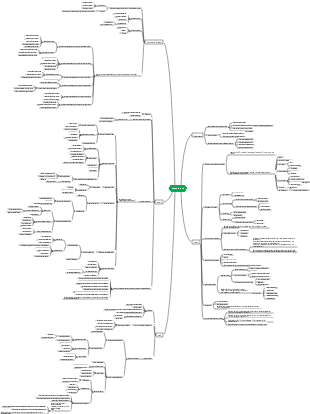
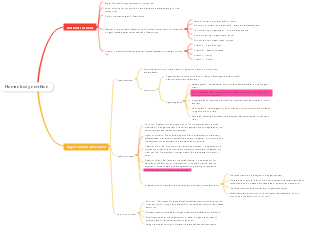
The digestive system is one of the nine major systems of the human body and is mainly responsible for the intake, digestion, absorption and excretion of food. It consists of two major parts: the digestive tract and the digestive glands.
Edited at 2024-11-06 19:44:26루미 : 영적 각성의 10 차원. 당신이 자신을 찾는 것을 멈출 때, 당신은 당신이 찾고있는 것이 당신을 찾고 있기 때문에 우주 전체를 찾을 것입니다. 당신이 매일 인내하는 것은 당신의 영의 깊이의 문을 열 수 있습니다. 침묵 속에서 나는 비밀 영역으로 미끄러 져 내 주변의 마법을 관찰하기 위해 모든 것을 즐겼으며 어떤 소음도 만들지 않았습니다. 날개로 태어 났을 때 왜 기어 다니는 것을 좋아합니까? 영혼은 그 자체의 귀를 가지고 있으며 마음이 이해할 수없는 것들을들을 수 있습니다. 모든 것에 대한 답을 내면으로 찾으십시오. 우주의 모든 것이 당신 안에 있습니다. 연인들은 어딘가에서 만나지 않으며이 세상에는 이별이 없습니다. 상처는 빛이 당신의 마음에 들어가는 곳입니다.
만성 심부전은 심박수 속도의 문제가 아닙니다! 심근 수축 및 이완기 기능의 감소로 인해 심장 출력이 불충분하여 폐 순환에서 정체와 체계 순환의 혼잡을 유발합니다. 원인, 유도에서 보상 메커니즘에 이르기까지, 심부전의 병리 생리 학적 과정은 복잡하고 다양합니다. 부종을 제어하고, 심장의 전선 및 애프터로드를 줄이고, 심장 안락함 기능을 향상시키고, 기본 원인을 예방하고 치료함으로써, 우리는이 도전에 효과적으로 대응할 수 있습니다. 심부전의 메커니즘과 임상 증상을 이해하고 마스터 링 방지 및 치료 전략을 이해함으로써 우리는 심장 건강을 더 잘 보호 할 수 있습니다.
허혈-재관류 손상은 기관이나 조직이 혈액 공급을 회복시킨 후 세포 기능 및 대사 장애 및 구조적 손상이 악화 될 것이라는 현상입니다. 주요 메커니즘에는 증가 된 자유 라디칼 생성, 칼슘 과부하 및 미세 혈관 및 백혈구의 역할이 포함됩니다. 심장과 뇌는 흔한 손상 기관이며 심근 대사 및 초 구조적 변화, 심장 기능 감소 등으로 나타납니다. 예방 및 제어 조치에는 자유 라디칼 제거, 칼슘 과부하 감소, 신진 대사 개선 및 저 나트륨, 저온, 저압 등과 같은 재관류 조건을 제어하는 것이 포함됩니다. 이러한 메커니즘을 이해하면 효과적인 치료 옵션을 개발하고 허혈성 손상을 완화시키는 데 도움이 될 수 있습니다.
루미 : 영적 각성의 10 차원. 당신이 자신을 찾는 것을 멈출 때, 당신은 당신이 찾고있는 것이 당신을 찾고 있기 때문에 우주 전체를 찾을 것입니다. 당신이 매일 인내하는 것은 당신의 영의 깊이의 문을 열 수 있습니다. 침묵 속에서 나는 비밀 영역으로 미끄러 져 내 주변의 마법을 관찰하기 위해 모든 것을 즐겼으며 어떤 소음도 만들지 않았습니다. 날개로 태어 났을 때 왜 기어 다니는 것을 좋아합니까? 영혼은 그 자체의 귀를 가지고 있으며 마음이 이해할 수없는 것들을들을 수 있습니다. 모든 것에 대한 답을 내면으로 찾으십시오. 우주의 모든 것이 당신 안에 있습니다. 연인들은 어딘가에서 만나지 않으며이 세상에는 이별이 없습니다. 상처는 빛이 당신의 마음에 들어가는 곳입니다.
만성 심부전은 심박수 속도의 문제가 아닙니다! 심근 수축 및 이완기 기능의 감소로 인해 심장 출력이 불충분하여 폐 순환에서 정체와 체계 순환의 혼잡을 유발합니다. 원인, 유도에서 보상 메커니즘에 이르기까지, 심부전의 병리 생리 학적 과정은 복잡하고 다양합니다. 부종을 제어하고, 심장의 전선 및 애프터로드를 줄이고, 심장 안락함 기능을 향상시키고, 기본 원인을 예방하고 치료함으로써, 우리는이 도전에 효과적으로 대응할 수 있습니다. 심부전의 메커니즘과 임상 증상을 이해하고 마스터 링 방지 및 치료 전략을 이해함으로써 우리는 심장 건강을 더 잘 보호 할 수 있습니다.
허혈-재관류 손상은 기관이나 조직이 혈액 공급을 회복시킨 후 세포 기능 및 대사 장애 및 구조적 손상이 악화 될 것이라는 현상입니다. 주요 메커니즘에는 증가 된 자유 라디칼 생성, 칼슘 과부하 및 미세 혈관 및 백혈구의 역할이 포함됩니다. 심장과 뇌는 흔한 손상 기관이며 심근 대사 및 초 구조적 변화, 심장 기능 감소 등으로 나타납니다. 예방 및 제어 조치에는 자유 라디칼 제거, 칼슘 과부하 감소, 신진 대사 개선 및 저 나트륨, 저온, 저압 등과 같은 재관류 조건을 제어하는 것이 포함됩니다. 이러한 메커니즘을 이해하면 효과적인 치료 옵션을 개발하고 허혈성 손상을 완화시키는 데 도움이 될 수 있습니다.
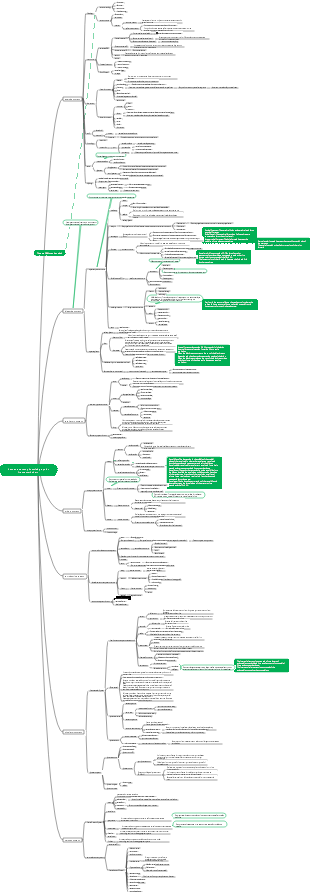
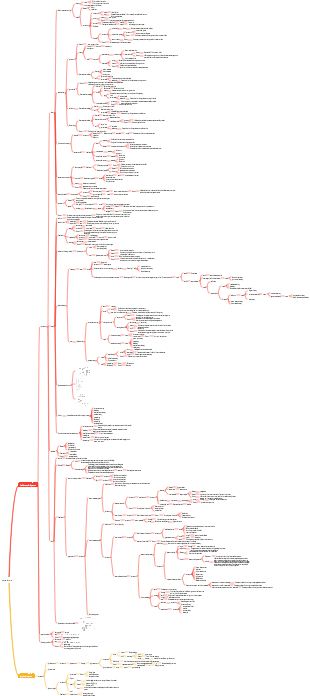
digestive system
Digestive tube
oral cavity
oral vestibule
proper oral cavity
palate
The upper wall of the proper oral cavity, the front 1/3 is the soft palate, and the back 1/3 is the hard palate
The back of the soft palate slopes backward and downward, called the velum palatine
The posterior edge of the palatal velum is free, and the downward protrusion in the middle is called the uvula/uvula
The anterior fold is connected to the lateral side of the tongue base and is called the palatoglossal arch.
The palatoglossal arch and tongue base form a pharyngeal isthmus, which is the boundary between the pharynx and the oral cavity.
The posterior fold moves downward to the lateral wall of the pharynx and is called the palatopharyngeal arch.
lips
Quarrel
cleft mouth
nasolabial folds
among people
The junction of the upper and middle 1/3 is the Renzhong point
cheek
There is an opening of the parotid duct on the mucosa of the maxillary second molar.
The mumps virus has entered the
tongue
Shape: upper and lower sides, the upper side is called the dorsum of the tongue.
tongue mucosa
tongue papilla
filiform papillae
White
fungiform papillae
small red dots
foliate papillae
located behind the lingual edge
Contoured nipples
in front of the boundary ditch
Contour papillae, fungiform papillae, and leafy papillae contain taste receptors, called taste buds
The protrusions of varying sizes at the base of the tongue are called lingual tonsils
under tongue
tongue tie
sublingual caruncle
sublingual fold
sublingual gland
tongue muscle
Intrinsic tongue muscles
When contracting, the tongue shortens, narrows, or becomes thinner
external tongue muscle
Genioglossus, hyoglossus, styloglossus, geniohyoid muscle
Genioglossus: When both sides contract at the same time, the tongue protrudes forward. When one side contracts, the tongue moves to the opposite side The genioglossus muscle on one side is paralyzed. When the tongue is extended, the tongue deviates to the paralyzed side.
Teeth (the hardest organ in the human body)
Form and structure
dental crown Tooth neck tooth root
oral exposure surrounded by gums embedded in tooth socket
dental tissue
dentin
The main body of the tooth, light yellow
enamel
The outer surface of the tooth crown is rich in enamel The hardest tissue in the human body
cementum
On the outside of the dentin of the tooth root and neck
dental pulp
Located in the dental cavity and composed of blood vessels, nerves and connective tissue
periodontal tissue
Gums, periodontal ligament, alveolar bone
Protects, supports and fixes teeth
Classification and arrangement of teeth
20 deciduous teeth (6 months to 6 years old), represented by Roman numerals
There are 32 permanent teeth (from 6 years old to later), represented by 1-8
Divided into incisors, lateral incisors, canines, and molars
salivary glands
Parotid glands (largest pair of oral glands), triangular wedge-shaped Located in front of the auricle.
parotid duct
the anterior edge of the parotid gland, Opening in the buccal mucosa opposite to the crown of the maxillary second molar
submandibular gland
Located in the mandibular triangle formed by the lower edge of the mandible and the anterior and posterior belly of the digastric muscle The glandular duct opens into the sublingual caruncle
sublingual gland
The deep surface of the sublingual fold on the floor of the mouth, Glandular ducts are divided into two types: large and small. The large duct opens into the sublingual caruncle, The small duct opens on the surface of the sublingual fold
pharynx
A funnel-shaped muscle-shaped tube that is slightly flattened anteriorly and posteriorly. The upper end originates from the base of the middle cranial fossa, and the lower end is at the lower edge of the sixth vertebral body. The posterior wall is the 1st to 6th bony wall of the cervical vertebrae
Connected with the nasal cavity, oral cavity, and throat cavity.
Distribution and transportation of pharynx
According to the adjacency of its anterior wall, it is divided into three parts: nasopharynx, oropharynx and hypopharynx.
Nasopharynx
The Eustachian tube orifice leads to the tympanic cavity of the middle ear through the Eustachian tube.
Eustachian tube, Eustachian tube tonsils
The obvious bulge above and behind the pharyngeal opening of the Eustachian tube is called the Eustachian tube round pillow.
The dimples within the round occiput of the Eustachian tube are called smoke recesses
Common sites of nasopharyngeal cancer
There are pharyngeal tonsils on the posterior superior wall, It is relatively abundant in childhood, prone to snoring, and prone to adenoid hypertrophy.
Oropharynx
The palatine tonsils are susceptible to bacterial attack and inflammation.
Palatine tonsils, lingual tonsils, pharyngeal tonsils, Eustachian tube tonsils Together they form a pharyngeal lymphatic ring, which has a defensive function for the digestive tract and respiratory tract.
The pharynx and epiglottis ensure that food and gas pass properly into the esophagus or trachea
hypopharynx
esophagus
Location: Upper end at the 6th cervical vertebra The lower end is connected to the stomach on the left side of the 11th thoracic vertebra
Shape: Short neck, long chest, shortest abdomen
Three physiological stenosis: 1. The first stenosis is located at the beginning of the esophagus, about 15cm from the central incisor. 2. The second stenosis is located at the intersection of the esophagus and the left bronchus, about 25cm from the central incisor. 3. The third stenosis is located at the esophageal hiatus through the diaphragm, about 40cm away from the central incisor.
The three strictures are areas where foreign bodies in the esophagus are likely to remain, and are also prone to inflammation and tumors.
Stomach
9 points: Most of it is located in the left rib area, and a small part is located in the upper abdominal area.
It is usually divided into four parts: cardia, fundus, body, and pylorus
The pylorus can be divided into the pyloric sinus on the left and the pyloric canal on the right
There is a pyloric valve at the pylorus, It has the effect of delaying the emptying of gastric contents and preventing the reflux of duodenal contents to the stomach.
The pylorus and the lesser curvature of the stomach are common sites for gastric ulcers
Gastric ulcers and duodenal ulcers are both precancerous diseases
small intestine
duodenum
The upper part, also known as the duodenal bulb, Is a common site for duodenal ulcers
Descending part, descends along the right side of lumbar vertebrae 1 to 3, The great duodenal papilla is the common opening of the common bile duct and pancreatic duct. The duodenal papilla is the opening of the accessory pancreatic duct
Horizontal part, lower part: in front of the third lumbar vertebra
Ascending part, left side of the second lumbar vertebra, The duodenal suspensory ligament is an important landmark for identifying the starting point of the jejunum during surgery.
jejunum
Return to the near side of the court 2/5, color pink
ileum
It accounts for 3/5 of the long side of the total length and is grayish pink in color.
collecting lymphoid follicles Bacteria often invade collecting lymphoid follicles, easily forming ulcers and even causing intestinal perforation.
the large intestine
Three characteristic structures of the cecum and colon
Colonic bands, colonic pouches and intestinal fat tags
Cecum
It is the beginning of the large intestine, located in the right iliac fossa, in the shape of a blind sac.
The terminal ileum protrudes into the cecum, preventing the contents of the large intestine from flowing back into the ileum.
Below the ileocecal valve is the opening of the appendix.
appendix
The intersection of the middle and outer 1/3 of the line connecting the umbilicus and the right anterior superior iliac spine is McFarland's point.
colon
Ascending colon, transverse colon, descending colon, sigmoid colon
rectum
The upper end is at the level of the third sacral vertebra, and the lower end ends at the pelvic diaphragm.
2 curvatures: sacral curvature, convex backward Perineal curvature, convex forward
The intestinal cavity in the lower rectum is significantly enlarged, called the rectal ampulla
The middle rectal transverse fold is large and obvious, with a constant position, 7cm from the anus. It is the positioning mark for proctoscopy
Dropping medicine, lying on left side, curled up
anal canal
anal column anal valve anal sinus
longitudinal mucosal folds half-moon shaped mucosal folds The anal valve and the two adjacent anal pillars (easily causing anal sinusitis)
dentate line Hemorrhoid rings (anal comb) white line
The jagged annular line between the lower end of the anal column and the edge of each anal valve An annular area about 1cm wide at the lower end of the dentate line The lower edge of the hemorrhoidal ring, the dividing line between the internal and external anal sphincter muscles
digestive glands
Liver (the largest digestive gland in the body)
liver shape
Wedge-shaped, with the right end rounded, blunt and thick, and the left end flat and thin. It can be divided into upper and lower sides and front and rear edges. The top of the liver is close to the diaphragm and is called the diaphragm surface. The lower surface is adjacent to the organs and is called the dirty surface. There are H-shaped grooves on the dirty surface, a longitudinal groove on the left, a longitudinal groove on the right, and a transverse groove. There is a fissure in the front part of the left longitudinal groove, the round ligament of the liver, which passes through and makes the liver hang under the diaphragm. The posterior part is called the ligamentous venous fissure, which accommodates the ligamentum venosus, and the anterior part of the right longitudinal groove is the gallbladder fossa, which accommodates the gallbladder. The posterior part is the vena cava groove, through which the inferior vena cava passes. The transverse groove is called the hepatic portal, which houses the proper hepatic artery, hepatic portal vein, and hepatic duct.
4 lobes of liver: left lobe, right lobe There are square leaves in front of the transverse groove and caudate leaves in the back.
location of liver
Most of them are located in the right rib area and supraventral area, and a small part is located in the left rib area.
The upper boundary is the intersection of the right midclavicular line and the fifth rib, the intersection of the anterior midline and the xiphithoracic union, and the intersection of the left midclavicular line and the fifth intercostal space. Lower boundary, the right side is roughly consistent with the right costal arch, the middle part extends about 3cm below the xiphoid process, and the left side is covered by the costal arch.
extrahepatic biliary system
Gallbladder, a sac-like organ that stores and concentrates bile, can be divided into gallbladder base, gallbladder body, gallbladder neck, and cystic duct
Surface projection of the gallbladder floor: slightly below the intersection of the right midclavicular line and the right costal arch Or the intersection of the outer edge of the right rectus abdominis and the costal arch
The triangular area surrounded by the cystic duct, common hepatic duct and the visceral surface of the liver is called the gallbladder triangle, and the cystic artery passes through it. Finding landmarks for the cystic artery during surgery
bile duct
The sum of the right hepatic duct and the left hepatic duct is the common hepatic duct. The sum of the common hepatic duct and the cystic duct is the common bile duct. The common bile duct and pancreatic duct open into the duodenal papilla. The accessory pancreatic duct opens into the duodenal papilla
pancreatic
Located in the upper abdominal area and left rib area. Divided into pancreatic head, pancreatic neck, pancreatic body, pancreatic tail
Adjacent to: Anterior: Posterior wall of stomach Posteriorly: inferior vena cava, common bile duct, hepatic portal vein, abdominal aorta Right: duodenum Left: spleen
Projection of the body of the pancreas: the upper limit is located 10cm above the umbilicus The lower limit is located 5cm below the navel
Pancreatic head cancer: The enlargement of the pancreatic head prevents bile from flowing into the large intestine, and the feces is grayish white. In more severe cases, bile flows back into the liver, causing jaundice