MindMap Gallery Endocrine System
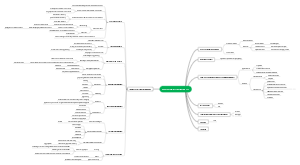
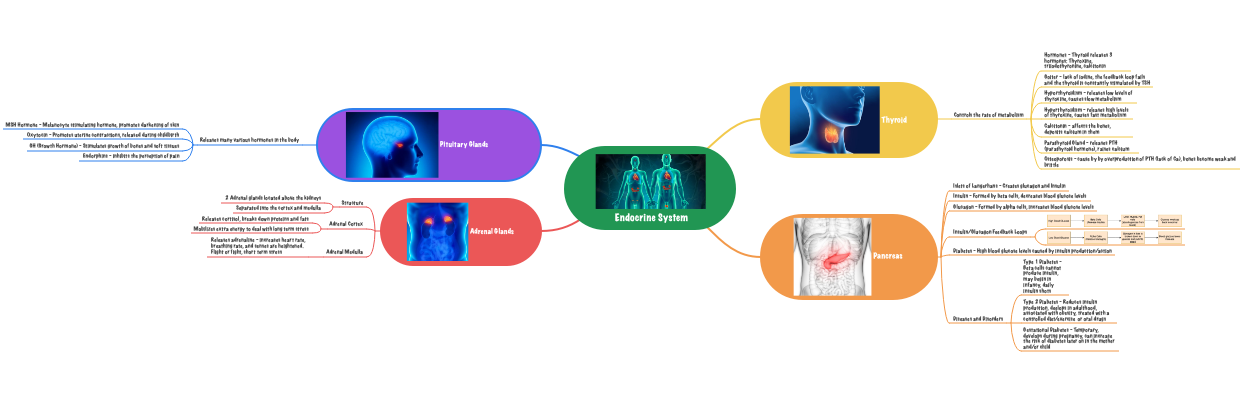
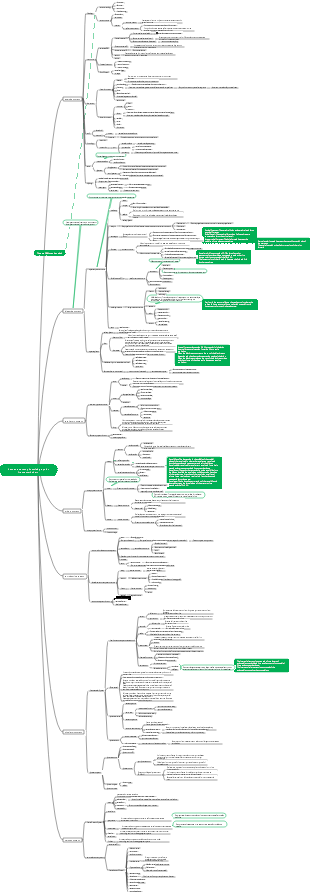
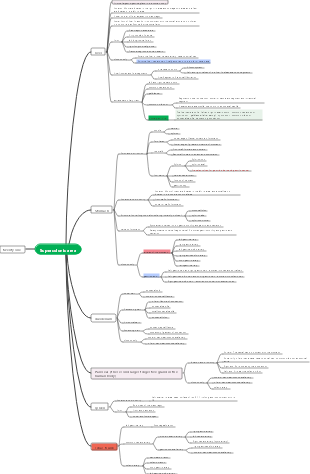
This is a mind map about the endocrine system. The function of the endocrine system is mainly to regulate the physiological activities and metabolic processes of the human body through the secretion of hormones to maintain the stability of the internal environment and the normal operation of the body.
Edited at 2024-01-20 08:44:49This is a mind map about bacteria, and its main contents include: overview, morphology, types, structure, reproduction, distribution, application, and expansion. The summary is comprehensive and meticulous, suitable as review materials.

This is a mind map about plant asexual reproduction, and its main contents include: concept, spore reproduction, vegetative reproduction, tissue culture, and buds. The summary is comprehensive and meticulous, suitable as review materials.
This is a mind map about the reproductive development of animals, and its main contents include: insects, frogs, birds, sexual reproduction, and asexual reproduction. The summary is comprehensive and meticulous, suitable as review materials.
This is a mind map about bacteria, and its main contents include: overview, morphology, types, structure, reproduction, distribution, application, and expansion. The summary is comprehensive and meticulous, suitable as review materials.
This is a mind map about plant asexual reproduction, and its main contents include: concept, spore reproduction, vegetative reproduction, tissue culture, and buds. The summary is comprehensive and meticulous, suitable as review materials.
This is a mind map about the reproductive development of animals, and its main contents include: insects, frogs, birds, sexual reproduction, and asexual reproduction. The summary is comprehensive and meticulous, suitable as review materials.
Endocrine System
Function
It is the body’s regulatory system and complements the nervous system.
composition
endocrine glands
Features
Independent existence, visible to the naked eye
Rich capillaries
No catheter
composition
pituitary
status
The most complex endocrine gland in the human body
form
gray red
oval body
Location
ventral hypothalamus
Located in the pituitary fossa of the sphenoid body in the middle cranial fossa
branch
Surrounded by a connective tissue membrane (dura mater)
adenohypophysis
Function
secrete hormones
Have endocrine function
eosinophils
growth hormone
Function
lack of performance
Insufficient secretion of this hormone in childhood can lead to pituitary dwarfism
prolactin
basophils
thyroid stimulating hormone
adrenocorticotropic hormone
gonadotropin
follicle stimulating hormone
luteinizing hormone
branch
distal part
composition
eosinophils
basophils
chromophobe cells
Function
Unknown function
form
The distal part is the largest
tubercle
anterior pituitary
middle part
Blood vessels of the adenohypophysis and their relationship with the hypothalamus
Contact occurs through the pituitary portal system
Oxytocin and antidiuretic hormone produced by the supraoptic and paraoptic nuclei of the hypothalamus are transported to the neuropituitary gland for storage through this pathway.
neurohypophysis
composition
unmyelinated nerve fibers
Glial cells
Blood vessel
branch
funnel
source
Connected to hypothalamus
Function
Stores and releases antidiuretic hormone (vasopressin) and oxytocin from the hypothalamus
No endocrine function
Function
It plays an important role in the interaction between the nervous system and endocrine glands. It is not only related to the growth of bones and soft tissues in the body, but also affects endocrine activities.
thyroid
status
The largest endocrine gland in the human body
form
reddish brown glands
H-shaped
composition
left and right lobe
Location
lower part of larynx
Anterolateral aspect of tracheal neck
Thyroid isthmus
Location
Located in front of the 2nd to 4th tracheal cartilage rings
adjacent to
A cone-shaped leaf extends upward
microstructure
The surface is covered with a thin layer of connective tissue membrane
The connective tissue of the capsule penetrates deep into the renal parenchyma
leaflet
microstructure
cell
composition
thyroid follicle
microstructure
surrounded
follicular epithelial cells
Function
secretion
thyroid hormone
Classification
conjugated thyroid hormone
free thyroid hormone
synthetic raw materials
iodine
tyrosine
Function
Can increase nerve excitability and promote growth and development
Significant impact on the skeletal development and central nervous system development of infants and young children
lack of performance
short body
brain development disorder
cretinism
Follicular cavity
microstructure
full of transparent gel
parafollicular cells
Location
Between follicles and between follicular epithelial cells
form
Exist singly or in groups
Function
secretion
calcitonin
Function
lower blood calcium
Influencing factors
Secretion is mainly regulated by blood calcium concentration
Function
When swallowing, the thyroid gland moves up and down with the movement of the larynx
parathyroid gland
Location
Located behind the left and right lobes of the thyroid gland
embedded in thyroid parenchyma
form
branch
upper and lower pairs
brownish yellow
Soybean size
flat oval gland
microstructure
cell
main cell(key)
Function
secretion
parathyroid hormone
Function
Increase blood calcium
Regulate calcium and phosphorus metabolism in the body
Adrenal gland
Location
In the retroperitoneal space
above the kidney
Extraperitoneal organs
form
The left adrenal gland appears to be half-moon shaped
The right adrenal gland is triangular in shape
adrenal parenchyma
composition
Surrounding
Shallow layer
cortex
microstructure
cell
steroid hormone cells
layered
outermost layer
globular zone
Location
below the membrane
Features
thinner
cells are smaller
tapered
Arranged in spherical clumps
Less cytoplasm
Contains a small amount of lipid droplets
Function
secretion
Mineralocorticoids
Main ingredients
aldosterone
Function
Mainly regulates water and salt metabolism in the body
Can promote the reabsorption of Na* and excretion of K* in the renal distal tubules and collecting ducts
middle layer
fasciculus
Location
Located deep in the globular zone
status
thickest
Features
Larger
Polygonal
It is filled with larger lipid droplets
HE staining is lighter and foamy
Cell cords arranged in single or double rows
Arranged radially from deep to shallow
Function
secretion
Glucocorticoids
Main ingredients
cortisol
corticosterone
e.g.
hydrocortisone
Function
Mainly regulates carbohydrate metabolism
Promotes the decomposition and conversion of proteins and fats into sugar, and also inhibits immune response and has anti-inflammatory effects
inner layer
mesh belt
Function
secretion
sex hormones
composition
androgens
small amounts of estrogen
Function
Affect secondary sex characteristics
Glucocorticoids
central
Deep
medulla
microstructure
cell
adrenal medulla cells
also known as
chromaffin cells
microstructure
In the cytoplasm
chromaffin granules
Function
secretion
catecholamine hormones
Adrenaline
Function
Act on myocardium
Norepinephrine
Function
Act on blood vessels
Thymus
Location
behind the manubrium sternum
anterior part of superior mediastinum
source
Shrink gradually after sexual maturity
Function
secrete thymosin
Produce T lymphocytes
islet
status
endocrine part of pancreas
form
Approximately 1.5% of the pancreatic volume
microstructure
cell
islet alpha cells
Function
secretion
glucagon
pancreatic beta cells
Function
secretion
insulin
Function
lower blood sugar
microstructure
secreted substances
hormone
nature
Highly effective bioactive substances
source
Produced by endocrine glands or endocrine cells
Direct penetration into capillaries or lymphatic capillaries
and then transported throughout the body
Function
It plays an important role in regulating the metabolism, growth, development and reproduction of human body.
transfer information between cells
endocrine tissue
Location
Dispersed in organs or tissues of the body
composition
islet
Location
Intrapancreatic
interstitial cells
Location
In testicle
follicles and corpus luteum
Location
In the ovary
endocrine organs
composition
thyroid
parathyroid gland
Adrenal gland
pituitary
pineal gland
Function
Endocrine organs that have atrophied in adulthood
Thymus
pineal gland