MindMap Gallery Human anatomy knowledge point framework chart
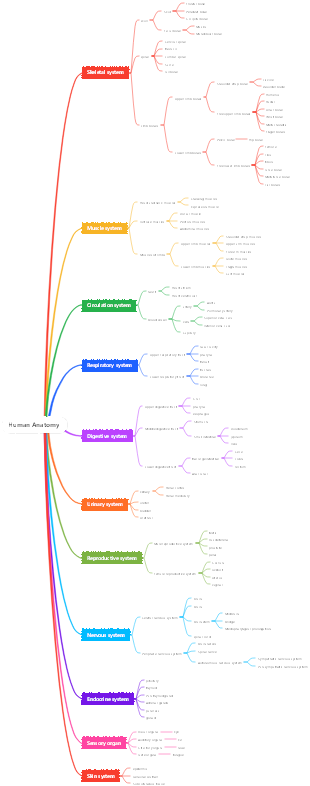
Human anatomy, including the motor system, digestive system, respiratory system, urinary system, reproductive system, circulatory system, nervous system, etc.
Edited at 2024-01-13 22:07:59This article discusses the Easter eggs and homages in Zootopia 2 that you may have discovered. The main content includes: character and archetype Easter eggs, cinematic universe crossover Easter eggs, animal ecology and behavior references, symbol and metaphor Easter eggs, social satire and brand allusions, and emotional storylines and sequel foreshadowing.

[Zootopia Character Relationship Chart] The idealistic rabbit police officer Judy and the cynical fox conman Nick form a charmingly contrasting duo, rising from street hustlers to become Zootopia police officers!
This is a mind map about Deep Analysis of Character Relationships in Zootopia 2, Main content: 1、 Multi-layer network of relationships: interweaving of main lines, branch lines, and hidden interactions, 2、 Motivation for Character Behavior: Active Promoter and Hidden Intendant, 3、 Key points of interaction: logic of conflict, collaboration, and covert support, 4、 Fun Easter eggs: metaphorical details hidden in interactions.
This article discusses the Easter eggs and homages in Zootopia 2 that you may have discovered. The main content includes: character and archetype Easter eggs, cinematic universe crossover Easter eggs, animal ecology and behavior references, symbol and metaphor Easter eggs, social satire and brand allusions, and emotional storylines and sequel foreshadowing.
[Zootopia Character Relationship Chart] The idealistic rabbit police officer Judy and the cynical fox conman Nick form a charmingly contrasting duo, rising from street hustlers to become Zootopia police officers!
This is a mind map about Deep Analysis of Character Relationships in Zootopia 2, Main content: 1、 Multi-layer network of relationships: interweaving of main lines, branch lines, and hidden interactions, 2、 Motivation for Character Behavior: Active Promoter and Hidden Intendant, 3、 Key points of interaction: logic of conflict, collaboration, and covert support, 4、 Fun Easter eggs: metaphorical details hidden in interactions.
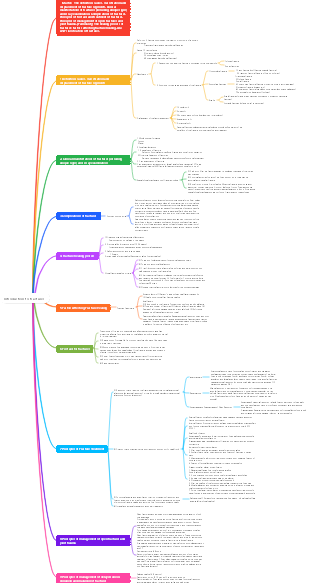
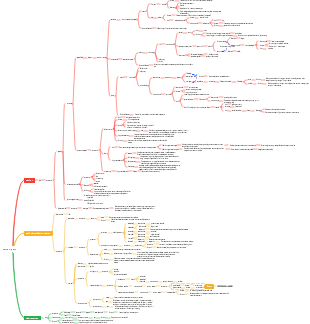
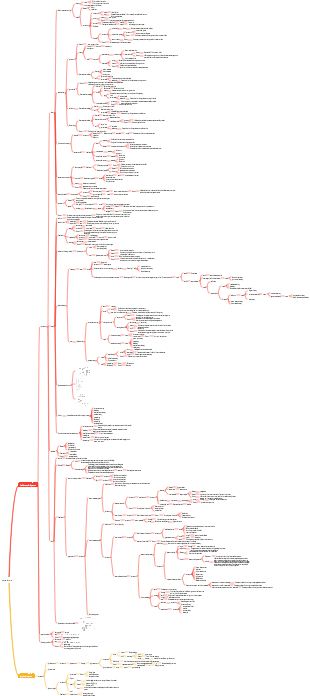
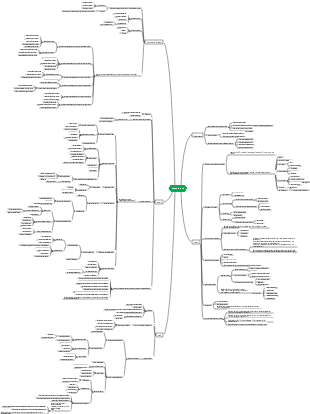
Human anatomy knowledge point framework chart
exercise system
Osteology
bone morphology
long bone
flat bone
short bone
Irregular bones
bone structure
Bone quality
periosteum
marrow
red bone marrow
Hematopoietic function, only red bone marrow remains in adults certain long bones
yellow bone marrow
Distributed within the diaphyses of adult long bones
During blood loss and anemia, yellow bone marrow can be converted into red bone marrow to restore hematopoietic function.
trunk bone
vertebrae (26)
Cervical vertebra (7)
First cervical vertebra (atlas)
🈚Vertebral bodies and spinous processes
Second cervical vertebra (pivot)
Extending an odontoid process, the first 2-6 cervical spinous processes are shorter and bifurcated at the end.
Seventh cervical vertebra (vertebrae)
spinous process very long
Thoracic vertebra (5)
It increases in size from top to bottom, with ribs and concavities, long spinous processes, and an imbricated shape.
Lumbar vertebra (5)
Thick vertebral body
sacrum
Five sacral vertebrae, four pairs of conical foramina, and the sacral canal hiatus are the puncture sites for anesthesia
coccyx
1 piece of sternum
manubrium sternum
body of sternum
xiphoid process
Ribs (12 pairs)
costal cartilage
rib cage
limb bones
Upper limb bones
clavicle
The inner two-thirds are convex forward, and the outer third is convex backward.
Forms the sternoclavicular joint with the sternum
shoulder blade
The glenoid and humeral head form the shoulder joint
Humerus
Upper end: humeral head, greater tubercle, lesser tubercle, surgical neck
Body: deltoid tuberosity, radial nerve groove
Lower end: humeral pulley, humeral head,
ulna
Radius (near and far)
ulna mesiolarge and distal small
hand bones
Lower limb bones
hip bone
Ilium
pubic
ischium
femur
Upper end: femoral head, greater trochanter, lesser trochanter, femoral neck
Lower end: medial and lateral condyle, medial and lateral epicondyle
patella
tibia
fibula
foot bones
skull
facial skull
brain skull
in pairs
parietal bone, temporal bone
Not paired
Frontal bone, ethmoid bone, sphenoid bone, occipital bone
Arthrology
direct link
indirect link
joint
articular surface
articular cartilage covering
joint capsule
outer fibrous membrane
inner synovial membrane
joint cavity
Closed cavity, small amount of synovial fluid, negative pressure inside
spine
intervertebral disc
Fibrocartilage disc connecting two vertebrae
annulus fibrosus
nucleus pulposus
ligament
long ligament
Anterior longitudinal ligament (prevents excessive posterior extension)
Supraspinous ligament (limits excessive forward bending)
short ligament
Ligamentum flavum (connects two vertebral laminae)
Interspinous ligament (connected to adjacent spinous processes)
Myology
skeletal muscle, cardiac muscle, smooth muscle
longus, brevis, flatus, orbicularis
diaphragm
vena cava foramen
Inferior vena cava passes through
esophageal hiatus
Esophagus and vagus nerve
aortic tear
Aorta and thoracic duct
digestive system
Upper gastrointestinal tract: mouth to duodenum Lower gastrointestinal tract: below the jejunum
digestive system structure
From the inside to the outside: mucosa, submucosa, muscularis, adventitia
oral cavity
teeth
tongue
Pain: filiform nipples
Taste: fungiform papillae, contour papillae, foliate papillae
palate
The front two-thirds of the hard palate are based on bone and covered with mucosa
The posterior third of the soft palate is composed of skeletal muscle and mucosa
salivary glands
pharynx
Pharyngeal structure (funnel-shaped, wide at the top and narrow at the bottom)
Nasopharynx
The pharyngeal recess is a common site for nasopharyngeal cancer
Oropharynx
hypopharynx
esophagus
Esophageal structure (three strictures) 25cm
The beginning of the esophagus is 15cm from the central incisor
25cm at the intersection of the esophagus and the left main bronchus
The esophageal hiatus where the esophagus passes through the diaphragm 40cm
Stomach
stomach structure
Most of the stomach is in the left rib area, and a small part is in the upper abdominal area.
Microstructure of stomach wall
Epithelial cells secrete mucus to protect the gastric mucosa
cervical mucus cells secrete mucus
Chief cells secrete pepsinogen
Parietal cells secrete HCL and secrete glycoproteins
Small intestine(5-7)m
small intestine structure
duodenum
Wraps the head of the pancreas in a C shape
upper part
Descending part
The common opening of the common bile duct and pancreatic duct
Horizontal part
Ascending part
Jejunum connected to duodenum
ileum to cecum
the large intestine
Large intestine structure
Cecum
colon band
Intestinal fat tag
colon bag
appendix
McFarland's point: The surface projection of the appendix root, approximately at the intersection of the middle and outer third of the line connecting the umbilicus and the right anterior superior iliac spine.
colon
Ascending colon
transverse colon
Descending colon
sigmoid colon
rectum
sacral curvature
perineal area
anus
anal structure
digestive glands
salivary glands
Parotid gland The largest salivary gland (opening in the buccal mucosa opposite the maxillary second molar)
liver
location of liver
Most of them are located in the right rib area and supraventral area, and a small part is located in the left rib area.
liver shape
Porta hepatis: There are two longitudinal grooves and one transverse groove on the visceral surface of the liver. The transverse groove is the porta hepatis, through which the proper hepatic artery, hepatic artery, hepatic vein, hepatic duct, nerves and lymphatic vessels pass.
Hepatic pedicle: proper hepatic artery, hepatic artery, hepatic vein, hepatic duct, nerves and lymphatic vessels surrounded by connective tissue
Hepatic lobules are the basic unit of liver structure and function
Gallbladder (right rib area, below the liver)
gallbladder base
gallbladder body
gallbladder neck
cystic duct
Pancreas (behind the stomach)
microstructure of pancreas)
pancreatic parenchyma
Exocrine secretion of pancreatic juice
endocrine department secretes hormones
respiratory system
respiratory system structure
nose
nasal cavity
Bleeding is easy in the lower part of the nasal septum
sinuses
The anterior and middle groups of the maxillary sinus, frontal sinus, and ethmoid sinus open into the middle meatus.
The posterior group of ethmoid sinuses opens into the superior meatus
throat
laryngeal cartilage
epiglottis cartilage
Thyroid cartilage
arytenoid cartilage
cricoid cartilage
vocal cord
trachea
tracheal branches
Left bronchus thin and long
Right bronchus thick and short
tracheal wall structure
Mucous membrane
submucosa
adventitia
lung
Hilum: the depression in the middle of the mediastinal surface, where the main bronchus, pulmonary artery, pulmonary vein, main bronchial artery, main bronchial vein, lymphatic vessels and nerves enter and leave.
Pulmonary roots: Main bronchi, pulmonary arteries, pulmonary veins, main bronchial arteries, main bronchial veins, lymphatic vessels and nerves surrounded by connective tissue
Respiratory system function
gas exchange
breathing regulation
urinary system
urinary system structure
kidney
nephron
renal corpuscle
renal capsule
Glomerulus (a group of arterial capillaries wrapped in the renal capsule that is coiled into a ball)
renal tubules
proximal tubule
fine section
distal tubule
collecting tubules
parabulbar complex
Juxtaglomerular cells secrete renin
Macula densa senses changes in sodium ions
dorsal membrane of kidney
fibrous capsule
fat sac
renal fascia
ureter
The upper end originates from the renal pelvis The lower end opens at the base of the bladder
Three strictures of the ureter
Transition between renal pelvis and ureter
Upper mouth of small pelvis
diagonally through the bladder wall
bladder
bladder structure
Bladder apex, bladder base, bladder body, bladder neck (the lower end is connected to the prostate)
Trigone of the bladder: The triangular area on the inner surface of the bladder floor between the two ureteral orifices and the internal urethral orifice.
bladder wall
Mucous membrane
Muscle layer
adventitia
urethra
urethra structure
The female urethra is wide and short, with a straight stroke, and the external urethral orifice opens into the vaginal vestibule.
Three strictures in male urethra
internal urethral orifice
membranous urethra
External urethral orifice (narrowest)
urinary system function
urine production
Urine discharge
reproductive system
structure of male reproductive system
testis
Testicular structure
Epididymis (crescent)
Epididymal structure (next to the upper and posterior edges of the testicles)
Transporting and storing sperm
vas deferens
vas deferens structure
Testicles (shortest)
Spermatic cord (male ligation site)
groin
Basin (longest)
Ejaculatory duct (the part of the prostate that opens into the urethra)
prostate
penis
penis structure
Penis root, penis body, glans penis
Two corpora cavernosa of penis and one corpora cavernosa of urethra
female reproductive system structure
ovary
ovarian structure
ovarian suspensory ligament ovarian proper ligament
oviduct
fallopian tube structure
uterus
Isthmus (ligation part)
Ampulla (the site of fertilization of the egg cell)
infundibulum
Uterus
Uterine structure
fundus of uterus
uterine body
cervix
vaginal
vaginal structure
reproductive system function
germ cell production
germ cell union
fetal development;
circulatory system
Cardiovascular System
Heart (thoracic cavity and mediastinum)
atrium
Left atrium
Four entrances: left superior and inferior lung veins, right superior and inferior lung veins exit left atrioventricular orifice
right atrium
Three entrances: superior and inferior vena cava ostium, coronary sinus ostium Exit: Right atrioventricular orifice
ventricle
left ventricle
Entrance: Left atrioventricular orifice Exit: aortic orifice
right ventricle
Entrance: Right atrioventricular orifice Exit: pulmonary artery orifice
valve
Tricuspid valve-right atrioventricular orifice periphery
Mitral valve-left atrioventricular orifice periphery
heart shape
One apex, the apex of the heart points forward and downward to the left. It is composed of the left ventricle.
subtopic
Three borders: the right border consists of the right atrium, the left border the left ventricle, the lower border the right ventricle and the apex
Four sulcus Coronary sulcus The boundary between the ventricle and the atrium
Heart wall structure
endocardium (smooth membrane)
Myocardium (myocardial fibers)
Epicardium (smooth serosa)
pericardium
fibrous pericardium
Serosal pericardium
dirty layer
wall layer
The potential space between the two layers is called the pericardial cavity, which contains a small amount of serous fluid to reduce the friction of the heartbeat.
Blood vessel
Arteries: blood vessels that originate from the ventricles and carry blood out of the ventricles.
Veins: are the blood vessels that carry blood back to the atrium
Systemic circulation: arterial blood is sent from the left ventricle to the aorta, and flows through the branches of the aorta to the capillaries of the body at all levels. Gas and substance exchange, arterial blood is transferred to venous blood at all levels of veins, and finally flows back to the right atrium through the superior and inferior vena cava and coronary sinus
Pulmonary circulation: Venous blood is ejected from the right ventricle into the pulmonary artery, passes through the branches of the pulmonary artery at all levels, and reaches the alveolar capillary network. Gas exchange venous blood is converted into arterial blood, and then flows back to the left atrium through the pulmonary veins.
systemic arteries
ascending aorta
aortic arch
brachiocephalic trunk
right common carotid artery
right subclavian artery
left common carotid artery
left subclavian artery
descending aorta
common carotid artery
Carotid sinus (baroreceptor) Carotid glomeruli (chemoreceptors)
external carotid artery
Superior thyroid artery, lingual artery, facial artery, superficial temporal artery, maxillary artery (an important branch of the middle meningeal artery)
internal carotid artery
Vertebral artery, internal thoracic artery, inferior thyroid artery...
systemic veins
superior vena cava
left brachiocephalic vein
right brachiocephalic vein
inferior vena cava
important branch of hepatic portal vein
Superior and inferior mesenteric veins, splenic vein, left gastric vein, attached umbilical vein
lymphatic system
Lymphatic ducts
Lymphatic capillaries
Lymphatic vessels
Lymph trunks (9)
lymphatic duct
right lymphatic duct
It is formed by the confluence of the right cervical trunk, the right subclavian trunk and the right bronchial mediastinal trunk and empties into the right venous angle.
Collect lymph from the right half of the chest, right upper limb and right half of the head and neck
Thoracic duct (largest lymphatic duct 30-40cm))
The lower end originates from the cisterna chyli and is located in front of the first vertebral body.
It is formed by the confluence of the left and right lumbar trunks and an intestinal trunk and is injected into the left venous angle.
Receives left cervical trunk, left subclavian trunk and left bronchomediastinal trunk
lymphoid organs
Lymph nodes
spleen
Lymphoid tissue
nervous system
Central Nervous System
brain
membrane of brain and spinal cord From outside to inside dura mater, arachnoid mater, pia mater
telencephalon
Lobes: frontal lobe, parietal lobe, occipital lobe, temporal lobe, insular lobe
cerebellum
brainstem
Bottom-up medulla oblongata, pons, midbrain
diencephalon
spinal cord
gray matter
In the central nervous system, the neuron cell bodies and dendrites are concentrated in dark colors.
The gray matter located on the surface of the cerebrum and cerebellum is called the cortex
white matter
In the central nervous system, the areas where nerve fibers are concentrated are white and bright in color.
The white matter located deep in the cerebrum and cerebellum is called the medulla
Ganglion
In the peripheral nervous system, the neuron cell bodies of neurons with similar morphology and function are aggregated together.
nerve fibers
Nucleus
In the central nervous system, the cell bodies of neurons with similar morphology and function are aggregated together.
peripheral nervous system
spinal nerve(31)
Cranial nerves (12 pairs)
olfactory nerve
optic nerve
oculomotor nerve
trochlear nerve
Through the superior orbital fissure innervates superior oblique muscle You cannot squint after injury
Trigeminal nerve
Maxillary nerve (via foramen rotunda
Ocular nerve
Mandibular nerve (foramen ovale)
abducens nerve
facial nerve
Out of the skull through the stylomastoid foramen
Glossopharyngeal nerve
vestibulocochlear nerve
vagus nerve
accessory nerve
hypoglossal nerve
The interatrial septum is composed of two layers of endocardium sandwiched by a small amount of myocardial fibers and connective tissue. The interventricular septum is composed of the endocardium covering the myocardium
Renal hilum: The depression in the middle of the medial edge of the renal pelvis, where the renal artery, renal vein, lymphatic vessels and nerves enter and exit the kidney. Renal pedicle: renal pelvis, renal artery, renal vein, lymphatic vessels and nerves surrounded by connective tissue Renal sinus: The cavity that expands from the renal hilus into the kidney is called the renal sinus, which contains branches of the renal artery, branches of the renal vein, small renal calyces, large renal calyces, renal pelvis, lymphatic vessels, nerves and fatty tissue, etc. Renal area: The body surface projection of the renal hilum is located between the lateral edge of the erector spinae muscle and the 12th rib.
Internal intercostal muscles, lift ribs to assist in inhalation External intercostal muscles, lowering ribs to assist expiration When the diaphragm contracts, the top of the diaphragm descends and the chest volume expands, causing inhalation When the diaphragm relaxes, the top of the diaphragm rises and the volume of the chest cavity decreases, causing expiration.
Conical foramen: The vertebral body and vertebral arch form a conical foramen Spinal Canal: The vertebral foramina of all vertebrae are connected to form the spinal canal. Intervertebral foramen: The hole formed between the pedicles of two adjacent vertebrae
Pterion: In the temporal fossa, the weakest point where the sphenoid bone, temporal bone, parietal bone and frontal bone meet to form an H-shaped suture.
Costal arch: It is composed of 7-10 pairs of anterior segments of costal cartilage connected to each other. Its lowest point is composed of the 10th rib. The lowest point of the rib arch is between the 2nd and 3rd lumbar vertebrae
Sternal angle: located between the manubrium and body of the sternum The angle formed by the slight protrusion of the joint forward
There are 206 bones in an adult