MindMap Gallery Chapter 7 of Medicine Endocrine System Section 10 Hyperuricemia Gout
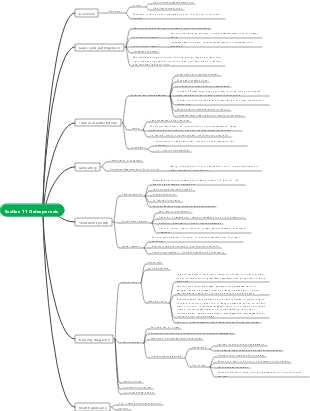
This is a mind map about Chapter 7 of Medicine, Endocrine System, Section 10 of Hyperuricemia Gout. It is introduced in detail and comprehensively described. I hope it can be helpful to those who are interested in learning.
Edited at 2023-11-26 00:16:22This is a mind map about bacteria, and its main contents include: overview, morphology, types, structure, reproduction, distribution, application, and expansion. The summary is comprehensive and meticulous, suitable as review materials.

This is a mind map about plant asexual reproduction, and its main contents include: concept, spore reproduction, vegetative reproduction, tissue culture, and buds. The summary is comprehensive and meticulous, suitable as review materials.
This is a mind map about the reproductive development of animals, and its main contents include: insects, frogs, birds, sexual reproduction, and asexual reproduction. The summary is comprehensive and meticulous, suitable as review materials.
This is a mind map about bacteria, and its main contents include: overview, morphology, types, structure, reproduction, distribution, application, and expansion. The summary is comprehensive and meticulous, suitable as review materials.
This is a mind map about plant asexual reproduction, and its main contents include: concept, spore reproduction, vegetative reproduction, tissue culture, and buds. The summary is comprehensive and meticulous, suitable as review materials.
This is a mind map about the reproductive development of animals, and its main contents include: insects, frogs, birds, sexual reproduction, and asexual reproduction. The summary is comprehensive and meticulous, suitable as review materials.
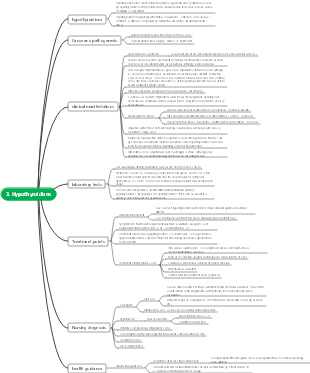
Section 10 Hyperuricemia and Gout
Overview
⭐Gout (noun): hyperuricemia, recurrent gouty arthritis, tophi, interstitial nephritis, joint deformity and dysfunction in severe cases, often accompanied by hyperuricemic urinary tract stones.
Cause and pathogenesis
The formation of hyperuricemia - uric acid is the end product of purine metabolism.
Reasons: ① Excessive uric acid production ② Reduced uric acid excretion by the kidneys
The occurrence of gout - acute arthritis is an acute inflammatory reaction caused by the deposition of urate crystals. Tophi is a foreign body stone formed by long-term urate crystal deposition. Gouty nephropathy - one of the characteristic pathological changes of gout.
clinical manifestations
More common in men over 40. Patriarchal roar
Asymptomatic period: only elevated blood uric acid (fluctuating or persistent)
acute gouty arthritis stage
Arthritis is the most common spontaneous symptom.
The most commonly affected part - the first metatarsophalangeal joint (big toe)
Symptoms include sudden onset of single, occasionally bilateral or multiple joint redness, swelling, heat, pain, dysfunction, and joint effusion, accompanied by fever and leukocytosis.
It often occurs suddenly at midnight or early in the morning. Severe pain in the joints may appear like tearing, cutting or biting pain. Redness, swelling, heat, pain, and dysfunction of the affected joints occur within a few hours.
Common triggers: alcohol consumption, fatigue, joint injuries, surgery, infection, cold, intake of high-protein and high-purine foods, etc.
Tophi and chronic arthritis stage
Tophi - is a characteristic lesion of gout, caused by urate deposition. The typical site is the auricle.
Clinical manifestations include persistent joint swelling and pain, tenderness, deformity, and joint dysfunction.
White bean dregs-like crystals, sesame and egg yolk white ridges
nephropathy stage
Gouty nephropathy: early nocturia, late stage hypertension, edema, azotemia, high creatinine (renal insufficiency)
Uric acid nephrolithiasis: sediment-like uric acid urinary tract stones. Severe cases include renal colic and hematuria.
Laboratory and other tests
After 5 days of purine-restricted diet, the daily urinary uric acid excretion is greater than 600 mg (3.57 mmol) - indicating increased uric acid production.
Diagnostic points
In middle-aged and older men - with characteristic arthritis manifestations, urinary tract stones or renal colic attacks, accompanied by hyperuricemia - consider gout. Synovial fluid aspiration or tophi biopsy confirms urate crystals - Diagnosis
Men or postmenopausal women - uric acid >420 micromoles per liter
Premenopausal women - uric acid >350 micromoles per liter
In the acute arthritis stage, experimental treatment with colchicine has diagnostic significance.
Treatment points
General treatment - limit high purine intake, abstain from alcohol, drink 2L of water, exercise appropriately to maintain ideal weight
Treatment of hyperuricemia
Uric acid drugs: inhibit the reabsorption of urate by the proximal renal tubules - suitable for patients with good renal function - benzbromarone, probenecid
Drugs that inhibit uric acid production: reduce uric acid production - allopurinol
Alkaline drugs: alkalize urine – sodium bicarbonate
Treatment of acute gouty arthritis
Non-steroidal anti-inflammatory drugs - first-line drugs for acute gouty arthritis
Colchicine—traditional, bone marrow transplant, renal failure.
Glucocorticoids – rebound
Management of interictal and chronic phases
Treatment goal: Keep blood uric acid <360 μmol/L to reduce or eliminate monosodium urate crystals deposited in the body
Indications for the use of urate-lowering drugs: acute gout recurrence, multi-joint involvement, occurrence of tophi, chronic tophi arthritis, imaging changes in affected joints, and concurrent uric acid nephrolithiasis.
After the acute attack is relieved for 2 weeks, start with a small dose, gradually increase the dose, adjust to the minimum effective dose according to the target level, and maintain it for a long time.
Treatment of secondary gout
Nursing diagnosis
Pain: joint pain
Bed rest: prop up the quilt on the bed and raise the affected limb to avoid pressure on the affected part and weight bearing on the affected joint.
You can only get out of bed 72 hours after joint swelling and pain are relieved.
Local care: If the elbow or wrist is affected, use a splint to immobilize it. Apply ice or 25% magnesium sulfate wet compress to the affected joints. Take good skin care
Diet care: avoid high purine levels, abstain from alcohol, and eat alkaline foods (milk, eggs, potatoes, citrus)
Observation of the disease: ① Pain: whether there is waking up due to severe pain in the middle of the night ② Affected joints: redness, swelling, heat, pain and dysfunction ③ whether there are predisposing factors ④ signs of tophi ⑤ changes in body temperature ⑥ changes in uric acid
psychological care
Medication care
Oral administration of colchicine may cause gastrointestinal reactions. If nausea and vomiting occur as soon as oral administration is started, the medication should be stopped immediately.
Probenecid, benzbromarone, sulfinpyrazone, rash, fever, gastrointestinal reaction, drink plenty of water and take sodium bicarbonate orally during medication
Allopurinol: Fever gastrointestinal tract, liver damage, bone marrow suppression. Use half the amount in patients with renal insufficiency
Glucocorticoids: rebound
health guidance
Disease knowledge: lifelong
Guidance on protecting joints
Try to use large muscle groups, be able to use your shoulders without using your hands, and be able to use your arms without using your fingers
Avoid heavy physical labor that lasts for long periods of time
Make frequent changes to yourself to keep affected joints comfortable
Warmth and swelling of the joint, avoid moving it
If the pain lasts for more than 1-2 hours after exercise, temporarily stop the activity.
Guidance for disease monitoring: touch the helix and joints of the hands and feet with your hands, check for tophi, and review blood uric acid regularly.