MindMap Gallery Endocrine System
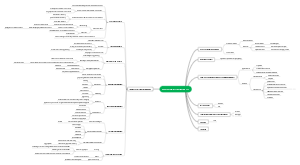
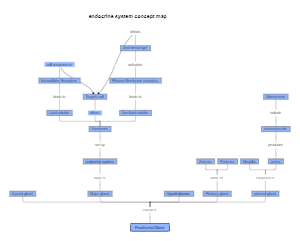
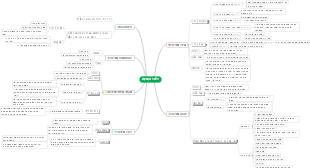
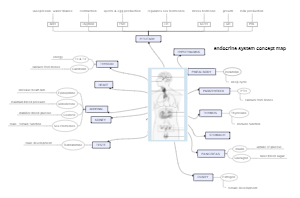
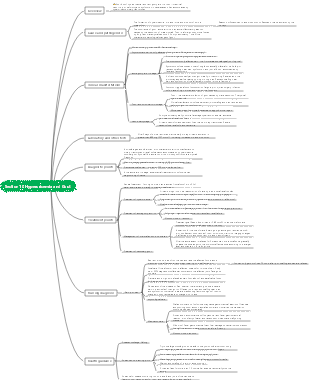
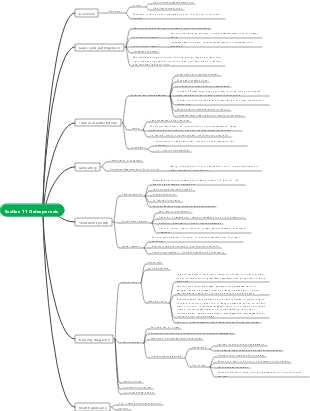
The mind map of the endocrine system introduces the classification and functions of hormones, hypothalamus and adenohypophysis, hormones that regulate calcium and phosphorus, hypothalamus and neuropituitary gland, insulin and glucagon.
Edited at 2023-10-10 21:24:50This is a mind map about bacteria, and its main contents include: overview, morphology, types, structure, reproduction, distribution, application, and expansion. The summary is comprehensive and meticulous, suitable as review materials.

This is a mind map about plant asexual reproduction, and its main contents include: concept, spore reproduction, vegetative reproduction, tissue culture, and buds. The summary is comprehensive and meticulous, suitable as review materials.
This is a mind map about the reproductive development of animals, and its main contents include: insects, frogs, birds, sexual reproduction, and asexual reproduction. The summary is comprehensive and meticulous, suitable as review materials.
This is a mind map about bacteria, and its main contents include: overview, morphology, types, structure, reproduction, distribution, application, and expansion. The summary is comprehensive and meticulous, suitable as review materials.
This is a mind map about plant asexual reproduction, and its main contents include: concept, spore reproduction, vegetative reproduction, tissue culture, and buds. The summary is comprehensive and meticulous, suitable as review materials.
This is a mind map about the reproductive development of animals, and its main contents include: insects, frogs, birds, sexual reproduction, and asexual reproduction. The summary is comprehensive and meticulous, suitable as review materials.
Endocrine System
Classification and functions of hormones
amine hormones
Catecholamines
Adrenaline
Norepinephrine
dopamine
adrenomedullary hormone
Biological effects
Raise blood sugar
Enhance the breakdown of sugar
Enhance fat breakdown
Promote gluconeogenesis
Inhibit insulin secretion
Participate in emergency response
Sympathetic-adrenal medullary system
Mobilize the body's potential capabilities and improve the body's adaptability to environmental changes
secretion regulation
When sympathetic nerves are excited, acetylcholine is released from preganglionic fiber terminals. Acts on the n1 receptor of chromaffin cells to promote the secretion of adrenal medullary hormones
ACTH can directly or indirectly (through GC secretion) increase the activity of catecholamine-related synthases
When adrenal medullary hormones increase, negative feedback inhibits their synthetase activity
Melatonin
thyroid hormone
Peptide and protein hormones
lipid hormones
eicosanoid hormone
Prostaglandin PG
thromboxane TX
Leukotriene LT
steroid hormones
Progesterone, estradiol, testosterone
aldosterone, cortisol
Cholecalciferol (1,25-dihydroxyvitamin D3)
effect
synergy
Antagonism
Allowed
competition effect
hypothalamus and adenohypophysis
Functional connection between hypothalamus and adenohypophysis
Four stimulating hormones and three axes
thyroid stimulating hormone TSH
adrenocorticotropic hormone ACTH
follicle stimulating hormone FSH, luteinizing hormone LH
prolactinPRL
lactogen, prolactin, prolactin
Promote mammary gland development, initiate and maintain mammary gland lactation
Sucking the nipple can cause ejaculation
growth hormone
effect
promote growth
Insufficient GH secretion in young children, dwarfism
Hypersecretion of gh in childhood, gigantism
Adult gh hypersecretion, acromegaly
Gh stimulates tissue to secrete insulin-like growth factor IGF-1, indirectly promoting growth
adjust
He egg, lipolysis and blood sugar raising
secretion regulation
hypothalamic secretion
sex hormones
GlucocorticoidGC
secretion site
Adrenocortical zona fasciculata and zona reticularis
Glucocorticoids (mainly cortisol and hydrocortisone)
globular zone
Mineralocorticoids/Aldosterone
mesh belt
sex hormones
Biological effects
Effects of substance metabolism
There is less blood sugar and lipoprotein, and the face becomes rounder due to centripetal obesity.
Participate in stress response
ACTH, GC, non-specific adaptive response
Impact on tissue and organ activity
Bone loss, muscle atrophy, thinning of the skin, loss of potassium and calcium, high blood pressure, more red plates, less acid and less leaching
secretion regulation
Both basal secretion and stress secretion are regulated by the adenohypophysis-adrenocortical axis
GC, ACTH, follow the rhythmic release of corticotropin-releasing hormone CRH, which is high in the morning and low at midnight.
Thyroid hormone TH
type Three strong and four more
Triiodothyronine T3
4-iodothyronine T4/thyroid hormone
Reverse triiodothyronine rT3 (very small amount)
subtopic
synthesis
raw material
Iodine and thyroglobulin TG
key enzyme
Thyroid peroxidase TPO (nail anti-TPO is inhibited with thiourea) Catalyzes activation, iodination, and condensation during thyroid hormone synthesis
Synthesis
polyiodine
Secondary active transport, mediated by sodium iodide symporter (NIS)
activation
iodination
condensation or coupling
Biological effects
Promote growth and development
Promote brain, bone and tooth development,
Lack of th in early childhood causes cretinism
Regulate metabolism
Enhance energy metabolism
Oxygen consumption increases and heat production increases
Promote mitochondrial enlargement, increase, oxidative phosphorylation
Promote uncoupling protein UCP
Promote sodium ion, potassium ion-ATPase activity
Regulate substance metabolism
Both synthesis and decomposition are promoted
sugar
In patients with hyperthyroidism, blood sugar rises rapidly after eating, and then drops again
Lipids
Hypothyroidism
Lipolysis <synthesis, increase in body fat mass
Cholesterol synthesis > removal, increased content, prone to atherosclerosis
Hyperthyroidism
Lipolysis>synthesis, body fat reduction
Cholesterol synthesis <removal, content reduction, less prone to atherosclerosis
protein
Physiological time
Positive nitrogen balance
Hyperthyroidism
Negative nitrogen balance, weak muscle contraction, decomposition of bone matrix proteins, osteoporosis
Hypothyroidism
Reduced protein synthesis and deposition of mucin between tissues, causing myxedema
vitamins
Deficient in hyperthyroidism
Affects organ system function
Effects on the nervous system
Excitement, increased speech, insomnia, irritability
effects on heart
Increased heart rate, increased myocardial contractility, increased cardiac output, increased myocardial oxygen consumption
Effects on the digestive system
Hyperthyroidism
Increased appetite, accelerated gastrointestinal motility, and reduced intestinal absorption
Hypothyroidism
Loss of appetite, weakened gastrointestinal motility, abdominal distension and constipation may occur
physiological
Promote movement of the digestive tract and secretion of digestive glands
Regulation of thyroid function
Regulation of the hypothalamic-adenopituitary-thyroid axis
Autoregulation of thyroid function
High-concentration iodine inhibits the activity of thyroid TPO and inhibits thyroid hormone synthesis---iodine tissue effect
Neuromodulation of thyroid function
Sympathetic nerves promote thyroid secretion
Parasympathetic nerves inhibit thyroid secretion
Immunomodulation of thyroid function
Thyroid stimulating hormone receptor antibody TRAb
Stimulating antibody TSAb-stimulating TSH receptor-thyrotoxicosis (primary hyperthyroidism)
Stimulation blocking antibody TSBAb - competes with TSH for TSH receptors - inhibits the effect of TSH - hypothyroidism
hormone that regulates calcium and phosphorus
Parathyroid hormone PTH
target organ
kidney, bone
Biological effects
Effect on kidneys
Promote blood calcium, lower blood phosphorus
Catalyze the production of 1,25-dihydroxyvitamin D3
Effect on bone
Large doses of bone breaking, osteoporosis
Low-dose osteogenesis, promoting bone formation
secretion regulation
Decreased blood calcium can promote PTH synthesis and secretion
Increased serum phosphorus, calcitonin indirectly stimulates the secretion of PT h
Catecholamines and histamine promote PT h secretion
Low concentration of blood magnesium indirectly inhibits PTH secretion
Calcitonin CT
secretion site
Thyroid C cells are also called parafollicular cells, and medullary cancer comes from these cells.
target organ
kidney, bone
Biological effects
Effect on kidneys
Reduce blood calcium and phosphorus
Effect on bone
Inhibit osteoclasts Promote osteoblasts.
Enhance renal excretion of calcium and phosphorus
secretion regulation
When blood calcium concentration increases, CT secretion increases
Gastrointestinal hormone (gastrin) stimulates CT secretion
1,25-Vitamin D3
target organ
Small intestine, bones, kidneys
secretion
Catalyzed by liver and kidney secretion
Biological effects
Effect on kidneys
Increase blood calcium and phosphorus
Effect on the small intestine
Acts directly or indirectly to promote bone breakdown and transfer bone into the blood
Vitamin D deficiency in children causes rickets
Vitamin D deficiency in adults causes osteomalacia and osteoporosis
parathyroid gland
Inhibit PTH expression
secretion regulation
blood calcium level
When blood calcium and blood phosphorus decrease, vitamin D3 production is promoted
PT h promotes vitamin d3 production
Vitamin D3 negative feedback reduces its own production.
hypothalamus and neurohypophysis
parts
supraoptic nucleus and paraventricular nucleus
hormone
Oxytocin OT
effect
Stimulates uterine contractions and labor
Promote breast milk discharge and ejaculation
secretion regulation
oxytocin reflex
milk ejection reflex
antidiuretic hormone
Insulin and glucagon
insulin
parts
pancreatic islet b cells
target tissue
liver, muscle, adipose tissue
Biological effects
sugar
Inhibits hepatic glycogenolysis and gluconeogenesis
Promote glycogen synthesis, oxidative utilization and conversion of sugar into non-sugar substances
Fat
Promote the synthesis and storage of fat and inhibit its decomposition and utilization
Too little insulin secretion can cause ketoacidosis.
protein
Promote protein synthesis and inhibit protein decomposition.
Insulin deficiency can lead to negative nitrogen balance and body weight loss.
secretion regulation
Blood sugar level is the most important factor in regulating insulin secretion
Increased amino acids, free fatty acids and ketone bodies can promote insulin secretion
hormone regulation
Glucagon directly and indirectly promotes insulin secretion
Gastric inhibitory peptide GIP promotes insulin secretion
Growth hormone, glucocorticoids, thyroid hormones, etc., It can indirectly stimulate the secretion of insulin by increasing blood sugar concentration.
Excites the vagus nerve and promotes insulin secretion
Somatostatin inhibits insulin secretion through paracrine
Sympathetic nerve excitement inhibits insulin secretion
glucagon
parts
pancreatic islet a cells
target organ
liver
Biological effects
Raise blood sugar levels
Reduce the synthesis of fat and protein and promote their decomposition
Promote insulin and somatostatin secretion
Somatostatin inhibits glucagon secretion
secretion regulation
Blood glucose levels are the most important factor in regulating glucagon secretion