MindMap Gallery Physiology Chapter 6 Digestion and Absorption
This is a mind map about digestion and absorption in Chapter 6 of Physiology. It is a very detailed and concise summary of relevant knowledge points. It is very worth learning and will allow you to get twice the result with half the effort. Everyone is welcome to learn together!
Edited at 2024-11-12 19:42:34これは、「Amazon Reverse Working Method」「Amazon Reverse Working Method」に関するマインドマップです。それは、Amazonの成功の秘密を明らかにし、実用的な作業方法と管理の原則を提供し、Amazon文化を理解し、仕事の効率と創造性を向上させたい読者にとって大きな参照価値です。
Azure BlobストレージにおけるMicrosoftの顕著な進歩とイノベーション、特にChatGptの作成者であるOpenaiの巨大なコンピューティングニーズを効果的にサポートする方法に焦点を当てています。 Azure Blobストレージ製品管理チームのJason Valerieは、JakeとDeverajaと協力して、Azure BlobストレージがOpenaiの大規模なモデルトレーニング、処理データ、ストレージをexebbitレベルまでに行う上で重要な役割を果たしました。議論には、AIワークロードのスケーリングスーパーコンピューターが直面している課題と、地域ネットワークゲートウェイを接続するデータセンターなどのアーキテクチャソリューション、および動的ストレージ容量の拡張を可能にする拡張アカウントの導入が含まれます。技術的な側面は、チェックポイントのメカニズム、大規模なデータ処理、革新的なブロブビューと階層的な名前空間、グローバルデータモビリティ機能をカバーし、Microsoftのグローバルネットワークインフラストラクチャを戦略的に利用して効率的なデータ送信を可能にします。この会話は、高度なAIの研究開発に強力でスケーラブルで効率的なストレージソリューションを提供するというマイクロソフトのコミットメントを完全に示しています。
これは、主にオブジェクト状態の変化、熱エンジン、内部エネルギー、熱比熱容量、温度スケールを含む、熱に関するマインドマップです。紹介は詳細であり、説明は包括的です。
これは、「Amazon Reverse Working Method」「Amazon Reverse Working Method」に関するマインドマップです。それは、Amazonの成功の秘密を明らかにし、実用的な作業方法と管理の原則を提供し、Amazon文化を理解し、仕事の効率と創造性を向上させたい読者にとって大きな参照価値です。
Azure BlobストレージにおけるMicrosoftの顕著な進歩とイノベーション、特にChatGptの作成者であるOpenaiの巨大なコンピューティングニーズを効果的にサポートする方法に焦点を当てています。 Azure Blobストレージ製品管理チームのJason Valerieは、JakeとDeverajaと協力して、Azure BlobストレージがOpenaiの大規模なモデルトレーニング、処理データ、ストレージをexebbitレベルまでに行う上で重要な役割を果たしました。議論には、AIワークロードのスケーリングスーパーコンピューターが直面している課題と、地域ネットワークゲートウェイを接続するデータセンターなどのアーキテクチャソリューション、および動的ストレージ容量の拡張を可能にする拡張アカウントの導入が含まれます。技術的な側面は、チェックポイントのメカニズム、大規模なデータ処理、革新的なブロブビューと階層的な名前空間、グローバルデータモビリティ機能をカバーし、Microsoftのグローバルネットワークインフラストラクチャを戦略的に利用して効率的なデータ送信を可能にします。この会話は、高度なAIの研究開発に強力でスケーラブルで効率的なストレージソリューションを提供するというマイクロソフトのコミットメントを完全に示しています。
これは、主にオブジェクト状態の変化、熱エンジン、内部エネルギー、熱比熱容量、温度スケールを含む、熱に関するマインドマップです。紹介は詳細であり、説明は包括的です。
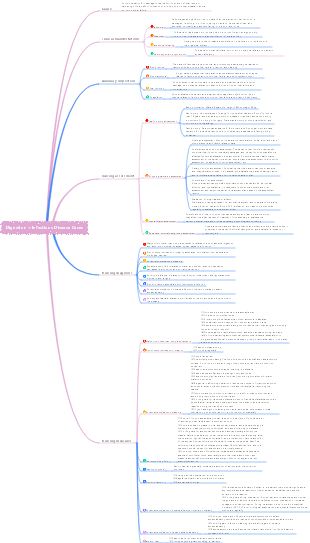
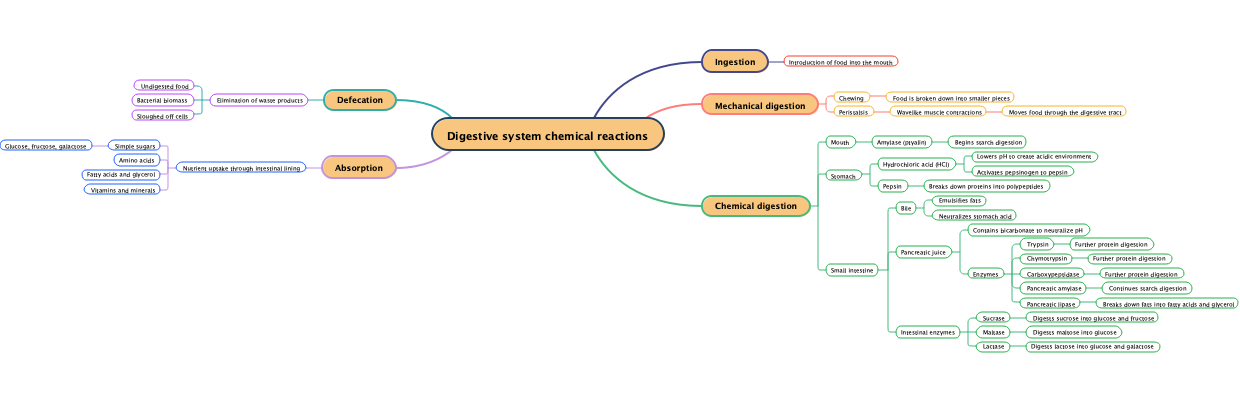
Physiology Chapter 6 Digestion and Absorption
Digestion
Overview
Digestive Tract Characteristics
General characteristics
Low excitability, slow contractions
Slow self-discipline
weak tension
Stretchability
sensitivity
Electrophysiological properties
Resting potential: small, fluctuating
Slow wave potential: basic electrical rhythm, starting potential, control wave of contraction rhythm, originating from the "longitudinal ring", cajal ICC (Ca inflow)
Action potential: low amplitude, varying sizes (Ca inflow), contractility is related to the number of APs
secretion of digestive glands
digestive juices
Composition: organic matter (digestive enzymes, mucus, antibodies), ions, water.
#Function
dilute food
suitable ph
digest food
Protect digestive tract mucosa
innervation of digestive tract
external nerves
parasympathetic nerve
Vagus nerve, pelvic nerve👉🏻Intramural neurons👉🏻Postganglionic fibers👉🏻ach👉🏻M👉🏻Promotes digestive function [⊕motor and glands;⊖sphincter (facilitates the entry of bile and pancreatic juice into the digestive tract)]
Sympathetic nerve
T5-L2👉🏻Abdominal N section, mesenteric N section👉🏻NE👉🏻β2👉🏻⊖
inner nerves from
Submucosal nerves originate from: gland cells/epithelial cells
Myenteric plexus: smooth muscle
digestive system endocrine
APUD cells/gastrointestinal hormones
Memorize the textbooks on the secretions and functions of each by yourself
#Function
Regulate digestive glands and digestive tract movements
Regulates the release of other hormones
nutritional effect
Brain-Gut Peptides: Dual Distribution
Digestion in the mouth
saliva
Properties: colorless, odorless, neutral and low osmosis
Ingredients: water, organic matter (mucin, immunoglobulins, amino acids, urea, uric acid, salivary amylase, lysozyme)
#Function
Moisturizing and dissolving food
Starch → maltose
Remove residues, dilute toxic substances, sterilize (lysozyme, immunoglobulins)
Excretion of heavy metals, cyanide, rabies virus.
secretion regulation
conditioned reflex
Unconditioned reflex: 5, 7, 9, 10➡️Superior salivary nucleus/inferior salivary nucleus of medulla oblongata➡️7, 9➡️Sympathetic/parasympathetic
Oral stage, esophagus and small intestine stage
Parasympathetic nerve (main): abundant and thin
Sympathetic nerve: small amount and thick
chew
swallow
Lower esophageal sphincter (LES) contraction/relaxation
Food irritation to the esophagus ➡️Vagal suppression: #VIP, NO
Food enters the stomach ➡️Vagal excitement: ach
Humoral factors: gastrin, motilin, secretin, cholecystokinin, prostaglandin A2
Digestion in the stomach
gastric secretion
secretion site
exocrine glands
cardia gland
oxyntic gland
parietal cell
chief cell
cervical mucus cells
Pyloric gland
endocrine cells
G cells: gastrin
delta cells: somatostatin
Enterochromaffin-like cells (ECL): histamine
Gastric juice components
hydrochloric acid
Secretion mechanism: proton pump (hk pump) (also renal collecting duct intercalary cells), k channel, cl channel, cl_hco3 exchanger, na-k pump
Hydrochloric acid #function
Pepsinogen (activates, provides ph)
Denatured protein
Sterilize
Promote, secretin/cholecystokinin, pancreatic juice/bile
iron, calcium absorption
pepsinogen
Pepsin hydrolysis pro → 䏡, peptone, peptides, amino acids (incomplete digestion)
intrinsic factor
protect b12
Promote b12 absorption
adjust
⊕vagus n, gastrin, histamine
⊖Atrophic gastritis, resection, achlorhydria
Mucus and bicarbonate
Creates a mucus-bicarbonate barrier with mucus to protect the gastric mucosa
protective effect #function
Mucus-bicarbonate barrier
gastric mucosal barrier
prostaglandins
epidermal growth factor
Damage: alcohol, indomethacin, non-steroidal (aspirin), Helicobacter pylori,
secretion process
Head phase (mainly nerve)
Conditioned reflex/unconditioned reflex👉🏻Vagus Nerve👉🏻
1⃣️G cells👉🏻Gastrin👉🏻Gastric juice secretion
2⃣️Gastric glands👉🏻Gastric juice secretion
gastric stage
Expansion stimulation👉🏻
①#vagus-vagal reflex👉🏻Gastric juice secretion
②Intrinsic N plexus👉🏻G cells👉🏻Gastrin👉🏻Gastric juice secretion
③Pyloric receptor👉🏻Intrinsic N-plexus👉🏻G cells👉🏻Gastrin👉🏻Gastric juice secretion
④Digestion products of food chemical components protein👉🏻Gastric juice secretion
Intestinal phase (mainly fluids)
Small intestinal mechanical stimulation/chemical stimulation👉🏻
①Gastrin👉🏻Gastric acid secretion
②Ontocin👉🏻Gastric acid secretion
regulating factors
Promote
vagus nerve
① Vagus ➡️ach (M) ➡️Parietal cells ➡️Gastric acid
② Vagus ➡️ach (M) ➡️Enterochromaffin-like cells ECL ➡️Histamine ➡️Gastric acid
③ Vagus ➡️ Bombesin GRP ➡️ Pyloric G cells ➡️ Gastrin ➡️ Gastric acid
④Vagus➡️ach➡️Inhibits delta cells➡️Somatostatin↓➡️Gastric acid↑
Histamine (corresponds to 👆vagus nerve)
ECL paracrine histamine → parietal cells (H2 receptors) promote gastric acid/#🚫 Cimetidine
Gastrin (corresponds to the vagus nerve)
G cells, which can be inhibited by somatostatin,
Others: calcium, hypoglycemia, caffeine, ethanol
inhibition
hydrochloric acid
pass
⊝Gastrin
⊕Somatostatin, secretin, cholecystokinin, gastrophin, motilin
Fat
Stimulates the production of gastrointestinal hormones in the small intestine: secretin, cholecystokinin, gastric inhibitory peptide, neurotensin, glucagon
hypertonic solution
Gastrointestinal reflex-inhibition of gastric juice secretion
cholecystokinin
Stimulates gastric acid secretion and competes with gastrin to inhibit gastrin. Mainly to inhibit
somatostatin
inhibitory effect
It may be a common mediator of secretin and gastric inhibitory peptide in inhibiting gastric acid secretion.
Prostaglandins, epidermal growth factor EGF (in the front gastric protective mechanism)
gastric inhibitory peptide
other
Bombesin
Vasoactive Intestinal Peptide #VIP
Can both promote and inhibit
stomach movements
Movement form
tonic contraction
receptive relaxation
Upper gastrointestinal tract receptors ➡️ #vagus-vagus reflex (inhibitory nerve fibers) ➡️ #VIP /NO ➡️Gastric relaxation
Peristalsis: middle stomach ➡️pylorus (affected by slow waves)
gastric emptying
Speed: fast for liquids, fast for small particles, and fast for isotonicity. Sugar>Protein>Fat
control
Intragastric factors promote: dilation➡️#vagus-vagus reflex/intrinsic plexus
Duodenal factors delay gastric emptying:
gastrointestinal reflex
secretin/gastric inhibitory peptide
Digestion in the small intestine (most important in digestion)
Pancreatic juice (hydrolysis, sugar, fat, protein; most important digestive juice)
Properties: colorless, odorless, alkaline
Element
Inorganic: hco3, cl
organic
Pancreatic amylase: maltose (incomplete)
Pancreatic lipase: Triglycerides: fatty acids, monoacylglycerol, glycerol (incomplete)
The presence of colipase is required to prevent bile salts from removing lipase from the surface of lipid droplets.
Trypsin and chymotrypsin
zymogen activation
Enterokinase activates trypsinogen → trypsin
Trypsin activates trypsinogen → trypsin (positive feedback)
Trypsin activates chymotrypsinogen → chymotrypsin (has milk coagulation effect)
Function: They act separately to decompose proteins into peptone and peptone; they act together to decompose them into polypeptides and amino acids.
carboxypeptidase, ribonuclease, deoxyribonuclease
Secretion regulation: no secretion during non-digestive period
Natural factors: food
Neurological factors:
Process: Conditional/Unconditional➡️Vagus➡️
➡️ach➡️pancreas➡️pancreatic juice
➡️GRP➡️G➡️Gastrotrin➡️Pancreatic juice
Features: water, less bicarbonate, more enzymes
Humoral factors: (major)
secretin
Promoting factors: hydrochloric acid (most important)>protein breakdown products>sodium fatty acid
Secretion characteristics: Make pancreatic small duct epithelial cells secrete water Hco3, resulting in more pancreatic juice and less enzymes.
#VIP
More water, less enzymes
Cholecystokinin (trypsin): more enzyme and less water
Gastrin: more enzymes and less water
bile
Properties: Colored, bitter taste, thick
Liver bile: golden, translucent, weakly alkaline
Gallbladder bile: dark brown, weakly acidic
effect
Promote fat digestion: Bile salts, lecithin, and cholesterol act as emulsifiers to increase the area of action of pancreatic lipase
Promote the absorption of fat and fat-soluble vitamins (adek): bile salts form water-soluble mixed micelles
Neutralizes gastric acid, choleretic: Ileal mucosa (active transport) ➡️Portal vein ➡️Bile (enterohepatic circulation)/Bile salts can stimulate hepatic bile secretion
adjust
Nerve: Vagus
Body fluids: ⊕ Gastrin, secretin (hydrochloric acid promotes secretin), cholecystokinin, bile salts
Small intestinal fluid: weakly alkaline isotonic
Nerves: local reflexes in the intrinsic nerve plexus
Body fluids: gastrin, secretin, cholecystokinin, #VIP
Small bowel movements
Movement form
tonic contraction
segmented movement
circular muscle
Meaning: mixing, contact, reflux, advancement
squirm
Creeping punch
Anti-peristalsis
sports conditioning
ileocecal sphincter
effect
Prevent entering the large intestine too quickly
Prevent reverse flow
adjust
Food enters the stomach➡️gastroileal reflex➡️intestinal motility is strengthened➡️reaches the ileocecal sphincter to relax
Mechanical stimulation of cecal contents ➡️Intrinsic nerve plexus ➡️Contraction of ileocecal sphincter
function of large intestine
Secretion: Columns, Cups, Mucins
sports
Bag-like round trip (quiet on an empty stomach, water absorption)
Advance in sections, advance in multiple bags (eating ➡️parasympathetic)
squirm
Defecation: receptors in the rectal wall → lumbosacral (primary) → cerebral cortex (advanced)
Bacterial activity: fermentation of sugars and fats, putrefaction of proteins. Synthetic Vbk
absorb
Absorption site and route
The small intestine is the main site
Duodenum, jejunum: most carbohydrate, protein, and fat digestion products.
Ileum: bile salts, vitamin b12
way:
transcellular pathways
paracellular pathway
Large intestine: water, salt, Vbk
small intestinal absorption
Water: Osmotic pressure gradient generated by active absorption of nacl (passive)
Inorganic salt
sodium:
Active process, the concentration gradient generated by the Na pump, the Na in the cells goes out, and then the Na from the outside enters the intestinal lumen.
Causes symporting transport of glucose and amino acids.
iron:
related to demand
Vc promotes absorption (divalent iron is better absorbed)
Hydrochloric acid promotes absorption (subtotal gastrectomy can cause anemia)
calcium:
Vitamin D: 1,25-hydroxyvitamin D3
Calcium requirements (children/lactating women)
ph, 3 is the best, phosphate inhibits, fatty acid promotes
Ca salts can be absorbed in aqueous solution, such as cacl2, calcium gluconate
way:
Transcellular pathway: duodenum
Paracellular pathway: various segments of the small intestine, mainly the jejunum and ileum.
Sugar (monosaccharide)
Hexose (galactose, glucose > fructose > mannose) > pentose
cotransport
protein
amino acids
The small intestine is completely absorbed
Heat-denatured: duodenum, proximal jejunum
Unheated denatured ➕endogenous protein: ileum
cotransport
Neutral amino acids are the fastest
Oligopeptide
small intestinal mucosal epithelium
Small protein molecules: no benefit
Fat
Long-chain fatty acids/monoacylglycerol ➡️Triglycerides; triglycerides ➕Apolipoprotein ➕Phospholipids, cholesterol ➡️Chylomicrons ➡️Lymphatic circulation
Triglycerides composed of short and medium chain fatty acids➡️are transformed into: fatty acids/monoacylglycerols➡️blood through intracellular lipase
vitamins
Most of it is in the upper small intestine, B12 is in the ileum
Large intestine absorption
Vitamin BK
Short-chain fatty acids produced by bacteria breaking down food residues,
Rectally administered medication
Avoid liver first pass effect
Avoid damage by strong acids, bases and digestive enzymes
Summarize
Regulation system summary
gastric juice
Cephalic phase: Neurohumoral, mainly nerves
Gastric Stage: Neurohumoral
Enteric phase: Neurohumoral, mainly humoral
Pancreatic Juice: Neurohumoral, mainly humoral
Summary of zymogen activation
Activation of pepsinogen
hcl activates pepsinogen
Pepsin activates pepsinogen (positive feedback)
activation of trypsinogen
Enterokinase activates trypsinogen → trypsin
Trypsin activates trypsinogen → trypsin (positive feedback)
Trypsin activates chymotrypsinogen → chymotrypsin (has milk coagulation effect)
VIP participation summary
Food stimulates the esophagus ➡️Excitation of vagal inhibitory neurotransmitters ➡️VIP/NO➡️LES relaxation
Upper gastrointestinal receptors ➡️ Vagal reflex (vagal inhibitory) ➡️ VIP/NO ➡️ Receptive relaxation
VIP can promote or inhibit gastric juice secretion
VIP acts as a humoral factor to promote pancreatic juice secretion (more water, less enzymes)
VIP promotes small intestinal fluid secretion
Summary of vagal-vagal reflex (involved in gastric receptive relaxation: vagal-vagal. Involved in gastric emptying: vagal-vagal ➕ gastrointestinal reflex)
Upper gastrointestinal receptors ➡️ Vagal reflex (vagal inhibitory) ➡️ VIP/NO ➡️ Receptive relaxation
Expansion of gastric juice secretion (gastric phase) stimulates ➡️vagal reflex ➡️gastric glands ➡️increased gastric acid secretion
Gastric emptying (intragastric factors promote gastric emptying) dilation stimulates ➡️vagal reflex/intrinsic plexus➡️promotes gastric emptying
Summary of gastrointestinal reflexes
Gastric emptying (duodenal factors delay gastric emptying) mechanical stimulation ➡️gastrointestinal reflex ➡️delays gastric emptying
Hypertonic solutions inhibit gastric acid secretion via gastrointestinal reflexes
Summary of properties
saliva
Colorless and odorless neutral pH = 6.6-7.1 (salivary amylase is optimal for neutral)
Hypotonic
0.5ml/min
gastric juice
Colorless acidic pH=0.9-1.5
1.5-2.5L daily
pancreatic juice
Colorless and odorless alkaline, ph=7.8-8.4
1-2L daily
Small intestinal fluid: weakly alkaline isotonic
bile
Colored, bitter, thick, 0.8-1L per day
Liver bile: golden, translucent, weakly alkaline 7.4
Gallbladder bile: dark brown, weak acid 6.8
Function summary
functions of digestive juices
dilute food
suitable ph
Digestion
protection function
The function of gastrointestinal hormones
Regulates the movement of digestive glands and digestive tract
Regulate the secretion of other hormones
nutritional effect
functions of saliva
Moisten mouth
Digestion
Remove residues, neutralize toxic substances, lysozyme immune globulin sterilizes and kills viruses
Excretion of heavy metals, cyanide, rabies virus
Hydrochloric acid #function
Pepsinogen (activates, provides ph)
Denatured protein
Sterilize
Promote, secretin/cholecystokinin, pancreatic juice/bile/intestinal juice
iron, calcium absorption