MindMap Gallery physiological digestion and absorption
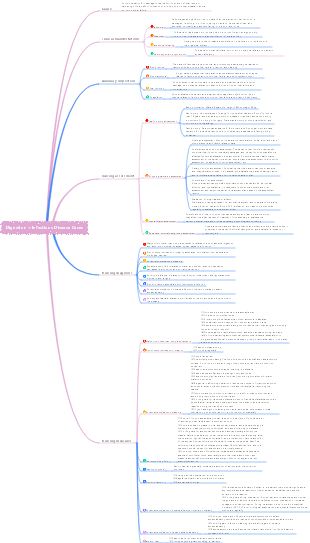
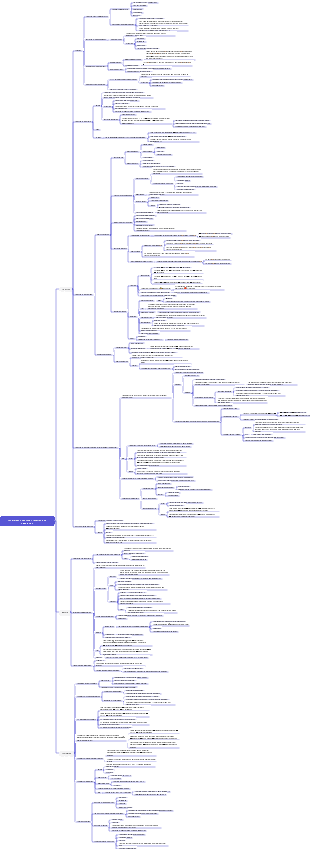
This is a mind map about physiological digestion and absorption, including an overview of digestive physiology, digestion and swallowing in the mouth, digestion in the stomach, digestion in the small intestine, etc.
Edited at 2023-11-15 22:27:33This is a mind map about bacteria, and its main contents include: overview, morphology, types, structure, reproduction, distribution, application, and expansion. The summary is comprehensive and meticulous, suitable as review materials.

This is a mind map about plant asexual reproduction, and its main contents include: concept, spore reproduction, vegetative reproduction, tissue culture, and buds. The summary is comprehensive and meticulous, suitable as review materials.
This is a mind map about the reproductive development of animals, and its main contents include: insects, frogs, birds, sexual reproduction, and asexual reproduction. The summary is comprehensive and meticulous, suitable as review materials.
This is a mind map about bacteria, and its main contents include: overview, morphology, types, structure, reproduction, distribution, application, and expansion. The summary is comprehensive and meticulous, suitable as review materials.
This is a mind map about plant asexual reproduction, and its main contents include: concept, spore reproduction, vegetative reproduction, tissue culture, and buds. The summary is comprehensive and meticulous, suitable as review materials.
This is a mind map about the reproductive development of animals, and its main contents include: insects, frogs, birds, sexual reproduction, and asexual reproduction. The summary is comprehensive and meticulous, suitable as review materials.
digestion and absorption
Overview of digestive physiology
Properties of digestive tract smooth muscle
General physiological properties of digestive tract smooth muscle
Low excitability, slow contractions
Have self-discipline
tense
Highly stretchable
Different sensitivity to different stimuli
Electrophysiological properties of digestive tract smooth muscle
resting potential
Small and unstable, the actual measured value is -50~-60mV
K equilibrium potential
slow wave potential
The smooth muscle cells of the digestive tract spontaneously produce periodic mild depolarization and repolarization based on the resting potential. Because of their slow frequency, they are called slow waves.
Because the slow wave frequency plays a decisive role in the contraction rhythm of smooth muscle, it is also called the basic electrical rhythm.
Slow waves originate from the interstitial cells of Cajal between the longitudinal and circular muscles of the digestive tract, so ICC is considered the pacemaker cell of gastrointestinal motility.
When the slow wave depolarization reaches or exceeds the electrical threshold, action potentials can be triggered, and the contraction of smooth muscle cells is enhanced. The more action potentials appear on the slow wave, the stronger the contraction of smooth muscle cells.
Action potential
Depolarization - Ca2
Repolarization - K
There is a good correlation between action potentials and contraction, and the number of action potentials appearing on each slow wave can be used as an indicator of the size of the contraction force.
Action potentials occur on the basis of slow wave depolarization.
Secretory function of digestive glands
The total amount of digestive juice secreted by various digestive glands can reach 6-8L per day.
Digestive juice is mainly composed of organic matter (mainly containing a variety of digestive enzymes, mucus, antibodies, etc.), ions and water.
The main functions of digestive juice are: (1) dilute food and make it isotonic; (2) provide a suitable pH environment; (3) hydrolyze macromolecule nutrients in food so that they can be easily absorbed; (4) protect digestion tract mucous membrane.
Innervation and functions of the digestive tract
external nerves
parasympathetic nerve
Mainly from the vagus nerve and pelvic nerve
Release acetylcholine (ACh)
Promote the movement of the digestive tract and the secretion of digestive glands, but inhibit the sphincter of the digestive tract.
Sympathetic nerve
Postganglionic fiber is distributed to various parts of the stomach, small intestine, and large intestine
Release norepinephrine
Under normal circumstances, sympathetic nerve excitement can inhibit gastrointestinal motility and secretion
intrinsic plexus
The wall of most of the digestive tract from the middle of the esophagus to the anus contains two layers of intrinsic nervous structures, called the enteric nervous system. They are complex neural networks composed of a large number of neurons and nerve fibers, and are divided into submucosal plexuses and myenteric plexuses according to their location. The former is located in the submucosa and mainly regulates the functions of glandular cells and epithelial cells; the latter is distributed between circular muscles and longitudinal muscles and mainly controls the movement of smooth muscles.
Endocrine functions of the digestive system
APUD cells and gastrointestinal hormones
There are more than 40 types of endocrine cells in the mucosal layer of the digestive tract from the stomach to the large intestine. These cells all have the ability to take in amine precursors and decarboxylate them to produce peptides or reactive amines.
Since the various hormones synthesized and released by these endocrine cells mainly play a role in the digestive tract, these hormones are collectively called gastrointestinal hormones.
Physiological effects of gastrointestinal hormones: regulate digestive gland secretion and digestive tract movement; regulate the release of other hormones; nutritional effects.
brain-gut peptide
Peptide substances that are dually distributed in the digestive tract and central nervous system are collectively called brain-gut peptides.
The introduction of the concept of brain-gut peptide revealed the close internal connection between the nervous system and the digestive tract.
Intraoral digestion and swallowing
secretion of saliva
Properties and composition of saliva
Colorless, odorless, neutral, low osmosis
Water accounts for 99%. The organic matter is mainly mucin, as well as immunoglobulins, amino acids, urea, uric acid, salivary amylase and lysozyme. Inorganic matter includes Na, K, Ca2, Cl- and SCN- (thiocyanate). )wait.
The role of saliva
moisten and dissolve food
Salivary amylase hydrolyzes starch into maltose
Remove food residue from the mouth
Certain heavy metals (such as lead, mercury), cyanide and rabies virus that enter the body can be excreted through saliva secretion
Regulation of salivary secretion
chew
Chewing is a complex rhythmic action composed of masticatory muscles contracting in a certain sequence.
Reflexively triggers increased activity in the stomach, pancreas, liver and gallbladder to prepare for the next step of digestion and absorption.
swallow
Swallowing refers to the process in which the food bolus is pushed by the back of the tongue through the pharynx and esophagus into the stomach. It is divided into oral phase, pharyngeal phase, and esophageal phase.
Oral stage: refers to the period when the food bolus enters the pharynx from the mouth
Pharyngeal stage: refers to the period when the food bolus passes from the pharynx into the upper end of the esophagus
Esophageal phase: refers to the period when the food bolus passes from the upper end of the esophagus through the cardia and enters the stomach.
Digestion in the stomach
secretion of gastric juice
Properties, components and functions of gastric juice
Pure gastric juice is a colorless acidic liquid with a pH of 0.9-1.5
hydrochloric acid
Also called gastric acid, secreted by parietal cells
After 6 hours of fasting, without any food stimulation, a small amount of gastric acid is secreted, which is called basal gastric acid secretion, with an average of 0-5mmol/h.
Gastric acid secretion is greatly increased under the stimulation of food or drugs. The maximum gastric acid secretion of a normal person can reach 20-25mmol/h.
The mechanism of hydrochloric acid secretion
The secretion of H is achieved by proton pumps in the membrane of the apical secretory tubules of parietal cells.
During the digestive period, due to the large amount of gastric acid secretion, a large amount of HCO3- enters the blood, temporarily alkalinizing the blood, forming the so-called postprandial alkaline tide.
The role of hydrochloric acid
Activate pepsinogen and provide a suitable acidic environment for pepsin
Denature the protein in food and facilitate protein hydrolysis
Kill bacteria that enter the stomach with food
After hydrochloric acid enters the small intestine with chyme, it causes the secretion of pancreatic juice, bile and small intestinal juice
The acidic environment created by hydrochloric acid facilitates the absorption of iron and calcium in the small intestine.
If too much hydrochloric acid is secreted, it will damage the gastric and duodenal mucosa and induce or aggravate ulcers; if too little gastric acid is secreted, it can cause indigestion symptoms such as bloating and diarrhea.
pepsinogen
Mainly synthesized and secreted by the chief cells of the gastric oxyntic gland
Stored in cells as an inactive zymogen
After pepsinogen enters the gastric cavity, under the action of HCl, a small molecule peptide is removed from the zymogen molecule and converted into active pepsin, which can hydrolyze proteins in food. Its optimal pH is 1.8-3.5. When the pH exceeds 5.0, pepsin is completely inactive.
intrinsic factor
Parietal cell secretion, glycoprotein
There are two active sites, one forming the intrinsic factor-vitamin B12 complex, and the other binding to the corresponding receptor on the ileal mucosal cell membrane.
If intrinsic factor is lacking, vitamin B12 malabsorption may affect red blood cell production, causing megaloblastic anemia.
Mucus and bicarbonate
It is jointly secreted by the epithelial cells on the gastric mucus surface and the mucus cells of the oxyntic glands, cardia glands and pyloric glands. The main component is glycoprotein.
It has high viscosity and gel-forming properties, forming a protective layer, lubrication, and reducing mechanical damage.
The HCO3 entering the stomach does not directly enter the gastric juice, but combines with the mucus on the gastric mucosa surface to form a barrier against gastric mucosal damage, called the mucus-bicarbonate barrier
There are tight junctions between the apical membrane of gastric mucosal epithelial cells and the lateral membrane of adjacent cells. This structure can prevent H in the gastric cavity from diffusing into the mucosal epithelial cells, which is called the gastric mucosal barrier.
Cytoprotective effects of gastric and duodenal mucosa
direct cytoprotective effect
adaptive cytoprotection
gastric juice secretion during digestion
Cephalic gastric secretion
When eating, the color, shape, smell, sound of food, as well as chewing and swallowing movements, can stimulate the receptors in the eyes, ears, nose, mouth, pharynx, etc., and reflexively trigger the secretion of gastric juice through incoming impulses, which is called cephalic gastric juice. secretion
Long duration (lasting 2-4 hours), high secretion volume (about 30%), high acidity and pepsinogen content
gastric secretion
Injecting chyme, meat extracts, peptone liquid, etc. directly into the stomach through the fistula can directly stimulate the mechanoreceptors and chemoreceptors on the gastric wall and promote the secretion of large amounts of gastric juice.
Accounting for about 60%, the acidity and pepsin content are also high
Intestinal phase gastric secretion
Injecting chyme, meat extracts, peptone liquid, etc. directly into the duodenum through the fistula can also cause a slight increase in gastric juice secretion, indicating that after food leaves the stomach, it continues to stimulate gastric juice secretion.
Achieved through humoral regulatory mechanisms, neuromodulation may not be important
The amount of gastric juice is small (about 10%), the acidity is not high, and the digestive power (referring to the enzyme content) is not very strong.
Neural and humoral factors regulating gastric secretion
Main factors that promote gastric juice secretion
Vagus nerve, histamine, gastrin
The main factors that inhibit gastric juice secretion
Hydrochloric acid: When HCl is secreted too much, it can cause negative feedback to inhibit gastric acid secretion.
Fat: Hormones that inhibit gastric juice secretion and gastric motility, collectively known as gastrophins
Hypertonic solution: can stimulate osmoreceptors in the small intestine and inhibit gastric juice secretion through entero-gastric reflex; it can also inhibit gastric juice secretion by stimulating the small intestinal mucosa to release several gastrointestinal hormones.
Other factors affecting gastric juice secretion
stomach movements
Stomach movements
tonic contraction
receptive relaxation
When eating, food stimulates receptors in the mouth, pharynx, esophagus, etc., which can reflexively cause the fundus and body of the stomach (mainly the head area) to relax, which is called receptive diastole.
The gastric capacity is greatly increased to accommodate a large amount of food into the stomach without a significant increase in intragastric pressure.
squirm
Mainly the tail area. There is basically no peristalsis on an empty stomach. Peristalsis starts about 5 minutes after food enters the stomach.
The physiological significance is to grind the food bolus that enters the stomach, fully mix it with gastric juice to form paste chyme, and gradually push the chyme into the duodenum
Gastric emptying and its control
gastric emptying
The process of emptying food from the stomach into the duodenum is called gastric emptying
Liquid food is faster than solid food, small particle food is faster than large food, isotonic liquid is faster than non-isotonic liquid
Among the three major nutrients, carbohydrates are emptied the fastest, followed by protein and fat the slowest.
gastric emptying control
Intragastric factors promote gastric emptying
Intraduodenal factors inhibit gastric emptying
Movements of the stomach between digestions
Vomit
Vomiting is the forceful expulsion of stomach and sometimes intestinal contents from the mouth
Digestion in the small intestine
secretion of pancreatic juice
Properties, components and functions of pancreatic juice
Colorless and odorless, alkaline liquid, pH 7.8-8.4, osmotic pressure is roughly the same as plasma
pancreatic amylase
α-amylase, optimal pH is 6.7-7.0
pancrelipase
The optimal pH is 7.5-8.5, requiring colipase
Trypsin and chymotrypsin
Pancreatic juice is the most important digestive juice because it contains digestive enzymes that hydrolyze three types of nutrients: sugar, fat and protein.
Regulation of pancreatic juice secretion
neuromodulation
The efferent nerve of the reflex is mainly the vagus nerve
The vagus nerve mainly acts on the acinar cells of the pancreas
body fluid regulation
The humoral factors that regulate pancreatic juice secretion mainly include secretin and cholecystokinin
secretion and excretion of bile
Properties, components and functions of bile
Properties and composition of bile
role of bile
Promote fat digestion
Promotes the absorption of fats and fat-soluble vitamins
Neutralizes gastric acid and promotes bile secretion
Regulation of bile secretion and excretion
neuromodulation
body fluid regulation
gallbladder function
secretion of intestinal juice
Properties, components and functions of small intestinal juice
Regulation of intestinal juice secretion
small intestine movements
Movement patterns of the small intestine
tonic contraction
Tonic contractions are the basis for other movements of the small intestine and keep the small intestine in a certain shape and position
segmented movement
Segmented exercise is a kind of exercise in which rhythmic contraction and relaxation are mainly performed by circular muscles.
squirm
Regulation of small intestinal motility
Function of ileocecal sphincter
Digestive function and other physiological functions of the liver
Functional characteristics of the liver
liver blood supply
The blood supply of the liver is extremely rich, and its blood volume is equivalent to 14% of the total blood volume of the human body.
Its blood comes from both the portal vein and the hepatic artery, and the two types of blood mix in the sinusoidal space.
Metabolic characteristics of the liver
The main function of the liver is to metabolize three major nutrients, including the decomposition and glycogen synthesis of sugar, the decomposition and synthesis of protein and fat, and the metabolism of vitamins and hormones, etc.
Main physiological functions of the liver
Liver function reserve and liver regeneration
The liver has enormous functional reserves. Animal experiments have proven that when 70%-80% of the liver is removed, no obvious physiological dysfunction occurs.
The liver can regenerate rapidly after partial resection and stops regenerating when it reaches its original size. The mechanism is unclear.
Certain hormones also play an important role in liver regeneration
function of large intestine
secretion of large intestinal juice
The secretion of the large intestine is rich in mucus and HCO3-, and its pH is 8.3-8.4
Movements of the large intestine and defecation
large intestine movement patterns
baggy reciprocating motion
This is the most common form of exercise performed on an empty stomach and at rest
Segmented propulsion and multi-bag propulsion movement
This movement is seen after eating or when parasympathetic nerves are excited
squirm
There is also a type of peristalsis in the large intestine that goes very fast and goes far, which is called conglomerate peristalsis.
Defecation
Bacterial activity in the large intestine
Effects of fiber in food on intestinal function
absorb
Site and route of absorption
Absorption of major substances in the small intestine
absorptive function of large intestine
The concept and physiological significance of intestinal microecology