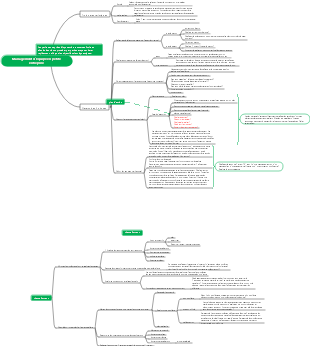
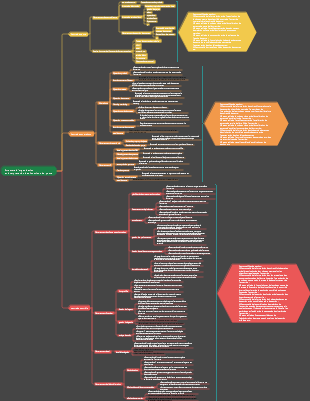
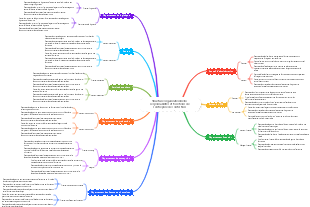
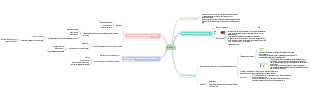
Introduction to GridForming RE100 Microgrid
Definition of a grid-forming microgrid
Explanation of the term "grid-forming"
Importance of RE100 initiatives
Purpose and benefits
Decentralization of power generation
Increased resilience and autonomy
Environmental sustainability
Key Principles of Microgrid Design
Reliability and stability
Importance of maintaining voltage and frequency
Role of control systems in operation
Integration of renewable energy
Utilization of clean energy sources
Challenges of variability and intermittency
Scalability and flexibility
Adapting to changing energy needs
Modular design approaches
Components of GridForming Microgrids
Generation units
Solar photovoltaic systems
Energy storage systems
Batteries (lithium-ion, flow, etc.)
Flywheels and supercapacitors
Control systems
Centralized vs decentralized control
Importance of real-time monitoring
GridForming vs GridFollowing Technologies
Definitions and roles
Distinctions between grid-forming and grid-following
Appropriate applications for each
Advantages of grid-forming technologies
Autonomous operation characteristics
Increased contribution to grid stability
Disadvantages and limitations
Renewable Energy Sources for Microgrids
Solar energy
Photovoltaics vs solar thermal
Impact of geographic location on viability
Wind energy
Onshore versus offshore wind farms
Potential challenges in energy capture
Other renewable sources
Geothermal energy options
Energy Storage Systems Integration
Importance of energy storage
Mitigating variability of generation
Enhancing grid reliability
Types of storage technologies
Mechanical systems (e.g., pumped hydro)
Chemical storage technologies (e.g., hydrogen storage)
Design considerations for energy storage
Capacity and discharge rates
Integration with generation and load balance
Control Strategies for Microgrid Operation
Hierarchical control structure
Primary, secondary, and tertiary control layers
Importance of automated responses
Real-time monitoring and optimization
Use of software tools and algorithms
Role of data aggregation and analysis
Communication protocols
Importance of interoperability
Standards for secure data transmission
Load Management Techniques
Demand response strategies
Engaging consumers in load shifting
Incentives for reducing peak load
Smart grid technologies
Implementation of smart meters
Benefits of real-time consumption data
Load forecasting methods
Techniques for predicting demand
Adjusting generation and storage accordingly
Safety and Reliability Considerations
System redundancy
Designing for failure tolerance
Backup systems and resources
Risk assessment processes
Identifying potential hazards
Implementing risk mitigation strategies
Emergency protocols
Developing response plans for outages
Training for operational staff
Regulatory and Compliance Requirements
Legal frameworks for microgrid operation
Understanding the local energy laws
Licensing requirements for renewable integration
Safety standards and regulations
Adherence to national grid codes
International standards for safety and performance
Reporting and compliance procedures
Monitoring tools for compliance tracking
Regular audits and assessments
Economic Feasibility and Cost Analysis
Initial investment considerations
Capital costs of system components
Site preparation and infrastructure needs
Operational and maintenance costs
Long-term financial planning
Evaluating ongoing costs vs savings
Financing options
Private investment and partnerships
Community Engagement and Stakeholder Involvement
Importance of stakeholder analysis
Identifying key community players
Understanding local needs and preferences
Communication strategies
Developing informative outreach plans
Utilizing social media and workshops
Inclusion of local voices
Engaging with public for feedback
Addressing community concerns proactively
Performance Monitoring and Optimization
Key performance indicators (KPIs)
Identifying metrics for success
Importance of data-driven decisions
Continuous improvement processes
Feedback loops for operational adjustments
Updating systems based on performance results
Use of technology for monitoring
Implementing IoT devices for real-time data
Advanced analytics for predictive modeling
Future Trends in Microgrid Development
Innovations in technology
Advances in energy storage solutions
Emerging communication technologies
Policy shifts affecting microgrid growth
Incentives for renewable energy
Emerging research and funding programs
Community-driven development models
Increasing interest in local energy autonomy
Cooperative ownership structures
Case Studies of Successful Implementations
Examples of effective microgrids
Highlighting specific locations and projects
Key lessons learned from implementations
Impact assessments
Evaluating environmental and social outcomes
Economic benefits in host communities
Future recommendations
Suggestions based on case study findings
Scaling successful strategies to new locations