MindMap Gallery Key Characters
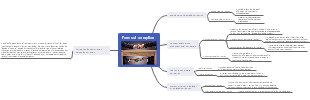
Among the key characters, Joseph's brothers feel jealousy and plot against him due to his favored status. Jacob shows favoritism towards Joseph, causing family tensions. Despite being Jacob's favored son, Joseph is betrayed and sold into slavery by his brothers.
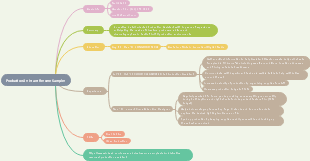
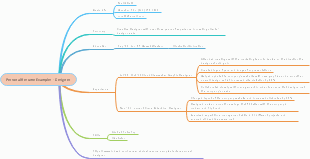
Edited at 2024-12-16 13:08:06The self types are diverse and rich, with the motto of 'Be free to be you and me'. Among them, innocent people are innocent and simple, ordinary people are plain and simple, heroes are brave and fearless, and caregivers are kind and considerate. Soul type and self type are interrelated, and different self types exhibit unique personality traits and behavioral patterns. Understanding one's self type helps people better understand themselves, leverage their strengths, achieve self growth, and build harmonious interpersonal relationships.

Among the key characters, Joseph's brothers feel jealousy and plot against him due to his favored status. Jacob shows favoritism towards Joseph, causing family tensions. Despite being Jacob's favored son, Joseph is betrayed and sold into slavery by his brothers.
The self types are diverse and rich, with the motto of 'Be free to be you and me'. Among them, innocent people are innocent and simple, ordinary people are plain and simple, heroes are brave and fearless, and caregivers are kind and considerate. Soul type and self type are interrelated, and different self types exhibit unique personality traits and behavioral patterns. Understanding one's self type helps people better understand themselves, leverage their strengths, achieve self growth, and build harmonious interpersonal relationships.
Among the key characters, Joseph's brothers feel jealousy and plot against him due to his favored status. Jacob shows favoritism towards Joseph, causing family tensions. Despite being Jacob's favored son, Joseph is betrayed and sold into slavery by his brothers.
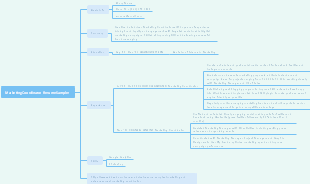
Vayeshev (וַיֵּשֶׁב)
Key Characters
Jacob: Shows favoritism towards Joseph, causing family tensions
Rashi Commentary: Jacob's favoritism mirrors God's ultimate plans for Joseph, but it sowed discord among the brothers
Radbaz Commentary: Leaders must balance their love and avoid visible bias
Related Lessons
Treat all individuals with fairness to avoid divisions
Relevance: In communities and organizations, favoritism fosters discord (e.g., NHS and workplace equality)
Joseph: Favored son, betrayed and sold by his brothers
Rashi Commentary: Joseph’s dreams are prophetic, showing divine intervention in his future
Radbaz Commentary: Joseph's trials are tests to build his leadership and resilience
Related Lessons
Resilience leads to eventual success
Relevance: Jewish communities can persevere through challenges like antisemitism in the UK (e.g., rising cases in universities)
Judah: Takes leadership but later regrets his role in Joseph's sale
Rashi Commentary: Judah shows the importance of repentance and responsibility
Radbaz Commentary: Leadership necessitates accountability and moral reflection
Related Lessons
The importance of honest leadership
Relevance: In governance, leaders must accept the consequences of their actions to foster trust
Brothers: Feels jealousy and plots against Joseph
Rashi Commentary: The brothers' jealousy leads to their downfall
Radbaz Commentary: Jealousy can blind individuals to their moral compass
Related Lessons
Jealousy destroys familial bonds
Relevance: In modern settings, jealousy can manifest in workplace rivalries and strained relationships
Reuben: Attempts to save Joseph from his brothers
Rashi Commentary: Reuben's actions show the struggle between right and wrong within family dynamics
Radbaz Commentary: Even a flawed leader can inspire hope and redemption
Related Lessons
The value of conflict resolution and intervention
Relevance: Encouraging mediation in communities to resolve disputes can lead to healing
Themes
Favoritism: Leads to jealousy and conflict
Rashi Commentary: Divine favoritism is a double-edged sword
Radbaz Commentary: Favoritism undermines unity
Related Lessons
Equal treatment strengthens relationships
Relevance: Transparent practices in organizations prevent conflict
Betrayal: The impact of sibling rivalry
Rashi Commentary: Betrayal has deep consequences
Radbaz Commentary: Betrayal can lead to redemption arcs
Related Lessons
Betrayal challenges individuals to grow
Relevance: Trust is essential in personal and professional relationships
Leadership: Responsibility and moral choices
Rashi Commentary: Leaders shape their communities through moral decisions
Radbaz Commentary: The burden of leadership requires self-reflection
Related Lessons
Ethical leadership fosters loyalty
Relevance: Ethical practices in corporate environments promote sustainability and success
Resilience: Overcoming adversity
Rashi Commentary: Adversity is a form of divine instruction
Radbaz Commentary: Resilience builds character
Related Lessons
Persistence is the key to overcoming challenges
Relevance: Support networks in communities amplify resilience against societal challenges
Repentance: The path to redemption
Rashi Commentary: True repentance leads to healing
Radbaz Commentary: Acknowledging one's mistakes is vital for growth
Related Lessons
Accountability is essential for integrity
Relevance: Apologizing and making amends build healthier relationships in society
Unity vs. Division: The struggle for harmony
Rashi Commentary: Unity is a divine goal
Radbaz Commentary: Division stems from human flaws
Related Lessons
Cultivating unity requires effort and understanding
Relevance: In divisive times, promoting dialogue fosters community cohesion
Dreams and Prophecy: Guidance from the divine
Rashi Commentary: Dreams are vehicles for divine messages
Radbaz Commentary: Interpreting dreams can guide decision-making
Related Lessons
Pay attention to guidance and intuition
Relevance: Understanding one's purpose can lead to fulfilling life paths