MindMap Gallery Avdian
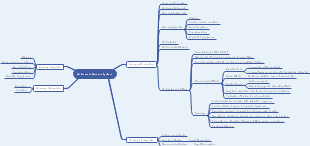
Avdian specializes in the selection of optimal target regions, popular treatment projects, and the analysis of ideal target age groups. The selection of optimal target regions is based on factors such as climate conditions, market demand, and medical resource distribution; popular treatment projects cover multiple areas such as skin beauty, anti-aging treatments, and weight management; the analysis of ideal target age groups aims to provide personalized treatment plans and nursing advice for different age groups to meet diverse needs.
Edited at 2025-01-10 19:09:52Avdian
Optimal target regions
Data Analysis on Existing Customer Base
By region
total price values
no. of customersaverage price value (purchasing power)
Demand of region expected
using time series forecasting
Identify Aesthetic Treatment Trends by Region
rank region
Prioritize regions with a high total number of customers, high loan values, and a diverse set of treatments offered.
Assess Existing Market Potential
External Market Data
High density of aesthetic clinics.
Growing aesthetics/cosmetics product markets.
Competitor Mapping
Research competitor presence in these regions.
Look for a strong clinic ecosystem (e.g., multiple clinics offering advanced treatments).
Measure Consumer Interest
Google Trends Analysis
Search terms like "Botox," "laser hair removal," or "skincare products" to identify regions with high online search interest.
Compare search popularity by geographic areas.
Customer Feedback
review existing customer feedback or purchase patterns related to aesthetics. This can hint at regions with high engagement.
Social Media Insights
Use social media platforms (like Instagram) to analyze beauty trends, hashtags, or influencers’ reach in different region
Geographic Clustering and Visualization
Create Visualizations: Use tools like Tableau, Power BI, or Python to create heatmaps showing: Loan volumes. Treatment diversity. Regional consumer interest (based on search/social trends).
Define Key Indicators for Prioritization: A strong existing customer base. High aesthetics industry density. Positive consumer interest trends.
Rank and Select Regions: Score each region based on these criteria to finalize target areas.
Key External Data Sources to Include
UK Regional Data: Census or ONS data for disposable income per region. Regional GDP (to indicate purchasing power). Aesthetics Industry Data: Reports on clinic concentration and treatment uptake (Statista, IBISWorld, etc.). Consumer Interest Data: Google Trends for aesthetic procedures or beauty products.
Country-level and city-level metrics (population, disposable income, clinic availability). Online search trends and regional beauty preferences
Popular Treatments
Frequency Count of Treatments
Body Area Focus:
Count the frequency of body areas (e.g., face, body, skin) mentioned in "Treatment Body Type Titles." Identify overlaps or synergies (e.g., multiple treatments focusing on the face might indicate potential demand for complementary facial products)
Correlate Treatments with Customer Age and Location
Recommend Complementary Cosmetic Products
Facial Treatments (Botox, Fillers, Hydrafacial): Launch anti-aging creams, serums, or moisturizers to maintain youthful skin. Offer SPF sunscreens or post-treatment calming gels. Skin Treatments (Laser Hair Removal, Hydrafacial): Develop soothing balms, body lotions, or hair growth inhibitors to complement laser treatments. Eyebrows (Microblading): Create eyebrow growth serums, pencils, or styling gels. Body Treatments (BBL, Skin Tightening): Introduce firming creams or toning products for targeted body areas.
Ideal Target age group
Analyze Customer Age Data from the Dataset
Frequency Distribution of Ages
Loan Value by Age Group
This will reveal which age groups demonstrate stronger purchasing power.
Correlate Age with Treatment Preferences
Analyze Age-Treatment Patterns: Group data by treatment type and body area, and segment customers by age range. Example findings: 20-30 years: Focused on microblading and skin-enhancing treatments (target skincare products).
Study beauty product trends among influencers and followers from different age brackets on platforms like Instagram, TikTok, and YouTube
Project Long-Term Growth Potential
Younger Age Groups (20-30): While younger audiences may spend less initially, cultivating loyalty among this group builds long-term brand advocates. Products: Acne-control products, brightening creams, entry-level moisturizers. Middle-Age Groups (30-45): This group typically has higher disposable income and interest in anti-aging products. Products: Serums, retinol, Botox-enhancing products, premium skincare.
Strategic recommendation
Product portfolio
synergy with Aesthetic Treatments
Develop products that align with the most popular treatments identified from the data, such as: Facial products: Hydration serums, skin-tightening creams, or aftercare solutions for treatments like Botox, microblading, and dermal fillers. Body-focused solutions: Products for enhancing body contouring outcomes, such as skin-firming lotions and stretch mark creams for procedures like BBL-Hyaluronic Acid. Specialized products for laser aftercare: Sunscreens or repair gels for post-laser hair removal skin recovery.
customization
Launch customizable products to cater to diverse demographics based on treatment categories (e.g., skin types or post-treatment recovery needs). Treatment-Specific Bundles: Create curated product bundles tailored to specific aesthetic treatments. For example: "BBL Recovery Kit": Cooling gels, firming creams, and post-treatment instructions for body contouring customers. "Filler-Friendly Hydration Pack": Hyaluronic acid-infused moisturizers and night masks for dermal filler customers.
Smart Beauty Technology
Launch products paired with smart tech, like skin assessment devices or an app that helps customers track their skin’s response to the product and treatments.
innovation
Ensure products are scientifically backed and tailored to consumer preferences within specific regions (e.g., preferences in different climates).
Celebrity dermatologist collaboration products to add exclusivity and credibility.
marketing strategy
Target Age Groups
Geographic Customization
run localized digital advertising campaigns on platforms like Instagram and TikTok in regions like London, Southampton, and Wolverhampton—areas with high loan values and aesthetic service activity.
Treatment-Specific Campaigns
Highlight lip and cheek products for dermal filler customers. Focus on anti-aging and firming for Botox or RF skin-tightening clients.
Influencer Collaborations:
Partner with aesthetic influencers and clinics to validate products and create testimonials aligning with regional trends.
distribution strategy
Clinic Partnerships
laborate with aesthetic clinics offering the treatments most relevant to the proposed products. For example: Skin-focused clinics: Offer exclusive skincare lines to enhance microblading or RF treatments. Body treatment clinics: Pair body creams with BBL or laser treatments.
In-Clinic Experience Hubs: Set up mini cosmetic counters in aesthetic clinics where customers can test and sample products before purchasing. Exclusive in-clinic promotions tied to treatments (e.g., get 10% off products when booking a treatment financed through the client’s loans).
e-commerce website
On-Demand Same-Day Delivery
Subscription Services
Create recurring purchase plans for high-use products (e.g., monthly skincare essentials).
Offer a dual subscription service where customers get both cosmetic products and access to bundled treatment discounts.
Retail Expansion:
Explore opportunities for niche cosmetic product placement in beauty retailers or pharmacies across identified high-performing areas.