Wondershare EdrawMind
MindMap Gallery Administratief recht
Administratief recht
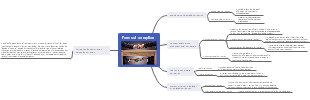
This is about the content of administrative law (Administratief recht), mainly explaining spatial order (Ruimtelijke ordening), environmental permits (Omgevingsvergunnigen), and government orders (Overheidsopdrachten). Spatial order involves land use planning, building regulations, etc.; environmental permits refer to the approval and supervision of activities that may affect the environment; government orders are directives or requirements issued by the government for the public interest. These contents together constitute an important part of administrative law, aiming to maintain social order, protect the environment, and safeguard public interests.
Edited at 2025-01-20 14:13:28
- Administratief recht
This is about the content of administrative law (Administratief recht), mainly explaining spatial order (Ruimtelijke ordening), environmental permits (Omgevingsvergunnigen), and government orders (Overheidsopdrachten). Spatial order involves land use planning, building regulations, etc.; environmental permits refer to the approval and supervision of activities that may affect the environment; government orders are directives or requirements issued by the government for the public interest. These contents together constitute an important part of administrative law, aiming to maintain social order, protect the environment, and safeguard public interests.
- Publiek recht: principes
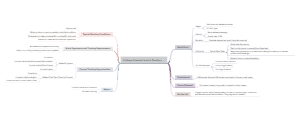
This is about the content of public law principles (Publiek recht: principes), mainly explaining the concept of government (Overheidsbegrip), principles of good governance (Beginselen van behoorlijk bestuur), and administrative government (Administratieve overheid). The concept of government involves the nature, functions, and organizational structure of the government; principles of good governance include legality, transparency, accountability, etc.; administrative government is the institution responsible for implementing laws and managing public affairs. These principles provide a basic framework for public law, ensuring the legality and fairness of government actions.
- Wet van Breyne
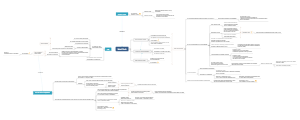
This is about the content of the Wet van Breyne, mainly explaining its basic characteristics (Basis kenmerken), scope of application (Toepassing), and content (Inhoud). The Wet van Breyne is a law of great significance, whose basic characteristics include norms and adjustments in specific fields; the scope of application covers relevant subjects and behaviors; the content provides detailed provisions on rights and obligations, procedures, and responsibilities. This law plays an important role in the corresponding field and has a positive impact on social order and public interests.
Administratief recht
- Administratief recht
This is about the content of administrative law (Administratief recht), mainly explaining spatial order (Ruimtelijke ordening), environmental permits (Omgevingsvergunnigen), and government orders (Overheidsopdrachten). Spatial order involves land use planning, building regulations, etc.; environmental permits refer to the approval and supervision of activities that may affect the environment; government orders are directives or requirements issued by the government for the public interest. These contents together constitute an important part of administrative law, aiming to maintain social order, protect the environment, and safeguard public interests.
- Publiek recht: principes
This is about the content of public law principles (Publiek recht: principes), mainly explaining the concept of government (Overheidsbegrip), principles of good governance (Beginselen van behoorlijk bestuur), and administrative government (Administratieve overheid). The concept of government involves the nature, functions, and organizational structure of the government; principles of good governance include legality, transparency, accountability, etc.; administrative government is the institution responsible for implementing laws and managing public affairs. These principles provide a basic framework for public law, ensuring the legality and fairness of government actions.
- Wet van Breyne
This is about the content of the Wet van Breyne, mainly explaining its basic characteristics (Basis kenmerken), scope of application (Toepassing), and content (Inhoud). The Wet van Breyne is a law of great significance, whose basic characteristics include norms and adjustments in specific fields; the scope of application covers relevant subjects and behaviors; the content provides detailed provisions on rights and obligations, procedures, and responsibilities. This law plays an important role in the corresponding field and has a positive impact on social order and public interests.
- Recommended to you
- Outline