MindMap Gallery Analysis of the trend of power tools in the next 5 years (deepseek)
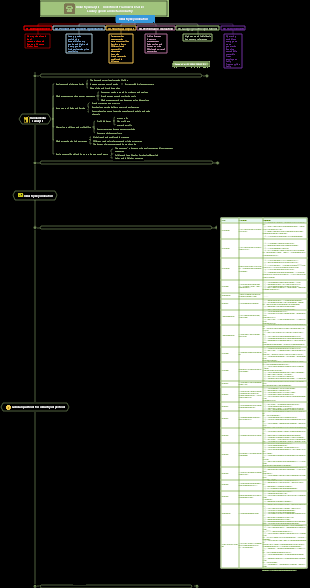
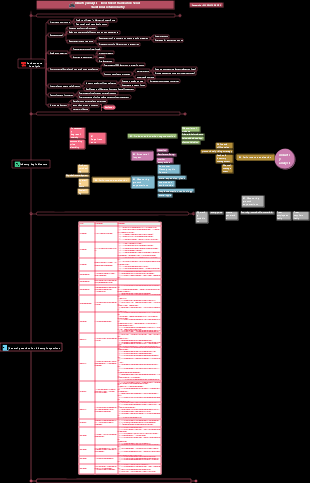
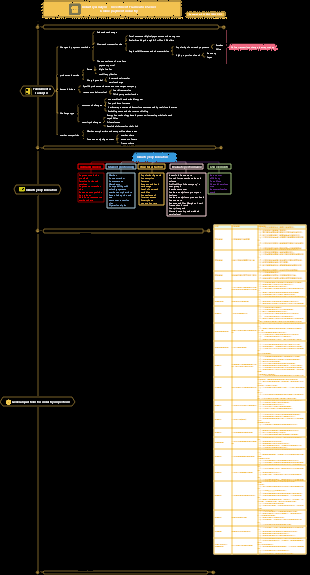
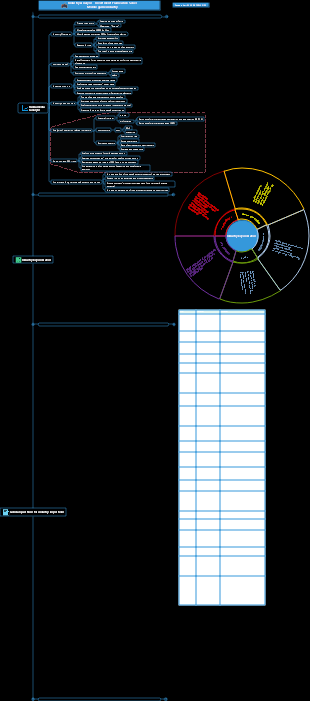
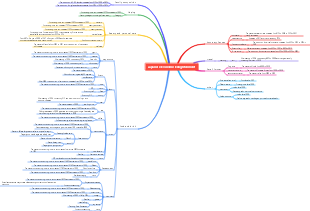
This is a mind map about the trend analysis of power tools in the next five years (deepseek Lingxi). The main contents include: conclusions, summary of key trends in the next five years, potential challenges and risks, policies and external environmental impacts, competitive landscape and business model , market and application scenario expansion, core technology drivers.
Edited at 2025-02-04 21:18:25In order to help everyone use DeepSeek more efficiently, a collection of DeepSeek guide mind map was specially compiled! This mind map summarizes the main contents: Yitu related links, DS profile analysis, comparison of DeepSeek and ChatGPT technology routes, DeepSeek and Qwen model deployment guide, how to make more money with DeepSeek, how to play DeepSeek, DeepSeek scientific research Application, how to import text from DeepSeek into MindMaster, the official recommendation of DeepSeek Wait, allowing you to quickly grasp the essence of AI interaction. Whether it is content creation, plan planning, code generation, or learning improvement, DeepSeek can help you achieve twice the result with half the effort!
This is a mind map about DeepSeek's 30 feeding-level instructions. The main contents include: professional field enhancement instructions, interaction enhancement instructions, content production instructions, decision support instructions, information processing instructions, and basic instructions.
This is a mind map about a commercial solution for task speech recognition. The main content includes: text file content format:, providing text files according to the same file name as the voice file.
In order to help everyone use DeepSeek more efficiently, a collection of DeepSeek guide mind map was specially compiled! This mind map summarizes the main contents: Yitu related links, DS profile analysis, comparison of DeepSeek and ChatGPT technology routes, DeepSeek and Qwen model deployment guide, how to make more money with DeepSeek, how to play DeepSeek, DeepSeek scientific research Application, how to import text from DeepSeek into MindMaster, the official recommendation of DeepSeek Wait, allowing you to quickly grasp the essence of AI interaction. Whether it is content creation, plan planning, code generation, or learning improvement, DeepSeek can help you achieve twice the result with half the effort!
This is a mind map about DeepSeek's 30 feeding-level instructions. The main contents include: professional field enhancement instructions, interaction enhancement instructions, content production instructions, decision support instructions, information processing instructions, and basic instructions.
This is a mind map about a commercial solution for task speech recognition. The main content includes: text file content format:, providing text files according to the same file name as the voice file.
Analysis of the trend of power tools in the next 5 years (deepseek Lingxi)
Core technology drivers
Battery technology innovation
New battery commercialization improves performance
Battery recycling and new services reduce burden
Motor and power system
Brushless motors are deepened and intelligently adjusted
New materials application achieves micro-light weight
Intelligence and the Internet of Things
Intelligent diagnostic monitoring and early warning maintenance
Combining professional tools and collaborative robots
Market and application scenario expansion
Professional-level market upgrade
Adapt to Industry 4.0 to optimize construction site efficiency
Design special tools to meet extreme environments
Consumer market explosion
Demand for DIY and home scenes grows
Ergonomic design expands user base
Emerging fields convergence
Demand for supporting tools in the new energy industry is rising
Accelerated penetration of electrification of agricultural horticulture
Competitive landscape and business model
Brand competition differentiation
High-end giants build smart ecology
Chinese brands seize emerging markets
Service model innovation
Subscription tool library to reduce purchase costs
Community tool sharing platform emerges
Policy and external environmental impact
Environmental regulations tighten
Certification upgrade promotes electrification replacement
Taxation accelerates the electric process of fuel tools
Reconstruction of supply chain resilience
Regional production reduces political risks
Alternative technology to mitigate resource dependence
Potential challenges and risks
Technical bottleneck
Battery safety delays commercialization
Price pressure
Raw material fluctuations affect terminal pricing
Data security
Smart tool data sparks privacy controversy
Summary of key trends in the next five years
Product form
Development of wireless modular and lightweight
Core Technology
Commercial AI for solid-state batteries becomes high-end standard
Market structure
The growth of professional consumer markets is different
Business model
The rise of second-hand platforms as tools
in conclusion
Leap forward
Power tools move towards intelligent ecosystem
Manufacturer's Points
Focus on technical users and business models
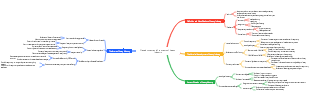
Analysis of the trend of power tools in the next 5 years (deepseek Mind Master)
1. Core technology drivers
Battery technology innovation
High-density battery
New batteries such as solid-state batteries and sodium ion batteries are gradually commercialized
Energy density increased by 30%-50%
Reduced charging time to less than 15 minutes
Largely extended battery life and reduced weight
Sustainability optimization
Standardization of battery recycling technology
Manufacturers launch "BaaS" (BaaS) model
Reduce user costs and environmental burden through leasing
Motor and power system
Brushless motors are popularized and deepened
The penetration rate of brushless motors has increased to more than 90%
Dynamic power regulation is achieved in combination with AI algorithm
Automatically match speed according to material hardness
Miniaturization and lightweight
Application of new materials such as gallium nitride (GaN)
Reduce tool weight by 20%-30%
More suitable for female and non-professional users
Intelligence and the Internet of Things (IoT)
Intelligent diagnostics and predictive maintenance
Built-in sensors monitor motor temperature, battery health and other parameters in real time
Warn of faults through APP and recommend maintenance solutions
Collaborative Robot Integration
Combined with professional-grade tools and collaborative robots (Cobots)
Realize semi-automated construction
Automatic drilling path planning
2. Market and application scenario expansion
Professional-level market upgrade
Industry 4.0 adaptation
Tool data access construction management platform
Optimize site efficiency
Track the location of the tool via GPS to prevent loss
Extreme Environment Tools
Explosion-proof, high temperature/high humidity resistance design
Meet the needs of special industries such as petroleum and chemical industry
Consumer market explosion
DIY and home scenes
The trend of "family workshop" continues after the epidemic
Demand for compact tools (such as 12V battery systems) grows
Matched with modular accessories (one machine multi-purpose)
Women and Aging Users
Ergonomic design (such as shock absorber handles, voice control)
Lower the threshold for use and expand the user base
Emerging fields convergence
New energy industry supporting facilities
Special tools for electric vehicle repair
High torque battery disassembly equipment
Demand for solar panel installation tools rises
Agriculture and Horticulture Electrochemical
Lithium battery lawn mowers, chain saws and other alternative fuel products
Policy subsidies accelerate penetration
3. Competitive landscape and business model
Brand competition differentiation
High-end market
Giants such as Bosch and Makita focus on building intelligent ecosystems
All-in-one tool
Cost-performance market
Chinese brands (such as DJI, Xiaomi, etc.) occupy the market
Provide cost-effective power tool products
Business model innovation
Subscription service model
Users receive regular maintenance and upgrade services through subscription
Reduce one-time purchase costs and provide sustained value
Sharing economy model
Shared power tool platform emerges
Use on demand to reduce resource waste
Supply Chain and Logistics Optimization
Intelligent manufacturing and automation
Improve production efficiency and quality control
Reduce labor costs and shorten delivery time
Green logistics
Adopt environmentally friendly packaging materials
Optimize transportation routes and reduce carbon emissions
Market segmentation and customization
Targeting specific industry and user needs
Provide customized solutions
Enhance user experience and satisfaction
Modular product design
Users can replace or upgrade parts according to their needs
Extend product life cycle and improve usage flexibility
Analysis of the trend of power tools in the next 5 years (deepseek Lingxi)
Core technology drivers
Battery technology innovation
New battery commercialization improves performance
Battery recycling and new services reduce burden
Motor and power system
Brushless motors are deepened and intelligently adjusted
New materials application achieves micro-light weight
Intelligence and the Internet of Things
Intelligent diagnostic monitoring and early warning maintenance
Combining professional tools and collaborative robots
Market and application scenario expansion
Professional-level market upgrade
Adapt to Industry 4.0 to optimize construction site efficiency
Design special tools to meet extreme environments
Consumer market explosion
Demand for DIY and home scenes grows
Ergonomic design expands user base
Emerging fields convergence
Demand for supporting tools in the new energy industry is rising
Accelerated penetration of electrification of agricultural horticulture
Competitive landscape and business model
Brand competition differentiation
High-end giants build smart ecology
Chinese brands seize emerging markets
Service model innovation
Subscription tool library to reduce purchase costs
Community tool sharing platform emerges
Policy and external environmental impact
Environmental regulations tighten
Certification upgrade promotes electrification replacement
Taxation accelerates the electric process of fuel tools
Reconstruction of supply chain resilience
Regional production reduces political risks
Alternative technology to mitigate resource dependence
Potential challenges and risks
Technical bottleneck
Battery safety delays commercialization
Price pressure
Raw material fluctuations affect terminal pricing
Data security
Smart tool data sparks privacy controversy
Summary of key trends in the next five years
Product form
Development of wireless modular and lightweight
Core Technology
Commercial AI for solid-state batteries becomes high-end standard
Market structure
The growth of professional consumer markets is different
Business model
The rise of second-hand platforms as tools
in conclusion
Leap forward
Power tools move towards intelligent ecosystem
Manufacturer's Points
Focus on technical users and business models
Analysis of the trend of power tools in the next 5 years (deepseek Mind Master)
1. Core technology drivers
Battery technology innovation
High-density battery
New batteries such as solid-state batteries and sodium ion batteries are gradually commercialized
Energy density increased by 30%-50%
Reduced charging time to less than 15 minutes
Largely extended battery life and reduced weight
Sustainability optimization
Standardization of battery recycling technology
Manufacturers launch "BaaS" (BaaS) model
Reduce user costs and environmental burden through leasing
Motor and power system
Brushless motors are popularized and deepened
The penetration rate of brushless motors has increased to more than 90%
Dynamic power regulation is achieved in combination with AI algorithm
Automatically match speed according to material hardness
Miniaturization and lightweight
Application of new materials such as gallium nitride (GaN)
Reduce tool weight by 20%-30%
More suitable for female and non-professional users
Intelligence and the Internet of Things (IoT)
Intelligent diagnostics and predictive maintenance
Built-in sensors monitor motor temperature, battery health and other parameters in real time
Warn of faults through APP and recommend maintenance solutions
Collaborative Robot Integration
Combined with professional-grade tools and collaborative robots (Cobots)
Realize semi-automated construction
Automatic drilling path planning
2. Market and application scenario expansion
Professional-level market upgrade
Industry 4.0 adaptation
Tool data access construction management platform
Optimize site efficiency
Track the location of the tool via GPS to prevent loss
Extreme Environment Tools
Explosion-proof, high temperature/high humidity resistance design
Meet the needs of special industries such as petroleum and chemical industry
Consumer market explosion
DIY and home scenes
The trend of "family workshop" continues after the epidemic
Demand for compact tools (such as 12V battery systems) grows
Matched with modular accessories (one machine multi-purpose)
Women and Aging Users
Ergonomic design (such as shock absorber handles, voice control)
Lower the threshold for use and expand the user base
Emerging fields convergence
New energy industry supporting facilities
Special tools for electric vehicle repair
High torque battery disassembly equipment
Demand for solar panel installation tools rises
Agriculture and Horticulture Electrochemical
Lithium battery lawn mowers, chain saws and other alternative fuel products
Policy subsidies accelerate penetration
3. Competitive landscape and business model
Brand competition differentiation
High-end market
Giants such as Bosch and Makita focus on building intelligent ecosystems
All-in-one tool
Cost-performance market
Chinese brands (such as DJI, Xiaomi, etc.) occupy the market
Provide cost-effective power tool products
Business model innovation
Subscription service model
Users receive regular maintenance and upgrade services through subscription
Reduce one-time purchase costs and provide sustained value
Sharing economy model
Shared power tool platform emerges
Use on demand to reduce resource waste
Supply Chain and Logistics Optimization
Intelligent manufacturing and automation
Improve production efficiency and quality control
Reduce labor costs and shorten delivery time
Green logistics
Adopt environmentally friendly packaging materials
Optimize transportation routes and reduce carbon emissions
Market segmentation and customization
Targeting specific industry and user needs
Provide customized solutions
Enhance user experience and satisfaction
Modular product design
Users can replace or upgrade parts according to their needs
Extend product life cycle and improve usage flexibility