MindMap Gallery The underlying logic and the law of success in human nature
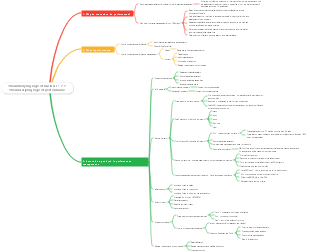
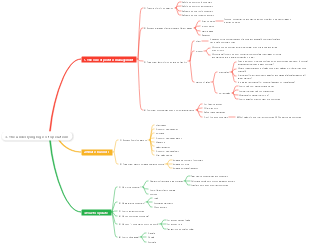
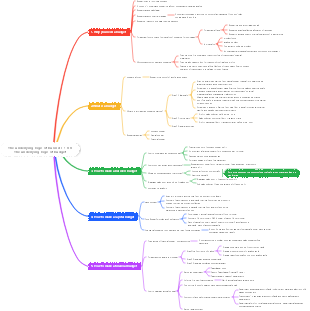
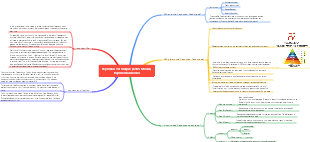
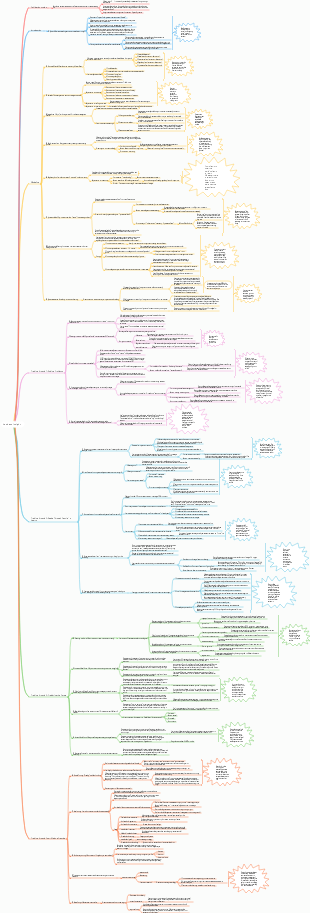
This is a mind map about the underlying logic and the law of success of human nature. The main contents include: personal positioning and survival, two sets of rules of society, Guiguzi's power theory, human weaknesses and needs, Guiguzi's human law, human nature and society Behavior, the essence of human nature.
Edited at 2025-01-29 15:37:01Rumi: 10 dimensions of spiritual awakening. When you stop looking for yourself, you will find the entire universe because what you are looking for is also looking for you. Anything you do persevere every day can open a door to the depths of your spirit. In silence, I slipped into the secret realm, and I enjoyed everything to observe the magic around me, and didn't make any noise. Why do you like to crawl when you are born with wings? The soul has its own ears and can hear things that the mind cannot understand. Seek inward for the answer to everything, everything in the universe is in you. Lovers do not end up meeting somewhere, and there is no parting in this world. A wound is where light enters your heart.
Chronic heart failure is not just a problem of the speed of heart rate! It is caused by the decrease in myocardial contraction and diastolic function, which leads to insufficient cardiac output, which in turn causes congestion in the pulmonary circulation and congestion in the systemic circulation. From causes, inducement to compensation mechanisms, the pathophysiological processes of heart failure are complex and diverse. By controlling edema, reducing the heart's front and afterload, improving cardiac comfort function, and preventing and treating basic causes, we can effectively respond to this challenge. Only by understanding the mechanisms and clinical manifestations of heart failure and mastering prevention and treatment strategies can we better protect heart health.
Ischemia-reperfusion injury is a phenomenon that cellular function and metabolic disorders and structural damage will worsen after organs or tissues restore blood supply. Its main mechanisms include increased free radical generation, calcium overload, and the role of microvascular and leukocytes. The heart and brain are common damaged organs, manifested as changes in myocardial metabolism and ultrastructural changes, decreased cardiac function, etc. Prevention and control measures include removing free radicals, reducing calcium overload, improving metabolism and controlling reperfusion conditions, such as low sodium, low temperature, low pressure, etc. Understanding these mechanisms can help develop effective treatment options and alleviate ischemic injury.
Rumi: 10 dimensions of spiritual awakening. When you stop looking for yourself, you will find the entire universe because what you are looking for is also looking for you. Anything you do persevere every day can open a door to the depths of your spirit. In silence, I slipped into the secret realm, and I enjoyed everything to observe the magic around me, and didn't make any noise. Why do you like to crawl when you are born with wings? The soul has its own ears and can hear things that the mind cannot understand. Seek inward for the answer to everything, everything in the universe is in you. Lovers do not end up meeting somewhere, and there is no parting in this world. A wound is where light enters your heart.
Chronic heart failure is not just a problem of the speed of heart rate! It is caused by the decrease in myocardial contraction and diastolic function, which leads to insufficient cardiac output, which in turn causes congestion in the pulmonary circulation and congestion in the systemic circulation. From causes, inducement to compensation mechanisms, the pathophysiological processes of heart failure are complex and diverse. By controlling edema, reducing the heart's front and afterload, improving cardiac comfort function, and preventing and treating basic causes, we can effectively respond to this challenge. Only by understanding the mechanisms and clinical manifestations of heart failure and mastering prevention and treatment strategies can we better protect heart health.
Ischemia-reperfusion injury is a phenomenon that cellular function and metabolic disorders and structural damage will worsen after organs or tissues restore blood supply. Its main mechanisms include increased free radical generation, calcium overload, and the role of microvascular and leukocytes. The heart and brain are common damaged organs, manifested as changes in myocardial metabolism and ultrastructural changes, decreased cardiac function, etc. Prevention and control measures include removing free radicals, reducing calcium overload, improving metabolism and controlling reperfusion conditions, such as low sodium, low temperature, low pressure, etc. Understanding these mechanisms can help develop effective treatment options and alleviate ischemic injury.
The underlying logic and the law of success in human nature
The nature of human nature
Seek profit and avoid harm
Individual behavior tends to pursue maximum profit
Choose behaviors that can lead to positive results
Avoid options that may lead to losses or negative consequences
The role of instinctive reactions in decision-making
Rapid response mechanism helps individuals survive in emergencies
Long-term impact on individuals' assessment and responsibility for risks
Selfishness
Individuals prioritize their own interests
Self-protection and resource acquisition instinct
Selfish behavior can intensify competition when resources are limited
The balance between selfishness and cooperation
Social interaction requires balance between individual and collective interests
Cooperation is often based on mutual benefit
Human nature and social behavior
Position and perspective
Individuals form unique perspectives based on their own experiences
Environmental, education and experience influence positions
Position determines how individuals receive and process information
Diversity of perspectives and social interactions
There are many opinions and beliefs in society
Communication and debate helps to form and change perspectives
Value Exchange
The principle of reciprocity in interpersonal communication
People tend to build relationships with those who provide value
Value can be material, emotional or informational
Long-term and short-term exchange relationships
Short-term exchange focuses on instant returns
Long-term exchanges are based on trust and ongoing cooperation
Success stories
How individuals achieve success by understanding human nature
Successful people often have insight into human nature and use it
Successful case analysis reveals the application of human nature in practice
Guiguzi's human law
Knowing people and guiding
Understand human nature to better guide others
Judging human nature by observing behavior and words
Considering their intrinsic motivations and needs when guiding others
Application in context
Flexible use of human understanding in different situations
Adaptably adjust strategies to achieve your goals
Seven human laws
The weak: respect and modest treatment
The weak need to be respected and affirmed
A humble attitude helps build trust among the weak
Strong: Pay attention to results, be simple, direct and efficient
The strong pursue efficiency and results
Direct communication and clear goals can win cooperation among the strong
Wise: Treat it sincerely, tell the truth, do the truth, be a real person
The wise appreciate sincerity and candidity
Truth and transparency are key when interacting with wise men
Old man: Listen and respect, meet the needs of sharing experience
Old people tend to share experience and wisdom
Listening and respect can win the trust and guidance of the elderly
Rich people: Give emotional value and pay attention to emotional needs
Rich people seek emotional satisfaction and recognition
Providing emotional value and emotional support can create a good relationship
Poor people: Focus on real interests and meet the needs of immediate returns
Poor people pay more attention to immediate material interests
Provides real benefits and immediate returns to attract poor people
Villain: Deal with hypocritical means and take advantage of their weaknesses
The villain may use hypocrisy and tricks
The strategy of identifying and preventing villains is necessary
Human weaknesses and needs
Demand meet
Understand and meet the basic needs of others
Maslow's hierarchy of demand theory guides how to meet demand
Meeting needs is the foundation for building relationships and influencing others
Take advantage of demand weaknesses for guidance and control
Identifying weaknesses can be used to motivate or restrict behavior
The satisfaction and utilization of needs should be balanced carefully to avoid abuse
Success stories
How to succeed by meeting human needs
Successful people are often able to accurately identify and meet the needs of others
Successful cases show that human weaknesses are transformed into success strategies
Guiguzi's power theory
Social Technology
Master social strategies and skills
Social technology includes communication, negotiation and influence skills
Proficiency in social technology helps gain an advantage in human interaction
Application of power conspiracy theory in modern society
Understanding power theory can help individuals navigate in complex societies
The modern application of power conspiracy theory requires consideration of ethical and legal restrictions
Disciple influence
How Disciples Influence Society and History
Disciple inheritance ideas and strategies
Disciples’ behavior and decision-making have a profound impact on society
The role of disciples in modern society
In modern society, disciples may refer to students, followers, or believers.
The influence of disciples manifests itself in education, politics and business
Two sets of rules of society
Moral rules
Moral rules guide social behavior and judgment
Moral rules are based on social consensus and cultural traditions
Moral rules affect legal formulation and enforcement
The relationship between moral rules and personal behavior
Personal behavior is bound and guided by moral rules
Moral rules play an important role in individual decision-making
Rules of interest
The rules of interest determine resource allocation and social status
Rules of interest are based on control of power, wealth and resources
Rules of interest are particularly evident in the political and economic fields
Conflict and coordination between interests and moral rules
Rules of interest sometimes conflict with moral rules
Seeking a balance between interests and morality is a challenge for social development
Personal positioning and survival
Self-awareness
Understand your strengths and weaknesses
Self-awareness helps individuals make correct decisions
Self-awareness is the basis for personal growth and development
The importance of self-positioning in society
Correct self-positioning helps individuals find suitable social roles
Self-positioning affects individual social networking and career development
Restraint and use
Learn to restrain personal desires and impulses
Restraint helps avoid unnecessary risks and conflicts
Restraint is a manifestation of personal cultivation and maturity
Use environment and resources to achieve goals
Understand the limitations and opportunities of the environment and resources
Use existing conditions and resources to achieve personal goals
Action advice
Formulate action strategies based on human understanding
Action strategies should consider the universal laws of human nature
Strategies should be flexible to adapt to changing environments and situations
Continuous learning and adaptation to enhance personal competitiveness
Learn new knowledge and skills to adapt to social change
Adaptation is the key to individuals' survival and development in society