MindMap Gallery Influenza diagnosis and treatment plan (2025 edition)
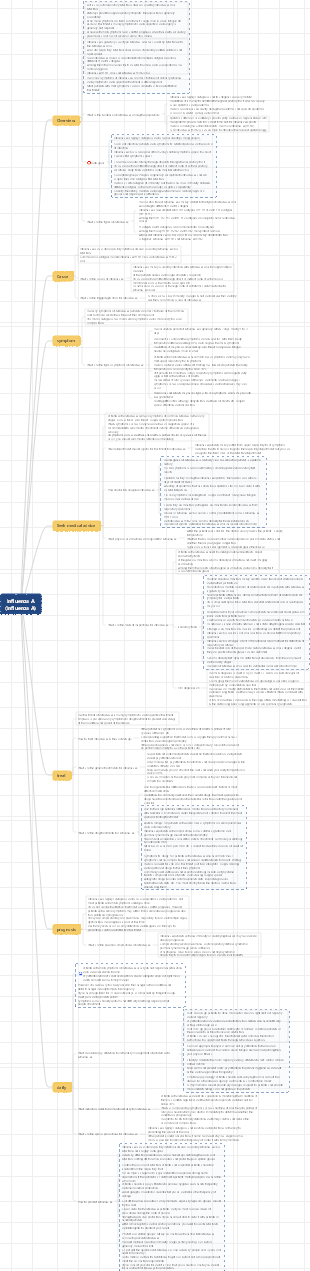
This is a mind map about influenza diagnosis and treatment plans (2025 edition), which mainly includes: prevention, hospital infection control measures, treatment, differential diagnosis, clinical typing, diagnosis, laboratory examination and imaging manifestations, clinical manifestations, pathogenesis and pathology, epidemiology, etiology, influenza.
Edited at 2025-01-25 15:22:43Rumi: 10 dimensions of spiritual awakening. When you stop looking for yourself, you will find the entire universe because what you are looking for is also looking for you. Anything you do persevere every day can open a door to the depths of your spirit. In silence, I slipped into the secret realm, and I enjoyed everything to observe the magic around me, and didn't make any noise. Why do you like to crawl when you are born with wings? The soul has its own ears and can hear things that the mind cannot understand. Seek inward for the answer to everything, everything in the universe is in you. Lovers do not end up meeting somewhere, and there is no parting in this world. A wound is where light enters your heart.
Chronic heart failure is not just a problem of the speed of heart rate! It is caused by the decrease in myocardial contraction and diastolic function, which leads to insufficient cardiac output, which in turn causes congestion in the pulmonary circulation and congestion in the systemic circulation. From causes, inducement to compensation mechanisms, the pathophysiological processes of heart failure are complex and diverse. By controlling edema, reducing the heart's front and afterload, improving cardiac comfort function, and preventing and treating basic causes, we can effectively respond to this challenge. Only by understanding the mechanisms and clinical manifestations of heart failure and mastering prevention and treatment strategies can we better protect heart health.
Ischemia-reperfusion injury is a phenomenon that cellular function and metabolic disorders and structural damage will worsen after organs or tissues restore blood supply. Its main mechanisms include increased free radical generation, calcium overload, and the role of microvascular and leukocytes. The heart and brain are common damaged organs, manifested as changes in myocardial metabolism and ultrastructural changes, decreased cardiac function, etc. Prevention and control measures include removing free radicals, reducing calcium overload, improving metabolism and controlling reperfusion conditions, such as low sodium, low temperature, low pressure, etc. Understanding these mechanisms can help develop effective treatment options and alleviate ischemic injury.
Rumi: 10 dimensions of spiritual awakening. When you stop looking for yourself, you will find the entire universe because what you are looking for is also looking for you. Anything you do persevere every day can open a door to the depths of your spirit. In silence, I slipped into the secret realm, and I enjoyed everything to observe the magic around me, and didn't make any noise. Why do you like to crawl when you are born with wings? The soul has its own ears and can hear things that the mind cannot understand. Seek inward for the answer to everything, everything in the universe is in you. Lovers do not end up meeting somewhere, and there is no parting in this world. A wound is where light enters your heart.
Chronic heart failure is not just a problem of the speed of heart rate! It is caused by the decrease in myocardial contraction and diastolic function, which leads to insufficient cardiac output, which in turn causes congestion in the pulmonary circulation and congestion in the systemic circulation. From causes, inducement to compensation mechanisms, the pathophysiological processes of heart failure are complex and diverse. By controlling edema, reducing the heart's front and afterload, improving cardiac comfort function, and preventing and treating basic causes, we can effectively respond to this challenge. Only by understanding the mechanisms and clinical manifestations of heart failure and mastering prevention and treatment strategies can we better protect heart health.
Ischemia-reperfusion injury is a phenomenon that cellular function and metabolic disorders and structural damage will worsen after organs or tissues restore blood supply. Its main mechanisms include increased free radical generation, calcium overload, and the role of microvascular and leukocytes. The heart and brain are common damaged organs, manifested as changes in myocardial metabolism and ultrastructural changes, decreased cardiac function, etc. Prevention and control measures include removing free radicals, reducing calcium overload, improving metabolism and controlling reperfusion conditions, such as low sodium, low temperature, low pressure, etc. Understanding these mechanisms can help develop effective treatment options and alleviate ischemic injury.
Influenza diagnosis and treatment plan (2025 edition)
influenza
Influenza (hereinafter referred to as influenza) is an acute respiratory infectious disease caused by influenza viruses. Influenza A and B viruses are seasonal every year, among which influenza A virus can cause a global pandemic. Most influenza is self-limiting. A few patients may develop severe/critical cases due to complications such as pneumonia or worsening underlying diseases. They may be caused by acute respiratory distress syndrome (ARDS), acute necrotizing encephalopathy or more. Death due to incomplete organ function.
Pathogenics
Influenza virus belongs to the family Orthomyxviral family, which is a single-strand, negative-strand, and segmented RNA virus, which is divided into four types: A, B, C, and D. Currently, the prevalence of influenza A viruses H1N1, H3N2 subtypes and influenza B virus Victoria. Influenza viruses are sensitive to commonly used disinfectants such as ethanol, iodine, iodine tincture, sodium hypochlorite, etc.; they are sensitive to ultraviolet rays and heat, and can be inactivated in 30 minutes at 56℃.
Epidemiology
1. Source of infection
Patients and hidden infections are the main sources of infection. It is contagious from the end of the incubation period to the acute period, and the detoxification time is mostly 3 to 7 days. The detoxification time for children, immune impairment and critically ill patients can exceed 1 week.
2. Transmission pathway
Influenza virus is mainly transmitted through the air through sneezing, coughing and speaking, and is more likely to spread in densely populated rooms or poorly ventilated. It can also be infected by contacting items contaminated by the virus and directly or indirectly through mucosa such as the mouth, nose, eyes, etc.
3. Susceptible people
The population is generally susceptible.
4. Heavy/critical high-risk population
1. Children aged < 5 years (age < 2 years old are more likely to have serious complications);
2. Elderly people aged ≥65 years;
3. Those with the following diseases or conditions: chronic respiratory diseases, cardiovascular diseases (except hypertension), kidney disease, liver disease, hematologic system diseases, nervous system and neuromuscular diseases, metabolic and endocrine system diseases, malignant tumors, immunity Functional suppression, etc.;
4. Obese people;
5. Pregnant and perinatal women.
Carry out nucleic acid tests and other necessary examinations in time, and provide antiviral drugs as soon as possible.
prevention
Vaccination
Influenza vaccination is the most effective way to prevent influenza
It is recommended that all people ≥6 months of age and no contraindications should be vaccinated with influenza.
Priority is given to the following key and high-risk groups to be vaccinated in a timely manner
Medical personnel, including clinical treatment, public health and health quarantine personnel;
Seniors aged 60 and older;
People with one or more chronic diseases;
Vulnerable groups and employees in places such as nursing homes, long-term care institutions, welfare homes, etc.;
Pregnant woman;
Children 6-59 months old;
Family members and caregivers of infants under 6 months of age;
People in key places such as childcare institutions, primary and secondary schools, and supervision venues.
Drug prevention
Drug prevention cannot replace vaccination. Post-exposure drug prevention is recommended for close contacts with high-risk factors for severe/critical influenza (and not vaccinated or have not yet gained immunity after vaccination), no later than 48 hours after exposure.
General Preventive Measures
Wash hands frequently, keep the environment clean and ventilated, minimize movement in crowded places during the epidemic season, and avoid contact with patients with respiratory infections;
Maintain good respiratory hygiene habits. When coughing or sneezing, cover your mouth and nose with your upper arms, tissues, towels, etc., wash your hands after coughing or sneezing, and try to avoid touching your eyes, nose or mouth;
If you have flu-like symptoms, you should pay attention to rest and self-isolation. You should wear a mask when you go to public places or seek medical treatment.
Pathogenesis and pathology
1. Influenza virus infects respiratory epithelial cells, causing clustered or diffuse shedding of respiratory ciliary epithelial cells, congestion of lamina propria mucosal cells, edema with monocyte infiltration, etc.
2. Influenza viruses can also infect alveolar epithelial cells, macrophages, etc., causing extensive alveolar epithelial damage, the alveolar cavity is filled with inflammatory exudates, lung interstitial edema and a large number of inflammatory cells infiltrate, and pneumonia manifestations.
3. In severe cases, diffuse alveolar damage can be combined, manifested as damage and necrosis of alveolar epithelial cells and endothelial cells of the lung, protein-rich exudate and inflammatory cells in the interstitial and alveolar cavity, congestion, bleeding, and appearance of lung microvascular congestion, bleeding, and Microthrombosis forms a transparent membrane, accompanied by focal or large-area alveolar collapse, damage to the qi and blood barrier, resulting in ARDS.
4. A few cases have overactivated immune responses and released cytokines in large quantities, causing sepsis/sepsis shock and multiple organ damage.
5. During combined heart injury, myocarditis such as interstitial bleeding, lymphocyte infiltration, cardiomyocyte swelling and necrosis may occur.
6. When encephalopathy is combined, diffuse congestion, edema, and necrosis of brain tissue may occur, among which acute necrotic encephalopathy is manifested as symmetric necrotic lesions dominated by the thalamus.
7. Occasionally acute tubular necrosis, glomerular microthrombosis and hepatocyte necrosis.
Clinical manifestations
The incubation period is generally 1 to 7 days, and most of them are 2 to 4 days.
Mainly caused by fever, headache, muscle and joint soreness, body temperature can reach 39-40℃, often with sore throat, dry cough, nasal congestion, runny nose, etc., may have systemic symptoms such as chills, chills, fatigue, and loss of appetite. Some patients Symptoms are mild or asymptomatic.
Influenza virus infection can lead to aggravation of chronic underlying diseases.
Newborn
It can only be manifested as drowsiness, milk refusal, apnea, etc.
child
The fever level is usually higher than that of adults, and gastrointestinal symptoms such as nausea, vomiting, and diarrhea in children with influenza B are also more common than those in adults.
Elderly
The clinical manifestations may be atypical, often without fever or low fever, and obvious cough, sputum, asthma and chest pain. It can also be manifested as anorexia and changes in mental state.
No complications
The course of the disease is self-limiting, more than the onset of the disease. The fever gradually subsides after 3 to 5 days, and the systemic symptoms improve, but cough and physical strength often take a long time to recover.
complication
pneumonia
The most common complications
Laryngitis, otitis media, and bronchitis in children are more common than in adults.
1. Lower respiratory tract
Causes primary viral pneumonia. Some influenza patients may be infected with bacteria, other viruses, atypical pathogens, fungi, etc.
When combined with Staphylococcus aureus, Streptococcus pneumoniae or Invasive Aspergillus pulmonary infection, the condition is severe and the mortality rate is high.
2. Neurological damage
Encephalitis, encephalopathy, myelitis, Guillain-Barre Syndrome, etc.
There are more children than adults, and acute necrotizing encephalopathy is even more dangerous.
3. Heart damage
The main ones are myocarditis and pericarditis. It can be seen that myocardial markers, electrocardiograms, heart ultrasound and other abnormalities can occur, and in severe cases, heart failure may occur.
After influenza virus infection, the risk of hospitalization and death related to myocardial infarction, ischemic heart disease is significantly increased.
4. Myositis and rhabdomyolysis
Myalgia, myocardium, serum creatine kinase, myoglobin increase, and in severe cases, acute renal injury can lead to.
Laboratory examination and imaging performance
General inspection
Blood routine
White blood cell count is generally not high or lower
The lymphocyte count in severe cases was significantly reduced.
Blood biochemistry
Aspartate aminotransferase, alanine aminotransferase, lactate dehydrogenase, creatinine, etc. may increase
Elevated creatine kinase in a few cases;
Some cases have electrolyte disorders such as hypokalemia
Blood lactate can be elevated in shock cases.
Arterial blood gas analysis
Severe cases may have aerobic partial pressure, blood oxygen saturation, oxygenation index, and acid-base imbalance.
Celebrospinal fluid
The number of cells and proteins involved in the central nervous system can be normal or increased;
Acute necrotizing encephalopathy is characterized by approximately normal cell count and increased protein.
Ecological examination
Antigen detection
Nasopharyngeal swabs or pharyngeal swabs were collected for antigen testing, which was quick and easy, but the sensitivity was lower than that of nucleic acid testing. A positive antigen test supports diagnosis, and negative cannot rule out influenza.
Nucleic acid testing
Nasopharyngeal swabs, pharyngeal swabs, tracheal extracts, sputum or alveolar lavage fluid were collected for nucleic acid testing. It has high sensitivity and specificity, and can distinguish virus types and subtypes.
Virus culture
Influenza virus can be isolated from respiratory specimens.
Serological examination
The positive transition of IgG antibodies during the recovery period may be 4 times or more higher than that in the acute period, which is retrospectively diagnostic.
Imaging performance
Imaging manifests in patients with primary viral pneumonia as patches and ground glass shadows;
Those who progress rapidly can develop into infiltration or decomposition images of both lungs, and pleural effusion can be seen in individual cases.
Multifocal brain injury can be seen with acute necrotic encephalopathy CT or magnetic resonance imaging (MRI), including the thalamus, perivengeal white matter, internal capsule, putamen, upper part of the brainstem tweak (fourth ventricle, ventral side of the mesencephalic hydrotube) and small The brain medulla, etc., are characterized by bilateral thalamic symmetry injury.
diagnosis
Diagnosis in combination with epidemiological history, clinical manifestations and etiology examinations
Flu epidemic season
Even if the clinical manifestations are atypical, especially those with high-risk factors for severe influenza or hospitalized patients, the possibility of influenza is still necessary to consider and etiological testing should be performed.
Flu emanation season
For hospitalized patients with suspected viral pneumonia, in addition to testing for common respiratory pathogens, influenza virus testing is also required.
Clinical diagnosis cases
Epidemiological history (with close contact with suspected or confirmed influenza patients without effective personal protection within 7 days before the onset, or one of the patients with influenza-like cases, or there is clear evidence of infectious infection with others) and the above-mentioned influenza Clinical manifestations and other diseases that cause influenza-like symptoms are excluded.
Confirm the diagnosis of cases
There are clinical manifestations of influenza and have one or more of the following pathogenic tests: 1. Positive influenza antigen test; 2. Positive influenza virus nucleic acid test; 3. Positive influenza virus culture isolation; 4. Positive influenza virus IgG antibody conversion The recovery period may be 4 times or more than the acute period.
Differential diagnosis
Common cold
Symptoms of respiratory catalactia above common cold are the main symptoms, and systemic symptoms such as fever and muscle soreness are mild.
Coronavirus infection
The clinical manifestations of new coronavirus infection are similar to influenza and need to be identified through etiology examinations.
Other lower respiratory tract infections
When pneumonia is combined, it is necessary to distinguish pneumonia caused by other pathogens (other respiratory viruses, Mycoplasma pneumoniae, etc.) and differentially diagnosed through etiology examination.
Clinical classification
Lightweight
It is manifested as an upper respiratory tract infection.
Medium size
Fever is >3 days or (and) cough, shortness of breath, etc., but the breathing rate (RR) is <30 times/min, and the oxygen saturation is >93% when sucking air in a resting state. Pneumonia can be seen on imaging.
Heavy duty
aldult
Comply with any of the following
Shortness of breath, RR ≥30 times/min;
In a resting state, the oxygen saturation is ≤93% when sucking air;
Arterial blood oxygen partial pressure (PaO₂)/oxygen concentration (FiO₂) ≤300;
Areas with high altitude (above 1000 meters) should be calibrated for PaO₂/FiO₂ according to the following formula: PaO₂/FiO₂×[760/atmospheric pressure (mmHg)] (1mmHg=0.133kPa);
The clinical symptoms progressively worsened, and lung imaging showed that the lesions were significantly progressed within 24 to 48 hours and were >50%.
child
Comply with any of the following
Ultra-high heat or continuous high heat for more than 3 days;
Shortness of breath, excluding the effects of fever and crying;
<2 months of age, RR ≥60 times/min;
2-12 months old, RR ≥50 times/min;
1-5 years old, RR ≥40 times/min;
>5 years old, RR ≥30 times/min)
In a resting state, the oxygen saturation is ≤93% when sucking air;
fanning the nose, three-concave sign, wheezing or gasping;
Impaired consciousness or convulsions;
Refusal to eat or feeding, and symptoms of dehydration.
Critical
Meet one of the following conditions
Respiratory failure and mechanical ventilation is required;
shock;
Acute necrotizing encephalopathy;
ICU monitoring treatment is required for combined with other organ failure.
treat
Basic Principles
1. Treatment according to respiratory isolation requirements.
2. Hospitalization treatment standards (meet any 1 of the following standards)
The underlying diseases have significantly worsened, such as: chronic obstructive pulmonary disease, diabetes, chronic cardiac insufficiency, chronic renal insufficiency, cirrhosis, etc.
-Compare diagnostic criteria for severe or critical influenza.
3. Non-hospitalized patients are at home, keep the room ventilated, and wear masks; rest sufficiently, drink more water, and the diet should be easy to digest and nutritious; closely observe changes in the condition, especially for children and elderly patients.
4. People with severe/critical influenza high-risk populations should be treated early, which can reduce symptoms, reduce complications, shorten the course of the disease, and reduce the mortality rate.
5. Avoid blindly or inappropriate use of antibacterial drugs. Pay close attention to changes in the disease, save specimens in time for pathogenesis, and use antibacterial drugs reasonably.
6. Use antipyretic drugs reasonably. Children should avoid taking aspirin or aspirin and other salicylic acid preparations.
Symptom-based treatment
People with high fever can undergo physical cooling and use antipyretic drugs. Those with severe cough and phlegm are given cough and expectorant drugs. Oxygen therapy is carried out in an appropriate manner according to the degree of hypoxia.
Antiviral treatment
Treatment Principles
During the flu epidemic season, influenza-like cases with severe/critical influenza-like high-risk factors should be subject to antiviral treatment as soon as possible, and antiviral treatment within 48 hours of onset benefit the most. Based on the current situation of the epidemic of multiple pathogens, it is recommended to undergo etiological examinations in time to guide treatment before antiviral treatment.
Patients with severe/critical high-risk factors and severe/critical patients with influenza virus pathogenesis should still be treated with antiviral treatment if influenza virus etiology is positive.
Antiviral treatment is recommended for patients with influenza who are at risk of transmission to high-risk groups.
The course of treatment can be appropriately extended for severe/critical patients based on the etiology results.
It is not recommended to use antiviral drugs with the same mechanism of action and increase drug dosage in combination.
Anti-influenza virus drugs
Neuraminidase inhibitors
Oseltavir
Applicable groups
Capsules/granules are suitable for children and adults 1 year old and above. Dry suspensions are suitable for children and adults over 2 weeks of age.
Usage Dosage
Adult dosage 75mg per time, 2 times a day
Recommended dosage for children aged 1 and above (2 times a day, 5 days of treatment)
2 weeks to 8 months, 3.0mg/kg each time;
9 to 11 months, 3.5mg/kg each time
Recommended dosage for children aged 1 and above (2 times a day, 5 days of treatment)
Weight is ≤15kg, 30mg each time;
15kg<weight ≤23kg, 45mg each time;
For those with 23kg <weight ≤40kg, 60mg each time;
For those with >40kg, 75mg each time.
All of the above. People with renal insufficiency should adjust the dose according to renal function.
Things to note
Common gastrointestinal adverse reactions
Palamivir
aldult
The general dosage is 300mg, a single intravenous drip, the infusion time is no less than 30 minutes. For those with serious complications, 600mg can be used, a single intravenous drip, and the infusion time is no less than 40 minutes. For severe symptoms, the medication can be administered repeatedly once a day and 1 to 5 days.
child
Each time, the weight of 10mg/kg is 10mg/kg, the infusion time is no less than 30 minutes, once a day. The drug can also be repeated for days according to the condition, no more than 5 days, and the upper limit of a single dose is 600mg.
Determine whether continuous administration is required based on clinical symptoms such as body temperature. For patients with renal insufficiency, the dosage must be adjusted according to the renal function damage.
Zanamivir (inhalation spray)
Applicable groups
Adults and children over 7 years old
Usage Dosage
Each time is 10mg, once in 12 hours, and the course of treatment is 5 days.
Things to note
Inhaled zanamivir is not recommended for patients with asthma or other chronic respiratory diseases
It is not recommended to administer Zanamivir inhaled powder with a nebulizer or mechanical ventilation device.
RNA polymerase inhibitor
Mabaloshave
Applicable groups
Tablets are suitable for children aged ≥5 and adults, and dry suspensions are suitable for children aged 5 to 12 years old, and are all taken orally in a single dose.
Usage Dosage
80mg for weight ≥80kg
20kg≤weight < 80kg 40mg
For those with weight < 20kg, 2mg/kg
Favilaway
Applicable groups
Suitable for new or re-expat influenza in adults, but only when other anti-influenza virus drugs are ineffective or ineffective
Pregnant women or women who may become pregnant are prohibited. Laundry should be suspended when using it during breastfeeding.
Usage Dosage
Oral, 1600mg each time, 2 times a day; 600mg each time, 2 times a day on the 2nd to 5th days.
Hemagglutinin inhibitors
Abidol
200mg each time, 3 times a day, and the course of treatment is 5 days.
Heavy/critical supportive treatment
The treatment principle
On the basis of the above treatments, actively prevent and treat complications, treat underlying diseases, prevent and treat combined or secondary infections; promptly provide organ functional support.
Respiratory support
Hypoxemia or ARDS is the main manifestation of severe and critical patients, and requires close monitoring and timely treatment.
1. Routine oxygen therapy
PaO₂/FiO₂≤300 patients should be given a nasal catheter or mask immediately for oxygen inhalation.
2. Transnasal high flow oxygen therapy (HFNC) or non-invasive ventilation (NIV)
PaO₂/FiO₂≤200 HFNC or NIV should be given. If there is no contraindication, it is recommended to perform prone ventilation at the same time, that is, waking prone ventilation. The prone treatment time should be greater than 12 hours per day.
3. Invasive mechanical ventilation
Generally, patients (especially children) who have significantly enhanced inspiratory efforts should be intubated in a timely manner and invasive mechanical ventilation should be given;
Implement a pulmonary protective mechanical ventilation strategy; routine use of pulmonary reextraction techniques in patients with ARDS is not recommended.
4. Extracorporeal membrane oxygenation (ECMO)
ECMO support may be considered for patients with refractory respiratory failure
Actively carry out airway clearing treatment, such as vibrating sputum discharge, high-frequency thoracic oscillation, posture drainage, and use a bronchoscope to suction sputum if necessary;
Patients who strengthen airway humidity and perform invasive mechanical ventilation are recommended to use active heating humidifiers; closed suction is recommended;
When oxygenation and hemodynamic stability are stable, passive and active activities should be carried out as soon as possible to promote sputum drainage and pulmonary function rehabilitation.
Loop support
Severe/critical patients may be combined with sepsis and shock, perform fluid resuscitation based on hemodynamic evaluation, use vasoactive drugs reasonably, and closely monitor the patient's blood pressure, heart rate, urine volume and changes in arterial blood lactate.
Influenza virus infection can cause myocardial injury or myocarditis, and can aggravate congestive heart failure and coronary artery disease through various mechanisms. Therefore, for severe/critical patients, myocardial injury markers and electrocardiogram changes should be monitored, and echocardiography should be improved.
Acute renal injury and renal replacement therapy
Severe/critical patients may have acute renal injury and should actively look for causes such as low perfusion and medication. While actively correcting the cause, pay attention to maintaining the balance of water, electrolytes, and acid-base.
Indications for continuous renal replacement therapy (CRRT) include: hyperkalemia; severe acidosis; pulmonary edema ineffective diuretics or excessive water load.
Treatment of neurological complications
There is no special treatment for influenza-related encephalitis/encephalopathy, and symptomatic treatments such as controlling cerebral edema and epilepsy seizures;
Reference for the treatment of acute necrotizing encephalopathy "Diagnosis and Treatment Plan for Children with Acute Necrotizing encephalopathy (2023 Edition)"
Acute disseminated encephalomyelitis and transverse myelitis can be treated with glucocorticoids and/or gamma globulin;
Garcine and/or plasma replacement can be used for Guilan-Barre syndrome.
Other treatments
Routine glucocorticoid therapy is not recommended.
In patients with refractory sepsis shock, the use of hydrocortisone may be considered after weighing the risk/benefit.
Reasonable nutritional support and timely rehabilitation treatment should also be carried out.
Traditional Chinese Medicine Treatment
Treatment principles
Influenza is a type of "exoinfection disease" in traditional Chinese medicine. It can be further subdivided into diseases such as typhoid fever and spring temperature according to the infected influenza virus subtype, influenza epidemic season, and epidemic area.
Most patients with mild symptoms can be treated according to the initial clinical manifestations. Once the evil toxin enters the internal organs and turns into severe diseases, heat toxins are the core pathogenesis. Patients often lack qi and yin during the recovery period.
According to the severity and typing, this treatment plan is applicable to all populations, including pregnant women, children and patients with various underlying diseases. This treatment plan is applicable to different regions.
We must adhere to the principle of "adapting to the conditions" according to the time, place and person.
1. Treatment plan for mild symptoms
Wind and hot invaders
Symptoms: In the early stage of the disease, fever or no fever, red throat discomfort, mild cough and less phlegm, and dry mouth. The tongue has a pointed red edge, thin or greasy coating, and floating and rapid pulse.
Treatment methods: relieve wind and relieve exterior symptoms, clear heat and detoxify.
Basic prescriptions: add or subtract Yinqiao Powder. 15g of honeysuckle, 15g of forsythia, 10g of mulberry leaves, 10g of chrysanthemum, 10g of platycodon, 15g of burdock seeds, 30g of reed roots, 6g of mint (late later), 10g of schizonepeta, 3g of raw licorice.
Decoction method: Decoction in water, 2 times a day.
Addition and subtraction: Add 10g of Agastache and 10g of Perilla for thick and greasy moss; add 10g of almonds for cough and 10g of roasted loquat leaves; add 6g of Coptis chinensis and 15g of Pueraria root for diarrhea; add 9g of brocade lantern and 15g of Scrophularia ginseng and 15g of Scrophularia ginseng.
Wind and cold surface
Symptoms: In the early stage of the disease, chills, fever or no fever, no sweating, body pain and headache, and clear nose runny nose. The tongue is pale red, the coating is thin and moist, and the pulse is floating and tight.
Treatment method: spicy and warm and relieve exterior symptoms.
Basic prescriptions: Mahuang Decoction with added flavor. Roasted ephedra, 10g fried almonds, 10g cinnamon twigs, 15g kudzu root, 10g Qianghuo, 10g Sura leaves, 6g roasted licorice.
Decoction method: Decoction in water, 2 times a day.
Addition and subtraction: Add 10g of pre-Hu, 10g of aster, 10g of Zhejiang Fritillaria.
Cold on the surface and hot on the inside
Symptoms: chills, high fever, headache, body aches, sore throat, nasal congestion, runny nose, and thirst. The tongue is red, the coating is thin or yellow, and the pulse is rapid.
Treatment method: To resolve exteriors and clear the inside.
Basic prescriptions: Add and subtract Daqinglong Decoction. Roasted ephedra, 10g of cinnamon twig, 10g of Qianghuo, 30g of raw gypsum (decoct first), 15g of Scutellaria baicalensis, 10g of Anaestheticum, 15g of honeysuckle, 6g of roasted licorice.
Decoction method: Decoction in water, 2 times a day.
Addition and subtraction: Add 10g of Aquamarine for greasy tongue coating, 10g of Atractylodes; add 15g of Forsythiasis for red and swollen throat, 10g of Burdock seeds.
Heat and poison attack the lungs
Symptoms: high fever, cough and asthma, sticky phlegm, yellow phlegm, unpleasant phlegm, thirst and drink, sore throat, and red eyes. The tongue is red, the coating is yellow or greasy, and the pulse is slippery and rapid.
Treatment methods: clear heat and detoxify, relieve lungs and eliminate phlegm.
Basic prescriptions: Add and subtract Maxing Shigan Decoction. Roasted ephedra, 10g almonds, 45g raw gypsum (decoct first), 10g Anata Mothera, 10g Fritillaria , 10g Platycodon , 15g Scutellaria baicalensis, 30g Trichosanthes kirilowii, 10g raw licorice.
Decoction method: Decoction in water, 2 times a day.
Addition and subtraction: Add 6g of raw rhubarb (late after the second) and 6g of Magnolia officinalis for constipation.
2. Severe syndrome treatment plan
Toxic heat congestion
Symptoms: high fever does not subside, irritability, cough, shortness of breath, less phlegm or no phlegm, constipation and abdominal distension. The tongue is red, the moss is yellow or greasy, and the pulse is stringy, slippery and rapid.
Treatment methods: Detoxify and clear heat, unblock the viscera and relieve lungs.
Basic prescriptions: Add and subtract Xuanbai Chengqi Decoction. 9g of roasted ephedra, 45g of raw gypsum (first decoct), 10g of almonds, 30g of Trichosanthes kirilowii, 15g of Anaestheticum, 30g of Houttuynia cordata, 15g of scutellaria baicalensis, 15g of Scutellaria baicalensis, 10g of Fritillaria , 6g of Raw Rhubarb (late later), 10g of Red Peony 15g, 12g of danpi. - Decoction method: Decoction in water, 2 times a day; if necessary, you can take 2 doses a day, 1 orally every 6 hours. Nasogastric or colonic medications can also be given. - Addition and subtraction: Add Angong Niuhuang Pills for high fever and severe fever; add 15g of American ginseng and 12g of Schisandra chinensis for those with severe panting and severe sweating and fatigue.
Toxic heat is inwardly trapped, internally closed and externally removed
Symptoms: dizzy consciousness, dark purple lips, shallow breathing, or vomiting blood and phlegm, or vomiting pink blood, burning chest and abdomen, cold limbs, sweating, and less urine. The tongue is red or dull, and the pulse is thin.
Treatment method: to invigorate qi and strengthen loss, to relieve heat and open orifices.
Basic prescriptions: Add and subtract Shenfu Decoction. 30g raw ginseng, 10g black shredded slices (first decoct), 30g Cornus officinalis, 10g raw rhubarb (late later), 30g raw rehmannia, 12g dan skin, 10g fried gardenia.
Decoction method: Decoct in water, twice a day; if necessary, you can take 2 doses a day, once orally every 6 hours. Nasogastric or colonic medications can also be given.
3. Diagnostic treatment plan during the recovery period
Both Qi and Yin are weak, and the positive energy has not returned
Symptoms: fatigue, shortness of breath, cough, less phlegm, and poor appetite. The tongue is pale, with little fluid, thin coating, and stringy and thin pulse.
Treatment method: to nourish qi and nourish yin.
Basic prescriptions: Add and subtract Saginami Maimen Ophiopogon japonicus decoction. 15g of Salvia ginseng, 15g of Ophiopogon japonicus, 10g of Schisandra chinensis, 10g of Fritillaria zheba, 10g of almonds, 10g of Artemisia annua, 10g of roasted loquat leaves, and 10g of each of the three immortals.
Decoction method: Decoction in water, 2 times a day.
Addition and subtraction: Add 30g of reed roots, 10g of Agastache, and 10g of Perilla. The corresponding Chinese patent medicine can be selected according to the drug instructions according to the principle of syndrome differentiation and treatment.
Hospital infection control measures
1. Implement the outpatient and emergency pre-examination and triage system and ensure patient diversion. Provide guidance on hand hygiene, respiratory hygiene and cough etiquette. Patients with respiratory symptoms and accompanying staff should wear medical surgical masks.
2. Medical institutions should place suspected and confirmed patients with influenza, and patients should wear medical surgical masks during examination, transfer to the department or transfer to the hospital. Restrict visits or accompanying suspected or confirmed patients to prevent infection in hospitalized patients.
3. Strengthen ventilation in the ward and clean and disinfect the surface of objects in the clinic, ward, office and duty room.
4. Dispose of medical waste as required, and the patient will be transferred out or left the hospital for terminal disinfection.
5. Medical personnel shall carry out appropriate personal protection according to the exposure risk in accordance with the standard prevention principles. Wear medical surgical masks during work and strictly enforce hand hygiene. When fever or flu-like symptoms occur, influenza screening is carried out in a timely manner. Medical staff suspected or confirmed to be diagnosed with influenza are not recommended to work with illness.