MindMap Gallery A book sees through the equity structure
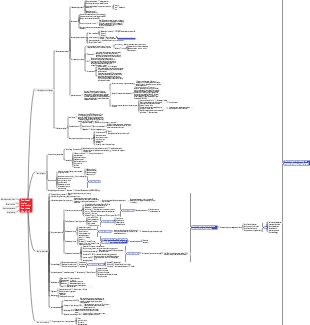
This is a mind map about "A Book See Through the Equity Structure", which mainly includes: equity inheritance, equity incentives, equity financing, structural restructuring, underlying architecture, main structure, and top-level architecture.
Edited at 2025-01-24 21:33:07Rumi: 10 dimensions of spiritual awakening. When you stop looking for yourself, you will find the entire universe because what you are looking for is also looking for you. Anything you do persevere every day can open a door to the depths of your spirit. In silence, I slipped into the secret realm, and I enjoyed everything to observe the magic around me, and didn't make any noise. Why do you like to crawl when you are born with wings? The soul has its own ears and can hear things that the mind cannot understand. Seek inward for the answer to everything, everything in the universe is in you. Lovers do not end up meeting somewhere, and there is no parting in this world. A wound is where light enters your heart.
Chronic heart failure is not just a problem of the speed of heart rate! It is caused by the decrease in myocardial contraction and diastolic function, which leads to insufficient cardiac output, which in turn causes congestion in the pulmonary circulation and congestion in the systemic circulation. From causes, inducement to compensation mechanisms, the pathophysiological processes of heart failure are complex and diverse. By controlling edema, reducing the heart's front and afterload, improving cardiac comfort function, and preventing and treating basic causes, we can effectively respond to this challenge. Only by understanding the mechanisms and clinical manifestations of heart failure and mastering prevention and treatment strategies can we better protect heart health.
Ischemia-reperfusion injury is a phenomenon that cellular function and metabolic disorders and structural damage will worsen after organs or tissues restore blood supply. Its main mechanisms include increased free radical generation, calcium overload, and the role of microvascular and leukocytes. The heart and brain are common damaged organs, manifested as changes in myocardial metabolism and ultrastructural changes, decreased cardiac function, etc. Prevention and control measures include removing free radicals, reducing calcium overload, improving metabolism and controlling reperfusion conditions, such as low sodium, low temperature, low pressure, etc. Understanding these mechanisms can help develop effective treatment options and alleviate ischemic injury.
Rumi: 10 dimensions of spiritual awakening. When you stop looking for yourself, you will find the entire universe because what you are looking for is also looking for you. Anything you do persevere every day can open a door to the depths of your spirit. In silence, I slipped into the secret realm, and I enjoyed everything to observe the magic around me, and didn't make any noise. Why do you like to crawl when you are born with wings? The soul has its own ears and can hear things that the mind cannot understand. Seek inward for the answer to everything, everything in the universe is in you. Lovers do not end up meeting somewhere, and there is no parting in this world. A wound is where light enters your heart.
Chronic heart failure is not just a problem of the speed of heart rate! It is caused by the decrease in myocardial contraction and diastolic function, which leads to insufficient cardiac output, which in turn causes congestion in the pulmonary circulation and congestion in the systemic circulation. From causes, inducement to compensation mechanisms, the pathophysiological processes of heart failure are complex and diverse. By controlling edema, reducing the heart's front and afterload, improving cardiac comfort function, and preventing and treating basic causes, we can effectively respond to this challenge. Only by understanding the mechanisms and clinical manifestations of heart failure and mastering prevention and treatment strategies can we better protect heart health.
Ischemia-reperfusion injury is a phenomenon that cellular function and metabolic disorders and structural damage will worsen after organs or tissues restore blood supply. Its main mechanisms include increased free radical generation, calcium overload, and the role of microvascular and leukocytes. The heart and brain are common damaged organs, manifested as changes in myocardial metabolism and ultrastructural changes, decreased cardiac function, etc. Prevention and control measures include removing free radicals, reducing calcium overload, improving metabolism and controlling reperfusion conditions, such as low sodium, low temperature, low pressure, etc. Understanding these mechanisms can help develop effective treatment options and alleviate ischemic injury.
"A book sees through the equity structure"
Top-level architecture
Decode 24 core shareholding ratios: Detailed introduction to the various core shareholding ratios and corresponding rights of limited liability companies, non-public joint-stock companies, New Third Board companies, and listed companies. For example, in a limited liability company, 34% of shareholder trouble lines can give shareholders 7 trouble lines, including amending the company's articles of association; 51% is the absolute controlling line, but not 67% still have 7 major matters that cannot be independently decided; 67% is perfect Control line, etc. It also includes the specific regulations and roles of foreign investment benefits, major impact lines, application dissolution lines, etc. in different company types.
7 methods of sharing shares but not separating power: In-depth analysis of the concepts, cases and key points of seven methods such as limited partnership, pyramid structure, joint actors, entrusted voting rights, company articles of association control, preferred shares, and AB shares. It will show its application in practice with cases such as the distribution of rights and obligations between general partners and limited partners in a limited partnership, the hierarchical control of the pyramid structure and tax advantages, etc.
The "Tao" and "Technique" of the stock split: through independent new media, No. 1 store, real kung fu and other cases, explain the principles of good balance, knowing depth, and controlling human nature that stock splits should follow, as well as the vesting system, controlling the pace of stock splits, Avoid allocation of minefields and other methods. For example, when dividing shares, the interests of shareholders should be balanced, the equity allocation ratio should be reasonably determined according to the company's development stage, and human factors should be considered to avoid internal conflicts caused by equity allocation.
Main structure
Limited partnership structure: In addition to the Ant Financial case, it also lists cases of other similar companies, and analyzes the key points of the limited partnership structure in actual operation in detail, such as the rights and obligations of general partners and limited partners, taxes and registration of partnerships and the applicability of this architecture in different types of enterprises and different stages of development. For example, for founders and shareholders with extremely high separation of money and power, financial investors with short-term cash withdrawal intentions, and employee stock ownership platforms, the limited partnership structure has unique advantages.
Natural person direct structure: Based on Mingjia Technology's case, add cases of other natural person direct structure enterprises to further compare and analyze their advantages, such as rapid decision-making, clear equity, direct incentives, etc., as well as shortcomings, such as unlimited risks, difficult financing, Control is easily dispersed, etc. At the same time, the applicability and possible challenges faced by natural persons under different industries and enterprise scales are also discussed.
Underlying architecture
Domestic structure: Using a large number of real cases, such as Bull Group, Three Squirrels, etc., elaborate on the equity structure design and tax treatment of the company in various stages such as establishment, expansion, contraction, listing, and integration, including the tax burden of different business models. Influence, tax treatment of asset investment, tax risks of equity financing, tax planning of mergers and acquisitions, etc. It also introduces the tax preferential policies and their impact on equity structure in different regions in the country, as well as how to use these policies for reasonable tax planning.
Overseas architecture: A detailed introduction to the types of overseas architectures, such as pure foreign investment architecture, return investment architecture, foreign direct investment architecture, etc., as well as the characteristics of various architectures, tax treatment and related cases. At the same time, the application and risks of overseas structures in cross-border investment, overseas listing, international mergers and acquisitions were analyzed, and the impact of laws and tax policies in different countries and regions on overseas structures was also discussed, such as listing requirements and taxation in the United States, Hong Kong and other places. Policy, etc.
Architecture reorganization
Expansion and restructuring: Detailed introduction to the commonly used equity restructuring methods of the company during the expansion process, such as capital increase and share expansion, equity financing, mergers and acquisitions, etc., including the operation process of each method, tax processing, accounting, and application in actual cases and Risk prevention. The strategic choices of enterprises in expansion and restructuring in different industries and sizes were also analyzed. For example, Internet companies may prefer equity financing, while traditional manufacturing companies may pay more attention to mergers and acquisitions and restructuring.
Retracting and reorganization: covers the equity reorganization methods that companies may adopt during the contraction process, such as asset sales, asset acquisitions, equity exits, shareholder exits, etc., and analyzes the applicable scenarios of each method, key points of tax planning, legal risk prevention, and related cases. Lessons learned in. The impact of contraction and restructuring on the company's strategic adjustment and business transformation was also discussed. For example, through contraction and restructuring, the company's business structure can be optimized and resources can be concentrated to develop core businesses, etc.
Equity Financing
Equity structure design before financing: In-depth discussion on how to optimize the equity structure based on the company's development strategy, business model, industry competition and other factors before financing to attract investors, while protecting the founder's control and the interests of the company. Including the rationality assessment of the equity structure, the balance of shareholders' equity, and the improvement of corporate governance structure, the requirements of different types of investors for equity structure are also analyzed. For example, venture capital institutions may value the company's control and exit mechanism more, and Strategic investors may pay more attention to the company's business synergy and long-term development.
Equity dilution and control protection in the financing process: analyze the risks of equity dilution in the financing process through a large number of actual cases, and how to arrange through reasonable equity structure design and agreements, such as anti-dilution clauses, priority subscription rights, one-vote veto rights, etc. , protects the founder's control and the company's core interests. The key points and strategies for protecting control rights in different financing stages were also discussed. For example, in the early financing stage, founders can maintain absolute control over the company by setting special voting rights, and in the later financing stage, more attention should be paid to balancing investors. and the company's development needs.
Equity structure adjustments at different financing stages: Detailed introduction to the common adjustment methods and strategies of the company's equity structure in different financing stages such as seed rounds, angel rounds, rounds A rounds, and B rounds, as well as how to timely according to the company's development situation and changes in the market environment Adjust the equity structure to meet the company's financing needs and strategic goals. The concerns and impacts on equity structure of investors at different financing stages are also analyzed. For example, seed round investors may pay more attention to the founder’s team and project innovation, while A round investors pay more attention to the company’s business model and market. Prospects, etc.
Equity incentives
Selection of equity incentive model: A comprehensive introduction to the characteristics, application situation, advantages and disadvantages of various equity incentive models such as stock options, restricted stocks, employee stock ownership plans, and virtual equity, as well as their application and effectiveness evaluation in actual cases. It also analyzes the selection strategies of enterprises in different industries and development stages for equity incentive models. For example, high-tech enterprises may prefer stock options and restricted stocks, while traditional service enterprises may be more suitable for employee stock ownership plans.
Equity sources for equity incentives: In-depth discussion on the pros and cons and operational points of obtaining equity incentive equity through reserved equity, transfer of major shareholders, capital increase and expansion, repurchase of shares, and how to choose a suitable equity source based on the actual situation of the company. The impact of different equity sources on the company's equity structure and financial status was also analyzed, such as reserved equity may dilute the rights and interests of existing shareholders, while transfers of major shareholders may affect the control of major shareholders, etc.
Assessment and management of equity incentives: A detailed explanation of the setting of assessment indicators, exercise conditions, exit mechanisms and other contents of equity incentives, as well as how to ensure the effectiveness and sustainability of equity incentives through scientific and reasonable assessment and management. The key points and difficulties of equity incentive assessment and management of different types of enterprises were also analyzed. For example, for sales-oriented enterprises, the assessment indicators may focus more on performance growth and market share, while for R&D enterprises, they may focus more on technological innovation and product R&D progress. wait.
Equity inheritance
Equity inheritance planning of family enterprises: Based on the characteristics of family enterprises, analyze the problems faced in the inheritance process, such as conflicts of interest between family members, competition for control, optimization of corporate governance structure, etc., and how to design through a reasonable equity structure and family governance mechanism to achieve a stable inheritance of family businesses. It also introduces successful cases and lessons about the inheritance of equity of family companies, such as the family inheritance model of Midea Group.
The equity inheritance arrangements for non-family enterprises: Introduce the equity inheritance methods and precautions of non-family enterprises in the case of the founder’s retirement, resignation, death, etc., such as equity repurchase, equity transfer, will inheritance, etc., and how to use advance planning and agreement Arrangements to ensure the stable development of the company and the protection of shareholders' rights and interests. The legal risks and tax planning in the inheritance of equity of non-family enterprises, such as the legal disputes and tax burdens that may be faced by testamentary inheritance.
Tax planning for equity inheritance: In-depth analysis of tax issues in the equity inheritance process, such as inheritance tax, gift tax, equity transfer income tax, etc., and how to reduce tax costs and risks through reasonable tax planning methods. The differences and response strategies for equity inheritance tax policies and counterparts in different countries and regions are also introduced, such as the United States has a higher inheritance tax, while Singapore has certain tax incentives for the inheritance of family businesses.