MindMap Gallery Intimate Relationships and Emotional Dependence Recognize attachment style, get out of emotional dilemma, and reorganize intimacy
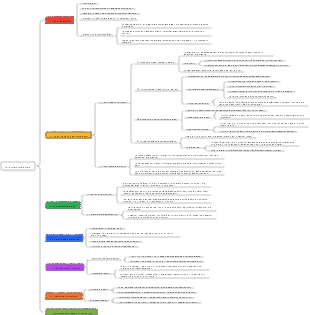
This is a mind map about "Intimate Relationship and Emotional Dependence: Recognizing attachment style, getting out of emotional dilemma, and reorganizing intimate relationships". The main contents include: the practice rules of safe intimate relationships, conflicts between attachment styles, and intimate relationships. Treasure Box: Decrypting Attachment Style, Introduction: Frontier Science of Adult Attachment.
Edited at 2025-01-15 16:30:05Rumi: 10 dimensions of spiritual awakening. When you stop looking for yourself, you will find the entire universe because what you are looking for is also looking for you. Anything you do persevere every day can open a door to the depths of your spirit. In silence, I slipped into the secret realm, and I enjoyed everything to observe the magic around me, and didn't make any noise. Why do you like to crawl when you are born with wings? The soul has its own ears and can hear things that the mind cannot understand. Seek inward for the answer to everything, everything in the universe is in you. Lovers do not end up meeting somewhere, and there is no parting in this world. A wound is where light enters your heart.
Chronic heart failure is not just a problem of the speed of heart rate! It is caused by the decrease in myocardial contraction and diastolic function, which leads to insufficient cardiac output, which in turn causes congestion in the pulmonary circulation and congestion in the systemic circulation. From causes, inducement to compensation mechanisms, the pathophysiological processes of heart failure are complex and diverse. By controlling edema, reducing the heart's front and afterload, improving cardiac comfort function, and preventing and treating basic causes, we can effectively respond to this challenge. Only by understanding the mechanisms and clinical manifestations of heart failure and mastering prevention and treatment strategies can we better protect heart health.
Ischemia-reperfusion injury is a phenomenon that cellular function and metabolic disorders and structural damage will worsen after organs or tissues restore blood supply. Its main mechanisms include increased free radical generation, calcium overload, and the role of microvascular and leukocytes. The heart and brain are common damaged organs, manifested as changes in myocardial metabolism and ultrastructural changes, decreased cardiac function, etc. Prevention and control measures include removing free radicals, reducing calcium overload, improving metabolism and controlling reperfusion conditions, such as low sodium, low temperature, low pressure, etc. Understanding these mechanisms can help develop effective treatment options and alleviate ischemic injury.
Rumi: 10 dimensions of spiritual awakening. When you stop looking for yourself, you will find the entire universe because what you are looking for is also looking for you. Anything you do persevere every day can open a door to the depths of your spirit. In silence, I slipped into the secret realm, and I enjoyed everything to observe the magic around me, and didn't make any noise. Why do you like to crawl when you are born with wings? The soul has its own ears and can hear things that the mind cannot understand. Seek inward for the answer to everything, everything in the universe is in you. Lovers do not end up meeting somewhere, and there is no parting in this world. A wound is where light enters your heart.
Chronic heart failure is not just a problem of the speed of heart rate! It is caused by the decrease in myocardial contraction and diastolic function, which leads to insufficient cardiac output, which in turn causes congestion in the pulmonary circulation and congestion in the systemic circulation. From causes, inducement to compensation mechanisms, the pathophysiological processes of heart failure are complex and diverse. By controlling edema, reducing the heart's front and afterload, improving cardiac comfort function, and preventing and treating basic causes, we can effectively respond to this challenge. Only by understanding the mechanisms and clinical manifestations of heart failure and mastering prevention and treatment strategies can we better protect heart health.
Ischemia-reperfusion injury is a phenomenon that cellular function and metabolic disorders and structural damage will worsen after organs or tissues restore blood supply. Its main mechanisms include increased free radical generation, calcium overload, and the role of microvascular and leukocytes. The heart and brain are common damaged organs, manifested as changes in myocardial metabolism and ultrastructural changes, decreased cardiac function, etc. Prevention and control measures include removing free radicals, reducing calcium overload, improving metabolism and controlling reperfusion conditions, such as low sodium, low temperature, low pressure, etc. Understanding these mechanisms can help develop effective treatment options and alleviate ischemic injury.
"Intimate Relationships and Emotional Dependence: Recognize attachment style, get out of emotional dilemma, and reorganize intimacy"
Introduction: Frontier Science of Adult Attachment
Theory of Attachment
Definition and Origin: Attachment is a deep, lasting emotional connection that an individual establishes with important others in the course of life, originating from the baby’s basic need for survival and security, as well as the instinctive desire for intimacy. Bowlby's attachment theory emphasizes that infants form internal working models of interpersonal relationships through interactions with their primary caregivers, which affect their emotional development throughout their lives.
Adult attachment style classification: People with safe attachments are confident and trust their partners in intimate relationships, able to express emotions and needs freely, and respect the other person's independent space; people with anxious attachments have a strong desire for intimate relationships, but often lack them. A sense of security, worrying about being abandoned by a partner, and being very sensitive to the partner's behavior and emotional changes; people with avoidant attachments are avoidant about intimate relationships, fearing dependence and being dependent, and tending to maintain independence and self-control.
The formation of attachment style
Impact of early childhood experiences: Parental parenting plays a key role in the formation of attachment styles. If parents can respond to the baby's needs in a timely and sensitive manner and give enough care and support, the baby will be more likely to develop a safe attachment. Conversely, if parents ignore, be apathetic, or inconsistent with their needs for the baby, it may lead to the formation of anxiety-type or avoidance-type attachment.
The role of family environment and parent-child relationship: the stability of the family atmosphere, the relationship between parents, and major events in the family will also affect the attachment style. In a harmonious and stable family environment, children are more likely to establish safe attachment relationships; while poor family environments such as family conflicts and parental divorce may increase the risk of children forming unsafe attachments.
Intimate Relationship Treasure Box: Decrypting Attachment Style
Determine your attachment style
Self-assessment method: Make preliminary judgments by recalling one’s behaviors, emotional reactions and thinking patterns in past intimate relationships. For example, how do you feel when your partner is not around? Is it easy to worry about being abandoned? What is your way of dealing with conflicts?
Introduction to evaluation tools: A detailed introduction to some commonly used evaluation tools, such as adult attachment interviews, intimate relationship experience scales, etc. These tools can help readers identify their attachment style more accurately, but it should be noted that the evaluation results are for reference only and cannot fully define a person.
Revealing the attachment style of the other half
Key points of observing behavior: In daily life, pay attention to observing your partner's behavior and reactions when facing situations such as stress, conflict, and intimate interaction. For example, when encountering difficulties, does a partner tend to ask for help from himself or solve it alone? During intimate contact, is the partner’s attitude proactive or avoided?
Through communication, understand: communicate honestly with your partner and ask the other person’s views, feelings and needs for intimacy. In communication, you should pay attention to listening to the other person's words and tone, as well as non-verbal signals, such as expressions, body movements, etc., so as to better understand the other person's attachment tendency.
Three attachment styles in daily life
Security attachment: This type of person is warm, confident and stable in intimate relationships. They can enjoy intimate behavior, trust their partners, and believe that they are worthy of being loved. When facing problems, they are proactive in communicating with their partners, seeking solutions, and being able to understand and respect their partners’ feelings and needs.
Anxiety Attachment: People with anxiety attachment are full of desire for intimacy but often lack a sense of security. They may be overly dependent on their partners and are very sensitive to their partners' behavior and emotional changes, and are prone to anxiety and uneasy emotions. In close relationships, they may often actively seek their partner’s attention and confirmation and have high expectations for their partner’s response.
Avoidance Attachment: People with avoidant attachments are avoidant about intimacy, they are afraid of dependence and being dependent and tend to remain independent and self-control. In close relationships, they may avoid excessive emotional expression and intimate contact and are more indifferent to their partner’s needs and emotional responses. When they encounter problems, they tend to solve them alone rather than communicate and share with their partners.
The conflict between attachment styles
Anxiety - Avoidance Trap
Conflict manifestations: Anxiety-type attachment people desire intimacy and attention, and will constantly seek emotional responses and support from their avoidant-type attachment partners; while avoidant-type attachment people feel stressed and uncomfortable with this excessive intimacy need. Therefore, adopt an avoidant attitude. This difference leads to frequent conflicts and conflicts between the two parties in close relationships. For example, the anxious type will feel ignored and neglected, while the avoidant type will feel bound and suppressed.
Cause of conflict: The root of conflict lies in the different needs and cognitive differences between the two parties for intimacy. People with anxiety-based attachment regard intimacy as an important way to gain a sense of security and satisfy their emotional needs, while people with avoidant attachment value personal independence and autonomy more. This difference makes it difficult for both parties to understand and meet each other's needs during interaction, which leads to conflict.
When anxiety-avoidance partners conflict becomes the norm
Common conflict scenarios: In terms of communication, anxiety-type people may express their needs and dissatisfaction too directly and emotionally, while avoidant people may adopt silent or avoidant methods, resulting in poor communication and deepening misunderstandings; During the decision-making process, anxiety-type people may want to discuss and make decisions with their partners, while avoidant people may be more inclined to make decisions alone, which can easily lead to conflict; in terms of emotional expression, anxiety-type people may want to Get more emotional responses and close contact, while avoidant people may feel uncomfortable and resist.
Impact on intimate relationships: Long-term conflicts can have serious negative effects on intimate relationships, such as emotional alienation, impaired trust, and decreased relationship satisfaction. Both sides may gradually lose confidence and patience in each other, causing the relationship to fall into a deadlock or even breakdown.
Anxiety – How to escape a trap with avoidant partners
Understand the other’s attachment needs: Both parties need to try to understand the other’s attachment needs and behavioral patterns from the other’s perspective. Anxiety people should realize that avoidant people avoid intimate relationships not because they do not love themselves, but because of their pursuit of independence and autonomy; avoidant people should understand the anxious people's desire for intimate relationships. and the need for a sense of security.
Adjust your behavior and reactions: Anxiety people can try to control their emotions and needs, giving avoidant partners more space and time; avoidant people can try to gradually open their hearts and increase their anxiety partners emotional communication and intimate contact. At the same time, both parties need to learn effective communication skills and conflict resolution methods to improve their interaction patterns.
The practice rules of safe and intimate relationships
Effective communication: Let information flow
The importance of establishing a good communication model: Good communication is the cornerstone of the healthy development of intimate relationships, and it can promote emotional understanding between both parties, solve problems, and enhance intimacy. Through communication, both parties can better understand each other's needs, feelings and ideas, avoid misunderstandings and speculations, and thus establish a deeper and more stable intimate relationship.
Skills of listening and expression: Listening is one of the key links of effective communication. You must learn to listen to the other person's words attentively, understand the other person's emotions and intentions, and do not interrupt or rush to explain. When expressing your thoughts and feelings, be clear, concise and sincere, and avoid blame, criticism and complaints. At the same time, pay attention to using appropriate verbal and non-verbal signals, such as eye communication, body movements, etc., to enhance the effect of communication.
Application of non-violent communication: A detailed introduction to the four elements of non-violent communication, namely observation, feeling, need, and request. In communication, first, you must objectively describe the observed facts rather than subjectively evaluate or blame them; then express your feelings to let the other party understand their emotional state; then express your needs, that is, the inner world that leads to this feeling Requirements; finally make a specific request and hope that the other party will take action. Through non-violent communication, the escalation of conflict can be avoided and the understanding and trust of both parties can be enhanced.
Problem resolution: Five security rules for resolving conflicts
Calm your emotions and avoid emotional reactions: When facing conflicts, the first thing you need to do is to calm your emotions and avoid making wrong reactions when you are emotionally excited. You can relieve your emotions by taking deep breaths, temporarily leaving the scene of the conflict, etc., so that you can think and deal with problems more rationally.
Clarify the problems and avoid criticism and criticism: Both sides should work together to clarify what the core issue of the conflict is, rather than criticizing and criticizing each other. Focus on the problem itself rather than the other party’s personal qualities or behaviors, so that it is more conducive to finding a solution to the problem.
Find common interests, seek compromise and consensus: In the process of resolving conflicts, we must find the common interests and goals of both parties and seek compromise and consensus. Both parties can try to think about the problem from the other party's perspective, understand the other party's position and needs, and then jointly find a solution that can meet the needs of both parties.
Respect the other person's views and feelings: Respect the other person's views and feelings, and do not try to forcefully change the other person's thoughts or behaviors. Everyone has their own unique experience and cognitive style, accept the differences between the other party, and communicate and negotiate on the basis of respect.
Learn to apologize and forgive: In an intimate relationship, mistakes and injuries are inevitable. Learning to apologize and forgive is an important part of restoring the relationship. When you make a mistake, you must be brave enough to admit your mistakes and apologize to the other party; when you make a mistake, you must learn to be tolerant and forgive, and don’t be upset all the time. Apology and forgiveness can help both parties resolve conflicts and rebuild trust and intimacy.
Develop personal interests and independence
Maintain a sense of self-worth and self-confidence: Believe in your own value and ability, and don’t place all your value on intimate relationships. By developing your interests and hobbies, pursuing personal goals and achievements, constantly improving your sense of self-worth and self-confidence, so that you can make yourself more independent and confident in intimate relationships.
Develop personal interests and hobbies and social circles: Encourage readers to develop their personal interests and hobbies, participate in various social activities, and expand their social circles. This can enrich your life, reduce excessive dependence on your partner, and also give you more opportunities to make new friends and broaden your horizons and ways of thinking.
Avoid over-dependence on your partner: In close relationships, you should maintain a certain degree of independence and avoid over-dependence on your partner. You must have your own living space and personal time, and be able to handle your own problems and emotions independently. Excessive dependence on your partner will put pressure on the other party and will also affect your personal growth and development.
Building healthy close relationships
Cultivate trust and mutual support: Trust is one of the core elements of intimate relationships. We must build each other's trust through consistent words and deeds, honesty and trustworthiness. In daily life, you should respect the other person's privacy and personal space, and do not easily doubt or suspect the other person. At the same time, we should provide timely care and encouragement when the other party needs help and support, and face the difficulties and challenges in life together.
Share the joys and difficulties in life: share the joys and difficulties in life with your partner, and experience the joys and sorrows of life together. Through sharing, we can enhance each other's emotional connection and let the other party feel their concern and care. When sharing difficulties, we must support and encourage each other and find ways to solve problems together.
Together to formulate goals and plans: Both parties can jointly formulate some short-term and long-term goals and plans, such as tourism plans, career development plans, family building goals, etc. Common goals and plans can inject momentum and direction into intimacy, give both sides more common topics and goals, and enhance each other's cohesion and sense of belonging.
Maintain harmony and satisfaction of sexual life: Sex life is an indispensable part of intimate relationships, and we must pay attention to the importance of sex in intimate relationships. Both parties should communicate their sexual needs and preferences frankly, respect each other's feelings and wishes, explore and try new sexual methods and techniques together, and maintain harmony and satisfaction of sexual life.