MindMap Gallery ESTJ (General Manager-type personality)
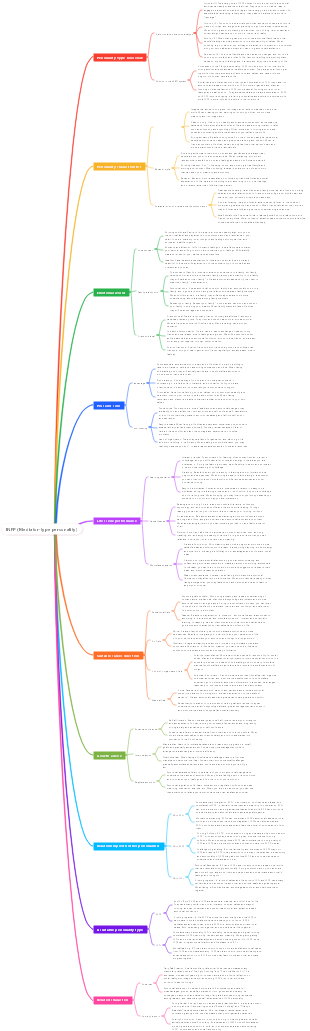
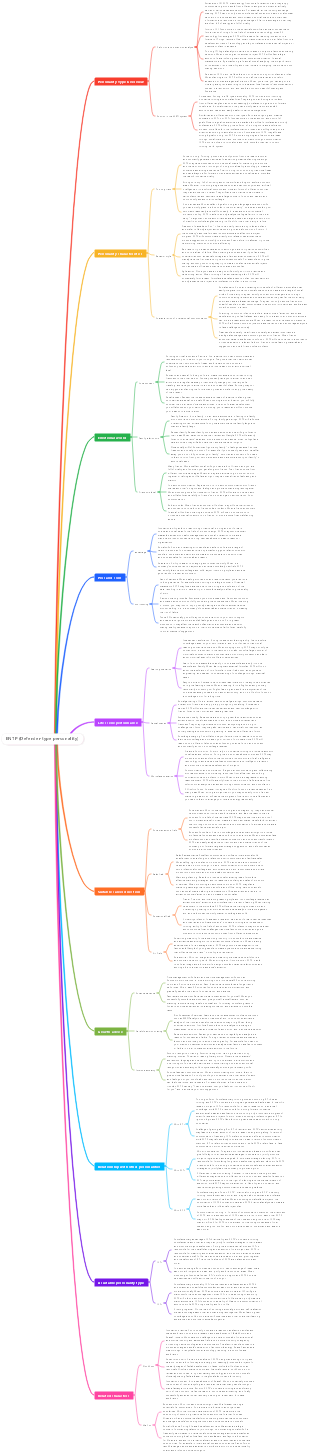
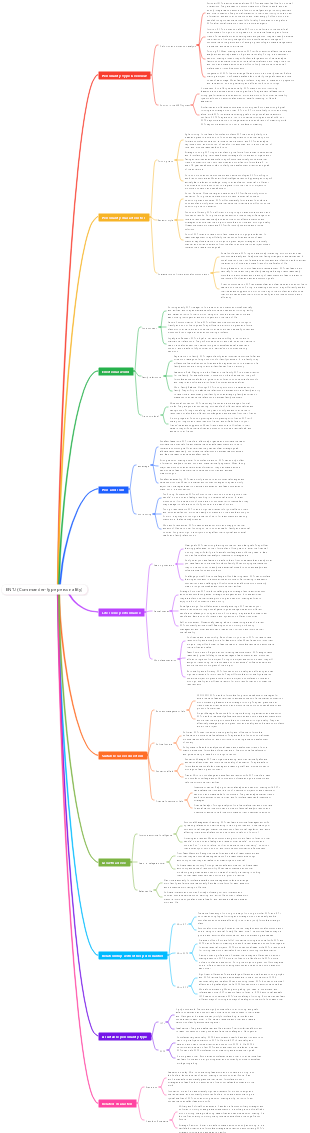
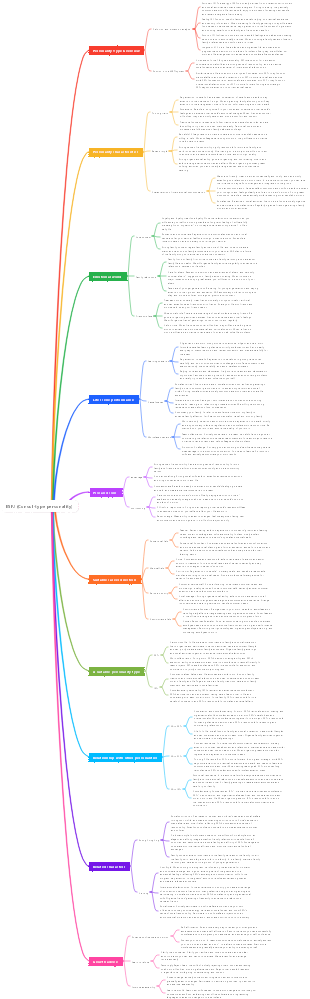
This is a mind map about ESTJ (general manager-type personality), the main contents include: growth suggestions, related characters, personality types suitable for being together, relationships with other personalities, suitable career directions, life scene performance, and excellent Disadvantages, emotional world, personality traits, personality types overview.
Edited at 2025-02-13 10:51:57Rumi: 10 dimensions of spiritual awakening. When you stop looking for yourself, you will find the entire universe because what you are looking for is also looking for you. Anything you do persevere every day can open a door to the depths of your spirit. In silence, I slipped into the secret realm, and I enjoyed everything to observe the magic around me, and didn't make any noise. Why do you like to crawl when you are born with wings? The soul has its own ears and can hear things that the mind cannot understand. Seek inward for the answer to everything, everything in the universe is in you. Lovers do not end up meeting somewhere, and there is no parting in this world. A wound is where light enters your heart.
Chronic heart failure is not just a problem of the speed of heart rate! It is caused by the decrease in myocardial contraction and diastolic function, which leads to insufficient cardiac output, which in turn causes congestion in the pulmonary circulation and congestion in the systemic circulation. From causes, inducement to compensation mechanisms, the pathophysiological processes of heart failure are complex and diverse. By controlling edema, reducing the heart's front and afterload, improving cardiac comfort function, and preventing and treating basic causes, we can effectively respond to this challenge. Only by understanding the mechanisms and clinical manifestations of heart failure and mastering prevention and treatment strategies can we better protect heart health.
Ischemia-reperfusion injury is a phenomenon that cellular function and metabolic disorders and structural damage will worsen after organs or tissues restore blood supply. Its main mechanisms include increased free radical generation, calcium overload, and the role of microvascular and leukocytes. The heart and brain are common damaged organs, manifested as changes in myocardial metabolism and ultrastructural changes, decreased cardiac function, etc. Prevention and control measures include removing free radicals, reducing calcium overload, improving metabolism and controlling reperfusion conditions, such as low sodium, low temperature, low pressure, etc. Understanding these mechanisms can help develop effective treatment options and alleviate ischemic injury.
Rumi: 10 dimensions of spiritual awakening. When you stop looking for yourself, you will find the entire universe because what you are looking for is also looking for you. Anything you do persevere every day can open a door to the depths of your spirit. In silence, I slipped into the secret realm, and I enjoyed everything to observe the magic around me, and didn't make any noise. Why do you like to crawl when you are born with wings? The soul has its own ears and can hear things that the mind cannot understand. Seek inward for the answer to everything, everything in the universe is in you. Lovers do not end up meeting somewhere, and there is no parting in this world. A wound is where light enters your heart.
Chronic heart failure is not just a problem of the speed of heart rate! It is caused by the decrease in myocardial contraction and diastolic function, which leads to insufficient cardiac output, which in turn causes congestion in the pulmonary circulation and congestion in the systemic circulation. From causes, inducement to compensation mechanisms, the pathophysiological processes of heart failure are complex and diverse. By controlling edema, reducing the heart's front and afterload, improving cardiac comfort function, and preventing and treating basic causes, we can effectively respond to this challenge. Only by understanding the mechanisms and clinical manifestations of heart failure and mastering prevention and treatment strategies can we better protect heart health.
Ischemia-reperfusion injury is a phenomenon that cellular function and metabolic disorders and structural damage will worsen after organs or tissues restore blood supply. Its main mechanisms include increased free radical generation, calcium overload, and the role of microvascular and leukocytes. The heart and brain are common damaged organs, manifested as changes in myocardial metabolism and ultrastructural changes, decreased cardiac function, etc. Prevention and control measures include removing free radicals, reducing calcium overload, improving metabolism and controlling reperfusion conditions, such as low sodium, low temperature, low pressure, etc. Understanding these mechanisms can help develop effective treatment options and alleviate ischemic injury.
ESTJ (General Manager-type personality)
Personality Type Overview
Definition and dimension analysis
Extraversion (E): The energy core of ESTJ comes from interaction with the outside world. For them, social activities are not only a way to expand their connections, but also a source of energy absorption. At the lively industry seminars, they actively communicate with their peers, share their own opinions, and get new inspiration from others' perspectives. After the meeting, they can still maintain a lot of energy and devote themselves to follow-up work.
Feeling (S): They are highly dependent on specific facts and details. When dealing with affairs, their past practical experience and current sensory information are important basis. For example, when preparing for the company's annual meeting, they will refer to previous years' successful cases, from venue layout, program arrangement to catering selection, strictly control details in every link, check every data and terms provided by the supplier, and ensure the smooth progress of the annual meeting. Hold.
Thinking (T): When making decisions, pure logical analysis takes the lead. Everything is based on objective facts, pursuing the rationality and logic of the plan, and minimizing the interference of emotional factors. When companies face business transformation decisions, they will comprehensively collect market data, deeply analyze industry risks, weigh the pros and cons, and make the choices that are most in line with the interests of the company.
Judgement (J): In life, they have a persistent pursuit of planning and organization, respond quickly when facing problems, and can make quick judgments and decisions. Every morning, they will plan their work and life arrangements for the day, accurately meet the tasks of each time period, strictly follow the schedule, and strive for efficiency and order.
Position in the MBTI system
Uniqueness: Under the framework of a 16-type personality, ESTJ stands out for its courage, confidence, pragmatism and excellent organizational coordination skills. They seem to be born with the temperament of a leader, can quickly understand the situation, allocate resources reasonably, and promote various affairs toward goals. In the team, they are always the core figures focusing on efficiency and results.
Similarities and differences with other types: Compared with ENTJ, both have excellent leadership and decision-making skills, but ENTJ is more forward-looking and focuses on macro strategies and future trends; ESTJ is down-to-earth and focuses more on the present Fine management of actual transactions. Compared with ESFJ, they all attach importance to the handling of interpersonal relationships and actual affairs. However, ESFJ is better at using emotional care to unite the team, while ESTJ relies on reason and rules to maintain order.
Personality characteristics
Thinking traits
Clear logic: The logical thinking ability is powerful. When facing complex problems, you can quickly sort out a clear context. For example, when dealing with the problem of cross-departmental collaboration within the company, they will break the problem down into multiple sub-problems, from personnel responsibilities, work processes to communication mechanisms, analyze them one by one, and finally propose practical solutions to promote efficient collaboration among departments.
Focus on reality: Always pay attention to the actual situation and actual needs, and decision-making and actions are closely related to practical experience and objective facts, and there is a lack of interest in empty theoretical discussions. When formulating project budgets, they will fully consider the cost data of past projects, the current market price level and the actual resources required by the project to ensure that the budget is reasonable and operational.
Decisive decision-making: When facing problems, you can quickly weigh the pros and cons, make accurate judgments and decisions, and never drag on the stutter. When the company encounters sudden crises, such as product quality storms, they can make decisions such as recalling products and establishing crisis public relations teams as soon as possible, leading the team to actively respond and minimize losses.
Behavior style
Strong Dominance: Whether in team projects or social gatherings, they always dominate naturally, actively organize and coordinate forces from all parties to promote orderly progress. In project management, they will clearly assign tasks to each team member, regularly supervise the execution progress, promptly resolve problems, and ensure that the project is completed strictly in accordance with the plan.
Efficient execution: Have a high pursuit of efficiency. Once the goal is determined, you will quickly take action to complete the task with the fastest speed and highest quality. At work, they will use time management skills, arrange task priorities reasonably, concentrate on handling important matters, and pursue outstanding work results.
Abide by the rules: Deep in my heart, I have awe of rules and systems, and firmly believe that rules are the cornerstone of ensuring order and efficiency. At work, strictly abide by the company's rules and regulations, check in and operate on time; in life, consciously abide by social ethics and laws and regulations.
Characteristics of interpersonal communication
Intuitive and frank: When expressing your views, you are not obscure, and you are directly and clearly able to convey your thoughts and opinions clearly. During the team discussion, we will point out the problems and shortcomings in the plan without shyness, and at the same time put forward constructive improvement suggestions to promote the in-depth discussion.
Full of confidence: Full of firm confidence in one's own abilities and judgments, showing a strong aura and confidence. When facing major challenges, their confidence can infect team members, inspire everyone's fighting spirit, and overcome difficulties together.
Good at socializing: Have excellent social skills, be able to easily interact with people of different personalities and backgrounds, and build a wide network of personal connections. In business and social situations, they can quickly establish connections with potential customers and partners and expand their business channels.
Emotional world
Love concept
Traditional concept: Adhering to the traditional concept of love, treat marriage as a lifelong responsibility and commitment, and pursue stable and long-term emotional relationships. During the love stage, they will focus on whether the family background and values of both parties are in line with each other, believing that these factors are an important basis for marriage happiness.
Loyalty and reliable: Be loyal to your partner and is a trustworthy life partner. In order to create better living conditions for the family, they will work hard and assume the family's financial responsibilities and life responsibilities. In daily life, care about your partner’s needs and jointly plan your future life blueprint.
Rational and pragmatic: Always be rational in love, pay attention to the solution of practical problems, and do not over-pursuing romantic forms. They will work with their partners to develop family financial plans, arrange their living expenses reasonably, and ensure the stability of family life.
Family relationship
Family sense of responsibility: regard family as the most important responsibility, and for the happiness of family, we will do our best to create good living conditions and maintain family stability and harmony. They will work hard to increase their family income, while caring about their family's physical and mental health, and arrange regular home physical examinations, etc.
Pay attention to elders: Have deep respect for elders’ opinions and experiences, and when making decisions in family, you will seriously consider elders’ suggestions and inherit the family’s values. On major issues such as real estate purchase and children's education, we will take the initiative to discuss with our elders and listen to their valuable opinions.
Caring for family: Although emotional expression may not be delicate enough, you will care for family through practical actions. For example, prepare nutritious breakfasts for your family, and provide material support and solutions as soon as possible when your family encounters difficulties.
Friendship level
Make friends sincerely: treat friends sincerely, cherish the friendship between friends, and when friends encounter difficulties, they will lend a helping hand without hesitation. Friends have difficulty in starting a business, so they will take the initiative to provide loans or help contact investors.
Progress together: Pay great attention to the common growth with friends, and actively share your experiences and insights, and encourage friends to pursue progress. Often participate in industry training courses with friends to improve professional abilities together.
Social Circle: There are a wide range of social circles and many friends. They are good at organizing various activities between friends to enhance each other's feelings. We will regularly organize outdoor barbecue, self-driving tours and other activities to strengthen communication and interaction between friends.
Pros and cons
advantage
Strong leadership: Have excellent leadership and organizational coordination skills, be able to accurately formulate team goals, reasonably assign tasks, fully stimulate the potential of team members, lead the team to achieve goals efficiently, and play an irreplaceable core role in the team.
Decisive decision-making: When facing problems, you can quickly analyze the situation, make accurate decisions, seize fleeting opportunities, and avoid missing opportunities due to hesitation. In a market environment with fierce business competition, decisive decision-making can often enable companies to seize the market opportunity.
Heavy sense of responsibility: Have a strong sense of responsibility for work, family and friends, and always performing your duties conscientiously, which is a trustworthy support for the people around you. At work, do your best to every project; at home, take good care of your family; to your friends, do your best to do your words.
shortcoming
Too strong: Sometimes you will be too strong and stick to your own opinions too much. In teamwork or interpersonal communication, you may ignore other people's opinions and feelings, which will affect the cohesion of the team and the harmony of interpersonal relationships. During team discussions, you may be anxious to advance your own ideas and not give others the opportunity to express them fully.
Lack of flexibility: Relying on rules and plans is highly dependent, it is difficult to quickly adjust strategies when faced with sudden changes, and its adaptability is relatively weak. In a rapidly changing market environment, opportunities for innovation and development may be missed by following established plans too much.
Inadequate expression of emotions: Not very good at expressing one's emotions, and when getting along with family and friends, it may make the other person feel ignored. For example, on your partner’s birthday, you may just give a gift, but lack affectionate expression.
Life scene performance
Learning scenarios
Clear goals: The learning goals are clear and clear. You will formulate detailed and reasonable learning plans based on your own situation and future plans, and strictly implement them in accordance with the plan, and strive to pursue excellent results. For example, in order to obtain the CPA certificate, they will formulate a daily study schedule, including learning content, exercises, etc., to ensure that learning tasks are completed on time.
Pay attention to efficiency: attach great importance to learning efficiency, be good at using various time management tools and efficient learning methods, allocate learning time reasonably, and improve learning results. They will use the Pomodoro working method, concentrate on studying for a period of time, take a proper rest, and maintain concentration in their studies.
Good at summarizing: Have excellent summarizing and induction skills, be able to systematically organize the knowledge you have learned, build a complete knowledge system, and be easy to understand and remember. After studying a chapter, you will make a mind map to sort out the logical relationship between knowledge points, and deepen your understanding and mastery of knowledge.
Casual scenes
Social Activities: Be passionate about participating in various social activities, such as friends gatherings, business banquets, industry forums, etc., to expand personal resources and enrich social circles through these activities. During social activities, they actively communicate with others, share their insights and experiences, and also get new information and inspiration from others.
Outdoor sports: You will also actively participate in outdoor sports, such as playing golf, tennis, mountaineering, etc., to maintain your health and vitality through exercise. On weekends, they will ask friends to play golf together, relax during exercise, and relieve work stress.
Pay attention to current affairs: During leisure time, you will closely follow current affairs news by reading newspapers, watching news programs, browsing information websites, etc., understand social trends and industry development trends, and maintain a keen perception of the world. Every morning, I spend half an hour browsing important news at home and abroad.
Workplace scenarios
Efficient work: serious and responsible work attitude, extremely efficient, strictly abide by the company's rules and regulations, and complete all work tasks on time and with high quality. When handling daily work, work processes will be arranged reasonably to avoid delays and ensure smooth work.
Team management: Usually, they hold leadership roles in the team, and are good at reasonably allocating work tasks based on the abilities and strengths of team members, establishing an effective supervision mechanism, motivating team members to be proactive and improve the overall performance of the team. Before the project starts, we will communicate fully with team members to understand each person’s strengths and weaknesses, and develop a personalized task allocation plan.
Advantages for promotion: With excellent leadership and decision-making skills, you have obvious advantages in the promotion competition. However, during the promotion process, we need to pay more attention to the relationship with colleagues to avoid causing disgust from others because we are too strong. In teamwork, learn to listen to others' opinions and respect the efforts of team members.
Suitable career direction
Management Area
Corporate manager: With strong leadership and excellent organizational coordination skills, we can accurately formulate corporate strategies, reasonably allocate team resources, and effectively promote the sustainable development of the company. In enterprises, they are responsible for the overall planning, operation management and market expansion of the enterprise, leading the enterprise to stand out in the fierce market competition.
Project Manager: Good at formulating detailed project plans, reasonably allocating tasks, supervising the implementation process throughout the process, and ensuring that the project is completed on time and with high quality. In project management, they coordinate resources from all parties to solve various problems that arise during project implementation, and ensure the smooth progress of the project.
Financial field
Bank Manager: Have strong risk awareness and decisive decision-making ability, be able to effectively manage the bank's various businesses and teams, and ensure the stable operation of the bank. In their work in the bank, they are responsible for business expansion, risk management, customer relationship maintenance and team management, and contribute to the development of the bank.
Investment Consultant: Through in-depth market analysis and accurate grasp of customer needs, we provide customers with professional and reasonable investment advice to help customers achieve the value of wealth. With their keen insight into the market and rational analytical ability, they formulate personalized investment strategies for their clients to reduce investment risks.
Educational field
School administrator: Be able to fully manage the school's teaching, administration and other affairs, formulate scientific and reasonable school development plans, and continuously improve the school's educational quality and management level. In school management, they are responsible for the school's daily operations, faculty construction, curriculum setting and education reform, and create a good learning environment for students.
Trainer: has rich knowledge and practical experience, can systematically impart complex knowledge to students, and cultivate students' professional ability and comprehensive qualities. During the training work, they help students master knowledge and skills and improve their professional competitiveness through vivid explanations, case analysis and interactive communication.
Government field
Civil Servant (Management Position): Be able to participate in formulating policies, effectively manage public affairs, maintain social order, and serve the people wholeheartedly. In the work of government departments, they are responsible for the formulation, implementation and supervision of policies, solving social problems, and ensuring social stability and development.
Grassroots cadres: Go deep into the grassroots, understand the needs and demands of the masses, actively organize the masses to carry out various work, and promote economic development and social progress at the grassroots level. In grassroots work, they do practical things for the masses, solve problems, and promote harmony and stability at the grassroots level.
Relationship with other personalities
With ENTJ
Win-win cooperation: We all have excellent leadership skills and strategic vision. In the process of cooperation, we can jointly set ambitious goals, work together to promote the smooth progress of the project, and achieve mutual benefit and win-win results. In large-scale commercial projects, ENTJ is responsible for formulating macro-strategic planning, and ESTJ is responsible for specific execution and detailed management. The two work closely together to ensure the successful implementation of the project.
Competitive Relationship: However, there may be some competition in terms of leadership and decision-making power. Therefore, both parties need to clarify their respective division of responsibilities, give full play to their respective advantages, and avoid conflicts caused by power struggles. In the team, we will determine their respective scope of authority through consultation and work together for the team's goals.
With ESFJ
Life fit: In life, we attach great importance to family and interpersonal relationships, and our lifestyles are relatively similar, and we can understand and support each other. In the family, we share the housework, care about the life and health of our family, and maintain the harmony and happiness of our family.
Work complementarity: At work, ESFJ focuses on the maintenance of details and interpersonal relationships, while ESTJ focuses on organization and decision-making. The two complement each other and can effectively improve work efficiency. In team projects, ESFJ is responsible for handling interpersonal relationships and coordinating the interests of all parties, and ESTJ is responsible for organizing the team, formulating work plans, and jointly promoting the completion of the project.
With ISTJ
Work fit: At work, we pay attention to reality and order, can complete various tasks efficiently, and cooperate with each other. During the project execution process, the ISTJ is responsible for the execution of specific tasks, and the ESTJ is responsible for overall coordination and supervision to ensure that the project proceeds smoothly as planned.
Smooth communication: The communication methods are similar, they are both straightforward and frank, able to clearly convey your ideas and opinions, and reduce communication costs. In team communication, we can quickly reach consensus, improve work efficiency, and avoid misunderstandings and delays caused by poor communication.
A suitable personality type
ESFJ
Harmonious life: In life, we attach importance to family and interpersonal relationships, like traditional family activities and social methods, and have a highly consistent lifestyle, which can jointly create a warm and harmonious family atmosphere. In family life, participate in family gatherings, festival celebrations and other activities to enhance the relationship between family members.
Work Collaboration: At work, ESFJ's attentiveness and excellent interpersonal skills cooperate with ESTJ's leadership and decision-making skills to complete work tasks efficiently. In team work, ESFJ is responsible for handling interpersonal relationships and collecting information, while ESTJ is responsible for making decisions, organizing implementation, and jointly achieving team goals.
ISTJ
Consistent values: Values and attitudes to life are highly similar, both focus on tradition, responsibility and order, and can understand and support each other in family and work. In the family, we jointly maintain the traditional customs and order of the family, respect the elders, and care about the life and growth of our family.
Complementary abilities: ISTJ's rigor and strong execution complement ESTJ's leadership and decision-making ability, and can form a good cooperative relationship in work. In the project, ISTJ is responsible for the execution details to ensure the accurate completion of tasks, and ESTJ is responsible for leadership and decision-making, grasping the direction of the project, and jointly promoting the smooth progress of the project.
Related characters
Mrs. Thatcher
Political Achievement: In the long political career, unparalleled leadership and courageous decision-making ability have been demonstrated. During her tenure as British Prime Minister, she vigorously promoted privatization reforms, successfully lowered the inflation rate, effectively enhanced the UK's international status, and made outstanding contributions to the UK's economic development and social change.
Social impact: Her political achievements and leadership style not only had a profound impact on the UK, but also left a brilliant mark on the world political stage, becoming a brilliant example of many women pursuing their political dreams, and inspiring countless people to bravely pursue their own. ideal.
Jack Welch
Business Management: During General Electric’s (GE)’s CEO tenure, GE successfully transformed into one of the world’s most valuable companies through a series of bold reforms and innovative initiatives. He vigorously promoted the "Six Sigma" management method, significantly improved product quality and production efficiency, actively promoted GE's diversified development, and expanded the company's business areas.
Leadership style: Known for its decisive and strong leadership style, it pays great attention to efficiency and results, and dares to make drastic adjustments to poor-performing businesses and employees. Through large-scale business restructuring and personnel optimization, the company's competitiveness has been effectively enhanced.
Growth advice
Improve emotional management skills
Emotional awareness: ESTJ is accustomed to making quick decisions and actions, and sometimes ignores his own emotional state. It is recommended to take 15-30 minutes a day to review your emotions, review your emotional reactions in work and life that day, and analyze the causes of emotions. For example, when you are angry at a team meeting, you are angry because you think that you are authoritative. The challenge is that there are indeed loopholes in the solution.
Emotional regulation skills: When you realize that negative emotions are about to break out, learn to calm yourself down by taking deep breaths, meditation, and temporarily leaving the scene. For example, when having a fierce argument with colleagues, take a deep breath for 10 seconds first, relieve your emotions before continuing to communicate to avoid hurting interpersonal relationships due to emotional out of control.
Cultivate innovative thinking
Contact with diversified information: ESTJs usually rely on past experience and are prone to forming fixed thinking patterns. Schedule a specific time every week to read books and articles from different fields, participate in lectures and seminars outside the industry, and broaden the boundaries of knowledge. For example, ESTJs in the financial industry can read books in the fields of technology and art to understand innovative ideas and methods across industries.
Encourage brainstorming: Take the initiative to launch brainstorming activities within the team or in daily communication, do not rush to deny other people's ideas, encourage team members to freely propose creativity and opinions, and stimulate innovative thinking. When discussing the project plan, set a 15-20 minute free speech time, everyone can speak freely, and then conduct rational analysis and screening.
Strengthen personalized care for team members
Understanding member needs: ESTJ focuses on task completion and may ignore the individual needs of team members. Regularly communicate one-on-one with team members to understand their career development goals, difficulties at work, and living conditions, and provide personalized support and guidance according to the different needs of members. For example, learn that a member wants to improve project management capabilities, provide them with relevant training opportunities or arrange for participation in important projects.
Recognition and motivation: Timely discover the strengths and achievements of team members and give sincere recognition and motivation. In addition to material rewards, members can also be enhanced through public praise and writing thank you letters, etc. At the team weekly meeting, 5-10 minutes are set aside to praise the members who performed well this week.