MindMap Gallery ESFJ (Consul-type personality)
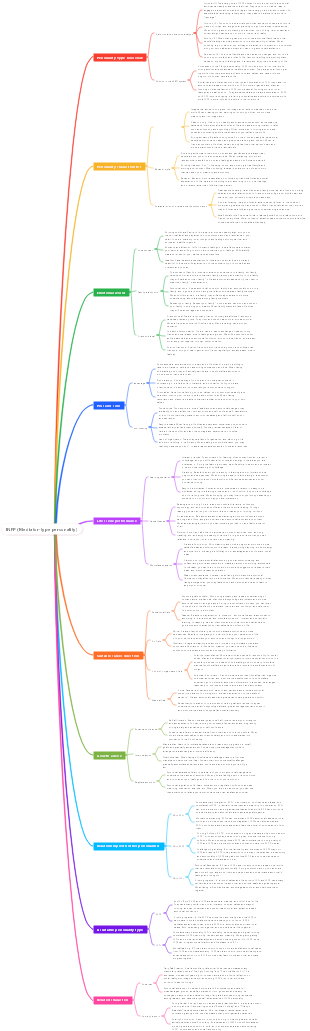
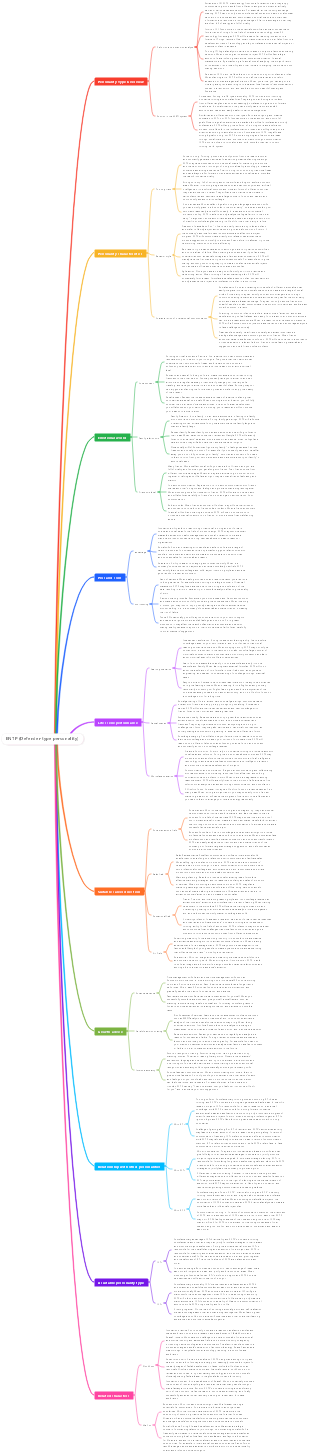
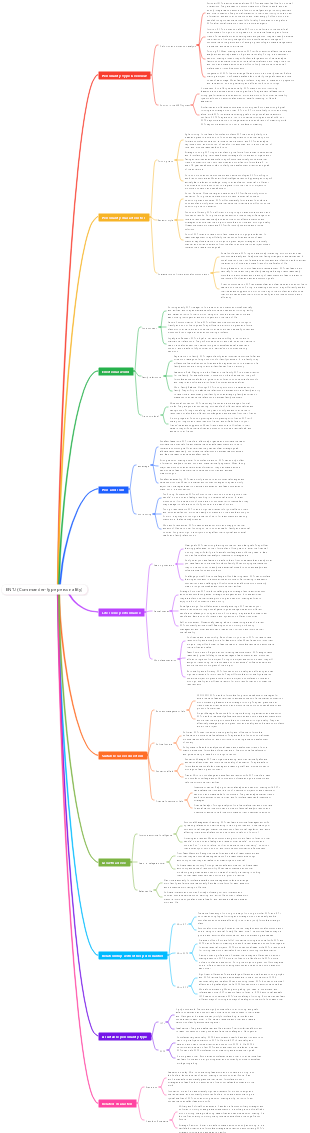
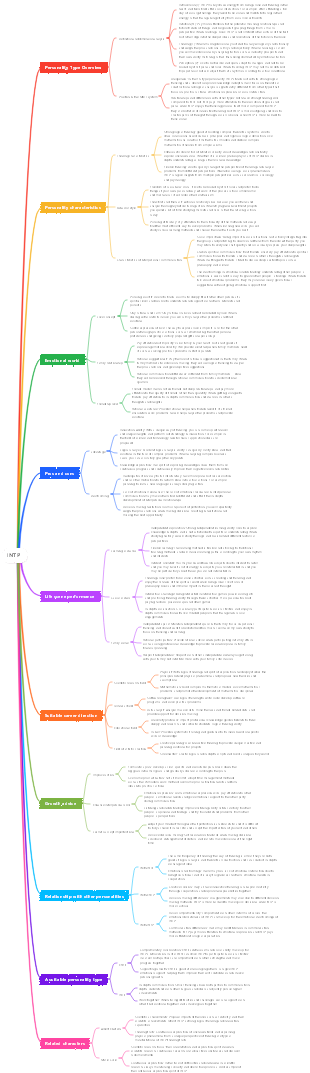
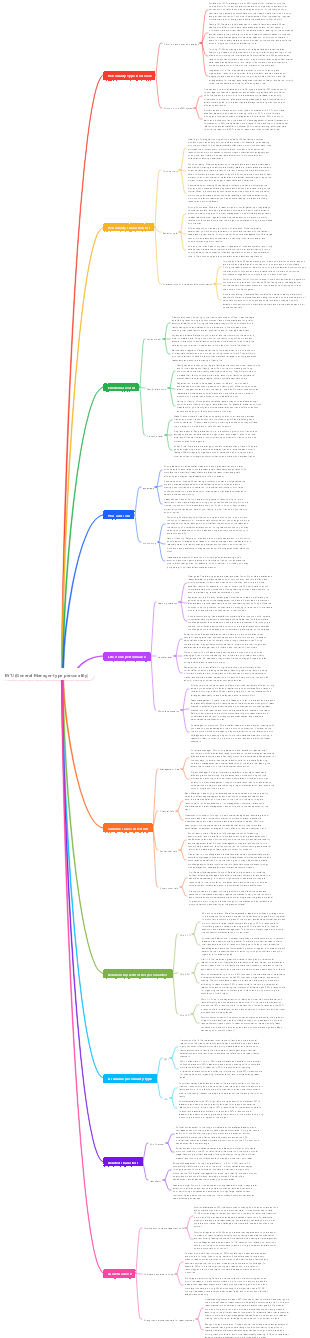
This is a mind map about ESFJ (Consul-type personality), which mainly includes: growth suggestions, related characters, relationships with other personalities, personality types suitable for being together, suitable career directions, advantages and disadvantages, and life scenes Expression, emotional world, personality traits, personality types overview.
Edited at 2025-02-13 11:08:07Rumi: 10 dimensions of spiritual awakening. When you stop looking for yourself, you will find the entire universe because what you are looking for is also looking for you. Anything you do persevere every day can open a door to the depths of your spirit. In silence, I slipped into the secret realm, and I enjoyed everything to observe the magic around me, and didn't make any noise. Why do you like to crawl when you are born with wings? The soul has its own ears and can hear things that the mind cannot understand. Seek inward for the answer to everything, everything in the universe is in you. Lovers do not end up meeting somewhere, and there is no parting in this world. A wound is where light enters your heart.
Chronic heart failure is not just a problem of the speed of heart rate! It is caused by the decrease in myocardial contraction and diastolic function, which leads to insufficient cardiac output, which in turn causes congestion in the pulmonary circulation and congestion in the systemic circulation. From causes, inducement to compensation mechanisms, the pathophysiological processes of heart failure are complex and diverse. By controlling edema, reducing the heart's front and afterload, improving cardiac comfort function, and preventing and treating basic causes, we can effectively respond to this challenge. Only by understanding the mechanisms and clinical manifestations of heart failure and mastering prevention and treatment strategies can we better protect heart health.
Ischemia-reperfusion injury is a phenomenon that cellular function and metabolic disorders and structural damage will worsen after organs or tissues restore blood supply. Its main mechanisms include increased free radical generation, calcium overload, and the role of microvascular and leukocytes. The heart and brain are common damaged organs, manifested as changes in myocardial metabolism and ultrastructural changes, decreased cardiac function, etc. Prevention and control measures include removing free radicals, reducing calcium overload, improving metabolism and controlling reperfusion conditions, such as low sodium, low temperature, low pressure, etc. Understanding these mechanisms can help develop effective treatment options and alleviate ischemic injury.
Rumi: 10 dimensions of spiritual awakening. When you stop looking for yourself, you will find the entire universe because what you are looking for is also looking for you. Anything you do persevere every day can open a door to the depths of your spirit. In silence, I slipped into the secret realm, and I enjoyed everything to observe the magic around me, and didn't make any noise. Why do you like to crawl when you are born with wings? The soul has its own ears and can hear things that the mind cannot understand. Seek inward for the answer to everything, everything in the universe is in you. Lovers do not end up meeting somewhere, and there is no parting in this world. A wound is where light enters your heart.
Chronic heart failure is not just a problem of the speed of heart rate! It is caused by the decrease in myocardial contraction and diastolic function, which leads to insufficient cardiac output, which in turn causes congestion in the pulmonary circulation and congestion in the systemic circulation. From causes, inducement to compensation mechanisms, the pathophysiological processes of heart failure are complex and diverse. By controlling edema, reducing the heart's front and afterload, improving cardiac comfort function, and preventing and treating basic causes, we can effectively respond to this challenge. Only by understanding the mechanisms and clinical manifestations of heart failure and mastering prevention and treatment strategies can we better protect heart health.
Ischemia-reperfusion injury is a phenomenon that cellular function and metabolic disorders and structural damage will worsen after organs or tissues restore blood supply. Its main mechanisms include increased free radical generation, calcium overload, and the role of microvascular and leukocytes. The heart and brain are common damaged organs, manifested as changes in myocardial metabolism and ultrastructural changes, decreased cardiac function, etc. Prevention and control measures include removing free radicals, reducing calcium overload, improving metabolism and controlling reperfusion conditions, such as low sodium, low temperature, low pressure, etc. Understanding these mechanisms can help develop effective treatment options and alleviate ischemic injury.
ESFJ (Consul-type personality)
Personality Type Overview
Definition and dimension analysis
Extrovert (E): The energy of ESFJs is mainly derived from interactions with others, and social activities can make them energetic. During the party, they actively communicate with different people, enjoy the process of meeting new people, and remain energetic after the party.
Feeling (S): Focus on specific facts and details, relying on practical experience and sensory information. When preparing for family gatherings, they will prepare food based on past experience, paying attention to the freshness of ingredients and cooking details, so that family and friends can have fun.
Emotion (F): Inclines to consider other people's feelings and values when making decisions, and is emotionally oriented. When choosing a family vacation location, family preferences and comfort are prioritized.
Judgment (J): Like to live a planned and organized life, and make quick judgments and decisions in the face of problems. Every day, we will plan our work and life arrangements in advance and complete all tasks as planned.
Position in the MBTI system
Uniqueness: In the 16-type personality, ESFJ stands out for her passion, considerate, social skills and a strong sense of responsibility, and is an active social occasion and a maintainer of interpersonal relationships.
Similarities and differences with other types: Compared with ESTJ, they focus on practical affairs and social interactions, but ESTJ is more rational and decisive, while ESFJ focuses more on emotional care; compared with ENFJ, they focus on interpersonal relationships, but ENFJ is more forward-looking and strategic , ESFJ pays more attention to current actual needs.
Personality characteristics
Thinking traits
Pay attention to details: Have a keen observation of details and be able to pay attention to the nuances of things. When organizing family albums, you will pay attention to the arrangement order of photos, color matching and other details.
Empathetic: Be able to put yourself in your shoes and understand other people's feelings and perceive other people's emotional changes. When friends encounter difficulties, they can quickly detect and provide comfort and support.
Traditional concept: respect and follow traditions and established rules, and are less willing to try new, unproven methods easily. Traditional customs and processes are followed when family celebrates holidays.
Behavior style
Be helpful: Always take the initiative to care about other people's needs and be willing to help. When colleagues are busy with work, they will take the initiative to help share the tasks.
Strong sense of responsibility: highly responsible for work and family, and perform duties conscientiously. After taking on the project, we will do our best to ensure that the tasks are completed on time and with high quality.
Strong organizational ability: good at organizing and coordinating others, and able to arrange various activities and affairs. When organizing company team building activities, you can properly arrange venues, event contents and catering.
Characteristics of interpersonal communication
Warm and friendly: treat others enthusiastically and kindly, and can quickly establish good relationships with others. In the new environment, you can take the initiative to say hello to strangers and integrate into the group.
Good at communication: Have excellent communication skills, be able to express your thoughts and feelings clearly, and listen to others' opinions. During team discussions, be able to speak actively while respecting other people's opinions.
Social active: Be active in social activities, like to be the focus, actively organize and participate in social activities. Regularly organize friends gatherings, family dinners and other activities.
Emotional world
Love concept
Loyalty and loyalty: treat love loyalty. Once the relationship is determined, you will devote yourself to pursuing stable and long-term feelings. I will carefully prepare gifts on my partner’s birthday and care about my partner’s life in daily life.
Romantic and considerate: Pay attention to emotional expression and ritual sense, and let your partner feel love through romantic actions. Schedule a romantic date on an anniversary to surprise your partner.
Strong family concept: regard family as the core of life, and hope to create a warm and harmonious family atmosphere with your partner. Will plan the future of the family with your partner and share the housework.
Family relationship
Family first: put family first, strive to maintain family harmony, and care about family life and health. We will organize family activities regularly to enhance the relationship between our families.
Care for elders: Respect the opinions and experiences of elders, and seriously consider elders’ suggestions in family decision-making. When it comes to major issues such as buying real estate, you will listen to the opinions of your elders.
Take care of younger generations: Be caring for younger generations and paying attention to their growth and education. Will accompany children to study and play, and provide children with a good growth environment.
Friendship level
Treat each other sincerely: treat friends sincerely, not hypocritical or artificial, and can establish deep friendships with friends. Share your life with friends and provide help when your friends need it.
Wide social circle: There are a wide range of social circles and many friends. Be good at organizing activities between friends to enhance each other's feelings. We will organize friends' gatherings, outdoor sports, etc. regularly.
Help in time: When friends encounter difficulties, they will lend a helping hand without hesitation and provide material and spiritual support. When a friend is sick, he will take the initiative to take care of him and help solve life problems.
Life scene performance
Learning scenarios
Diligent and hard work: study with serious attitude, diligent and hard work, formulate detailed learning plans and strictly implement them. Get up early every day to memorize words and review homework, and prepare carefully for the exam.
Pay attention to details: Pay attention to details during study, take notes carefully, and do not miss important knowledge points. Take homework and exams seriously, check carefully, and avoid careless mistakes.
Relying on teachers and classmates: I rely more on teachers and classmates in my studies. I am used to asking them for advice when encountering problems, and rarely try to explore and solve them yourself.
Casual scenes
Social activities: I like to participate in social activities, such as friends gatherings, family dinners, community activities, etc., to expand my network and social circles. During social activities, actively communicate with others and share life experiences.
Interests and hobbies: Have your own interests and hobbies, such as cooking, handicrafts, reading, etc., relax through these activities. We will try new cooking recipes and make delicious food on weekends.
Accompany your family: I prefer to spend leisure time with my family to enhance family affection. I will watch movies, walks, travel, etc. with my family.
Workplace scenarios
Work seriously: be serious about work attitude, pay attention to details, strictly abide by company rules and regulations, and complete work tasks on time. Be meticulous in your work and ensure the quality of your work.
Team collaboration: Actively cooperate in the team, be helpful, and be good at coordinating the relationship between team members. In team projects, take the initiative to take on tasks and help colleagues solve problems.
Promotion Challenge: Not very good at showing one's abilities and may be at a disadvantage in the promotion competition. You need to learn self-promotion skills and actively demonstrate your work results.
Pros and cons
advantage
Strong sense of responsibility: Have a strong sense of responsibility for work, family and friends, and perform duties conscientiously, and be a trustworthy person.
Good at socializing: Strong social skills, able to establish extensive connections, and bring convenience to work and life.
Compassionate: Be able to deeply understand other people's feelings, give care and help, and create a warm atmosphere in the team.
shortcoming
Care too much about others' opinions: Overly paying attention to others' evaluations can easily change one's own ideas due to other people's opinions and lack of opinion.
Difficult to reject others: Not good at rejecting other people's requests will lead to excessive burdens on yourself and affect your life and work.
Resist change: Weak ability to adapt to changes, feel uneasy when facing new environments and new things, and it is difficult to adjust quickly.
Suitable career direction
Educational field
Teacher: Patient, caring, able to pay attention to students' growth and learning needs, impart knowledge and cultivate morality. In class, vividly explain knowledge and care about students' physical and mental health.
Educational Consultant: Understand educational policies and school situations, and provide educational planning and further education advice for students and parents. Help students choose suitable schools and majors and plan their learning paths.
Medical field
Nurse: Compassionate and responsible, able to take care of patients and assist doctors in treatment. In the hospital, take care of patients patiently and pay attention to changes in patients' condition.
Nutritionist: Pay attention to people’s dietary health and develop a reasonable diet plan according to individual needs. Provide professional dietary advice for patients, fitness people, etc.
Service industry
Customer service staff: Good at listening, understand customer needs, and provide high-quality services. Answer customer calls, patiently answer customer questions, and handle customer complaints.
Hotel manager: Strong organizational ability, able to coordinate various hotel affairs, and ensure that guests have a good accommodation experience. Arrange room service and catering services to handle customer needs.
Administrative field
Administrative Assistant: Be organized in your work, be able to assist leaders in handling daily affairs, arrange meetings and organize documents. Assist leaders in the office to arrange work and ensure the smooth progress of work.
Human Resources Specialist: Good at communicating with people, understand employee needs, and conduct personnel recruitment, training and performance management. Recruiting the right employees, organizing employee training, and motivating employees to work.
A suitable personality type
ESTJ
Harmonious life: In life, we attach importance to family and social interaction, like to organize and participate in various activities, have a consistent lifestyle, and can jointly create a warm family atmosphere. Organize family gatherings and social activities together to enhance interpersonal relationships.
Work collaboration: During work, ESTJ's decision-making ability and ESFJ's execution ability cooperate with each other to complete work tasks efficiently. In team projects, ESTJ develops plans and ESFJ is responsible for execution and coordination to jointly promote project progress.
ISFJ
Consistent values: Values and life attitudes are similar, both focus on family, traditions and interpersonal relationships, and can understand and support each other in family and life. Together, maintain family traditions, care about family members, and participate in social activities.
Complementary personality: ISFJ's restraint and attentiveness complement ESFJ's extroversion and enthusiasm, taking care of each other in life and cooperating with each other in work. In the family, ISFJ is responsible for the details of housework and ESFJ is responsible for social and external affairs.
Relationship with other personalities
With ESTJ
Cooperation and complementarity: At work, ESTJ's rational decision-making and organizational skills complement each other with ESFJ's carefulness and interpersonal skills to complete tasks together. In the project, ESTJ is responsible for making plans and decisions, and ESFJ is responsible for executing and coordinating relationships.
Life fit: In life, we all focus on family and social interaction, have similar lifestyles, and can understand and support each other. Organize family activities together and participate in social gatherings.
With ENFJ
Concept resonance: In interpersonal communication and teamwork, we pay attention to human development and relationship maintenance, and have similar concepts and can support each other. When organizing team activities, plan together and pay attention to member needs.
Thinking Difference: But ENFJ is more forward-looking and strategic, while ESFJ pays more attention to practical operations and details, and needs to learn and communicate with each other. When setting team goals, ENFJ proposes long-term plans and ESFJ supplements specific implementation steps.
With ISFJ
Emotional resonance: In the emotional world, everyone attaches importance to family and interpersonal relationships, has delicate emotions and can understand and support each other. At family gatherings, create a warm atmosphere and care for your family.
Complementary Competencies: ISFJ’s restraint and attentiveness complement ESFJ’s extroversion and organizational capabilities, and cooperates with each other in work and life. When organizing events, ISFJ is responsible for behind-the-scenes work and ESFJ is responsible for external communication and coordination.
Related characters
Soong Ching Ling
Social contribution: Dedicated to women and children's cause and social welfare throughout his life, and made outstanding contributions to China's education, medical care and other fields, reflecting ESFJ's compassion and sense of responsibility. Establish schools and hospitals to provide assistance to women and children.
Diplomatic style: In diplomatic occasions, we will show China's style with an elegant and affinity image, establish friendly relations with people from all countries, and demonstrate the social ability and affinity of ESFJ. Exchange and cooperate with international friends and promote international cultural exchanges.
Family concept: attach importance to the family, care about the family, inherit the family spirit, and play a core role in the family. In the family, maintain family harmony and care about the growth of younger generations.
He Jiong
Host Style: When hosting the program, he is loved by the audience for his warm and considerate image, and is good at taking care of the guests and the audience's feelings, reflecting ESFJ's empathy and communication skills. In the program, pay attention to the guests' emotions, resolve embarrassing scenes, and create a relaxed atmosphere.
Interpersonal relationships: In the entertainment industry, you have a wide range of connections, become friends with many celebrities, be good at organizing and participating in social activities, and show ESFJ's social activity and organizational skills. Organize friends' gatherings frequently to enhance the relationship between friends.
Social impact: Actively participate in public welfare activities, use your own influence to convey positive energy, care about social issues, and show ESFJ's sense of social responsibility. Participate in public welfare projects such as environmental protection and education, and make contributions to the society.
Growth advice
Enhance confidence and opinion
Self-affirmation: Spend time every day to review your strengths and achievements and make self-affirmation. Record the tasks you have successfully completed and the progress you have made, and enhance your self-confidence.
Express your opinions: In team discussions and social occasions, actively express your opinions and ideas, and don’t be afraid to make mistakes. Start with a simple speech and gradually exercise your ability to express yourself
Learn to refuse
Clarify the boundaries: Clarify your abilities and time boundaries, and be clear about the tasks you can and cannot undertake. Make a task list and arrange time reasonably.
Temptingly Reject: Learn the skills of politely rejecting others, such as expressing one's own difficulties, providing alternatives, etc. Reject other people's requests in a gentle tone, while giving understanding and support.
Improve adaptability
Accept change: actively contact new things and new environments, and gradually adapt to changes. Participate in new training courses, try new sports, and exercise adaptability.
Learn new skills: Learn new skills needed to cope with change and improve your competitiveness. Such as learning new office software and programming languages to adapt to changes in the workplace.