MindMap Gallery Project Management Work Content List
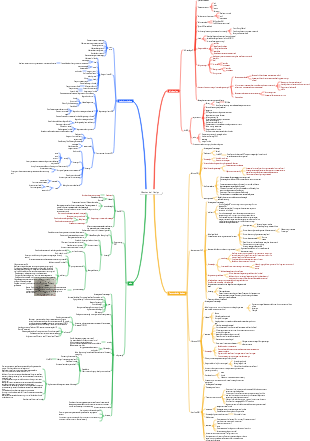
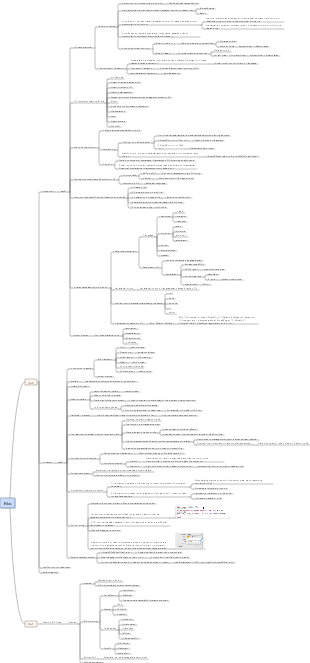
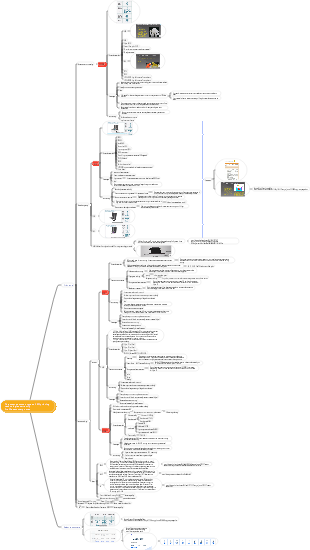
This is a mind map about the list of project management work contents, the main contents include: project summary stage, mold transfer acceptance stage, mold trial verification stage, processing and production stage, mold design stage, and project start-up stage.
Edited at 2025-02-14 21:27:36Rumi: 10 dimensions of spiritual awakening. When you stop looking for yourself, you will find the entire universe because what you are looking for is also looking for you. Anything you do persevere every day can open a door to the depths of your spirit. In silence, I slipped into the secret realm, and I enjoyed everything to observe the magic around me, and didn't make any noise. Why do you like to crawl when you are born with wings? The soul has its own ears and can hear things that the mind cannot understand. Seek inward for the answer to everything, everything in the universe is in you. Lovers do not end up meeting somewhere, and there is no parting in this world. A wound is where light enters your heart.
Chronic heart failure is not just a problem of the speed of heart rate! It is caused by the decrease in myocardial contraction and diastolic function, which leads to insufficient cardiac output, which in turn causes congestion in the pulmonary circulation and congestion in the systemic circulation. From causes, inducement to compensation mechanisms, the pathophysiological processes of heart failure are complex and diverse. By controlling edema, reducing the heart's front and afterload, improving cardiac comfort function, and preventing and treating basic causes, we can effectively respond to this challenge. Only by understanding the mechanisms and clinical manifestations of heart failure and mastering prevention and treatment strategies can we better protect heart health.
Ischemia-reperfusion injury is a phenomenon that cellular function and metabolic disorders and structural damage will worsen after organs or tissues restore blood supply. Its main mechanisms include increased free radical generation, calcium overload, and the role of microvascular and leukocytes. The heart and brain are common damaged organs, manifested as changes in myocardial metabolism and ultrastructural changes, decreased cardiac function, etc. Prevention and control measures include removing free radicals, reducing calcium overload, improving metabolism and controlling reperfusion conditions, such as low sodium, low temperature, low pressure, etc. Understanding these mechanisms can help develop effective treatment options and alleviate ischemic injury.
Rumi: 10 dimensions of spiritual awakening. When you stop looking for yourself, you will find the entire universe because what you are looking for is also looking for you. Anything you do persevere every day can open a door to the depths of your spirit. In silence, I slipped into the secret realm, and I enjoyed everything to observe the magic around me, and didn't make any noise. Why do you like to crawl when you are born with wings? The soul has its own ears and can hear things that the mind cannot understand. Seek inward for the answer to everything, everything in the universe is in you. Lovers do not end up meeting somewhere, and there is no parting in this world. A wound is where light enters your heart.
Chronic heart failure is not just a problem of the speed of heart rate! It is caused by the decrease in myocardial contraction and diastolic function, which leads to insufficient cardiac output, which in turn causes congestion in the pulmonary circulation and congestion in the systemic circulation. From causes, inducement to compensation mechanisms, the pathophysiological processes of heart failure are complex and diverse. By controlling edema, reducing the heart's front and afterload, improving cardiac comfort function, and preventing and treating basic causes, we can effectively respond to this challenge. Only by understanding the mechanisms and clinical manifestations of heart failure and mastering prevention and treatment strategies can we better protect heart health.
Ischemia-reperfusion injury is a phenomenon that cellular function and metabolic disorders and structural damage will worsen after organs or tissues restore blood supply. Its main mechanisms include increased free radical generation, calcium overload, and the role of microvascular and leukocytes. The heart and brain are common damaged organs, manifested as changes in myocardial metabolism and ultrastructural changes, decreased cardiac function, etc. Prevention and control measures include removing free radicals, reducing calcium overload, improving metabolism and controlling reperfusion conditions, such as low sodium, low temperature, low pressure, etc. Understanding these mechanisms can help develop effective treatment options and alleviate ischemic injury.
Project Management Work Content List
Project start-up phase
Collect development information
Product Information
Mold steel
Mold accessories
Hot runner
waterway
Eject
Oil cylinder
position
Client project plan
Customer Product Data Node
Cutting data
Open rough data
Finishing data
Delivery time of the first light
Planned time for transfer
Planned production time
Mold specification book
Confirm the bearer of the mold test material
Free number of test sample parts
List of important matters for customers
Project time node
T0 time
Mold manufacturing cycle
Processing start time
Time for main material to arrive
Cutting time
Key project time nodes
Project launch meeting
Publish project information
Discuss project time nodes
Customers' key points
Share experiences and lessons of similar molds
Determine the time for sub-plan submission of each module
Confirm the project urgency
Resource support requirements
Project launch meeting minutes
Mold design stage
Record and follow the frozen data of customers to urge them to discharge
Track design plans
Cutting review
Main Material List
Model frame drawing
Start a rough review
Finishing review
Hot runner diagram issuance and confirmation time
Difference report between quotation data and opening data
Request customer feeding instructions and processing instructions
Identify key quality control points
Important dimensional tolerances
Key Appearance Requirements
Mass production stability
The problem point closure in the DFM report
Pay attention to risk closure in the model flow analysis report
Customer product defect risk and wire clamp confirmation report
Organize discussion on problem-point risk resolution plans that are not closed in DFM or modular flow reports
Participate in design review
Submit initial mold processing and manufacturing process plan
The impact of model opening data and quotation data
Monitor procurement plans
Main material
Model frame
Hot runner
Standard parts
Small pieces of assembly
Track outsourced processing time
Design phase project inspection form
Processing and production stage
Confirm the small schedule of processing and manufacturing
Module arrival time
Hot runner in place time
Accessories (inner die extrusion piece, top block rod, slider press, slider wear-resistant piece) time
The first batch of electrodes (top block groove, insert groove, slider groove) is in place
Time of arrival of small parts (slider, top block, insert)
Mold manufacturing urgency assessment and classification
Track the actual progress of the small schedule and report to customers regularly
After a progress or quality abnormality occurs, coordinate the formulation of remedial measures and formulate follow-up plans.
Monitor and record abnormal problems in the entire mold manufacturing process and cost losses of the corresponding progress
Monitor various quality inspection records and collect and archive them
Incoming material inspection
Main material
Verticality
Dimensional accuracy
Mirror pre-hard polishing performance
Model frame
Accessories
Hot runner
Processing inspection
Heat treatment
Before heat treatment
Is there any leaks
Waterway hole depth
Waterway hole connection
Avoid clearing angles and thin steel
After heat treatment
hardness
polishing
At the machine, the knife
Key control size
Three coordinates
Caliper measurement
Plug gauge/stop gauge/plug block
Product surface features and ridges
Research and assembly to Dan for inspection
Mo Ren frame
Top block
With slider
Accessories
Partitioning surface
Test eject
Waterway inspection
Waterway leak measurement
Water flow
Waterway connections comply with design
Power connection inspection
Hot runner aerial wiring complies with standards
Circuit leakage or power outage detection
Gas circuit inspection
Hot runner valve inlet and outlet gas
Connect gas in series
Oil
Oil iron filings, foreign objects
Oil leak
Test model verification stage
Preparation for model test
Issuing the test task book 1 week in advance
Check the rectification and inspection of the previous round of mold test problems
Track the arrangement of the test machine
Check the static inspection of the mold before the mold test
Check the preparation of mold test materials and packaging materials
Confirm the test mold materials 4 weeks in advance (purchase or customer supply)
Prepare technical information in advance
Mold design data
Modal flow analysis report
Hot runner signs
Assembly of counterparts
List of question points in the previous round
List of customer design changes
The previous round of process parameters
Testing the model
Check before debugging
Modal temperature measurement
Material temperature
Hot runner temperature
Mold action
Make actual records according to the test report
Process window testing
Short shot (20%-50%-75%-95%-100%)
Verify multi-cavity flow balance
Check single cavity filling balance
Check whether the front mold is firm in the case of short injection
Injection over-full test (on the normal appearance of OK gram weight, pressurized feed to produce flash burrs to test the range of burrs)
Modal temperature uniformity detection
Needle valve hot runner to remove needle, temperature detection every 10mm inside the nozzle
Debug the die-fixed temperature, test and record the product deformation amount corresponding to the temperature difference change
Check the previous round of mold test problem points
Unqualified size of the product
Dynamic mold test process problem points
Appearance issues
Mold action problem
On-site problem-solving, organize relevant personnel to investigate and solve them if they cannot solve them.
Sampling sample, explain the key points of sample inspection to the mold tester
After the test model
Arrange full-size inspection of samples
Submit sample delivery application, arrange delivery, customer signing and receiving orders for financial archives
Organize a meeting on the test mold problem point, implement the mold rectification plan and rectification cycle
Request customer sample quality issues and next round of sample transfer plan
Supplement the problem points reported by customers, confirm the mold optimization and rectification plan, and report to customers, communicate and coordinate and adjust the reform plan
Try the sample marking, packing and file
Rectification and optimization process
Rectification progress tracking, exception coordination and handling
Check whether there are any missed repairs
Static check verification of key issues
Customer design arrangement
Tracking the feasibility analysis results of the setup change
Track the results of business confirmation of settings and change
Set change cycle evaluation, actively connect with customers
First submit the sample and then set the change, prepare the inventory during the change period
Set a change first and then pass it
First, set some positions and then try the sample
Issuing the Setting Change Instructions
Track the process of setting changes and report to customers
Inspection of change results
Track customer change acceptance report and deliver the original to financial documents
Leather pattern lettering
Customer leather pattern model and sample pattern
Find out if the price of leather lines is included when confirming the quotation
Collect lettering information, check drawings, and prevent mistakes
Check and proofread after engraving
Modification acceptance phase
Customer model transfer notification
Customer sample approval
Customer mold removal acceptance completed
Model shift preparation meeting
Customer plan to transfer the model time
Remediation plan and plan for unclosed mold problem points
Actual situation of dynamic and static inspection of mold
Nitrogenation of mould moving parts
Inventory, ordering and making spare parts
Mold instruction manual and various mold transfer information
Decomposition and completion plan of work before moving the mold
Final sample sealing and storage before moving the mold
Organize mold transfer and factory acceptance
Static inspection
Confirm that all problem points are closed
Apply for a model transfer
Check out various quality inspection records
Check out spare parts and list
Shipping arrangements, customers sign and collect orders and submit financial documents
Confirm the customer's first-time problem list and connect with after-sales personnel to repair the model plan and plan
Track the model repair plan and verification status until the problem point is closed and completed
Track customer verification results and obtain customer acceptance report
Project summary stage
Plan completion status
Design plan
Procurement Plan
Production plan
Mold rectification plan
Quality control plan
Quality abnormalities
Losses caused by design abnormalities
Losses caused by abnormal procurement
Losses caused by abnormal processing arrangements
Losses caused by mold leader
Losses caused by project communication
Cost situation
Processing costs
Testing fee
After-sales fee
Performance of project members
Project summary experience archive