 Wondershare EdrawMind
MindMap Gallery Mankun Principles of Economics (Volume of Microeconomics)
- 48
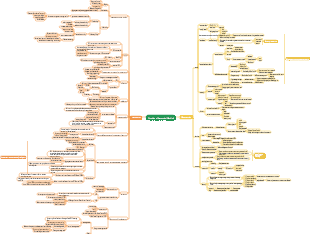
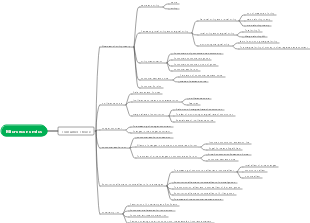
Mankun Principles of Economics (Volume of Microeconomics)
This is a mind map about Mankun's "Principles of Economics (Volume of Microeconomics)", which mainly includes: market failure and public policy, market structure, consumers, producers and market efficiency, how the market works, and the top ten principles of economics.
Edited at 2025-02-27 12:24:02
- Rumi 10 spiritual high-dimensional awakenings
Rumi: 10 dimensions of spiritual awakening. When you stop looking for yourself, you will find the entire universe because what you are looking for is also looking for you. Anything you do persevere every day can open a door to the depths of your spirit. In silence, I slipped into the secret realm, and I enjoyed everything to observe the magic around me, and didn't make any noise. Why do you like to crawl when you are born with wings? The soul has its own ears and can hear things that the mind cannot understand. Seek inward for the answer to everything, everything in the universe is in you. Lovers do not end up meeting somewhere, and there is no parting in this world. A wound is where light enters your heart.
- Pathophysiology - Heart failure
Chronic heart failure is not just a problem of the speed of heart rate! It is caused by the decrease in myocardial contraction and diastolic function, which leads to insufficient cardiac output, which in turn causes congestion in the pulmonary circulation and congestion in the systemic circulation. From causes, inducement to compensation mechanisms, the pathophysiological processes of heart failure are complex and diverse. By controlling edema, reducing the heart's front and afterload, improving cardiac comfort function, and preventing and treating basic causes, we can effectively respond to this challenge. Only by understanding the mechanisms and clinical manifestations of heart failure and mastering prevention and treatment strategies can we better protect heart health.
- Pathophysiology - ischemia - reperfusion injury
Ischemia-reperfusion injury is a phenomenon that cellular function and metabolic disorders and structural damage will worsen after organs or tissues restore blood supply. Its main mechanisms include increased free radical generation, calcium overload, and the role of microvascular and leukocytes. The heart and brain are common damaged organs, manifested as changes in myocardial metabolism and ultrastructural changes, decreased cardiac function, etc. Prevention and control measures include removing free radicals, reducing calcium overload, improving metabolism and controlling reperfusion conditions, such as low sodium, low temperature, low pressure, etc. Understanding these mechanisms can help develop effective treatment options and alleviate ischemic injury.
Mankun Principles of Economics (Volume of Microeconomics)
- Rumi 10 spiritual high-dimensional awakenings
Rumi: 10 dimensions of spiritual awakening. When you stop looking for yourself, you will find the entire universe because what you are looking for is also looking for you. Anything you do persevere every day can open a door to the depths of your spirit. In silence, I slipped into the secret realm, and I enjoyed everything to observe the magic around me, and didn't make any noise. Why do you like to crawl when you are born with wings? The soul has its own ears and can hear things that the mind cannot understand. Seek inward for the answer to everything, everything in the universe is in you. Lovers do not end up meeting somewhere, and there is no parting in this world. A wound is where light enters your heart.
- Pathophysiology - Heart failure
Chronic heart failure is not just a problem of the speed of heart rate! It is caused by the decrease in myocardial contraction and diastolic function, which leads to insufficient cardiac output, which in turn causes congestion in the pulmonary circulation and congestion in the systemic circulation. From causes, inducement to compensation mechanisms, the pathophysiological processes of heart failure are complex and diverse. By controlling edema, reducing the heart's front and afterload, improving cardiac comfort function, and preventing and treating basic causes, we can effectively respond to this challenge. Only by understanding the mechanisms and clinical manifestations of heart failure and mastering prevention and treatment strategies can we better protect heart health.
- Pathophysiology - ischemia - reperfusion injury
Ischemia-reperfusion injury is a phenomenon that cellular function and metabolic disorders and structural damage will worsen after organs or tissues restore blood supply. Its main mechanisms include increased free radical generation, calcium overload, and the role of microvascular and leukocytes. The heart and brain are common damaged organs, manifested as changes in myocardial metabolism and ultrastructural changes, decreased cardiac function, etc. Prevention and control measures include removing free radicals, reducing calcium overload, improving metabolism and controlling reperfusion conditions, such as low sodium, low temperature, low pressure, etc. Understanding these mechanisms can help develop effective treatment options and alleviate ischemic injury.
- Recommended to you
- Outline
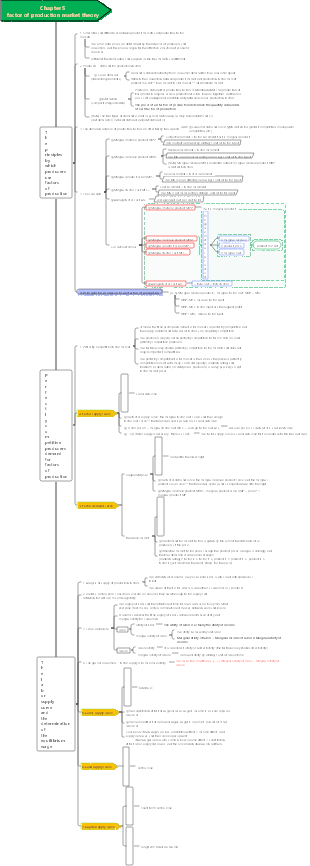
Chapter 5 Production Factor Market Theory (Intermediate Economist's Notes from Economic Basics)
- 38


Mankun "Principles of Economics (Volume of Microeconomics)"
Top Ten Principles of Economics
How people make decisions
Trade-offs: We face trade-offs everywhere in life. Taking family finance as an example, the family’s monthly income is limited. When allocating funds, if you choose to use most of the funds to purchase real estate, you may reduce your investment in children’s education, tourism and leisure, etc. In terms of career choice, job seekers may have to sacrifice more personal leisure time and opportunities to accompany their family if they choose to enter a high-paying but high-intensity financial industry.
Opportunity Cost: Opportunity Cost plays a key role in individual and business decision-making. For example, a college graduate faces the choice of continuing his studies and employment. If you choose to continue to pursue a master's degree, in addition to direct costs such as tuition and book fees, you also need to consider the income lost from giving up your work, the practical experience and personal resources accumulated at work. For enterprises, if they decide to invest their funds in new product research and development, the opportunity cost is the possible benefits of giving up investing in other projects or expanding existing businesses.
Marginal decision-making: Enterprise production decisions often rely on marginal analysis. For example, when a garment factory decides whether to add a production line, it needs to compare the marginal cost of the production line (such as new costs such as equipment purchase, personnel recruitment, raw material procurement, etc.) with the marginal revenue (the sales revenue obtained more due to increasing production). If the marginal income is greater than the marginal cost, increasing the production line can increase profits, and the company will make the decision to increase the production line.
Motivation Response: Motivation has a significant impact on people's behavior. The government has introduced a new energy vehicle subsidy policy, and consumers can receive a certain amount of subsidy when purchasing new energy vehicles, which reduces consumers' car purchase costs and encourages more consumers to choose to buy new energy vehicles. Within the enterprise, a performance bonus system is implemented. In order to obtain more bonus income, employees will work harder to improve their work efficiency and performance.
How people influence each other
Mutual benefit of trade: Trade can allow all countries and regions to give full play to their own advantages and achieve mutual benefit and win-win results. As a major manufacturing country, China has significant cost advantages in clothing, electronic products and other fields with its rich labor resources and a complete industrial supporting system. The products produced are of high quality and low price and are exported to other countries in large quantities. Australia has rich animal husbandry and mining resources, and its high-quality wool, iron ore and other products are exported to China in large quantities. Through trade, both parties can obtain more types of goods and services at lower costs, improving their respective living standards and production efficiency.
Market mechanism: Taking the pork market as an example, the role of the market mechanism is clearly visible. When the supply of pork in the market is in short supply, pork prices rise, and farmers see an increase in breeding profits, which will increase the number of pig breeding and expand the production scale; at the same time, consumers will reduce the purchase of pork due to the rise in pork prices and instead choose other meat alternatives. As time goes by, the supply of pork gradually increases, demand is relatively stable, and pork prices will gradually fall until a new supply and demand balance is reached. When the market is oversupply, the situation is the opposite. Prices fall, producers reduce production, consumers increase consumption, and the market achieves reasonable allocation of resources through price mechanisms, supply and demand mechanisms and competition mechanisms.
Government intervention: In the event of market failure, government intervention is crucial. Taking polluting enterprises as an example, some chemical enterprises will emit pollutants into rivers and the atmosphere during production, which will have a serious impact on the surrounding environment and residents' health, but the enterprises will not bear all costs for this, which will create negative externalities. The government has imposed pollution taxes to increase the pollution costs of enterprises, prompting enterprises to take environmental protection measures to reduce pollution emissions. For monopoly enterprises, such as some Internet giants, if they form a monopoly position in the market, abuse market power, restrict other enterprises from entering the market, increase service prices, and harm the interests of consumers, the government may conduct anti-monopoly investigations and take measures such as splitting enterprises and restricting market share to restore market competitiveness and protect the legitimate rights and interests of consumers and other enterprises.
How the overall economy works
Economic Growth: Increased productivity is the core driving force for economic growth. During the Industrial Revolution, the invention and application of new technologies such as steam engines and textile machines greatly improved production efficiency. Taking the textile industry as an example, traditional hand-made textiles are inefficient, and the emergence of textile machines has greatly increased the production speed of textiles and increased the output significantly, which not only met the domestic market demand, but also exported to other countries in large quantities, promoting rapid economic growth in countries such as the United Kingdom. In modern society, the development of information technology, such as the application of technologies such as the Internet, big data, and artificial intelligence, has further improved the production efficiency of various industries and gave birth to many emerging industries, such as e-commerce, sharing economy, and intelligent manufacturing, which has injected new vitality into economic growth.
Inflation: Too much money chases too little commodities is the main cause of inflation, and changes in money supply have a direct and important impact on inflation. In Zimbabwe, for example, in the early 21st century, the government printed a large amount of money in order to deal with economic difficulties, resulting in a sharp increase in the money supply. The number of commodities in the market has not increased significantly accordingly. Too many currencies chased relatively few commodities, prices rose rapidly, and severe inflation occurred. Local prices have risen sharply in a short period of time, people's living costs have increased sharply, the economic order has fallen into chaos, and currency has lost its function as a measure of value and a medium of exchange.
The relationship between unemployment and inflation: There is a clear trade-off between unemployment and inflation in the short term. During recession, in order to stimulate economic growth and reduce unemployment, the government usually adopts expansionary fiscal and monetary policies. For example, increase government spending, increase investment in infrastructure construction, reduce interest rates, and encourage corporate loans to expand production. These policies can stimulate total demand and drive enterprises to increase production, thereby creating more jobs and reducing unemployment rates. However, as total demand increases, it may lead to higher price levels and trigger inflation. For example, after the 2008 global financial crisis, the U.S. government adopted a series of expansionary policies, and the unemployment rate gradually declined, but inflation also rose in the later period. On the contrary, in the period of overheating of the economy, the government will adopt austerity policies to control inflation, reduce government spending and raise interest rates, which may lead to reduced corporate investment, shrinking production scale and rising unemployment.
How the market works
Supply and demand
Law of demand: The law of demand is widely present in daily life. Taking the tourism market as an example, during the peak tourist season, such as the Spring Festival and National Day holidays, air tickets and hotel prices in popular tourist destinations rise, and tourism demand decreases accordingly. Many consumers will choose to avoid these peak periods and choose to travel off-peak to reduce travel costs. During the off-season of tourism, air tickets and hotel prices will decline, while travel demand will rise. Some consumers will seize the price advantage and arrange travel plans.
Supply Law: The agricultural product market reflects the supply law well. Take the fruit market as an example. When the price of apples rises, fruit farmers see that the profits of growing apples will increase, which will increase the planting area of apples, invest more manpower, material resources and financial resources to manage orchards, improve apple production and quality, and increase market supply. On the contrary, when apple prices fall, fruit farmers will reduce the apple planting area, even cut down fruit trees, and turn to planting other more economical fruits, resulting in a decrease in the market supply of apples.
Market balance: The real estate market is a typical example of market balance. In a certain city, when housing demand is strong and supply is relatively insufficient, housing prices will rise. Rising housing prices will attract developers to increase property construction and invest more funds in land purchase, construction, etc., thereby increasing housing supply. With the increase in housing supply, the market gradually reached a balance of supply and demand, and equilibrium housing prices and equilibrium housing quantity have been determined. If the market is oversupply, housing prices will fall and developers will reduce construction projects until the market reaches equilibrium again.
Elasticity and its application
Demand elasticity: The demand elasticity of different commodities varies significantly. Luxury products such as high-end watches, brand-name bags, etc. have high demand price elasticity. Slight changes in the prices of these commodities may cause major changes in demand. When a high-end watch price rises by 10%, consumers may significantly reduce their purchases and instead choose other brands or wait for prices to fall back. As for daily necessities such as rice and cooking oil, the demand price elasticity is relatively small. Even if the rice price rises to a certain extent, consumers' demand for rice will not decrease significantly due to their daily needs, but they may make fine adjustments in brand selection or purchase volume.
Supply Elasticity: The production cycle has an important impact on supply elasticity. Products such as vegetables with short production cycles have greater supply elasticity. When vegetable prices rise, farmers can quickly adjust their planting plans, increase planting area, and use existing land, labor and agricultural facilities to increase the supply of vegetables in a short period of time. However, goods such as automobiles with longer production cycles have less supply elasticity. Automobile production requires the construction of factories, purchase of equipment, train workers, establishing supply chains, etc. When automobile prices rise, enterprises need to increase production and invest a lot of time and funds to expand production capacity, and it is difficult to increase production rapidly in a short period of time.
Elastic application: In tax policy analysis, elasticity plays a key role. When the government imposes taxes on cigarettes, consumers' demand for cigarettes is less affected by prices due to the less elasticity of cigarettes. Even if the price of cigarettes increases due to taxation, consumers will still buy them in order to meet their smoking needs, so the proportion of tax burden borne by consumers will be larger. On the contrary, for commodities with high demand elasticity, such as high-end cosmetics, when government taxes lead to prices rising, consumers may reduce purchases, and producers have to bear more tax burdens in order to maintain sales.
The impact of government policies on the market
Price control: Both the upper and lower limit policies of the price have a significant impact on the market. Taking the rent control policy as an example, in order to protect the housing rights and interests of low-income groups, some cities implement rent control policies to limit the increase in rents. However, this may lead to landlords reducing their rental properties, as rental income cannot cover costs or realize expected benefits. The number of houses available for rent on the market has decreased, and the problem of difficulty in renting a house may also lead to a decline in the quality of the house and the landlord lacks the motivation to maintain and improve the house. The same is true for the minimum wage policy. When the government stipulates that the minimum wage standard is higher than the market equilibrium wage, the labor costs of enterprises increase. In order to control costs, enterprises may reduce the number of labor employed, resulting in an increase in unemployment, especially for some low-skilled workers, and employment opportunities may be more affected.
Tax destination: The distribution of tax burden between producers and consumers depends on supply and demand elasticity. When taxing salt, since salt is a necessity for daily life, the demand elasticity is extremely small, and consumers are not sensitive to changes in the price of salt. Even if the price of salt increases due to taxation, consumers must buy it, so consumers bear most of the tax burden. When taxing high-end leather bags, due to the high-end leather bags' demand for high-end leather bags, rising prices will reduce consumers' purchases. In order to avoid a sharp drop in sales, producers will bear more tax burdens, and may digest tax costs by reducing profits and optimizing production processes.
Consumers, producers and market efficiency
Consumer Theory
Utility Maximization: When consumers buy products, they always pursue utility maximization. Taking the purchase of fruits as an example, consumers like apples and bananas. The price of apples is 5 yuan/jin, and the marginal utility is 10; the price of bananas is 3 yuan/jin, and the marginal utility is 15. At this time, the ratio of the marginal utility to the price of apple is 10÷5 = 2, and the ratio of the marginal utility to the price of banana is 15÷3 = 5. In order to maximize utility, consumers will buy more bananas and reduce the purchase of apples until the marginal utility and price ratio of the two are equal to that of the best consumption combination.
Indifference curve: Indifference curve can intuitively reflect consumer preferences. Taking consumers' preference for coffee and milk tea as an example, a different combination of coffee and milk tea on an indifference curve can bring the same level of utility to consumers. The marginal substitution rate indicates the number of milk tea cups consumers are willing to give up in order to increase a unit of coffee. If consumers have a strong preference for coffee, the marginal replacement rate is higher, that is, consumers are willing to give up more milk tea in exchange for a unit of coffee; conversely, if consumers have a stronger preference for milk tea, the marginal replacement rate is lower.
Budget constraint line: Consumers’ purchasing behavior is subject to budget constraints. Suppose the monthly income of consumers is 5,000 yuan, the price of rice is 50 yuan/bag, and the price of cooking oil is 80 yuan/barrel. The budget constraint line can represent the combination of consumers at different purchases of rice and edible oil. If consumers buy all rice, they can buy 5000÷50 = 100 bags; if they buy all cooking oil, they can buy 5000÷80 = 62.5 barrels. When consumers actually purchase, they need to choose the appropriate combination of rice and cooking oil purchases within the budget constraint line according to their own preferences and budget.
Producer Theory
Cost analysis: There are multiple cost concepts involved in the production process of an enterprise. Taking automobile manufacturing companies as an example, monthly factory rent, equipment purchase costs, etc. are fixed costs and do not change with changes in automobile production. Assume that the factory rent is 1 million yuan per month and the equipment depreciation is 500,000 yuan per month. The cost of raw materials such as steel, parts and workers' wages required for each car production is variable cost and increases with the increase of automobile production. For each car produced, the variable cost is 50,000 yuan. If 100 cars are produced, the variable cost is 5×100 = 5 million yuan. Marginal cost is the cost of increasing one unit of output. When the output of a car increases from 100 to 101 vehicles, if the increased cost is 52,000 yuan, then this 52,000 yuan is the marginal cost of the 101st car. The marginal cost curve is closely related to the average total cost curve and the average variable cost curve. The marginal cost curve will first decrease and then rise. When the marginal cost is lower than the average total cost, the average total cost will decrease; when the marginal cost is higher than the average total cost, the average total cost will increase.
Profit Maximization: The production goal of an enterprise is to maximize profits. Taking mobile phone manufacturers as an example, during the production process, companies will continue to compare marginal returns and marginal costs. When the marginal cost of producing a mobile phone is 1,500 yuan and the market price is 2,000 yuan, the marginal benefit is greater than the marginal cost, and an increase in output by the company can increase profits. As output increases, marginal costs may rise as the scale effect gradually weakens. When the marginal costs rise to 2,000 yuan, which is equal to the marginal income, the company maximizes profits. At this time, the company has reached the optimal production scale and will no longer easily increase or decrease production.
Market efficiency
Consumer surplus: When consumers buy goods, they often get consumer surplus. For example, consumers are interested in a smart watch and are willing to pay 5,000 yuan based on their preference for the watch and their functional needs. When actually purchasing, due to merchant promotions, market competition and other reasons, consumers buy the watch at a price of 4,000 yuan, so the consumer's remaining amount is 5,000 - 4,000 = 1,000 yuan. Consumer surplus measures the additional benefits consumers receive from market transactions, reflecting the portion of the value consumers receive when purchasing goods exceeds their paid price.
Producer surplus: Producers can also obtain producer surplus when selling goods. Taking mobile phone production as an example, the cost of a producer to produce a mobile phone is 3,000 yuan, including various costs such as raw material procurement, production and processing, transportation and sales. When the producer sells the phone for 4,000 yuan, the producer's remaining amount is 4,000 - 3,000 = 1,000 yuan. Producer surplus reflects the additional benefits the producer receives from market transactions, reflecting the portion of the price the producer receives when selling goods exceeds their production costs.
Market efficiency measurement: In a perfectly competitive agricultural product market, market efficiency is fully reflected. Many farmers and consumers trade freely in the market, and prices are determined by the market supply and demand relationship. Consumers can buy the required agricultural products at reasonable prices, and producers can also make reasonable profits. Market transactions maximize the total surplus (the sum of consumer surplus and producer surplus), and resources are effectively allocated. In the event of monopoly or other market failures, if monopoly enterprises control market prices and output, it will lead to output being lower than the perfect competition level, price being higher than the perfect competition price, consumer surplus decreases, and although producer surplus may increase, the total social surplus decreases, resulting in unnecessary losses, and market efficiency decreases.
Market structure
Completely competitive market
Features: The agricultural product market is a typical perfectly competitive market. Taking the wheat market as an example, there are many wheat growers on the market. Each grower has a relatively small planting scale, and the wheat products are basically homogeneous, and there are no obvious brand differences. Growers can freely enter or exit the market. If they find that the profits of growing wheat are considerable, new growers can easily enter production; if the profits are not good, growers can also choose to change to other crops or give up planting. At the same time, the market information is completely symmetrical, and buyers such as growers and flour processing plants can obtain information on the market price, supply and demand of wheat in a timely and accurate manner in order to make reasonable production and procurement decisions.
Short-term equilibrium: In the vegetable market, vegetable prices fluctuate frequently in the short term, reflecting the short-term equilibrium characteristics of a perfectly competitive market. Vegetable farmers make profits when the price of vegetables is higher than the average total cost. For example, in a certain period, due to weather reasons, the supply of vegetables in other places decreased, local vegetable prices rose, vegetable farmers' sales revenue increased, and profits were obtained after deducting production costs. When the price is lower than the average total cost but higher than the average variable cost, the vegetable farmers will continue to produce although they suffer losses, because continuing production at this time can make up for some of the fixed costs. For example, in winter, vegetable planting costs are high, and the market price may be lower than the average total cost, but higher than the average variable cost. In order to reduce losses, vegetable farmers will continue to plant and wait for prices to rebound. When prices are below average variable costs, vegetable farmers will stop production because continuing production will not only fail to compensate for the fixed costs, but will also increase the loss of variable costs.
Long-term equilibrium: In the long run, a perfectly competitive market will achieve zero economic profits. Take the apple market as an example. If the price of apple rises in a certain period and growers make profits, it will attract more people to enter the market and increase the apple planting area and yield. As market supply increases, Apple's price gradually declines and profits decrease. On the contrary, if the growers suffer losses, some growers will withdraw from the market, reducing the supply of apples, leading to rising prices and increasing profits. Ultimately, the market reaches a state of equilibrium, where farmers can only obtain normal profits, economic profits are zero, and the long-term supply curve will appear to be horizontal or close to the horizontal.
Monopoly market
Reasons for formation: There are many reasons for the formation of a monopoly market. In terms of resource monopoly, some mineral resources are monopolized by a few companies, such as the global diamond market. De Beers controls a large number of diamond mineral resources and occupies a monopoly position in the market with its resource advantages. In terms of government franchise, the State Grid operates power transmission business through the government, forming a monopoly in a specific area. In terms of natural monopoly, because the cost of laying water supply pipes in urban water supply enterprises is extremely high, one enterprise can achieve economies of scale and reduce costs. If multiple enterprises compete, the cost will increase significantly, thus forming a natural monopoly.
Monopoly Enterprise Decision: When making decisions, monopoly water supply companies will maximize profits by controlling output and increasing prices. Enterprises will determine the water supply price and water supply based on market demand and their own costs. Since the demand curve faced by monopoly companies is the overall demand curve of the market, it tilts to the lower right, it means that to increase sales, prices must be reduced. Monopoly companies will set their output at the level where marginal returns are equal to marginal costs, and the profit will reach the maximum. For example, if a water supply company finds through market research that when the water supply is 1 million tons, the marginal income is 2 yuan per ton and the marginal cost is 1.5 yuan per ton. When the water supply continues to increase to 1.01 million tons, the marginal income drops to 1.8 yuan per ton and the marginal cost rises to 1.6 yuan per ton, the enterprise will choose to maintain the water supply at 1.01 million tons and increase the price accordingly to obtain the maximum profit.
Monopoly Welfare Loss: Monopoly can lead to significant welfare losses. Compared with the perfectly competitive market, monopolistic companies limit output to levels below perfectly competitive levels in pursuit of profit maximization. Taking the power monopoly enterprises as an example, in a perfectly competitive market, assuming that the equilibrium output is 10 million kilowatt-hours, the price is 0.5 yuan per kilowatt-hours; in order to increase the price, monopoly enterprises reduce the output to 8 million kilowatt-hours, and the price is 0.7 yuan per kilowatt-hours. This part of the demand for consumers who were willing to buy an additional 2 million kilowatt-hours of electricity at a price of 0.5-0.7 yuan could not be met. The surplus of this part of the consumer disappeared. At the same time, producers also lost some of the profits they could have obtained due to the reduction of production, resulting in unnecessary losses and reducing the overall welfare level of society.
Price discrimination in monopoly enterprises
First-level price discrimination: also known as complete price discrimination, enterprises sell each unit of products at the highest price the consumer is willing to pay. For example, some high-end private customized services, such as private doctors providing patients with personalized medical plans, and set unique charging standards for each patient based on factors such as the patient's financial status, urgency of the disease, and urgent need for healthy recovery, convert all consumer surplus into producer surplus.
Secondary price discrimination: different prices are formulated according to the number of purchases purchased by consumers. Common examples are the batch discount strategies of e-commerce platforms. Merchants give 20% discount to consumers who purchase more than 10 items, and 10% discount to consumers who purchase 5-9 items. The more consumers buy, the lower the price they enjoy. In this way, companies stimulate consumers to increase their purchases and thus obtain more profits.
Level 3 price discrimination: different prices are charged to different markets or different consumer groups. For example, scenic spot tickets are subject to different prices for local residents and foreign tourists. Local residents can enjoy lower ticket prices with their ID cards, while foreign tourists must pay the full price. This is because local residents are familiar with scenic spots, have relatively high consumption frequency, and have a high demand price elasticity; foreign tourists usually regard scenic spot tours as a one-time consumption, and have less demand price elasticity. Scenic spots maximize profits through price discrimination strategies.
Monopoly competitive market
Features: There are many companies in the market, with different products and enterprises freely entering and leaving the market. For example, the fast food market has many brands such as McDonald's, KFC, Burger King, etc., and their products have differences in taste, packaging, and service. McDonald's attracts family consumers with its standardized food production process and a happy dining environment; KFC continues to launch localized specialty products, such as old Beijing chicken rolls, to meet the taste needs of different consumers; Burger King emphasizes the unique flavor and personalized customization services of specialty products such as "Huangbao". New fast food companies can enter the market relatively freely and attract consumers with innovative products or services.
Short-term and long-term balance
Short-term equilibrium: Short-term similar to monopoly enterprises, maximizing profits by adjusting output and prices. For example, a newly opened specialty noodle restaurant has attracted a large number of customers in the short term with its unique secret sauce and novel decoration style. At this time, the noodle restaurant will determine the appropriate noodle price and daily supply based on market demand and its own costs. If the market demand is strong, noodle shops find that increasing prices and appropriately controlling supply can make marginal returns equal to marginal costs, thereby maximizing profits.
Long-term balance: As new companies enter, profits tend to zero, and companies continue to innovate to maintain competitiveness. Over time, other noodle shops may imitate their special sauces or decoration styles, and market competition intensifies. The profits of the original specialty noodle restaurant are gradually decreasing. In order to maintain competitiveness, the noodle restaurant will continue to innovate, such as launching new noodle flavors, optimizing service processes, and carrying out online marketing activities. In the long run, the noodle restaurant can only obtain normal profits and the economic profit is zero.
Strategies for product differentiation
Functional differentiation: Through R&D, enterprises make products have unique functions. Taking the smartphone market as an example, Apple's iPhone series has advantages in system fluency and software ecosystem. The enclosedness and security of its iOS system have attracted many consumers who pay attention to privacy and user experience; while Huawei mobile phones are constantly innovating in photography functions, and are the first to launch ultra-photosensitive cameras, telephoto lenses, etc. to meet the high requirements of photography enthusiasts for taking mobile phones.
Appearance and packaging differentiation: The unique appearance and packaging design can attract consumers. For example, Coca-Cola has launched various limited edition packaging, such as co-branded packaging launched in collaboration with well-known animation and artists, which meets consumers' pursuit of personalization and collection value; Apple's products have always been known for their simplicity, fashion and exquisite appearance design, from the metal body of the iPhone to the thin and light shape of the MacBook, it stands out among many electronic products, attracting a large number of consumers who pursue quality and design.
Brand image differentiation: Give products unique brand image and cultural connotation through brand marketing. Starbucks has created a comfortable and warm store environment, provided high-quality coffee drinks and personalized services, conveying a social culture of the "third space", so that consumers can feel the lifestyle and social concepts represented by the brand while enjoying coffee; Nike has created a positive, healthy and vibrant brand image by sponsoring sports events and signing well-known athletes, attracting consumers who love sports and pursue fashion.
Oligarchic market
Characteristics: The market is controlled by a few companies, and enterprises are interdependent and decisions are mutually influential. For example, the automobile market, a few large auto manufacturers, such as Toyota, Volkswagen, General Motors, etc., occupy most of the market share worldwide. The decisions made by these companies in terms of output, price, R&D, marketing, etc. will have a significant impact on the market share and profits of other companies. Toyota's launch of a new hybrid model may attract consumers who were originally inclined to buy cars from other brands, causing other automakers to drop market share, prompting them to speed up the development of new models or adjust their price strategies.
Game theory analysis
Prisoner's Dilemma: The competition between enterprises can be analyzed using game theory, such as Prisoner's Dilemma. Suppose the decision of the two automakers A and B in terms of whether to launch a new model, if A launches a new model and B does not launch it, A will seize more market share, and B's market share and profits will drop significantly; if B launches a new model and A does not launch it, the situation will be the opposite; if A and B launches a new model, both parties will need to invest a lot of R&D costs, and market competition intensifies, and profits will be affected to a certain extent, but the market share is relatively stable; if A and B neither launches a new model, the market share and profits will remain the status quo, but may be surpassed by other competitors. In this case, both A and B are worried that each other will launch new models and are at a disadvantage, so they often choose to launch new models, although this may lead to a decline in profits on both sides, which is a typical prisoner's dilemma.
Nash equilibrium: refers to the fact that in a game, no matter what the opponent's strategy chooses, one party will choose a certain strategy, and the strategy is called a dominant strategy. If the strategy combination of the two parties involved in the game constitutes their respective dominant strategies, then this combination is defined as Nash equilibrium. For example, in the smartphone market, Apple and Samsung compete in the high-end mobile phone market. Apple focuses on innovative product design and user experience, while Samsung has advantages in screen technology and hardware configuration. The two sides have formed a relatively stable state in the long-term competition. Apple continues to maintain its advantages in system ecology and brand image. Samsung continues to improve screen display effects and hardware performance. Both sides do not easily change their core competitive strategies and form a Nash balance.
Cooperation and competition among oligopolistic enterprises
Form of cooperation: Cartels are typical forms of cooperation for oligopolistic enterprises, such as the Organization of Petroleum Exporting Countries (OPEC), which safeguards common interests by coordinating oil production and prices of member states. OPEC member states regularly meet to formulate oil production quotas for each member state based on global oil market demand and supply to maintain oil prices at a relatively stable and profitable level. In addition, companies may also avoid excessive competition in the market through tacit cooperation and maintain relatively stable market share and price levels. For example, in some regional building materials markets, a few large enterprises tacitly maintain price stability by observing each other's price adjustments and output changes, avoid price wars, and jointly obtain stable profits.
Competitive strategy: Price competition is a common method. Companies compete for market share by reducing prices, but it may trigger price wars and cause losses to profits of all parties. For example, during the "price war" of e-commerce platforms, during the promotional activities, several major e-commerce platforms continuously reduced the price of goods in order to attract consumers, and even sold some goods at zero profit. Although consumers benefit in the short term, in the long run, the profits of e-commerce platforms and merchants will be seriously affected. Non-price competition includes product innovation, advertising, after-sales service, etc. Automobile manufacturers continue to launch new models, improve vehicle performance, increase advertising efforts, and improve after-sales service system. For example, Tesla has continuously developed electric vehicle technology and launched models with autonomous driving functions, while increasing advertising and brand promotion around the world to enhance brand awareness and reputation; in terms of after-sales service, it has established a wide network of charging piles and a fast-responsive maintenance service team, attracting a large number of consumers to purchase their products.
Market failure and public policy
Externality
Definition and classification: The non-compensatory effect of a person's behavior on the welfare of bystanders is divided into positive externalities (such as education, research and development) and negative externalities (such as pollution, noise). For example, a person's good education not only improves his or her own knowledge and skills level, but also develops positive externalities to society. Well-educated people may create more value at work, promote industry technological progress, and improve the productivity and civilization of the entire society; at the same time, they are more likely to participate in social welfare activities and contribute to the harmonious development of society. The pollution emissions of enterprises will have negative externalities to the surrounding environment and residents' health. Some chemical companies discharge untreated sewage into rivers during production, resulting in river pollution, the safety of drinking water of surrounding residents is threatened, fishery resources are damaged, and agricultural irrigation is affected, which brings additional costs to society.
Solutions to externalities
Government intervention: The government can solve external problems through taxation (Pigou tax), subsidies, and control policies. For enterprises that have negative externalities, such as polluting enterprises, the government imposes pollution tax, which increases the pollution costs of enterprises and encourages enterprises to take environmental protection measures to reduce pollution emissions. For example, high emission tax is imposed on the waste gas emitted by steel enterprises. In order to reduce costs, enterprises will invest in purchasing advanced waste gas treatment equipment, improve production processes, and reduce waste gas emissions. For activities with positive externalities, such as education and R&D, the government provides subsidies to encourage enterprises and individuals to increase their investment. The government provides financial support for scientific research projects in universities and provides tax incentives for enterprises' R&D investment to promote scientific and technological innovation and knowledge dissemination. The government can also force enterprises to reduce pollution and noise emissions through regulatory measures, such as formulating strict environmental emission standards, noise restrictions, etc.
Property Rights Definition (Coas Theorem): Coas Theorem believes that as long as the property rights are clear and the transaction cost is zero or small, no matter who is assigned to the property rights at the beginning, the final result of market equilibrium is efficient and achieves Pareto optimality for resource allocation. For example, on the issue of river pollution, if it is clearly stipulated that the property rights of the river belong to the downstream residents, then the polluted enterprise must negotiate with the downstream residents and provide compensation if it wants to discharge sewage; on the contrary, if the property rights of the river belong to the enterprise, the downstream residents can reduce pollution emissions by paying a certain fee. In this case, the two sides will negotiate to reach the optimal pollution emission level and achieve effective allocation of resources. However, in reality, transaction costs are often not zero, and there are difficulties in defining and executing property rights, which will affect the practical application effect of Coase's theorem.
Externality and sustainable development
Balance between economic development and environmental protection: When formulating economic development policies, we must fully consider the impact of externalities on the environment and achieve coordinated development of economic growth and environmental protection. For example, in urban planning, industrial areas are rationally laid out, enterprises with more polluted pollution are concentrated in places far away from residential areas, and complete environmental protection facilities are built to reduce the impact of industrial pollution on residents' lives; in infrastructure construction projects, a comprehensive environmental impact assessment is conducted and corresponding environmental protection measures are taken, such as setting up sound insulation barriers and building wildlife passages when building highways to reduce the damage to the surrounding ecological environment by the project.
Generational externality: The economic activities of contemporary people may have external effects on future generations, such as over-exploitation of resources, environmental pollution, etc. In order to achieve sustainable development, intergenerational fairness, rational use of resources, protect the environment, and create good development conditions for future generations. For example, establish resource protection areas to limit the speed of excessive exploitation of forests, minerals and other resources to ensure sustainable use of resources; increase the research and development and utilization of renewable energy, reduce dependence on fossil energy, reduce carbon emissions, respond to global climate change, protect the earth's ecological environment, and allow future generations to enjoy rich natural resources and a good ecological environment.
Public goods and public resources
Public goods
Features: non-competitive and non-exclusive, such as national defense, street lights, etc. National defense protects all citizens. Enjoying national defense security does not affect others' enjoyment, and it cannot be ruled out that anyone enjoys national defense security; street lights provide lighting for roads, and no matter who uses them, it will not reduce its lighting effect on others, and it cannot prevent others from using street lights.
Market failure: Due to the non-competitive and non-exclusive nature of public goods, market mechanisms cannot be effectively provided. Enterprises cannot make profits through market sales because consumers can use it for free, so the market will not actively produce and provide public goods. For example, private enterprises will not invest in the construction of defense facilities, nor will they install street lights on public roads for free.
Government supply: The government needs to provide it, and the government raises funds through taxation and other means to provide public goods. The government uses fiscal budget allocation to build the army and develop weapons and equipment to ensure the national defense security; through municipal construction projects, street lights are installed on urban roads to provide residents with night lighting services.
Public Resources
Characteristics: Competitive and non-exclusive, such as marine fishery resources, public ranches, etc. Among marine fishery resources, the more fish fishermen catch, the fewer fish other fishermen can catch, which is competitive; but the ocean is open, and any fishermen can freely enter the ocean to fish, and it cannot be ruled out that others use marine fishery resources, which is non-exclusive.
Tragedy of the commons: It is easy to have "tragedy of the commons", that is, due to the non-exclusiveness of resources, everyone wants to use as much resources as possible, resulting in overuse and exhaustion of resources. For example, in public pastures, herders continue to increase the number of cattle and sheep breeding in order to increase their income, while the carrying capacity of the pastures is limited. When the number of breeding exceeds the carrying capacity of the pasture, the grass on the pasture is over-eating, the land gradually becomes desertified, which eventually leads to the degradation of the pasture and the interests of all herders are damaged.
Government management: The government needs to manage it. The government can protect public resources by formulating laws and regulations, setting quotas, and charging resource usage fees. For example, the government implements a fishing moratorium system for marine fishery resources, which stipulates that fish are prohibited within a certain period of time, so that fish have enough time to reproduce and grow; a grazing quota system is implemented for public pastures, and a certain amount of grazing is allocated to each herder based on the carrying capacity of the pasture, and overgrazing is restricted; enterprises or individuals using public resources are charged resource use fees, such as sand mining fees are charged for enterprises that mine sand in rivers, which will increase the cost of resource use and promote their rational use of resources.
Information asymmetry
Expression form
Reverse selection: For example, in the used car market, sellers know the real situation of the vehicle better than buyers. Due to information asymmetry, buyers may purchase used cars of poor quality at a high price. In the used car market, sellers know whether there have been major accidents in the vehicle, whether there are hidden quality problems, etc., but it is difficult for buyers to obtain this information through simple appearance inspections and test drives. In order to reduce risks, buyers often lower prices, which leads to sellers of better-quality used cars unwilling to sell at low prices, which gradually reduces the proportion of high-quality used cars on the market. In the end, the market is full of low-quality used cars, which is the reverse choice.
Moral risk: For example, in the insurance market, after the policyholder purchases insurance, he may reduce his awareness of risk prevention and increase the probability of risk occurrence because of insurance. In the health insurance market, after the policyholder purchases insurance, he may reduce his attention to health, such as irregular work and rest, excessive diet, etc., which increases the risk of illness; in the auto insurance market, after the policyholder purchases insurance, he may drive more casually and ignores vehicle maintenance, which increases the possibility of vehicle accidents.
Solutions
Signal transmission: Signal transmission (such as company advertising and job seeker education certificates) can alleviate information asymmetry. By placing advertisements, companies convey information about product quality and brand image to consumers. For example, a home appliance manufacturer places a large number of advertisements on TV, the Internet and other media to promote the advanced technology, reliable quality and high-quality after-sales service of its products, so that consumers can have a deeper understanding of their products and enhance consumers' confidence in purchasing; job seekers show employers their knowledge level, professional skills and work ability by providing academic certificates, professional qualification certificates, award certificates, etc., help employers better understand themselves and improve their job search success rate.
Screening mechanism: Screening mechanisms (such as differential pricing of insurance companies) can also alleviate information asymmetry. Insurance companies differently price according to the insured's age, health status, driving record and other factors. Higher insurance premiums are charged for older and poor health policyholders; lower insurance premiums are charged for young and good health policyholders. In this way, insurance companies can screen out policyholders with different risk levels to reduce moral risks; when recruiting employees, companies conduct comprehensive inspections of job seekers through written tests, interviews, and back-up methods, screen out employees who meet the job requirements to reduce recruitment risks.
New Problems of Information Asymmetry in the Digital Economy Era
Algorithm recommendation and information cocoon: In the digital economy era, the platform uses algorithm recommendation to provide personalized services to users, but it may also lead to users falling into information cocoon and only contact with information they are interested in, aggravating information asymmetry. For example, social media platforms use algorithms to push related content to users based on user browsing history, likes, comments and other behavioral data. Users constantly receive information in line with their interests and preferences, but have less exposure to information in other fields, which leads to cognitive limitations and difficulty in obtaining diversified information, affecting their comprehensive understanding of the market and society.
Data privacy and information security: With the development of the digital economy, data has become an important factor of production, but there are risks of data privacy leakage and information security in the collection, use and storage of data, further aggravating information asymmetry. For example, some Internet companies illegally collect user personal information, including names, ID numbers, consumption records, etc., for precise marketing or illegal transactions. Users often lack a clear understanding of the collection and use of their own data, and without knowing it, personal privacy is at risk of leakage. This information asymmetry makes users in a weak position in digital economic activities and cannot effectively protect their rights and interests.
The information gap between the platform and users: Digital platforms have strong data processing and analysis capabilities, and their understanding of user behavior and preferences far exceeds that of users' perception of the platform. Taking e-commerce platforms as an example, the platform can accurately grasp users' shopping habits, consumption ability, browsing tracks and other information, thereby formulating targeted marketing strategies, such as personalized recommendation of products and setting price discrimination for different users. However, users lack sufficient understanding of the platform's algorithm logic, data usage rules, and their own position in the platform ecosystem, and it is difficult to make the best decisions, and may suffer losses of profit in transactions.
New measures to deal with information asymmetry
Strengthen supervision and legislation: The government should formulate strict data protection regulations and clarify the rules and boundaries of data collection, storage, use and sharing. For example, the EU's General Data Protection Regulation (GDPR) requires enterprises to obtain clear authorization when collecting user data, and promptly notify users of data leakage incidents and bear corresponding responsibilities, and increase penalties for violating enterprises to regulate the data behavior of enterprises and ensure users' data privacy and information security.
Promote information disclosure and transparency improvement: requiring platforms and enterprises to improve the quality and scope of information disclosure. E-commerce platforms need to disclose information such as the true source of the product, quality inspection reports, after-sales service policies, etc., and financial institutions must clearly disclose key information such as the risk level and income calculation methods of financial products to reduce the information gap between buyers and sellers. At the same time, the platform should explain the algorithm recommendation mechanism to users, so that users can understand the logic of information screening and pushing, and enhance users' sense of control over the information acquisition process.
Develop third-party information services and credit ratings: Cultivate professional third-party information service agencies to provide users with objective and comprehensive product and service evaluation information. For example, in the online travel market, a third-party travel evaluation platform integrates tourists' real evaluations to help other consumers more accurately understand the actual situation of tourism products such as hotels and attractions. Establish and improve a credit rating system in the digital economy field, evaluate and publicize the credit status of enterprises and individuals, and encourage market entities to pay attention to their own credit and reduce fraud and breach of contract caused by information asymmetry.