MindMap Gallery The Age of Wolf is Harald Jena
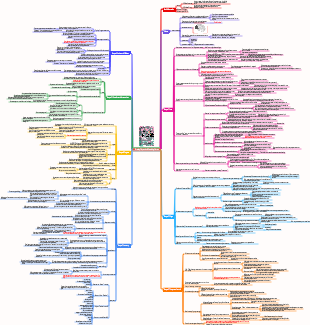
"The Age of Wolf" is a work by Harald Jena, which deeply explores the cruel laws of competition and survival in modern society. The book uses "wolf nature" as a metaphor, revealing the ambition, strategy and teamwork in human nature, and inspiring readers to find their own way of survival in complex environments.
Edited at 2025-02-28 17:19:51Rumi: 10 dimensions of spiritual awakening. When you stop looking for yourself, you will find the entire universe because what you are looking for is also looking for you. Anything you do persevere every day can open a door to the depths of your spirit. In silence, I slipped into the secret realm, and I enjoyed everything to observe the magic around me, and didn't make any noise. Why do you like to crawl when you are born with wings? The soul has its own ears and can hear things that the mind cannot understand. Seek inward for the answer to everything, everything in the universe is in you. Lovers do not end up meeting somewhere, and there is no parting in this world. A wound is where light enters your heart.
Chronic heart failure is not just a problem of the speed of heart rate! It is caused by the decrease in myocardial contraction and diastolic function, which leads to insufficient cardiac output, which in turn causes congestion in the pulmonary circulation and congestion in the systemic circulation. From causes, inducement to compensation mechanisms, the pathophysiological processes of heart failure are complex and diverse. By controlling edema, reducing the heart's front and afterload, improving cardiac comfort function, and preventing and treating basic causes, we can effectively respond to this challenge. Only by understanding the mechanisms and clinical manifestations of heart failure and mastering prevention and treatment strategies can we better protect heart health.
Ischemia-reperfusion injury is a phenomenon that cellular function and metabolic disorders and structural damage will worsen after organs or tissues restore blood supply. Its main mechanisms include increased free radical generation, calcium overload, and the role of microvascular and leukocytes. The heart and brain are common damaged organs, manifested as changes in myocardial metabolism and ultrastructural changes, decreased cardiac function, etc. Prevention and control measures include removing free radicals, reducing calcium overload, improving metabolism and controlling reperfusion conditions, such as low sodium, low temperature, low pressure, etc. Understanding these mechanisms can help develop effective treatment options and alleviate ischemic injury.
Rumi: 10 dimensions of spiritual awakening. When you stop looking for yourself, you will find the entire universe because what you are looking for is also looking for you. Anything you do persevere every day can open a door to the depths of your spirit. In silence, I slipped into the secret realm, and I enjoyed everything to observe the magic around me, and didn't make any noise. Why do you like to crawl when you are born with wings? The soul has its own ears and can hear things that the mind cannot understand. Seek inward for the answer to everything, everything in the universe is in you. Lovers do not end up meeting somewhere, and there is no parting in this world. A wound is where light enters your heart.
Chronic heart failure is not just a problem of the speed of heart rate! It is caused by the decrease in myocardial contraction and diastolic function, which leads to insufficient cardiac output, which in turn causes congestion in the pulmonary circulation and congestion in the systemic circulation. From causes, inducement to compensation mechanisms, the pathophysiological processes of heart failure are complex and diverse. By controlling edema, reducing the heart's front and afterload, improving cardiac comfort function, and preventing and treating basic causes, we can effectively respond to this challenge. Only by understanding the mechanisms and clinical manifestations of heart failure and mastering prevention and treatment strategies can we better protect heart health.
Ischemia-reperfusion injury is a phenomenon that cellular function and metabolic disorders and structural damage will worsen after organs or tissues restore blood supply. Its main mechanisms include increased free radical generation, calcium overload, and the role of microvascular and leukocytes. The heart and brain are common damaged organs, manifested as changes in myocardial metabolism and ultrastructural changes, decreased cardiac function, etc. Prevention and control measures include removing free radicals, reducing calcium overload, improving metabolism and controlling reperfusion conditions, such as low sodium, low temperature, low pressure, etc. Understanding these mechanisms can help develop effective treatment options and alleviate ischemic injury.
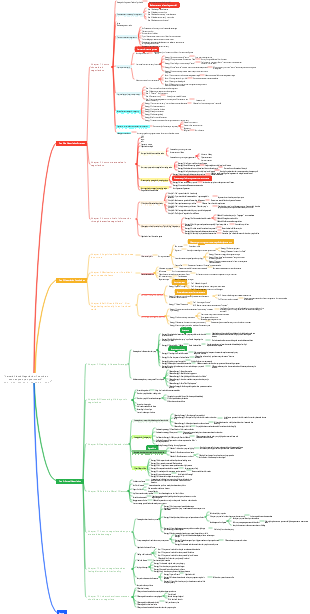
"The Age of Wolf" is Harald Jena
Introduction to Harald Jena
Nationality and background
German writer
Born in Germany
Growth background influences work
Career experience
Has been in various occupations
Finally becoming a writer
Literary Achievements
Many works published
Covering various genres such as novels and prose
Various styles of works
Literary Awards and Honors
Winning many literary awards
The works are recognized by the literary community
Overview of "The Era of Wolf"
Publishing information
Year of publication
Published in specific years
Response after publication
Publishing House
Published by well-known publishers
Publisher influence
Topics and content
Discussing wolf culture
The embodiment of wolf culture in society
The impact of wolf culture on individuals
Times background
Characteristics of the times reflected in the works
The influence of changes in the times on the fate of characters
Analysis of wolf culture
Definition of wolf culture
The meaning of wolf culture
Interpretation of wolf culture in different cultures
The core elements of wolf culture
Wolf culture and society
Application of wolf culture in the business field
The role of wolf culture in personal development
The reflection of wolf culture in "The Wolf Age"
Character creation
Description of the protagonist's wolf-like characteristics
Description of supporting actor wolf characteristics
Plot development and conflict
Conflict caused by wolf culture
The role of conflict in promoting story development
Work impact and evaluation
Readers' response
Reader Group Analysis
Reader acceptance of different age groups
Readers’ views on wolf culture
Reader reviews
Positive review
Appreciation points for the work
Affirmation to the author
Negative reviews
Criticism of the work
Questions about the author
Literary evaluation
Critics' opinions
Analysis of works by professional critics
Reviewers' comments on the author
Academic Research
Academic Discussion on Wolf Sex Culture
The status of "The Era of Wolf" in academic research
Harald Jena's writing style
Language Features
Language style analysis
A concise and powerful narrative
A philosophical dialogue
Use of literary techniques
The use of symbolism
The combination of realism and surrealism
Theme depth
Discussing human nature
The complexity of human nature
The comparison between human nature and wolf culture
Social Criticism
Criticism of modern society
Reflection on the role of individuals in society
Literary status of "The Wolf Age"
Status in the works of Harald Jena
One of the representative works
The importance of work in the author's career
The impact of the work on the author's other works
Relationship with other works
Continuation and expansion in theme
Similarities and differences in style
Status in the history of literature
Influence on later writers
What writers have inspired
The positioning of works in the history of literature
Contributions of literary schools
Contribution to wolf culture
Contributions to German literature
Global communication of "The Age of Wolf"
Translation and Publishing
Different language versions
How many languages are the works translated into
Acceptance in different cultural contexts
International publishing situation
In which countries are published
International sales and influence
International evaluation and discussion
Nominations for International Literature Awards
Nominations for international awards for works
The impact of nomination on the international status of the work
Discussions in the international literary circle
Discussion on works by international literary circles
The role of works in international literary exchanges
Other works by Harald Jena
List of works
Overview of published works
List the author's main works
Briefly describe the theme and characteristics of each work
Untranslated works
Introduction to works that have not been translated into Chinese
Discuss the potential value of these works
The connection between works
Continuity on the subject
Themes echo between different works
The social issues that the author has always paid attention to
Evolution in style
The evolution of the author's writing style
Comparison of works styles at different stages
Harald Jena's personal life
Early life experience
Family background
The impact of family on personal growth
The impact of family members on the author's career choice
Educational experience
The influence of school education on the author's thoughts
The inspiration of important educational experiences on writing
Career
The beginning of a writing career
The starting point of a writing career
Characteristics and influence of early works
The development of writing career
Important turning points in your career
The maturity process of work style and theme
Personal interests and hobbies
Amateur life
The author's hobbies
The impact of spare time on creation
Participation in social activities
Social activities that the author participates in
The impact of social activities on personal thoughts
The film and television adaptation of "The Wolf Age"
Adaptation history
Obtaining the adaptation rights
Transfer of adaptation rights
The impact of adaptation rights on the original work
Production of adapted works
The production team of adapted works
Challenges and solutions in the production process
Evaluation of adapted works
Audience feedback
Adaptive acceptance of adapted works
Audience's evaluation of adapted works
Critics' opinions
Professional critics' evaluation of adapted works
Comparative analysis of adapted works and original works
The impact of adaptation on the original work
Increase the popularity of the original work
The role of adapted works to promote sales of original works
The contribution of adapted works to the international communication of the original works
Controversy aroused
Controversy arose during the adaptation process
The impact of controversy on the original work and the author's image
The educational significance of "The Era of Wolf"
Application in literary education
As teaching material
Application in literature courses
The role of improving students' literary literacy
Topic Discussion and Research
Classroom discussions around the theme of the work
The value of works in academic research
Impact on teenagers
Acceptance of teen readers
Teenagers’ views on wolf culture
The inspiration that teenagers get from their works
The revelation of youth growth
The impact of works on youth values
The work shapes the behavioral patterns of adolescents
Revelation to society
Reflections of social problems
Revealing social problems in the works
The role of works in promoting social reform
Cultural inheritance and development
The role of works in cultural heritage
The role of works in promoting cultural innovation
Future Prospects of "The Era of Wolf"
The ongoing impact of the work
Long-term impact in the field of literature
The inspiration of works on literary creation in later generations
The lasting status of works in literary history
Role in social culture
The continuous impact of works on social culture
The status of works in cultural discussion
The author's future works
Expectations for new works
Readers’ expectations for the author’s new work
Possible themes and styles of the author's new work
Prospects of the author's creative career
Predicting the author's future creative direction
Prospects of the author's future position in the literary world