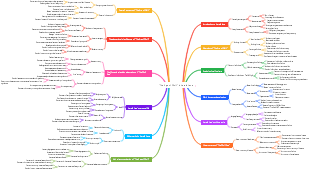
MindMap Gallery Harvard Classic Negotiation You win as soon as you open your mouth
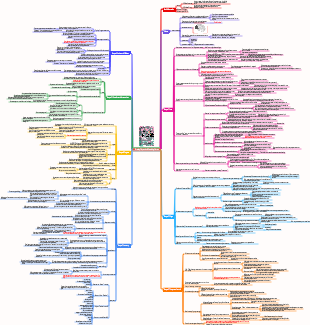
The conclusion and some summary content are not reflected, so everyone will modify it by themselves. Negotiation is not only a battle for interests, but also an opportunity to create value. Through effective negotiation, conflict can be transformed into opportunities for jointly creating value.
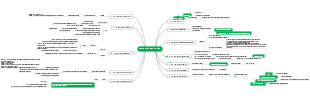
Edited at 2025-02-02 10:21:32In order to help everyone use DeepSeek more efficiently, a collection of DeepSeek guide mind map was specially compiled! This mind map summarizes the main contents: Yitu related links, DS profile analysis, comparison of DeepSeek and ChatGPT technology routes, DeepSeek and Qwen model deployment guide, how to make more money with DeepSeek, how to play DeepSeek, DeepSeek scientific research Application, how to import text from DeepSeek into MindMaster, the official recommendation of DeepSeek Wait, allowing you to quickly grasp the essence of AI interaction. Whether it is content creation, plan planning, code generation, or learning improvement, DeepSeek can help you achieve twice the result with half the effort!
This is a mind map about DeepSeek's 30 feeding-level instructions. The main contents include: professional field enhancement instructions, interaction enhancement instructions, content production instructions, decision support instructions, information processing instructions, and basic instructions.
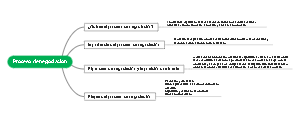
This is a mind map about a commercial solution for task speech recognition. The main content includes: text file content format:, providing text files according to the same file name as the voice file.
In order to help everyone use DeepSeek more efficiently, a collection of DeepSeek guide mind map was specially compiled! This mind map summarizes the main contents: Yitu related links, DS profile analysis, comparison of DeepSeek and ChatGPT technology routes, DeepSeek and Qwen model deployment guide, how to make more money with DeepSeek, how to play DeepSeek, DeepSeek scientific research Application, how to import text from DeepSeek into MindMaster, the official recommendation of DeepSeek Wait, allowing you to quickly grasp the essence of AI interaction. Whether it is content creation, plan planning, code generation, or learning improvement, DeepSeek can help you achieve twice the result with half the effort!
This is a mind map about DeepSeek's 30 feeding-level instructions. The main contents include: professional field enhancement instructions, interaction enhancement instructions, content production instructions, decision support instructions, information processing instructions, and basic instructions.
This is a mind map about a commercial solution for task speech recognition. The main content includes: text file content format:, providing text files according to the same file name as the voice file.
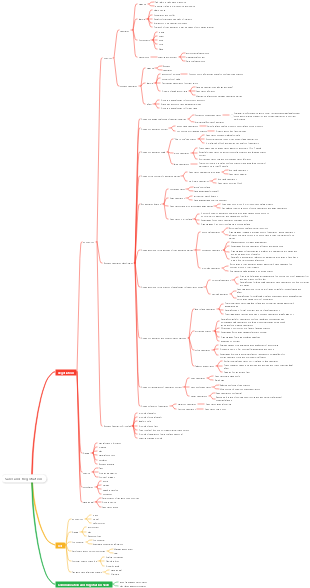
"Harvard Classic Negotiation: You win as soon as you open your mouth"
Part One Negotiation Strategy
Chapter 1 How to win value in negotiations
Strategies for Negotiation Tables to Fight Value
How to get the best results for yourself
5-step approach to preparing for negotiation
Step 1: Evaluate your best alternative
Realities that need to be faced if negotiations fail
Step 2: Calculate your bottom line
Step 3: Evaluate the other party’s best alternative
Step 4: Calculate the other party’s bottom line
Step 5: Evaluate the protocol interval
Agree
Evaluate negotiation results
7 common mistakes in negotiations
You'll make a quote first when you don't have a clear advantage
Quotation is too low
Too much talk, too little listen
Try to influence the other person, but don't learn from the other person
Didn't challenge your assumptions about the other person
The agreement range was miscalculated and no re-evaluation was conducted during the negotiation process.
You make more concessions than the other party
How to quote correctly
Should you quote first
How much information do you have
The other party’s information is insufficient, first the quote will give an “anchor”
How to deal with the other party first quote
Strategy 1: Ignore the other party's "anchor"
A kind tone to change the topic
Strategy 2: Distinguish between information and "false"
Stick to your original plan and filter information
Strategy 3: Avoid falling into the other party's "anchor"
Don't discuss too much about "anchor", the purpose is to understand that information is not an anchor
Strategy 4: Add an "anchored" price, and then both parties make adjustments
Pull the other party into its own "anchor" and then say we must work together to renegotiate
Strategy 5: Give the other party time and a step to adjust its quotation without losing face
4 factors to consider for correct quotation
Factor 1: Good quotes must include the entire agreement range
Make sure the quote falls outside the agreement range
Factor 2: Providing reasons for your offer
The most extreme quote that can be explained
Factor 3: Set a high but feasible goal
Factor 4: When quoting, you must consider the negotiation background and relationship between the two parties.
How cruel can you force the other person
Step 1: Get to know all the information before negotiation
Step 2: Make sure your assumptions before negotiation
Step 3: “Question” Your Assumptions
Step 4: Roundabout inquiry
Indirectly strike in a helpful posture
Step 5: Use contingency agreements to protect yourself from deception and deal with uncertainty
Lie detector tool
Seven effective strategies for bargaining
Strategy 1: Focus on the other party’s bottom line and the best alternatives
What can I do if the other party doesn’t have me?
Strategy 2: Don't make concessions
Strategy 3: Don't be afraid of silence
Strategy 4: Label your concessions
Strategy 5: Define peering clearly
Strategy 6: Use Conditional Concessions
Strategy 7: Understand the impact of narrowing concessions on the other party
Negotiation on the relationship between the two parties
The other party's offer makes you very happy
Pretend to think about it
Pretend to lose, and then counter
Be generous
Be vigilant
Poor information
Manage your satisfaction
Look at high goals during negotiations and look at bottom lines after the end
Chapter 2 How to create value in negotiations
Multi-item negotiation
Negotiation process
Negotiation analysis
Your goal should be to maximize value
Create value by introducing new issues
Achieve the best of Parato
Create value through contingency agreements
Information Mastery
Objective standards
Inspire both parties
Four major preparation strategies for creating value
Strategy 1: Clarify your multiple points of interest
Strategy 2: Establish a scoring system
Assign weights to multiple points of interest
Strategy 3: Calculate the bottom line value of the combination topic
The total bottom line value of the topic
Strategy 4: Clarify the other party’s multiple points of interest
Starting from what the other person cares about increases profit
Three execution strategies for creating value
Strategy 1: Negotiate multiple issues at the same time
Mainly to avoid reaching a final agreement on a single issue before all issues are discussed
Strategy 2: Give a combination proposal
Provide a variety of solutions to give each other room to choose
Let the other party know what you want on all issues
Strategy 3: Use various differences to create value
Post-negotiation strategy for creating value
Post-Agreement Agreement
The genius who creates value
Chapter 3 How to obtain information through detective negotiation
7 Principles of Detective Negotiation
Principle 1: Don’t just ask what it is, but also why
Principle 2: Try to reconcile the interests and don’t get entangled in demands
Pay attention to the other person's purpose
Principle 3: Seek common ground while reserving differences
There are no eternal friends, only eternal interests
Principle 4: Treat requirements as opportunities
What can I learn from this requirement
Principle 5: Don’t simply treat any problem as “the other party’s problem”
Treat the other party’s problems as your own. If you can help the other party solve the problem, you can also make a profit from it.
Principle 6: Don't let negotiations end with your proposal being rejected
Principle 7: "Selling" and "negotiation" are different
5 Strategies to Get Information from "Tight-Talking" Negotiators
Strategy 1: Build trust and share information
Method 1: Use the other party’s “language” to communicate
Method 2: Strengthen various links
Method 3: Build trust outside negotiations
Strategy 2: Don't forget to ask questions, especially if you're surprised or have doubts
A roundabout problem
Strategy 3: Provide some information about yourself
Share the level of different topics
Strategy 4: Negotiate multiple issues at the same time
The other party's priority
Strategy 5: Give multiple proposals at the same time
A tentative plan, what is the reason for the other party's choice
Negotiation is an information game
Part 2 Negotiation Psychology
Chapter 4 Cognitive bias: What you see is not true
When rationality fails
Four cognitive biases
Zero-sum bias
Either black or white
What is wrong to think is good to the other party will definitely be bad to us
Bright error
I saw only some dazzling options and ignored others
Strategy 1: Build a scoring system
Strategy 2: Separate information from "false"
Irrational investment upgrade (gambler psychology)
Strategy 1: Set an exit strategy before negotiation begins
Strategy 2: Set a role as "devil spokesperson" and give this person corresponding rewards
Strategy 3: Predict and prepare in advance for factors that may cause investment escalation
Describe Trap
The expression framework of "obtained" is more acceptable
Chapter 5 Motivation error: You didn't want to see the facts
Five motivational errors
Motives are incompatible
Desire and rational self-motivation are incompatible
Be prepared in advance and be irrational in advance
Self-centered
Think from the perspective of others
Overconfidence, irrational optimism and superior illusion
Confident and optimistic, but be cautious, pay attention to your opponent
Self-interest attribution
Double standard
Regret and disgust
Learn from experience, not regret
Chapter 6 Self-Bit and Others’ Bits: Negotiating rationally in an irrational world
3 major strategies to face self-missibility
Strategy 1: System 2 Thinking
Intuition and reason
Tips 1: Make a list of system 2
Tips 2: Avoid negotiating/decision-making under time pressure
Tips 3: Divide the negotiation process into multiple stages
Strategy 2: Analogous thinking (consciously compare the similarities and differences of various situations)
Summarize laws and theories from past experience
Skill 1: Interpret multiple negotiation cases at the same time
Tip 2: Focus on principles, not details
Interpret the process and results of the entire negotiation from a structural and conceptual level
Strategy 3: "Outsider" Perspective
Tips 1: Introducing an "outsider"
Skill 2: Take the initiative to adopt the perspective of "outsiders"
4 strategies to face other people's mistakes
Strategy 1: Consider the possible consequences of the other party’s mistakes in your strategy
Using System 2 thinking by yourself while dealing with the wrong effects of the other party's System 1 thinking (can cater to other needs while meeting your own needs)
Strategy 2: Help the other party reduce errors
Give the other party time to consider and compare
Encourage and help them think
Reset a sharing and negotiation time
Strategy 3: Calibrate the information provided by the other party
There are many factors that affect, and you should be closer to the mean
Strategy 4: Use contingency protocols to resolve conflicts caused by bias
Part 3: Actual Negotiation
Chapter 7 Finding Influence Strategy
8 strategies to influence the other party
Strategy 1: Emphasize the losses the other party may suffer rather than the potential benefits
Loss aversion
Negative descriptions should be avoided early in the discussion, and use losses to express them when summarizing opinions or seeking last chances
Strategy 2: Subdividing the other party’s profits and integrating the other party’s losses
The bad news is said at once, and the good news is said several times
Strategy 3: "Slam the Door" Method
Break window effect
Another requirement to lower the standard immediately after high requirements are rejected
Strategy 4: "Pressing the Threshold" method
Commitment consistency
After agreeing to a simple request, increase the requirements step by step every once in a while
Strategy 5: Utilize the power of rationalization
When asking others to help, you have to say the reason: "I want xx, because..."
Strategy 6: Use the power of recognition
A kind of follower or create scarcity
Strategy 7: Make symbolic one-sided concessions
Make a concession that the other party can see before making a request
Strategy 8: Use the right reference points to rationalize your proposals and requirements
Different reference points, the cost and value of the same product may be different.
6 defense strategies to protect yourself from impact
Defense Strategy 1: System Preparation
Defense Strategy 2: Establish a scoring system
Defense Strategy 3: Clearly distinguish information from "false"
Defense Strategy 4: Use other methods to express the other party’s proposals
Defense Strategy 5: Set a "Devil Spokesperson"
Defensive Strategy 6: Avoid negotiating under time pressure as much as possible
Chapter 8: Discovering blind spots in negotiations
Potential negotiators
Going into irrational investment escalation
The other party's decision-making rules
The other party's information advantage
1. Imagine how you feel if your offer is accepted immediately
2. Find objective and expert advice
3. Bid under certain conditions
Competitor's strengths
Information needed in the future
Something in front of you
How to broaden your horizons
Chapter 9: Dealing with lies and tricks
4 strategies to preemptively defend against lies and tricks
Defensive Strategy 1: Showing a well-prepared look
Defense Strategy 2: Show your ability to obtain information to the other party
In the future, you can obtain information from other places and choose others
Defense Strategy 3: Indirectly ask questions without threats
Split sensitive issues into multiple insensitive minor issues and then reasoning
Defense Strategy 4: Don't Lie
Properly disclose some harmless real information and show fragility
5 strategies for lie detection
Lie detecting strategy 1: Diversification of information collection
Lie detection strategy 2: Set up a set
Ask a question you already know the answer and see how the other person answers
Lie Detection Strategy 3: Multi-party Verification Method
When you suspect that the other party is lying about a certain issue, ask more details about this issue
Lie Testing Strategy 4: Pay attention to those responses that “didn’t answer your question”
Lie Testing Strategy 5: Betting Contrary Agreement
You catch the other person and lie, what should I do
Stay calm first
Question 1: Is the other party really lying?
Starting from yourself, show your understanding of the suspected lie just now, and explain why you feel that you have been misled or deceived
Question 2: Should we continue or leave
Question 3: Should we warn or confront
Warning: Give the steps from the other party's perspective
Confrontation: Give the steps but be stronger
7 Best Ways to Alive
Strategy 1: Add reputation and relationships when calculating costs
Strategy 2: Be prepared to answer difficult questions
Strategy 3: Don’t negotiate or answer questions under high pressure
Strategy 4: Some questions should be rejected
Reject answer politely
Strategy 5: Proactively ask for answers to another question
Share some indirect information
Strategy 6: Improve the status quo
Combined with Strategy 2
Strategy 7: Eliminate the bondage that tempts you to lie
Chapter 10 Solve the Moral Dilemma
Limited moral issues
It means that an individual or group only exhibits moral behavior in a specific situation, but may not follow the same moral code in other situations
Conflict of interest
Interests determine positions, standpoints determine opinions
Agent Problem
Find an outsider who has no interest
Cross-validation
Implicit connections and prejudice
I am biased against xx, but I don't think so
Parasitic value creation
Negotiators create value by seizing value from groups that are not on the negotiating table
Exaggerate contribution
Method: Pay attention not only to what you do, but also to what others do
How to manage yourself and understand your opponent
Chapter 11 How to negotiate when you are at a disadvantage
5 strategies when there is no power
Strategy 1: Don't expose you're at a disadvantage
Strategy 2: Use the other party’s weaknesses to overcome your own weaknesses
Strategy 3: Identify and capitalize on your unique value contribution
Submit multiple proposals
Price your proposal so low that it can enter the next round
Go into negotiations and create value
Exclude agents from "game"
Send your proposal directly to the customer
Talk to a post-agre agreement with the client
After signing the contract, you can modify the agreement to create more value
Keep in close contact with customers when not bidding
Strategy 4: If your disadvantages are very obvious, consider giving up your remaining power altogether
Ask for help from the other party
Strategy 5: Develop strategies based on your overall negotiation portfolio
3 major strategies to break the current power pattern
Strategy 1: Align with other disadvantaged parties to enhance your strength
Strategy 2: Take advantage of your biggest weakness – they may also want you to survive
What value can you create for others
Strategy 3: Understand and then attack the other party's source of power
Negotiation Genius and Power
Chapter 12 How to negotiate when facing distrust and irrationality
Dealing with irrationality
Error 1: They are not irrational, but they do not understand the situation
Error 2: They are not irrational, but have potential limitations
Error 3: They are not irrational, but have potential points of interest
What should I do if the other party is really irrational
Deal with distrust
Trust has multiple dimensions
Coping with anger
Strategy 1: Understand why the other party is angry
Strategy 2: Let the other party speak out their anger
Strategy 3: Be careful to avoid emotional problems
Strategy 4: Help the other party focus on their deep interests
Respond to threats and ultimatums
Strategy 1: Ignore Threats
Negotiation talk
Strategy 2: Eliminate threats that the other party may want to give in advance
Tell the other person's concerns first
Strategy 3: If you think the other party’s threat does not exist, tell the other party clearly
Respond to face problems
Chapter 13 Under what circumstances should we not negotiate
When time is money
When your best alternative is extremely bad and everyone knows
When negotiations send out wrong signals
First, let's talk
Second, change the signal
Third, don't talk about it
When negotiation affects relationship
Don't just focus on price
When negotiation is cultural taboo
When your best alternative is better than the other party can give
theme