MindMap Gallery Analysis of common adverse phenomena of lamps
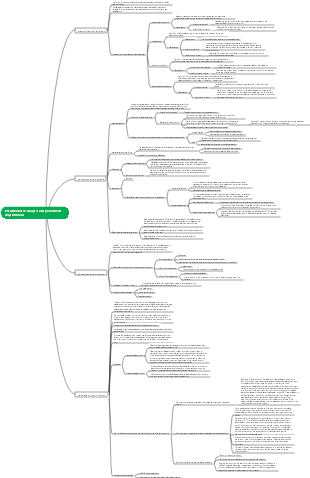
This is a mind map about the analysis of common adverse phenomena of lamps. The main contents include: completely non-lighting, intermittent flickering, slightly brightening (ghost fire phenomenon), delayed start-up, core cause analysis, professional-level prevention solutions, and key maintenance cycles.
Edited at 2025-03-01 11:49:41Rumi: 10 dimensions of spiritual awakening. When you stop looking for yourself, you will find the entire universe because what you are looking for is also looking for you. Anything you do persevere every day can open a door to the depths of your spirit. In silence, I slipped into the secret realm, and I enjoyed everything to observe the magic around me, and didn't make any noise. Why do you like to crawl when you are born with wings? The soul has its own ears and can hear things that the mind cannot understand. Seek inward for the answer to everything, everything in the universe is in you. Lovers do not end up meeting somewhere, and there is no parting in this world. A wound is where light enters your heart.
Chronic heart failure is not just a problem of the speed of heart rate! It is caused by the decrease in myocardial contraction and diastolic function, which leads to insufficient cardiac output, which in turn causes congestion in the pulmonary circulation and congestion in the systemic circulation. From causes, inducement to compensation mechanisms, the pathophysiological processes of heart failure are complex and diverse. By controlling edema, reducing the heart's front and afterload, improving cardiac comfort function, and preventing and treating basic causes, we can effectively respond to this challenge. Only by understanding the mechanisms and clinical manifestations of heart failure and mastering prevention and treatment strategies can we better protect heart health.
Ischemia-reperfusion injury is a phenomenon that cellular function and metabolic disorders and structural damage will worsen after organs or tissues restore blood supply. Its main mechanisms include increased free radical generation, calcium overload, and the role of microvascular and leukocytes. The heart and brain are common damaged organs, manifested as changes in myocardial metabolism and ultrastructural changes, decreased cardiac function, etc. Prevention and control measures include removing free radicals, reducing calcium overload, improving metabolism and controlling reperfusion conditions, such as low sodium, low temperature, low pressure, etc. Understanding these mechanisms can help develop effective treatment options and alleviate ischemic injury.
Rumi: 10 dimensions of spiritual awakening. When you stop looking for yourself, you will find the entire universe because what you are looking for is also looking for you. Anything you do persevere every day can open a door to the depths of your spirit. In silence, I slipped into the secret realm, and I enjoyed everything to observe the magic around me, and didn't make any noise. Why do you like to crawl when you are born with wings? The soul has its own ears and can hear things that the mind cannot understand. Seek inward for the answer to everything, everything in the universe is in you. Lovers do not end up meeting somewhere, and there is no parting in this world. A wound is where light enters your heart.
Chronic heart failure is not just a problem of the speed of heart rate! It is caused by the decrease in myocardial contraction and diastolic function, which leads to insufficient cardiac output, which in turn causes congestion in the pulmonary circulation and congestion in the systemic circulation. From causes, inducement to compensation mechanisms, the pathophysiological processes of heart failure are complex and diverse. By controlling edema, reducing the heart's front and afterload, improving cardiac comfort function, and preventing and treating basic causes, we can effectively respond to this challenge. Only by understanding the mechanisms and clinical manifestations of heart failure and mastering prevention and treatment strategies can we better protect heart health.
Ischemia-reperfusion injury is a phenomenon that cellular function and metabolic disorders and structural damage will worsen after organs or tissues restore blood supply. Its main mechanisms include increased free radical generation, calcium overload, and the role of microvascular and leukocytes. The heart and brain are common damaged organs, manifested as changes in myocardial metabolism and ultrastructural changes, decreased cardiac function, etc. Prevention and control measures include removing free radicals, reducing calcium overload, improving metabolism and controlling reperfusion conditions, such as low sodium, low temperature, low pressure, etc. Understanding these mechanisms can help develop effective treatment options and alleviate ischemic injury.
Analysis of common adverse phenomena of lamps
Not lit at all
Power system problems
Abnormal power supply (voltage fluctuations >±10%)
Empty open/missible security fault
Line aging (insufficient wire diameter/oxidation)
Poor contact (loose terminals)
Lamp body failure
Drive power failure (electrolytic capacitor bulge/IC burned)
LED chip light decay (junction temperature >85℃ continuous operation)
Welding defects (cold welding/fixed welding)
Failure of the heat dissipation structure (poor contact with the heat dissipation fin)
Installation process defects
Zero-fire wire connection (common smart lamps)
The ground wire is connected to the dummy (causing the induced voltage)
Parallel loop interference (multi-channel dimming conflict)
Water inlet of the junction box (IP protection level does not match)
Environmental factors
High temperature and high humidity (bathroom/kitchen scene)
Electromagnetic interference (near frequency conversion equipment)
Vibration environment (the chandelier structure is loose)
Chemical corrosion (industrial workshop)
Intermittent flashing
Power system problems
Abnormal power supply (voltage fluctuations >±10%)
Empty open/missible security fault
Line aging (insufficient wire diameter/oxidation)
Poor contact (loose terminals)
Lamp body failure
Drive power failure (electrolytic capacitor bulge/IC burned)
LED chip light decay (junction temperature >85℃ continuous operation)
Welding defects (cold welding/fixed welding)
Failure of the heat dissipation structure (poor contact with the heat dissipation fin)
Installation process defects
Zero-fire wire connection (common smart lamps)
The ground wire is connected to the dummy (causing the induced voltage)
Parallel loop interference (multi-channel dimming conflict)
Water inlet of the junction box (IP protection level does not match)
Environmental factors
High temperature and high humidity (bathroom/kitchen scene)
Electromagnetic interference (near frequency conversion equipment)
Vibration environment (the chandelier structure is loose)
Chemical corrosion (industrial workshop)
Slightly bright (ghost fire phenomenon)
Power system problems
Abnormal power supply (voltage fluctuations >±10%)
Empty open/missible security fault
Line aging (insufficient wire diameter/oxidation)
Poor contact (loose terminals)
Lamp body failure
Drive power failure (electrolytic capacitor bulge/IC burned)
LED chip light decay (junction temperature >85℃ continuous operation)
Welding defects (cold welding/fixed welding)
Failure of the heat dissipation structure (poor contact with the heat dissipation fin)
Installation process defects
Zero-fire wire connection (common smart lamps)
The ground wire is connected to the dummy (causing the induced voltage)
Parallel loop interference (multi-channel dimming conflict)
Water inlet of the junction box (IP protection level does not match)
Environmental factors
High temperature and high humidity (bathroom/kitchen scene)
Electromagnetic interference (near frequency conversion equipment)
Vibration environment (the chandelier structure is loose)
Chemical corrosion (industrial workshop)
Delayed start
Power system problems
Abnormal power supply (voltage fluctuations >±10%)
Empty open/missible security fault
Line aging (insufficient wire diameter/oxidation)
Poor contact (loose terminals)
Lamp body failure
Drive power failure (electrolytic capacitor bulge/IC burned)
LED chip light decay (junction temperature >85℃ continuous operation)
Welding defects (cold welding/fixed welding)
Failure of the heat dissipation structure (poor contact with the heat dissipation fin)
Installation process defects
Zero-fire wire connection (common smart lamps)
The ground wire is connected to the dummy (causing the induced voltage)
Parallel loop interference (multi-channel dimming conflict)
Water inlet of the junction box (IP protection level does not match)
Environmental factors
High temperature and high humidity (bathroom/kitchen scene)
Electromagnetic interference (near frequency conversion equipment)
Vibration environment (the chandelier structure is loose)
Chemical corrosion (industrial workshop)
Core Cause Analysis
Power system problems
Abnormal power supply (voltage fluctuations >±10%)
Empty open/missible security fault
Line aging (insufficient wire diameter/oxidation)
Poor contact (loose terminals)
Lamp body failure
Drive power failure (electrolytic capacitor bulge/IC burned)
LED chip light decay (junction temperature >85℃ continuous operation)
Welding defects (cold welding/fixed welding)
Failure of the heat dissipation structure (poor contact with the heat dissipation fin)
Installation process defects
Zero-fire wire connection (common smart lamps)
The ground wire is connected to the dummy (causing the induced voltage)
Parallel loop interference (multi-channel dimming conflict)
Water inlet of the junction box (IP protection level does not match)
Environmental factors
High temperature and high humidity (bathroom/kitchen scene)
Electromagnetic interference (near frequency conversion equipment)
Vibration environment (the chandelier structure is loose)
Chemical corrosion (industrial workshop)
Professional-level prevention solutions
Power supply optimization solution
Install online UPS (key areas)
Configure voltage regulator (voltage fluctuation >±15% area)
Low impedance wiring (wire loss <3%)
Lamp selection specifications
Driver power selection (PF>0.9, THD<15%)
Thermal management design (junction temperature control below 75℃)
Protection level matching (bathroom IP65/outdoor IP67)
Installation and construction standards
Use WAGO terminal blocks (replace traditional tape)
Reserved maintenance port (large lamp maintenance channel)
Perform 3D shock-proof installation (theater/stadium scene)
Intelligent system compatibility
DALI protocol dimming system is preferred
Configure resistor and capacitor absorption circuit (eliminate induction)
Install signal isolator (RS-485 bus application)
Critical maintenance cycle
Quarterly Check
Terminal torque (1.5-2N·m)
Half a year test
Insulation resistance (>2MΩ)
Annual maintenance
Radiator cleaning (compressed air purge)
Lifetime warning
LED light decay exceeds 30% and replaces it
Additional suggestions
Establish a lamp health record (record the driving working voltage/current curve)
The use of infrared thermal imaging technology for preventive maintenance can reduce the failure rate by more than 75%.