MindMap Gallery Core elements of lighting heat dissipation design
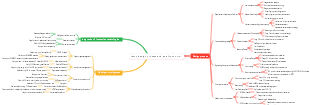
This is a mind map about the core elements of lamp heat dissipation design. The main contents include: 1. Key factors affecting lamp heat dissipation, 2. Professional optimization design strategies, and 3. Implementation suggestions.
Edited at 2025-03-01 09:33:15Rumi: 10 dimensions of spiritual awakening. When you stop looking for yourself, you will find the entire universe because what you are looking for is also looking for you. Anything you do persevere every day can open a door to the depths of your spirit. In silence, I slipped into the secret realm, and I enjoyed everything to observe the magic around me, and didn't make any noise. Why do you like to crawl when you are born with wings? The soul has its own ears and can hear things that the mind cannot understand. Seek inward for the answer to everything, everything in the universe is in you. Lovers do not end up meeting somewhere, and there is no parting in this world. A wound is where light enters your heart.
Chronic heart failure is not just a problem of the speed of heart rate! It is caused by the decrease in myocardial contraction and diastolic function, which leads to insufficient cardiac output, which in turn causes congestion in the pulmonary circulation and congestion in the systemic circulation. From causes, inducement to compensation mechanisms, the pathophysiological processes of heart failure are complex and diverse. By controlling edema, reducing the heart's front and afterload, improving cardiac comfort function, and preventing and treating basic causes, we can effectively respond to this challenge. Only by understanding the mechanisms and clinical manifestations of heart failure and mastering prevention and treatment strategies can we better protect heart health.
Ischemia-reperfusion injury is a phenomenon that cellular function and metabolic disorders and structural damage will worsen after organs or tissues restore blood supply. Its main mechanisms include increased free radical generation, calcium overload, and the role of microvascular and leukocytes. The heart and brain are common damaged organs, manifested as changes in myocardial metabolism and ultrastructural changes, decreased cardiac function, etc. Prevention and control measures include removing free radicals, reducing calcium overload, improving metabolism and controlling reperfusion conditions, such as low sodium, low temperature, low pressure, etc. Understanding these mechanisms can help develop effective treatment options and alleviate ischemic injury.
Rumi: 10 dimensions of spiritual awakening. When you stop looking for yourself, you will find the entire universe because what you are looking for is also looking for you. Anything you do persevere every day can open a door to the depths of your spirit. In silence, I slipped into the secret realm, and I enjoyed everything to observe the magic around me, and didn't make any noise. Why do you like to crawl when you are born with wings? The soul has its own ears and can hear things that the mind cannot understand. Seek inward for the answer to everything, everything in the universe is in you. Lovers do not end up meeting somewhere, and there is no parting in this world. A wound is where light enters your heart.
Chronic heart failure is not just a problem of the speed of heart rate! It is caused by the decrease in myocardial contraction and diastolic function, which leads to insufficient cardiac output, which in turn causes congestion in the pulmonary circulation and congestion in the systemic circulation. From causes, inducement to compensation mechanisms, the pathophysiological processes of heart failure are complex and diverse. By controlling edema, reducing the heart's front and afterload, improving cardiac comfort function, and preventing and treating basic causes, we can effectively respond to this challenge. Only by understanding the mechanisms and clinical manifestations of heart failure and mastering prevention and treatment strategies can we better protect heart health.
Ischemia-reperfusion injury is a phenomenon that cellular function and metabolic disorders and structural damage will worsen after organs or tissues restore blood supply. Its main mechanisms include increased free radical generation, calcium overload, and the role of microvascular and leukocytes. The heart and brain are common damaged organs, manifested as changes in myocardial metabolism and ultrastructural changes, decreased cardiac function, etc. Prevention and control measures include removing free radicals, reducing calcium overload, improving metabolism and controlling reperfusion conditions, such as low sodium, low temperature, low pressure, etc. Understanding these mechanisms can help develop effective treatment options and alleviate ischemic injury.
Core elements of lighting heat dissipation design
1. Key factors affecting the heat dissipation of lamps
Heat generation source
LED chip power density
High power density leads to high heat generation
An efficient cooling system is required to maintain LED performance
Drive power efficiency
Power conversion efficiency affects heat generation
High efficiency power supply reduces heat burden
Structural component friction/resistance
Friction between parts generates additional heat
Reduce friction when designing
The efficiency of cooling pathways
Conducted path
Material thermal conductivity (aluminum/copper/ceramic)
The thermal conductivity of different materials is significant
Choose high thermal conductivity materials to improve heat dissipation efficiency
Thermal path design
Design a reasonable thermal conduction path
Reduce thermal resistance and improve heat dissipation efficiency
Contact surface treatment process
Optimize contact surfaces to reduce thermal resistance
Improve the heat conduction efficiency of the interface
Convection intensity
Natural convection heat sink layout
Design heat sink using natural convection principle
Optimize the shape and layout of the heat sink to enhance heat dissipation
Forced convection fan configuration
Use a fan to force air flow
Improve heat dissipation efficiency
Chimney effect utilization
Use chimney effect to promote hot air rise
Enhance the heat dissipation capability
Radiation capability
Surface emissivity (anodized/coating)
Increase surface emissivity to enhance radiation heat dissipation
Choose the right surface treatment technology
Radiation area optimization
Increase the heat dissipation surface area
Improve heat dissipation efficiency
Environmental factors
Ambient temperature gradient
Temperature differences affect heat dissipation efficiency
Ambient temperature changes need to be considered during design
Air flow rate
Air flow takes away heat
Optimize air flow to enhance heat dissipation
Dust/humidity conditions
Dust and humidity affect heat dissipation performance
Design dust-proof, water-proof and heat-dissipating structure
2. Professional optimization design strategy
Material Innovation
Use gradient composite heat dissipation material (aluminum-based composite material)
Optimize heat dissipation using the gradient characteristics of composite materials
Improve heat dissipation efficiency and structural strength
Inline graphene heat conducting flakes (local hot spot treatment)
Treating hot spots with high thermal conductivity of graphene
Reduce local temperature and prevent overheating
Application of phase change energy storage materials (to cope with transient thermal shock)
Use phase change materials to absorb and release heat
Relieve transient thermal shock and protect lamp components
Structural topology optimization
Bionic heat dissipation structure (hive/leaf vein morphology)
Design of thermal dissipation structure imitating nature
Improve heat dissipation efficiency and structural stability
Microchannel liquid cooling system integration
Integrated microchannel liquid cooling system
Improve heat dissipation efficiency and reduce noise
Variable cross-section fin design (adapted to aerodynamics)
Design variable cross-section fins to adapt to different wind speeds
Improve convection heat dissipation efficiency
Thermal management technology upgrade
Intelligent heat pipe array (direction adaptation)
Automatically adjust the heat dissipation direction using the heat pipe array
Improves flexibility and efficiency of heat dissipation
Thermoelectric refrigeration module (Peltier effect)
Use Peltier effect for active cooling
Effectively control hot spot temperature
Magnetic fluid heat dissipation technology (active heat handling)
Use magnetic fluid for thermal transport
Improve the response speed and efficiency of the cooling system
System-level thermal design
Multiphysics coupling simulation (thermal-flow-solid coupling)
Perform multi-physics coupled simulation analysis
Optimize overall heat dissipation design
Dynamic thermal balance control algorithm
Realize dynamic thermal balance control
Keep the lamp at optimal operating temperature
Thermal failure warning system (IoT temperature sensing)
Temperature monitoring using IoT technology
Timely warning of the risk of thermal failure
Manufacturing Optimization
Vacuum brazing process (reducing contact thermal resistance)
Apply vacuum brazing technology to reduce thermal resistance
Improve the heat conduction efficiency of the heat dissipation structure
Nanocoated vapor phase deposition
Improve heat dissipation performance using nanocoating technology
Enhance the surface heat dissipation capability
Automatic dispensing of thermal interface materials
Automatic hot interface material
Improve the consistency of production efficiency and heat dissipation performance
Implementation Suggestions
Establish a thermal design database
Accumulate heat dissipation solutions cases under different working conditions
Collect and analyze heat dissipation scheme cases
Provide reference data for thermal design
Modular design
Realize the rapid adaptation of the heat dissipation system and the optical module
Design a modular cooling system
Improve the flexibility and maintainability of lamp design
Full life cycle management
Closed-loop thermal management from design end to recycling end
Implement thermal management throughout the life cycle
Optimize resource utilization and reduce environmental impact
Environmental adaptability design
Developed self-cleaning/dust-proof structures (such as shark skin bionic surfaces)
Design a structure with self-cleaning and dustproof functions
Improve the reliability of lamps in harsh environments
Interdisciplinary integration
It is recommended to use ANSYS Icepak for three-dimensional thermal simulation
Use simulation software for thermal analysis
Discover thermal problems in design in advance
Optimize parameters in combination with DOE experimental design method
Optimize heat dissipation parameters using experimental design methods
Improve the scientificity and accuracy of heat dissipation design
High-power lamp heat dissipation technology
Microspray evaporation cooling technology is recommended
Micro-spraying technology for high-power lamps
Significantly improve heat dissipation efficiency
The heat dissipation efficiency can be improved by more than 40%
Achieve high-efficiency heat dissipation solutions
Ensure the stable operation of high-power lamps