MindMap Gallery Talent reserve strategic theory concept 1.0
This is a mind map about the theoretical concept of talent reserve strategy 1.0, which mainly includes: data analysis and talent forecasting, legal compliance and risk management, employee relationships and communication, succession planning and leadership development, organizational development and cultural construction, performance management, training and development, recruitment and selection.
Edited at 2025-02-21 15:26:33This template shows the structure and function of the reproductive system in the form of a mind map. It introduces the various components of the internal and external genitals, and sorts out the knowledge clearly to help you become familiar with the key points of knowledge.
This is a mind map about the interpretation and summary of the relationship field e-book, Main content: Overview of the essence interpretation and overview of the relationship field e-book. "Relationship field" refers to the complex interpersonal network in which an individual influences others through specific behaviors and attitudes.
This is a mind map about accounting books and accounting records. The main contents include: the focus of this chapter, reflecting the business results process of the enterprise, the loan and credit accounting method, and the original book of the person.
This template shows the structure and function of the reproductive system in the form of a mind map. It introduces the various components of the internal and external genitals, and sorts out the knowledge clearly to help you become familiar with the key points of knowledge.
This is a mind map about the interpretation and summary of the relationship field e-book, Main content: Overview of the essence interpretation and overview of the relationship field e-book. "Relationship field" refers to the complex interpersonal network in which an individual influences others through specific behaviors and attitudes.
This is a mind map about accounting books and accounting records. The main contents include: the focus of this chapter, reflecting the business results process of the enterprise, the loan and credit accounting method, and the original book of the person.
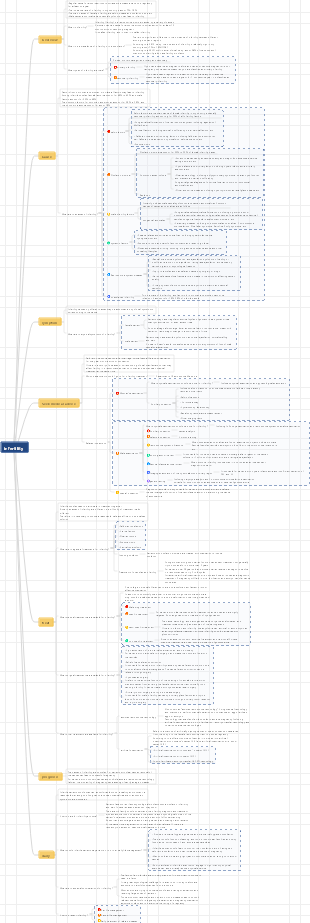
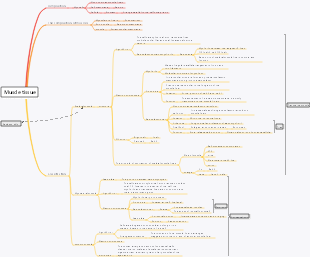
Talent reserve strategic theory concept 1.0
Recruitment and selection
Develop a recruitment plan
Analyze the future human resources needs of enterprises
Assess the matching degree of existing employee skills and positions
Predict changes in demand for talent due to business growth
Set recruitment goals and schedules
Determine the job position and number of people
Develop recruitment timelines and key milestones
Broaden recruitment channels
Utilize social media and professional recruitment sites
Publish jobs on LinkedIn, BOSS and other platforms
Promote recruitment information in industry-related forums and communities
Establish a campus recruitment cooperation relationship
Cooperate with universities to carry out internship projects
Participate in campus job fairs to attract fresh graduates
Optimize the selection process
Design effective screening criteria
Develop a capability model or talent portrait based on job needs
Determine methods for evaluating candidate skills and experience
Implement multiple rounds of interviews and assessments
Arrange professional interviewers for preliminary screening
Use personality tests and ability tests to assist decision making
Training and development
Establish a training system
Determine training requirements
Identify employee skills gaps through performance evaluation/talent inventory
Communication with the job leader to determine the training focus
Design training courses
Develop internal training materials and courses
Select an external training institution or course to supplement
Implement career development plan
Discuss career goals with employees
Have regular career development conversations
Help employees develop personal development plans
Provide promotion and horizontal development opportunities
Establish an internal promotion mechanism
Encourage cross-departmental rotation to broaden experience
Continuing education and learning
Encourage employees to participate in online courses and seminars
Provide learning platforms and resources
Establish a learning time reward system
Track training results
Evaluate training results through exams and projects
Collect feedback and continuously optimize training content
Performance Management
Establish a performance evaluation system
Develop clear performance indicators
Develop key performance indicators (KPIs) based on job responsibilities
Ensure that indicators are consistent with corporate strategic goals
Regular performance evaluation
Arrange annual or semi-annual performance interviews
Collect colleague evaluations using 360 degrees and other feedback
Performance feedback and motivation
Provide timely performance feedback
Give constructive feedback in daily work
Provide detailed feedback reports after performance evaluation
Design incentive mechanism
Adjust compensation and bonuses based on performance results
Implement non-material incentives such as commendation and promotion opportunities
Organizational development and cultural construction
Develop leadership
Identify potential leadership talents
Identify high-potential employees through leadership assessment tools
Observe employees' performance in projects and teams
Provide leadership training and development opportunities
Arrange leadership training courses and workshops
Provide mentoring and mentoring programs for potential employees
Shaping a positive corporate culture
Clarify the core values of the enterprise
Develop values that reflect the mission and vision of the company
Strengthen values through internal communication and activities
Encourage employees to participate in cultural construction
Carry out team building activities and cultural promotion activities
Encourage employees to put forward cultural construction suggestions and creativity
Succession Planning and Leadership Development
Develop a succession plan
Identify key positions and potential successors
Analyze key positions and identify succession needs
Assess the succession potential of internal employees
Design successor training path
Develop personalized development plans for successors
Provide necessary training and experience accumulation opportunities
Strengthen leadership development
Provide cross-departmental and cross-functional training opportunities
Arrange successors to study in different departments
Encourage successors to participate in diversified project work
Establish a mentor system
Match experienced mentors for successors
Organize regular exchange meetings between mentors and successors
Employee Relations and Communication
Establish an effective communication mechanism
Regular meetings of all members and departmental meetings
Notify the latest enterprise trends and strategic plans
Collect employee opinions and suggestions
Utilize internal communication platform
Establish internal social networks and forums
Publish information through email, bulletin board, etc.
Maintain good employee relationships
Focus on employee welfare and work-life balance
Provide flexible work arrangements and benefits plans
Organize employee health and leisure activities
Handle employee relationship issues in a timely manner
Establish an employee relationship management team
Provide employee consultation and mediation services
Legal compliance and risk management
Comply with labor laws and regulations
Regular labor regulations training
Educate employees and management to understand relevant laws and regulations
Update internal corporate policies to comply with the latest legal requirements
Prevent labor disputes
Establish a fair recruitment and promotion mechanism
Provides a transparent performance evaluation and compensation system
Management risk of talent loss
Analyze the causes of talent loss
Learn about the reasons for employees' resignation through resignation interview
Regular employee satisfaction surveys
Develop talent retention strategies
Provide competitive compensation and benefits
Implement employee care programs and career development support
Data analysis and talent forecasting
Utilizing Human Resources Information System (HRIS)
Collect and analyze human resources data
Track employee recruitment, training, performance and turnover data
Predict talent demand and trends using data analytics tools
Make decisions based on data
Adjust the talent reserve plan based on data analysis results
Optimize human resource allocation and cost control
Conduct talent market analysis
Pay attention to industry talent trends
Study the flow of talents and salary levels in the same industry
Track the impact of emerging technologies and industry trends on talent demand
Adjust the talent reserve strategy
Adjust recruitment and training plans based on market changes
Develop new skills and abilities to adapt to market changes