MindMap Gallery Breast Cancer
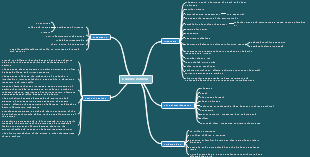
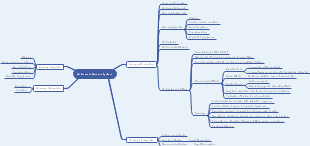
Breast Cancer encompasses Risk Factors, Classification and Types, Non-Modifiable factors, Receptors, and the most common type (~80%) originating in ducts. Risk Factors include age, family history, and genetic factors. Classification and Types are based on the histological features and biological behavior of the tumor. Non-Modifiable factors refer to unchangeable risk factors such as age and gender. Receptors involve the status of estrogen receptor (ER), progesterone receptor (PR), and HER2 receptor, which are crucial for treatment selection. The most common type, ductal carcinoma, originates in the ducts and accounts for the majority of breast cancers.
Edited at 2025-03-23 19:13:23Breast Cancer
Introduction
1/8 Women
Risk Factors
Modifiable
High BMI
Adipose tissue releases excess estrogen
Obesity
Lifestyle
Excessive daily alcohol intake
Parity
Nulliparity
When pregnant lifetime exposure to estrogen drops, thereby being a protective mechanism
First pregnancy post age of 30 years
Oral Contraceptives (Pills)
Long term exposure to estrogen
Hormonal replacement therapy
Radiation
Direct Radioactive Exposure
Non-Modifiable
Age Incidence increase with Age
Race
Higher in white or jewish people
Sex: F> M
Genetic predisposition
BRCA 1
BRCA 2
TP53
High breast tissue density
PTEN
First degree family member
Menstrual History
Early Menarche
Late Menopause
Subtopic
Classification and Types
Invase
Ductal Carcinoma
Most common type (~80%), originates in ducts.
Non Specific
Medulary
Papillary
Mucinous
Lobular Carcinoma
Second most common, often bilateral and multifocal.
Non- Invase
Ductal Carcinoma in Situ
Non-invasive, precursor to invasive disease.
Lobular Carcinoma in Situ
Non-invasive, increased risk of invasive cancer. Usually not premalignant
Pagets Dz of the Breast
Molecular Subtypes
Luminal A
(ER+/PR+, HER2-) → Best prognosis, hormone-responsive.
Luminal B
(ER+/PR+, HER2+/-) → More aggressive than Luminal A, needs chemo ± HER2 therapy.
HER2- Enriched
(ER-/PR-, HER2+) → Highly aggressive, responds to trastuzumab.
Triplle- Negative Breast cancer
(TNBC, ER-/PR-/HER2-) → Most aggressive, high recurrence, BRCA-associated.
Receptors
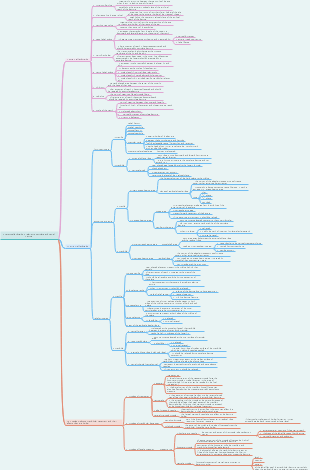
Breast Cancer Receptors & Their Clinical Significance In breast cancer, the expression of specific receptors determines tumor behavior, prognosis, and treatment strategies. The three key receptors are: Estrogen Receptor (ER) Progesterone Receptor (PR) Human Epidermal Growth Factor Receptor 2 (HER2) Each receptor plays a distinct role in tumor progression and response to therapy. Key Exam Takeaways ER+ tumors → Best prognosis, respond to hormonal therapy. PR+ tumors → More likely to respond to anti-estrogen therapy. HER2+ tumors → Aggressive but highly responsive to trastuzumab. TNBC → Worst prognosis, requires aggressive chemotherapy.
1. Hormone Receptors (ER & PR) (a) Estrogen Receptor (ER) Function: ER is a nuclear receptor that binds estrogen, leading to gene transcription that promotes cell growth & proliferation. Found in luminal epithelial cells of the breast. Types of ER: ERα (Most relevant in breast cancer) → Drives tumor growth. ERβ (Less common, anti-proliferative effects) → Role not well understood. Clinical Significance: ER-positive tumors (~70% of breast cancers) → Generally less aggressive and have a better prognosis. Therapeutic Target: Tamoxifen (Selective Estrogen Receptor Modulator - SERM) → Blocks ER in breast tissue (used in premenopausal women). Aromatase Inhibitors (Letrozole, Anastrozole, Exemestane) → Reduce estrogen synthesis (used in postmenopausal women
(b) Progesterone Receptor (PR) Function: PR is regulated by ER → Its presence indicates a functional ER pathway. Involved in hormone-driven cell proliferation. Clinical Significance: PR positivity reinforces ER positivity → Better response to hormone therapy. PR-negative but ER-positive tumors → Less responsive to hormonal treatment. Therapeutic Target: PR is not directly targeted, but its presence supports the use of anti-ER therapy.
2. Human Epidermal Growth Factor Receptor 2 (HER2) Function: HER2 is a tyrosine kinase receptor in the epidermal growth factor receptor (EGFR) family. Promotes cell proliferation, survival, and angiogenesis when overexpressed. HER2-Positive Breast Cancer (~15-20% of cases) More aggressive, high recurrence rates, and poor prognosis. HER2 amplification leads to uncontrolled growth. Detection Methods: Immunohistochemistry (IHC) → Measures HER2 protein expression. HER2 0-1+ (Negative) HER2 2+ (Equivocal, needs confirmation with FISH) HER2 3+ (Positive, eligible for targeted therapy) Fluorescence In Situ Hybridization (FISH) → Confirms gene amplification. Therapeutic Target: Trastuzumab (Herceptin) → Monoclonal antibody that blocks HER2 activation. Pertuzumab → Enhances the effect of trastuzumab. Lapatinib → Tyrosine kinase inhibitor (used in metastatic cases).
3. Triple-Negative Breast Cancer (TNBC) Definition: Lacks ER, PR, and HER2 receptors. Most aggressive subtype, high recurrence risk, high metastasis rate. Common in: BRCA1 mutation carriers. Young, African-descent women. Treatment Approach: No targeted therapy → Chemotherapy is the mainstay (Anthracyclines, Taxanes). Immunotherapy (PD-1 inhibitors like Atezolizumab) in advanced case

Clinical Presentation
Local Presntation Painless lump (hard, irregular, immobile). Skin changes → Peau d’orange, nipple retraction. Bloody nipple discharge (especially in ductal carcinoma).
Advanced Symptoms: Axillary lymphadenopathy → Suggests regional spread. Distant metastases → Bone (most common) → Pathological fractures, bone pain. Lung → Dyspnea, pleural effusion. Liver → Jaundice, hepatomegaly. Brain → Headaches, seizures, neurological deficits
7Ds - depressopn - discharge - siaplacement - destrpyed - deviated - discoloration - duplication
Investigations
First-Line Tests: Mammography → Microcalcifications, spiculated mass. Ultrasound → Cystic vs. solid mass, better in younger women (<40 yrs).
Confirmatory Tests: Core Needle Biopsy → Gold standard for histopathological diagnosis. Fine-Needle Aspiration (FNA) → Less definitive, used for cytology.
Staging Workup (for Spread): MRI Breast → More sensitive in dense breast tissue. CT Chest/Abdomen & Bone Scan → Evaluate metastasis. PET-CT → For whole-body metastatic workup.
Tumor Markers: ER/PR (Estrogen & Progesterone Receptor Status) → Predicts response to hormone therapy. HER2 Overexpression (Immunohistochemistry/FISH) → Guides trastuzumab therapy. Ki-67 Index → High values indicate rapid tumor proliferation
Staging
Tumor (T): T1: ≤2 cm T2: 2-5 cm T3: >5 cm T4: Chest wall fixation or skin ulceration Nodes (N): N0: No nodes involved N1: Mobile axillary nodes N2: Fixed/matted axillary nodes N3: Supraclavicular/infraclavicular nodes Metastasis (M): M0: No distant spread M1: Distant metastasis present
Treatemtn
Localized Disease (Stage I-III): Surgery → Lumpectomy (Breast-Conserving) vs. Mastectomy. Sentinel Lymph Node Biopsy → Determines axillary dissection need. Radiotherapy → Post-surgical for local control. Hormonal Therapy (If ER/PR positive): Premenopausal → Tamoxifen (SERM). Postmenopausal → Aromatase inhibitors (Letrozole, Anastrozole).
HER2-Positive Disease: Trastuzumab (Herceptin) ± Pertuzumab
Triple-Negative Breast Cancer (TNBC): Chemotherapy required → Anthracyclines (Doxorubicin), Taxanes (Paclitaxel). Checkpoint Inhibitors (Atezolizumab, Pembrolizumab) if metastatic.
Treatemtn
Localized Disease (Stage I-III): Surgery → Lumpectomy (Breast-Conserving) vs. Mastectomy. Sentinel Lymph Node Biopsy → Determines axillary dissection need. Radiotherapy → Post-surgical for local control. Hormonal Therapy (If ER/PR positive): Premenopausal → Tamoxifen (SERM). Postmenopausal → Aromatase inhibitors (Letrozole, Anastrozole).
HER2-Positive Disease: Trastuzumab (Herceptin) ± Pertuzumab
Triple-Negative Breast Cancer (TNBC): Chemotherapy required → Anthracyclines (Doxorubicin), Taxanes (Paclitaxel). Checkpoint Inhibitors (Atezolizumab, Pembrolizumab) if metastatic.