 Wondershare EdrawMind
MindMap Gallery GIT
- 36
GIT
Mainly related to the digestive system. Including the connection between the esophagus and stomach, such as perforation, bleeding, stenosis, and their differences. Simultaneously covering organs such as the stomach, gallbladder, liver, and pancreas, research on these organs helps to understand human digestive physiology and related diseases, providing important references for medical diagnosis and treatment.
Edited at 2025-04-01 13:54:57
- Recommended to you
- Outline
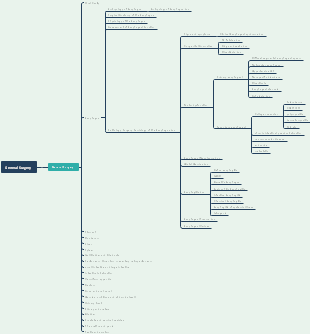

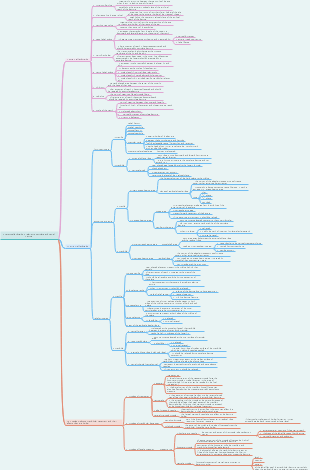
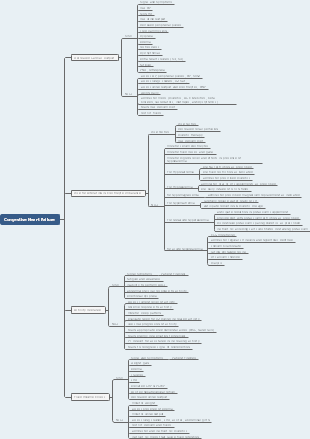
GIT
Esophagus
Corrosive injury
Bleach
Suicidal or child taking it leading to electrolyte disturbance anatmical degree issues and symptoms
The symptoms are odynophagia drippling if mild or vomit , hematemisis , shock ,stridor
Degrees are 1st:- heal ,2nd:-stricture , 3rd:- perforation
INV
LAB:- electrolytes , inflammatory markers ,
Imaging:- CT
Endoscope which is great in induce perforation and assess mucosal injury but inable to predect intramural one
Aim:- electrolytes and anatomical issues
Treatment
1st line:- resusitation , medication , nutrition oral in 1st , TPN NGT of 2nd ,jeujenotomy if 3rd
Definative in 1st follow up in 2nd dilataion 2-4 w then repeat every 1-2 w for 3-4 seasons failed =stent failed = Esophagectomy which is 3rd
Relif Anatomical issues and Tanna compensate with eating
Achalasia
NM
An event leading to degeneration of [auerbach's plexus] like AI leading to weak peristalsis and failure of LES relaxation
which lead to painless dysphagia specially with water than food
Regurgetation[specialy in night] , pulmonary symptoms[wheezing,asphyxia,chronic cough]
INV
Barium:-BIRD BEAK
Esophagoscope:-which sees food ,saliva and Difficulty passage through LES
Manometry:-weak peristalsis at body with hypertonia in relaxation and resting[INV OF CHICE
Anatomical and physical abnormaloties
Treatment
Drugs :-NO,VIP
BOTTOX
Forceful dilatation
Heller's cardiomyotomy
Return the muscle to it's previous state as much as possible
Esophageal hiatus hernia
Sliding
Cuzf IAP , OBes or fibrosis[widening of hiatal hernia] leading to herniate of esophagus and proximal stomach through posterior mediastinum
and cuzf that the esophagus will slide upward leading to loss of HPZ supports LES
this GERD may lead to esophagitis and spasm pulling more it
C/P
Typical :-retrosternal burn , regurgitation , dysphagia also may have symptoms by posture
Atypical :- Chest pain[CAD] , Bronchospasm and cough[pulmonary] , change in voice and chock[laryngeal ]
Investigation
Endoscopy with biopsy
Manometry with biopsy
See GERD and sus malignancy
Treatment :-nissen's and Toupet [fundoplication]
Rolling
Stomach through weak wall medially till posterior pericardium
Leading to compression triad[dysphagia , dyspepsia and dypnea] hicccough and mimic angina pectoris [chest pain]
INV
X-ray show gastric air shadow
CT:- investigation of choic cuz it shows chest+abdomen+width of hiatus+contents
See chest and abdomen content and anatomy
Treatment:-reduce , excition , repair , fundoplication
Stomach
Perforation
M.C on anterior
Sudden onset acute peritonitis if small rapid seal by omentum
Lead to septic peritonitis in the end and may sus acute appendicitis if reached right iliac fossa
C/F
Sudden sever epigastric pain later generalized with tachycardia
Patient may colapse if large
Localized peritonitis signs then generalized
If septic shock or hypovolemia delay treatment
Investigations
X-ret chest :- air under diaphragm
Abdominal US reveals fluid
Treatment
Correction
Pre-OP
NG Tube
IV[fluid , AB , PPI] attention to respiratory
Surgery
Closure by omental patch
Peritoneal lavage and close abdomen with drainage
Ulcer = biopsy and after treatment treat him medically
Subacute :- Treat conservatively
Chronic = perforation till pancrease , sus when pain become more and less persistent refered to bacl
Bleeding
Small no problem but same diagnostic treat polices as large
Severe:-cold , faint , rapid pulse and low BP [hypovolemic shock] , hemoglobin and hematocrit estimation usful only after few hours of hemodilution
Investigations
Upper GIT endoscopy
Hemoglobin and hematocrit
Urea and creatinine
Treatment
Conservative
Mostly bleeding stopped due to clot sealing but do conservative tho
Admission into hospital and better intensive care unit
High flow O2 mask
IV :- crystalloid and BT [for Hypovolemia] , PPI
Monitor[UO , pulse , BP and hematocrit]
NG
Surgical
Indications
Absolute
Fail of conservative , sever bleed 2000 ml or more or need large volume 1000ml/Day
Bleeding recure after endoscopic hemostasis
Relative
Old AS
Long history of ulcer not respond with conservative treatment
Risk operation < risk of shck in associated serious diseases
Operative
Pyloroplasty with vagotomy[deudenal ulcer]
Bleeding gastric ulcer = gastrectomy
Pyloric stenosis
GOO over periods of years of ulcer and dyspepsia some cases silently
C/F
Projectile foul dark fluid evening from previous day vomiting
Unable to eat in the eveing and may eat smal launch
Lost initial periodic ulcer pain then epigastric discomfort
Examination
Under wieght illnourshed dehydrated
Abdominal examination :- enlarged stomach with visible peristalsis from left to right and succsssion splash hear
Serious electrolyte disturbance
Investigations
Lab
Endoscopy :- golf hole appearence
Barium meal [Soup dish appearence] but may miss carcinoma
Managment
Surgery but not emergent
Pre-OP
N-G
High ptn fluid and correction of fluid electrolytes balance
Transfusion
Chest physiotherapy and AB often have pneumonitis due to aspiration
OP :- Truncal vagotomy and gastrojejunotomy
Gall bladder
Gall stones
3:1 Female with types
Cholestrol
Single or multiple yellowish green with radiolucent nature and nearly 100% cholestrol >2.5 cm in diameter
Mixed
90% usually multiple[x10] laminated with cholestrol core and calcium bilirubin cover[brown shell] or may have a shello of calcium[phosphate , palmitate] , 0.5-2.5 cm 15% radio opaque
Cause of faceted surface is mechanical
60% cholestrol brown yellowish , cuzf infection 5-10mm
Pigment x100 oval or spiky
Black
Multiple spicules <2.5 cm composedf , radio opaque 50% [hemolytic anemia M.C and cirrhosis
Brown
Multiple dark brown laminater <2.5 cm [infected stagnant + FB]
>20% cholestrol and >80% rest 50% opacity
Hemolytic anemia [aheriditary spherocytosis and thalassemia [black]
Liver cirrhosis
Infection
Aetiology
Cholesterol and mixed
Disturbed salts/cholesterol ratio
Norm 25:1 salts , abnormal 13:1
Reduced bile salt pool
Malabsorption
Diminished hepatic synthesis Estrogen reduces concentration of bile salts
Increased cholesterol synthesis:- obesity,fats
Bile stasis
Female forty fertile fat
DM
Parenteral
Pigmented
Hemolytic anemia
spherocytosis
Thalassemia
Cirrhosis:-UDPGT
Infection:- E-coli :- B-glucuronidase perciptate calcium bilirubinate
Complications
Galllbladder
Obstruction
Infection leading to acute sever cholecystitis leading to gangrene perforation empyema and
Chronic calcular cholecystitis :- thick wall small contracted
Migration of stones
Obsttructive jaundice , cholangitis , acute pancreatitis and biliary cirrhosis if long term in CBD
through deudenal fistula which is rare >2.5 cm leading to Gall stone ileus
C/F
recurrent biliary colic =murphy's sign with tenderness pain[colicky dull] RHQ refered to right [shoulder chest back ] >6h =acute cholecystitis it increases after 30M
Biliary dyspepisa
Reflex:- [cholecysto - cardiac link]
INV :- US[98%] , MRCP
Treatment if asymp conservative except in complication if symo larproscopic cholecystectomy
Acute calcular Cholecystitis
loses norm bluish luster , multy accesses and to localize infection the omentum deudenum and colon adhere
Consquences
Resolution
persistent distention and obstruction which is less commom
may lead to thrombosis , perforation with [localized or less common generalized peritonitis] , acute emphysematouscholecystitis
Empyema
Chronic calcular cholecystitis
C/F :- pain may be dull if serosal involve + their is fever
Examination:- pyrexia tachycardia with yellow tinge and rebound tenderness leading to muscle guarding , murphy's sign and Mirrizi's syndrome
INV
Lab and LFT usually norm , US
Treatment
Early
Conservative
Acute non - calcular choleccystitis as calcular and US in diagnostis
Obstructive jaundice[CBD stone]
15% from calcular cholecystitis , primary stones are rare
complications[Calcular , strictures and malignant CBD]
Migrating stones
,3mm if passed to deudenum = panceatitis
Impacted stone
Dialtation
Obstruction
Cholangitis espicially in case of FB like stones , stent , leads to scending cholangiohepatitis and liver abcesses[50% mort] this rising= septic shock
Acute pancreatitis
Arrest of bile salt passage to intestine = bleeding tendancy and hepatorenal failure
Prolonged biliary obstruction = white bile
C/P
Sever dull ahing pain refered to right [shoulder back] and epigastric with nausea and vomiting during attacks
Jaundice slowly progressive not reaching severe degree
Dark frothy urine , pale stool and pruritus
Cholangitis
charcot triad if sever = reynold's triad
Courvoisier's law
Pain reflux blood
Causes
Lumen:- Stone , Parasites and blood clots
Wall:- congenital atresia , strictures[Inflam sclerosing cholangitis ,truama iatrogenic ,malignant cholangiocarcinoma]
Extra:-carcinoma [pancreatic , periampullary] and mirrizi's syndrome
Different positions same concept
INV
Lab
INF MARKERS AND LFT'S
Imaging
Abdominal US:-dilatation in intra or extrahepatic ducts , chronic inflammed bladder with stones , CBDS , pancreatic mass , Hepatic cholangitic abcess
MRCP :- see state of hole biliary tree and L/N till deudenal flow , extravasation of bile
ERCP
CT abdomen
Know condition of whole tree
Managment:-
With cholangitis :- Resus , IVAB
Without:- Remove CBDS by ERCP ir surgery cholecystectomy by laproscope or open surgery
Preparation before surgery
IV[vit K , hydration and mannitol , broad spectrum AB] while oral is bile salts
Then ERCP by ballon catheter or Dormia baskey or stone cruhser if big at the end of procedure need a stent fail = choledocholithotomy +- choledoco-duodonostomy
Steps for choledocholithotomy
Extract stone - T tube then close around the tube then drain early post op lastly cholecystectomy after 2 weeks cholangiography by contract if failed = choledoco-duodonostomy
Carcinoma of the bladder
>90% , scc or ac or miscture , spreadable
C/F :-obstrction lead to
chronic or acute cholecystitis or jaundice and right hypochondria mass
Diagnosis:-
US,CT,MRI
Treatment
Radical cholecystectomy and poor prognosis
Liver and pancreas
Liver trauma
Second common solid organ to be injured after spleen
Aetiology
Accidental injury[RTA[ or penetrating
Iatrogenic [PC liver biopsy]
Types
Hematoma
Parenchymal tear
Vascular injury
Consequences
Main danger is bleeding which stoped in 80% but if continued = death
Haemobilia
C/F
History of trauma
Abdominal pain tender and rigidity
Lower rib fracture
Hemorrhagic shock cuzf massive bleeding
accidental discovered through laparoscopic exploration
INVESTIGATIONS
Lab
LFT , leucocytosis , Anemia , ABG
Imaging :-CT after hemodynamic stability
Treatment
Conservative
Isolated stable small>10cm contained non exoanding
Maintain haemodynamic , AB , Follow up CT
Operative
Pringle's maneuver
Steps
Treat laceration
...liver hematoma
.... devitalised parts
.....untidy injuries
Gauze pack 24h
Correction:-anemia , coagulopathy, hypothermia, fluids, electrolytes and PH imbalance
Re-exploration after stabilization
Pancreas
Acute pancreatitis
Pancreatic enzymes
Etiology
50% BDS
alcohol 35%
Trauma with ERCP
Rare causes: viral infection, hyper[parathyrodism, triglyceridemia]
Pathogenesis
SIRS CUZF major irritation of peritoneum= ptn exudate
Sponification
Hypocalcemia
Kinins problems
Gross:-cataral then hemorrhagic then necrotising pancreatitis
Complications
Systemic
Hypovolemic shock
ARDS
RF
Consumption coagulopathy
Paralytic ileus and gastroduodenal ulcer
Tetany
Local
Pancreatic pseudocyst
Pancreatic abcess [4.5%]
Guidance
C/F
Symptoms
Acute gradual Upper abd pain increase with meal , alcohol radiat back[main symptom]
Vomiting
Signs general
Fever, tachycardia are common
Hypovolemic shock in more severe cases
leaning forward sitting
some times tingf jaundice
signs local
Mild tender rigid cuzf retroperitoneal
Bruising [cullen's sign and grey Turner's sign]
2-3 weeks may observe pancreatic pseudocyst
Investigations
Lab
serum amylase
Urine amylase
serum lipase
ABG
Mild bili , hypo[calcemia , proteinemia] , hyperglycemia and elevated blood glucose
Blood picture
Imaging
Abd US
CT with contract
48 h after onset of symptom to detect necrosis
MRCP
ECG , CPK
Assess severity
Treatment
Conservative R regim
ERCP
Surgical
Excision of necrotising tissue detected by CT and leave drainage tube
Drainage
pancreatic pseudocyst
False cyst
Aetiology
Acute pancreatitis commonest cause 10% turn cyst 2-3 weeks after attack
Truama
In lesser sac
May infected and ruptured
C/F
Small = painless accidently by US
Large= discomfort and upper abdominal swelling [DD aneurysm aortic]
Investigations
Endoscopic US with aspiration = high amylase
CT=collection in lesser sac
Treatment
Resolve spontaneously mostly but follow up with US
not resolved after 6 W = Cystogastrotomy
Endoscopic drain
like any cyst may rupture or infected = peritonitis and treatment is drain
Infections of liver
Pyogenic liver abscess
Source of infection
Cholangitic abcess cuzf ascending cholangitis which is commonest cuzf bile obstruction leading to ascending E.coli other G(_)
Portal vein
Suppurative appendicitis or colon diverticulitis induce septic thrombophlebitis
Arterial system [hematogenous abcess]
Bacterial endocarditis , Tonsillitis, IV drug [STAPH]
Predisposing factors
Immunocompromised
Already exciting [Hydatid cyst , amoebic abscess , hematoma but rarely]
C/F
F[high grade]AHM ,Toxaemia and RUQ lower chest pain with tender hepatomegaly
Lab :- one of them serum bilirubin elevated in case of cholangitis and multiple liver abscesses
Imaging:_CT
Treatment;-AB ,PCT drain and sample culture then drainage tube
Amoebic Hepatitis and Abscess
Protozoal, Entamoeba histocytica cuzf Amoebic colitis
Grossly: liquifactive necrosis with zone perihepatitis, brown chocolate color or pink [anchovy sauce] , shaggy wall
Complications
sec inf
Rupture into pleura , lung , pericardium toneium , skin of abdominal wall
C/F
U abdominal pain + low grade fever , AN loss of weight with amoebic colitis symptoms
Signs:- pale tender look with Tender hepatomegaly
Investigation
+ amebic stool analysis
CT :- cyst focal surrounded by black halo which is edema in zone perihepatitis
Treatment
Conservative: metronidazole 750 mg 7-10 days no respond for 72 h of large = Us percutaneous aspiration with pig tail catheter
Open surgery rerly needed:- 2ndry bact or multilocular abcess or thick pus presence
Hydatid Disease of Liver
Sub Topic
Colon
Diverticular disease
Chronic constipation , muscle spasm
Pathology
Sigmoid M.C , any area but rectum
Bulge mucosa out between tenia and antimesentric [diverticulosis non complicated]
Complications
Acute diverticultitis cuzf obstruction
Perforation
Massive bleeding PR
Colon stricture
Fistula :- colo[rectal - vaginal - intestinal]
C/F:-uncommon <40Y.O , Asymptomatic or complain of Lower ABD pain with flatulence , DD appendicitis but left side , may present with massive freash bleed PR
Investigations
Barium enema :- saw teeth appearence
Endoscopy :- mouths of diverticula
C.T scan best :- diverticula mural thick , peri diverticular abcess
Treatment
Diverticulosis = Dietary 30g fibers/D , antispasmotics
AI for Acute diverticulitis
+ generalized peritonitis =Urgent laproscopy till Hartman's procedure=peritonial toilet and drainage
Pericolic abcess:- US guided PC aspiration or open drainage
Chronic diverticulitis especially with obstruction = colectomy after mechanical chemical preparation
Colo-rectal carcinoma
Etiology
Genes
Dietary
IBD 12%
Polyps
Inflammatory:-10%
Hamartoma 20%
Hyperplastic 50% :- >5 polyps >2cm, cellular atypia
Neoplastic
Solitary:-10-30% of [Sessile , >2cm ,Mammilated , villous , multiple]
FAP 100%
Heriditary
FAP APC 100%
Lynch syndrome [HNPCC]
JPC [SMAD4/BMPR 50%]
PJS:-LKB1 gene 20%
Pathology
Microsopic:-usually adenocarcinoma 98% columnar
Gross pictures:-2/3 rectum and sigmoid , 10% caecum , 5% multiple tumors
Gross types
Cauliflower like polypoid commonly from ceacum
Ulcerative type
Stricture type commonly in sigmoid
Spread Direct
Longitudinal
Circumferential:- hard in UB cuzf facia of Denonvilliers
Lymphatics:-Epicolic , para , intermediate and supinf mesentric preaortic]
Hematogenous:- Liver METS 30% At timef diagnosis
Transperitoneal:-Peritoneal nodules and ascites
Complications
Intestinal obstruction 20% left
Perforation:-Colo[Rectal vaginal vesical]
Bleeding:-Chronic bleeding rule but massive is rare
Spread
LF , ascites
pneumaturia and uretric obstruction
C/F
Right colon
Vague
Right iliac fossa pain
Hard mass and dosen't present with intestinal obstruction except if ileocecal valve
Left colon
Change bowl habbit
Obstruction
Bleeding PR
Mass but rare cuzf scirrhous nature[Hard slowly growing]
Rectal cancer
Usually bleeding PR if Middle or elder age = sus Malignancy
Tenesmua and mucous Passage
Painless unless spread
DRE Till 10 cm of anal verge if Higher = sigmoidoscopy
Investigations
Lab
Blood pic for microcytic hypochromic anemia
FIT
[sDNA] Test
ScheaBo M2-PL stool test
Tumor markers [CEA ,CA19-9 , KRAS]
Genatic counceling
CT viral colonography :- Less invasive than conventional
Endoscopy [Gold standard]
Altered bowel
FIT[+] , Piles >40
FAP , UC
Detect , biopsy , Mark
Barium enema :- apple core appearence
Spread detection:- if liver TRIPHASIC[GOLD]
Treatment
Pre-OP ;-cuz it's anastmosis more liable to disrupt:-aerob anaerob , gas distention , incomplete muscle or serous coat , peculiar blood supply
Bowel preparation [Empty and clean]
1st method
2nd method
OP
Small intestine
Meckel's diverticulum
Most prevelent congenital anomaly of GI and commonest cuzf GI bleeding in child
persistent patency of proximal part of Vitello-intestinal duct conects ileum to umbilicus
Pathology
Antimesentric layer [ileum] sep blood supply from SMA may contain ectopic G mucosa , pancreatic tissue and colonic mucosa[cuzf same embryo origin]
2-3% Rule [population,ileum2-3 feet from ceacum,length inches,symptoms cuzf complications 2-3%
Complications
Obstruction commonest
Intussuseption
Fibrous band
Internal herniation
Volvulous
Incarceration :- Littre's herniation
Peptic ulcer and bleeding
Acute diverticulitis DD appendicitis
C/F
Discovered accedent
obstruction painless rectal bleeding childhood
Acute abdominal pain simulates appendicitis
Treatment
Symptomatic = resection
Accident discovered laprotomy
Resection indicated in children and young adults
>40 riskf resection > advantages
Polyps
Inflammatory
Edematous mucosa usually multiple revirsible treat TB , bilharziasis , UC chronic >10% malignancy
Hyperplastic
Mucosal hyperplasia or meta during first 10 Y of life peak 2-5 mostly left colon and rectum , special varient JPS :-large multi >5 epi atypia and 50% malignant potential
Hamartoma
Commonest type PTJ:-Pigmentation M-C junction around anus and lips , extra intestinal manifestation as lipoma and fibroma , 30% malignant potential
Neoplastic
Block and lead to obstruction
Intestinal obstruction
Dynamic
Generally
Types
Simple
Absolute constipation
Colic [pain first symptom]
Distention
Fluid electrolytes disturbance
C/P
Strangulated
Early :- mucosal ulceration and intraluminal bleeding , devitalized , endotoxins
Examination
General :- evidence of dehydration
Local
Inspection :-distention and visible peristalsis , scars , hernias sites
Paplation:-Mass may felt
Percussion:-hyperresonance
Auscultation:-Accentuated sound
Empty rectum
Investigation
Laboratory
CBC
Urea and creatinine
ABG
Serum electrolytes
Imaging
Plain X-ray
Gold 2 views
Erect :- multiple air fluid level for sus obs or perforation
Supine:-Level of obstruction and localization
Distended jejunal loops :- valvulae connivents
......ileal :- featurless loops
.....Colon :-haustrations
CT scan on abdomen and pelvis
Oral or IV 80% senstivity
Distended loops and gas , strangulation
Cause of IO
Management
Resuscitation
Definitive treatment main line surgical
Operative step which is laproscopic or conventional
Exploration
Relif obstruction by devision of bands or reduction repair hernia or untwisting or resection of tumour or stricture and fecal diversion
Incasef strangulated non viable?
Adhesion 65% of dynamic
M.c post OP , congenital band , healing by fibrosis
Pathology :- induce obs by knking or directly obstruct,strangulate ,may recurrence
C/F
Acute or acute reccurent present by
Commonly scar of previous OP and physical finding of obstruction
Managment
Conservative in early recurrent with no strangulation 80% success
NG,Close observation to judge success by resolution of pain distention , flatus pass , clear gastric aspiration
No continue if no responce from 2-3 days
Fail,strangulation,gangrene=assess viability and divid adhesion then surgery
Sigmoid volvulous
Elder chronic constipation males , narrow base sigmoid mesocolon
Acute intestinal obstruction with marked fluid gas distension
Investigations
Lab
Inflammatory markers:-TLC,CRP
Serum electrolytes,ABG
Urea , creatinine and blood picture
Imaging :- X-ray letter omega
Treatment
Conservative:-recal tube to untwist through sigmoidoscopy leave it till elective surgery
Surgery :- Hartman's procedure
Adynamic
Paralytic ileus
Arrest contents
Etiology
Post operative most common
Sym overactive,mediator disease, anesthesia and analgesic 1-2 days
Sepsis
Electrolytes disbalance
Medications:-AC, Opiates,CCB, phenothiazine tricyclic antidepressants
Meteorism
Shock :-burn and MI
Metabolic:-uremia and diabetic ketoacidosis
Endocrinal:-hypothyrodism and pituitarism
C/F :- no colicky pain just fullness and discomfort, silent abdomen not Accentuated sound like dynamic
Investigations
Lab like volvulus + TFT
Like volvulus but CT abd and chest with contract> 7 days to exclude dynamic
Treatment
Prophylactic neostigmine most effective
Curative
GIT decompression
Op
adhesolysis performing
treatment possible unrecognised mechanical IO
MVO 70% mortality needs urgent management
Usually SMA,SMV ,may be segmental not main branch
Aetiology
Mesenteric arterial embolism 50%
Thrombosis 25%: chronic pain intestinal angina[ 45-65% mortality]>ischemia than embolism cuzf proximity
Non-occlusive intestinal ischemia 20% :-low CO , Splanchnic VC
Mesenteric venous thrombosis 5% 30% mortality
Portal HTN
Intra-abdominal sepsis
Hyper coagulability
Contraceptive pills
Sickle cell disease
Pathology
Reperfusion injury
Ischemic damage Mucosal barrier ulcerate Slough bleed bacteria to stream 3 hours
Few hours whole thickness affected and exudate seroanguinous fluid in peritoneum, patient loss blood then hemorrhagic infraction gangrene perforation peritonitis so the proximal distended by fluid and gas develop peritonitis
Reperfusion damage
C/F
Ischemic persistent non colic pain not responding to narcotics or N-G aspiration
Diarrhea and bleeding/ rectum
Early pain with hypobolemia and peritonitis then shock abd tenderness and rigidity
INVESTIGATIONS
Lab non specific findings
Leucocytosis MA and high serum amylase
High hematocrit
Imaging
X-ray
Air fluid levels in proximal intestine, pneumotosis intestinalis , portal venous intraperitoneal gas
CT
Treatment
Resuscitation
Specific management
Laparotomy resect gangrene and avoid primary anastomosis in casef
Peritonitis
Doubtful viability
Bad general conditions
proximal ileostomy bag till general local improvement
Restore blood flow
Embolism
Laparotomy
Embolectomy
Catheter directed thrombolysis
Acute thrombosis
Laparotomy
Bypass
Non occlusive ischemia=correction blood flow
Mesenteric venous occlusion
AC
No improvement or infarction=Exploratory laparotomy
Diagnosis settled by presence of marked edema and congestion
Resection then oral heparin post-op then in home oral A.C at least 3 months to prevent recurrence
Second look after 24 hours to check viability
receive anastomosis
viability after revascularization
Prognosis :-70% short bowel syndrome only 2 meters
Anus
Anal fissure
Acute or chronic
Elongated ulcer 90% post midline if ANT=patho
Etiology
Constipation
Females
Crohn's disease
Pathology
Acute;-Tear-spasm-ischemia=reduces healing
Chronic
fibrosis=indurated edge base=narrow anal canal
Sentinel pile :-Fibrotic skin
Perianal abcess=fistula
C/F
Pain is the main symotom [sharp agonizing few hours then relif till next def]
Constipation
Slight streak blood on surface stools while hemorrhoids:-drop blood
Slight mucoid anal discharge may present
Examination
Acute :- very painful inadvisable DRE
Chroic ;-seen with it's indurated edge give 30-60 MIN anesthetic gel , pappilla and sentinel pile may present
Treatment
Control :-constipation , pain and spasm
Acute
Constipation:-softener , Fiber , Laxatives
Pain [Local anesthetic ointment as 5% lignocaine]
Spasm :-warm water baths [glyceryl trinitrate ointment 0.2% , Bethanechol 1% , Botox ]
Chronic
Constipation, pain , spasm
Hemorrhoids[piles]
Cuzf
Internal hemo plexus above dentate = internal hemorroid [ covered by mucous membraane bright red or purple ] of external
Etiology
Primary
Genatic
Chronic straining
Anatomical factors
No valves lead to high hydrostatic pressure in hemo plexus
Secondary
Pregnancy
Pelvic tumors especially Rectal carcinoma
Portal HTN
C/F[SYMPTOMS]
Bleeding / rectum M.C [Jets or blood separating the stool]
Prolapse 4 degrees
Anal discharge and Pruritis
Pain and Discomfort [ Pain = complicated or fissure ]
Complications
Profuse hemorrhage
Anemia
Strangulation , Thrombosis
Ulceration , Gangrene
Suppuration
Treatment
Indication
Primary hemorroids :- 1st 2nd [ conservative , injection sclerotherapy , Rubber band ligation and photocoagulation]
Surgery for 3rd 4th and treat cause for secondary
Details
Conservative
Injection sclerotherapy
Rubber band ligation
Laser coagulation
Stapled hemorriudectomy
Syrgical [hemorroidectomy]
Pilonidal sinus
Not an anal disease
DD fistula , SC granulation cavity connected to skin
Aetiology:- young male adults strong hair with unknown aetiology with 2 theories
Congenital
Acquired :- body hair to sacrum + gravity maybe hygiene
Pathology:-maybe epithelized or granulation
C/F
Asymptomatic
Pain , Discharge purulent or blood , Acute abcess formation
OP natal cleft or lateral with loose hair pouting out
Treatment
Abcess = intial incition and drain then leave open
Sinus
Wide Opening:-Phenol cauterization , curettage and leave it opened
Excision:- sec intention or suture to heal faster after that keep area dry clean shved
Perianal suppuration
Positions
Primary ano-rectal abcess
Anal glands ;-6-8 in the level of dentate line = intersphincteric abcess to spread
Out:-ischiorectal abcess
In:-submucous
Down:-perianal
Up:-supralevator [pelvic abcess]
Drain of abcess = fistula
Glands of pericanal skin
Secondary:-ano-rectal abcess
Inflammatory bowl diseases:-crohn's and UC
Tuberculosis
A-R carcinoma
Infection of perianal hematoma , thrombosed hemorroids or anal fissure
Class
Perianal abcess 60%
Ischiorectal abcess 30%
Submucous abcess 5%
Pelvirectal 5%
Treatment
Urgent surgery [incision drainage under general anesthesia]
If anal verge look for internal opening= fistula treatment
Drian
AB:-DM
Anal fistula
Classification
Granulated track opens on perianal skin
M.C:-intersphincteric
Pathology
Infection reservoir
Internal Opening
disease associate with fistula [Crohn's disease]
Classification
Horizontal
Goodsall's rule
Vertical
High or low Fistula to prevent injury
Park's
Almost all open in dentate line but extrasphincteric
Intersphinctric 45% [bet sphincters]
Trans 30%[transverse of internal external sphincters op through ischiorectal fossa]
Supra 20%[transverse external amd puborectalis muscle] pass downwards through ischiorectal fossa
Extra [supralevator/ischiorectal] 5% transverse ischiorectal foasa vertically through puborectalis connect para rectal pelvic space to perianal skin
C/F
Symptoms
Intermittent or persistent discharge
local soreness and pruritis discharge
Attack perianal pain and abcess
Examination
Single or multiple
active granulated fistula with perianal induration
Internal OP may felt with digital examination
Proctoscopy may show internal ring bottom of anal crypt at level of dentate line and it's relation to anorectal ring must be clearly defined
Investigations
MRI
Fistuotomy:-cured for secondary interstion
2 Steps
1! :-deroof then seton suture around puborectalis and external sphincter
2!:-4 W guided seton laid rest of then tract
Fistulectomy:-sitable for low Fistula
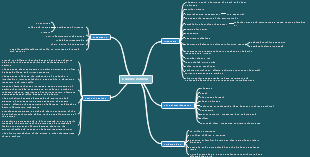
connections between gastric [perforation,bleeding , Stenosis]and differences
connections between gastric [perforation,bleeding , Stenosis]and differences
Urgent endoscopy after stable may show
Ulcer with spurting artery AND artery appears visible on it's base whicle it's covered by blood clot
Laser diatthermy[coagulation] , inject adrenaline or alcohol in ulcer base , clipping vessel
Symptoms
Dysphagia in all
Regurgitation in all but late [Achalessia and corrosives]
Chest pain
Aspiration
Achalesia
Pneumonia
All of them but rolling
Chronic cough
Wheezing [Bronchospasm]
Sliding hernia
Hoarsness , chock and stridor
Corrosives
Rolling
Dyspnea and chest discomfort
Severe corrosives lead to pseudoahalesia , hernia and tumor achalesia lead to hiatus hernia[phrenoesophageal ligament] while hiatle hernia worsen reflux and stricture formation
Floating Topic
Floating Topic