MindMap Gallery WorkSafe WA
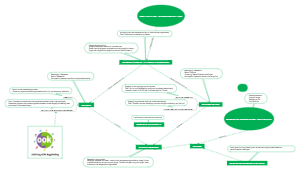
The Work Safety Authority of Western Australia has a clear role and plays an important role within PW. Adhering to the general regulations of 2022 under the WHS legal framework, including the general rules for high-altitude operations, we are committed to ensuring a safe working environment, standardizing operational procedures in various industries, reducing safety risks, and ensuring the safety of personnel's lives and property.
Edited at 2025-04-12 05:14:29WorkSafe WA
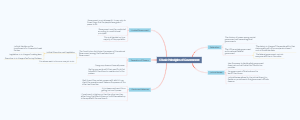
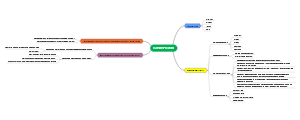
Role of WorkSafe WA
Enforcement of WHS Act 2020 Inspects workplaces, issues improvement and prohibition notices
Investigates Incidents Serious injury,illness or dangerous occurrences
Issues Provisional Improvements Notices Supports health and safety reps (HSR's in enforcing safety
Prosecutes for WHS breaches Legal action against PCBU's or individuals
Provides guidance material Codes of practice, fact sheets and safety alerts
Promotes consultation and reporting Encourages worker participation and reporting of risks
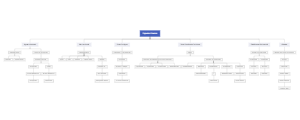
Roles within PW
PCBU - Tony Jenkinson and Andy Way Primary duty holders under the act Must ensure, as far as reasonably practical the health and safety of: Workers Contractors Visitors Resonpsible for implementing systems of work, maintaining the work environment, and ensuring riskmanagement processes are in place
Officer - General Manager (Jay) Has a due diligence duty under Section 27 of the WHS Act Must take reasonable steps to: Understand WHS legal obligations Ensure PW has and uses appropriate safety systems Verifysafety resources and provided (training, PPE) Monitor compliance and review safety performance Personally liable if they fail to exercise due diligence
Workers: Team leasers and supervisors Share responisbilities with the floor manager for day to day safety oversight Act as the link between management and frontline staff Must ensure that work is done in accordance with WHS procedures Provide safety instructions, report incidents and guide workers
Workers : Administration Staff Considered workers under the Act Same duties as the other workers May also support safety by handling records, inductions and communication
Workers: Contactors, Electricians, Plant Operators Maintencance Staff Have a duty of care under Section 28 of the Act Must: Take reasonable care for their own health and safety Comply with reasonable instructions, policies and procedures Use equipment properly Report hazards or incidents
Training coodinator Responsible for ensuring workers are: Properly inducted Competent to perform their roles safely Trained in high risk work requirements (e.g. working at heights) Support the PCBU's duty to provide information, training and supervision.
Worker: Floor Manager (Liezel) Considered a worker and a person in a supervisory capacity Must take reasonable care for their own safety and that of others Implement and enforce policies and procedures on the floor Must report thazards, monitor workers, and support safe work practices
Health and Safety Representatives(HSR's) Elected by workers to represent them on WHS issues Have legal powers under Part 5 of the act including: Investigating complaints Inspecting workpalce conditions Issuing Provisional Improvement Notices if trained Requesting review of control measures Play a key role in facilitating consultation between management and staff
Safety Manager and Safety Advisor Provide specialist WHS support and compliance advice Develop policies and procedures Conduct risk assessments, investigations and audits Assist PCBU and officers in meeting their legal obligations Often lead WHS committee meetings and training initiatives
WHS Legal framework
WHS Act 2020 Sets out primary duties and legal obligation Broad principles Enforceable by law Applies across all industries
Australian Standards Provide technical specifications or requirements Usually refrenced in legislation or codes of practices May not be legally binding unless called up in law Examples: AS/NZS 1891 (Fall arrest systems) AS 4801 (OHS Management Systems)
How do they work together?
WHS Act is the foundation
Regulations give practical detail
Codes of practice help explain how to comply
Standards offer technical benchmarks and best practice
WHS Regulations Provide specific details on how to meet duties under the act covers topics such as: Working at heights Hazardous substances PPE Incident notification Legally enforceable Breached can result in fines/prosecution
Codes of Practice Practical guidance on complying with the act and regulations Not law but can be used as evidence of what is "reasonable practicable" e.g. code of practice for working at heights manual handling code of practice Developed by regulators like WorkSafe WA
Main Topic
WHS Act 2020
WALW - Work Health and Safety Act 2020 - Home Page
General Regulations 2022
WALW - Work Health and Safety (General) Regulations 2022 - Home Page
WorkSafe WA
Home - WorkSafe – DEMIRS
General Regulations Working at Height
Chapter 4 Hazourdous Work
Part 4.4
Regulations 78 Management of risk of fall 79 Specific requirements to minimize risk of fall Emergency and rescue procedures
Responsibilities of the PCBU
PCBU must ensure that any work involving the risk of a fall is carried out on ground or solid construction
Penalties apply for this sub regulation
Role of the WHS Regulator
Promotes compliance Help duty holders understand their WHS responsibilties
Monitoring and enforcement Conducts audits, assessments and onsite inspections
Support for HSR's Back HSR actions like PIN's or issue directions
Education and awareness Evaluate procedures and systems against WHS law
Maintain WHS data and trends Analyze injury/incident stats to inform national safety strategy
Review safety policies Deliver workshops, online tools, and outreach programs
Role of the WHS Inspector
Inspectors are authorised by the regulator and have significant legal powers. These include:
Entry powers Can enter a workplace at any time without prior notice if it is reasonably suspected work is being carried out
Inspection powers Once inside the inspector can: Examine or inspect anything Take photoes and recordings Require documents Copy or seize documents Conduct interviews with workers Take measurements and conduct tests
Issue notices Improvement notices for breaches that need to be corrected within a timeframe Prohibition notice for situations that pose a serious and immediate risk to health or safety - work must be stopped immediately Non distrubance notice Prevents interference with an incident scene - this may be after a serious incident or a fatality
Conduct interviews Can require a person to answer questions relevant to the investigation but not self incriminating, unlesspart of legal proceedings
Seizure powers Can seize any plant, substance or document if its relevant to a suspected offence or investigation
Industrial Manslaughter (s.30A WHS Act 2020)
Is a criminal offence under WHS Law
Occurs when a person conducting a business or undertaking (PCBU) or senior officer causes a workers deaththrough : gross negligence or recklessness failure to comply with health and safety duty
Under the WHS Act 2020 PCBUS's, Senior officers can be charged if they are deemed to have had the capacity to influence the outcomes
The key legal elements include: The person had a health and safety duty The person breached that duty The breach caused a workers death The breach involved gross negligence
Penalties for an individual include: Up to 20 years imprisonment Up to a $5 million dollar fine
Penalties for a body corporate include: Up to a $10 million dollar fine
Main Topic
Main Topic